Closed-Loop Aquaculture: The Future of Sustainable Seafood
Can circular systems solve the seafood crisis? Explore how recirculating aquaculture (RAS) uses 99% less water for eco-friendly fish.

Scaling Circular Systems for Sustainable Seafood in a Resource-Constrained World
Summary
Closed-loop aquaculture, encompassing recirculating aquaculture systems (RAS), biofloc technology, integrated multi-trophic aquaculture (IMTA), and related hybrids, represents a strategic evolution in global food systems. As traditional open-net pen and flow-through systems face mounting pressure from climate change, resource scarcity, and regulatory scrutiny, these circular approaches recirculate 95–99 percent of water, recover nutrients from waste, and minimize external inputs and outputs. Evidence from FAO reports and industry benchmarks indicates that such systems can dramatically reduce environmental footprints while enhancing resilience in a world where seafood demand is projected to rise significantly by 2030.
Strategic analysis suggests closed-loop aquaculture could address critical supply-chain vulnerabilities. Global aquaculture production reached approximately 130 million tonnes in recent years, with the sector contributing substantially to food security and livelihoods for hundreds of millions. However, conventional methods often generate high effluent volumes, compete for coastal space, and exhibit variable GHG profiles. Closed-loop designs, by contrast, enable land-based or controlled-environment production, decoupling output from ocean health and supporting biodiversity protection. Water-use efficiencies of up to 99 percent relative to traditional ponds have been documented, alongside potential reductions in nutrient pollution.
From an economic perspective, the recirculating aquaculture systems market (valued in the range of USD 5–7.5 billion in the mid-2020s) is forecast to expand to USD 13–18 billion by 2035 at CAGRs of 8–10 percent, driven by premium species production and urban proximity advantages. Yet scaling remains challenged by high capital intensity and energy demands. Investors and operators who integrate renewable energy and AI-driven automation stand to capture value, while policymakers can accelerate adoption through targeted subsidies, carbon credits, and certification standards.
Key findings underscore both opportunity and realism: closed-loop systems offer superior environmental performance in water and effluent management but require careful trade-off analysis on energy and upfront costs. Strategic recommendations include prioritized investment in hybrid IMTA-RAS models, public-private partnerships for technology de-risking, and regulatory frameworks that reward circularity. Collectively, these systems position the blue economy as a cornerstone of sustainable protein supply in a resource-constrained world, provided stakeholders act decisively on innovation, policy alignment, and operational excellence.
1. Defining Closed-Loop Aquaculture in the Context of Global Food Systems
Closed-loop aquaculture refers to production systems engineered to operate with minimal exchange of water, energy, and materials with the external environment. At its core, these systems achieve high recirculation rates (typically 95–99 percent daily water reuse) through advanced treatment processes that recapture nutrients, treat wastes, and maintain optimal water quality. This contrasts sharply with conventional open-net pens, which rely on natural ocean flushing and are vulnerable to escapes, disease transmission, and environmental loading; flow-through systems, which continuously draw and discharge large water volumes; and traditional pond-based operations, often characterized by high water exchange and effluent discharge.
The principles of circularity underpinning closed-loop designs align closely with FAO and UNEP circular economy frameworks. These emphasize designing out waste, keeping materials in use, and regenerating natural systems. In practice, closed-loop aquaculture minimizes external inputs (such as fresh water or wild fishmeal) while converting outputs (sludge, uneaten feed, and metabolic byproducts) into recoverable resources like biogas, fertilizers, or secondary biomass. This systems-level approach reduces pressure on marine ecosystems, supports food security amid projected global population growth to 9.7 billion by 2050, and enhances supply-chain resilience against climate shocks including ocean acidification and warming.
From a global food systems perspective, closed-loop models enable production in non-traditional geographies; urban centers, arid regions, or inland areas, reducing transport emissions and land-use competition. Strategic analysis indicates that as wild fisheries plateau and conventional aquaculture faces sustainability limits, closed-loop technologies offer a pathway to meet rising per-capita seafood demand while aligning with broader sustainability goals under frameworks like the UN Sustainable Development Goals.


2. Core Technologies and System Architectures
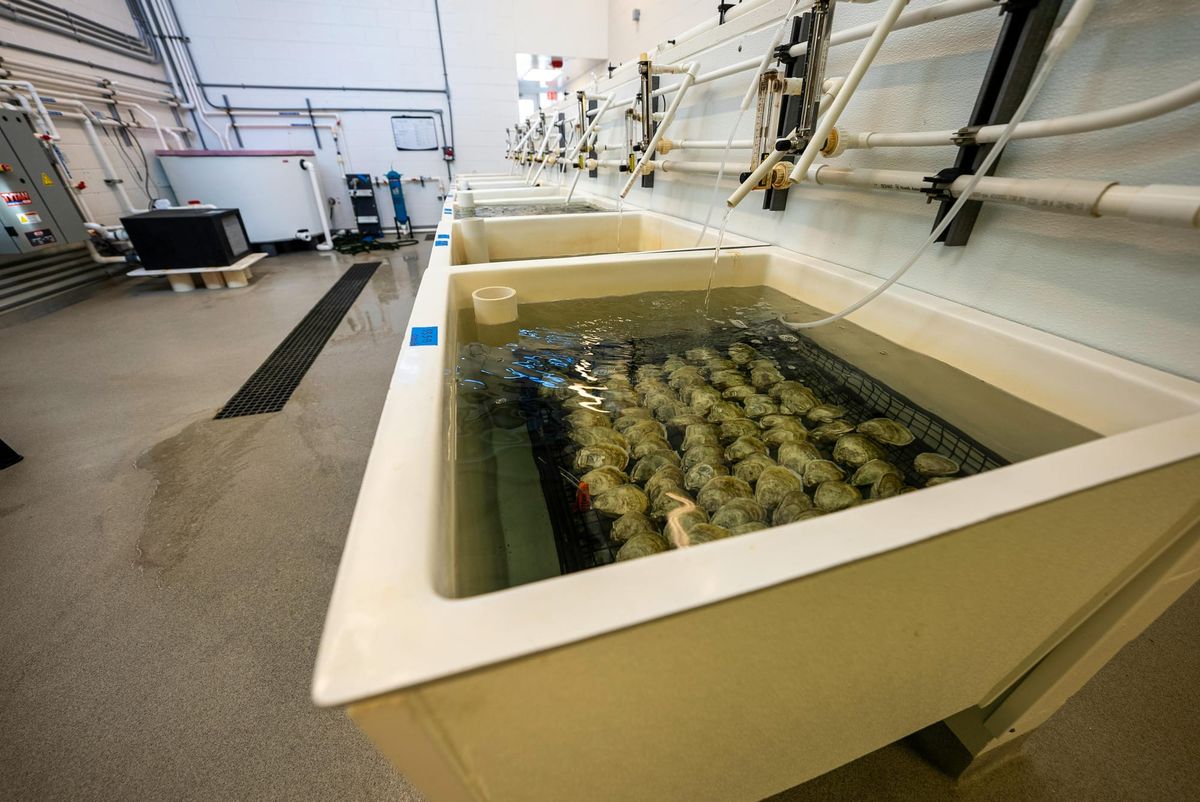
The technical foundation of closed-loop aquaculture rests on several interlocking technologies. Recirculating Aquaculture Systems (RAS) form the backbone, employing mechanical, biological, and chemical filtration to treat and reuse water. Drum filters remove solids, biofilters (moving bed or fixed-film) convert ammonia to nitrate via nitrification, and advanced disinfection via UV or ozone inactivates pathogens. Biofloc technology extends this by fostering heterotrophic bacterial communities that convert waste into protein-rich flocs, serving as supplemental feed and reducing external input needs.
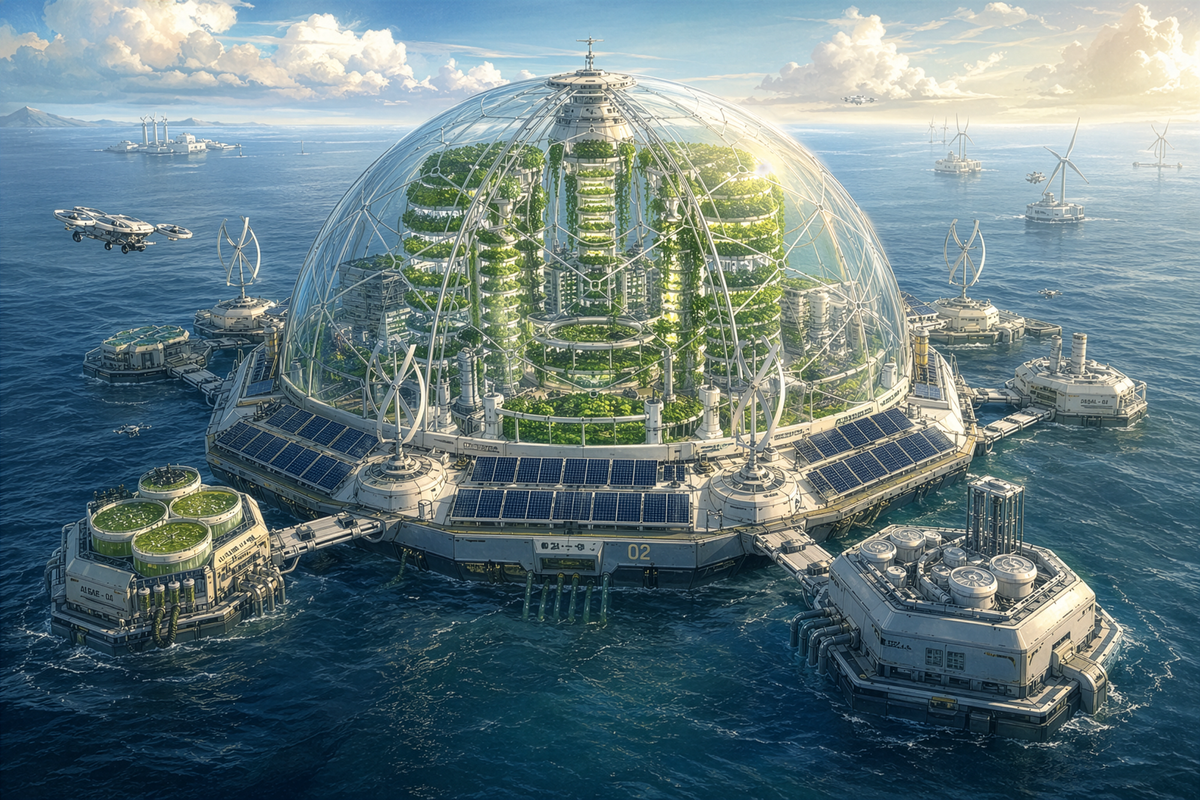
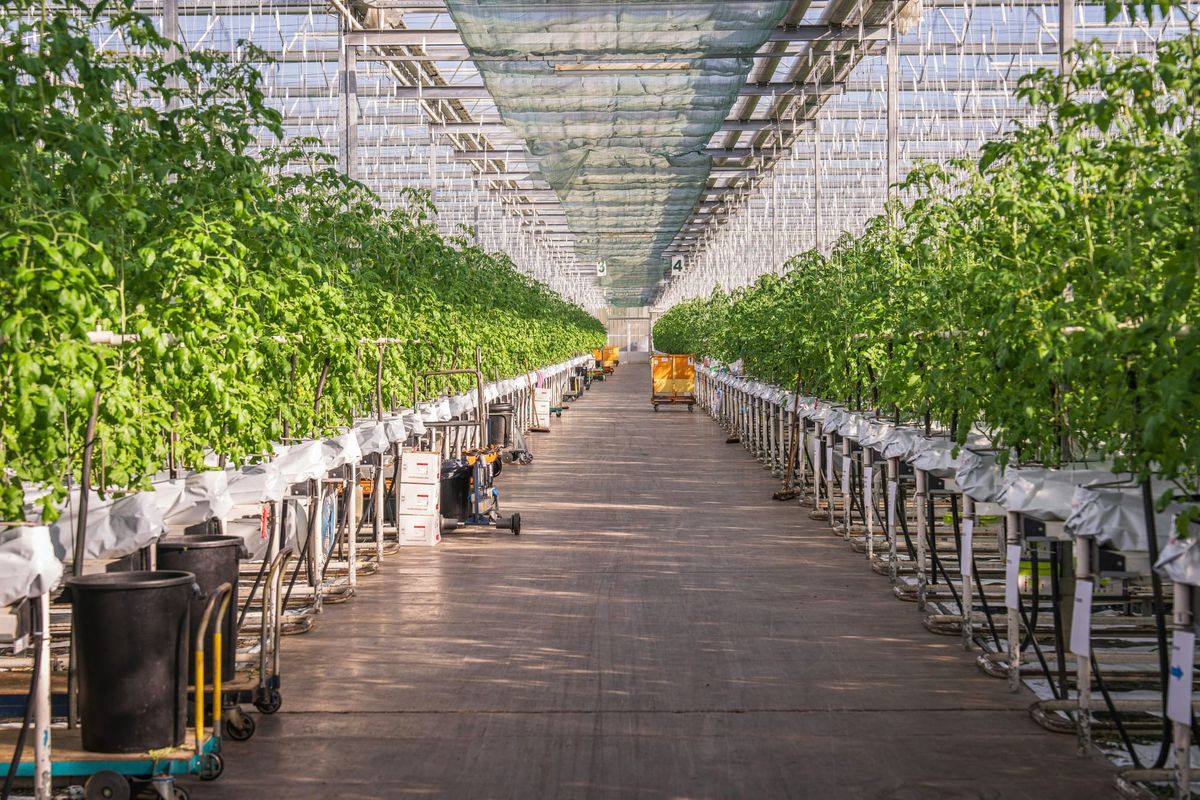
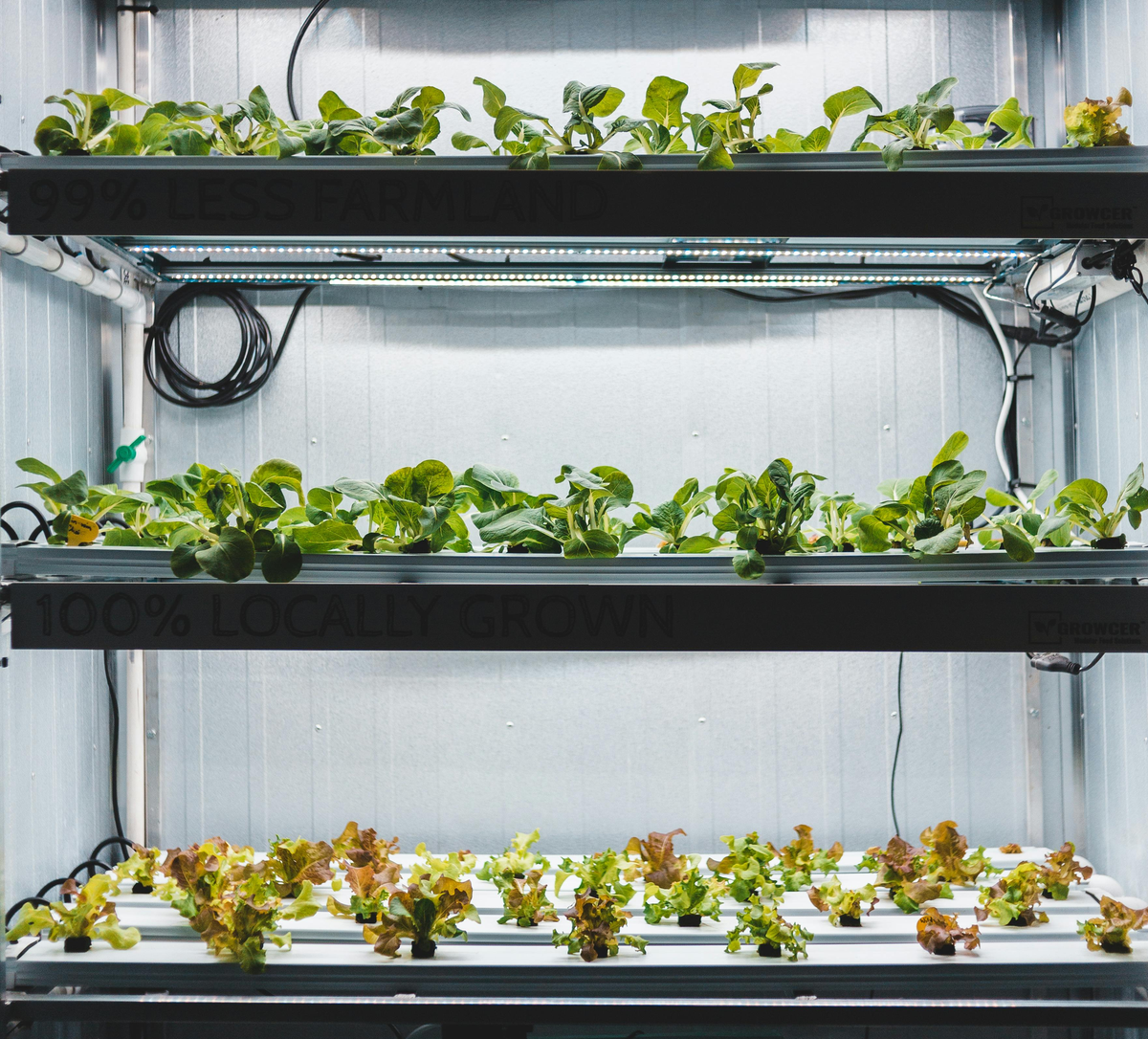
Integrated multi-trophic aquaculture (IMTA) introduces circularity at the ecosystem level by co-culturing fed species (e.g., finfish) with extractive species (e.g., seaweeds, bivalves, or deposit feeders) that assimilate nutrients. Aquaponics hybrids link RAS with hydroponics, channeling nutrient-rich effluent to plant production while plants filter water for return to fish tanks. Sludge management converts organic waste to biogas via anaerobic digestion or into fertilizer, closing nutrient loops.
Advanced layers include AI-driven monitoring and automation. Sensor networks track dissolved oxygen, pH, temperature, and ammonia in real time, enabling predictive control that optimizes feeding and energy use. Scalability tiers range from small pilot facilities (under 100 tonnes/year) to commercial operations (1,000–10,000 tonnes) and mega-facilities exceeding 20,000 tonnes, as seen in ambitious North American projects. Integration with renewables, such as solar, wind, or geothermal, mitigates energy intensity, while vertical/urban farming synergies position closed-loop systems within smart cities.
These architectures are not monolithic; hybrid designs combining RAS with IMTA elements offer flexibility, balancing intensity with ecological buffering. Evidence suggests that as sensor costs decline and AI matures, operational efficiencies will improve, supporting broader deployment.
3. Environmental, Social, and Economic Benefits
Closed-loop aquaculture delivers measurable gains across environmental, social, and economic dimensions. Water savings are among the most pronounced: traditional systems can require 20–45 cubic meters per kilogram of fish produced, whereas RAS and biofloc variants achieve 95–99 percent recirculation, reducing consumptive use to fractions of a liter per kilogram in optimized setups. Effluent reduction follows suit, with near-zero discharge minimizing eutrophication risks compared to open systems.
Land-use efficiency is high; land-based facilities require far less coastal or marine space, preserving habitats and supporting biodiversity. GHG emissions profiles vary by design and energy source but generally compare favorably to wild-caught fisheries in some metrics, particularly when feed conversion ratios (FCRs) are optimized (often 1.1–1.5 in closed systems versus higher in extensive ponds). Feed production remains the dominant emission driver across aquaculture, yet circular nutrient recovery can lower overall footprints. Resilience to climate shocks is enhanced through controlled environments that buffer against ocean warming and acidification.
Socially, these systems create high-tech jobs in rural and coastal zones, often requiring skilled labor in automation and biology; potentially 3,000–10,000 positions per large facility. Food security contributions are significant, enabling consistent, traceable supply of premium species near consumption centers.
A balanced comparison table illustrates key differentials (based on synthesized industry benchmarks and FAO-aligned data):
| Metric | Closed-Loop (RAS/IMTA) | Traditional Open-Net/Flow-Through | Wild-Caught |
|---|---|---|---|
| Water Use (m³/kg) | 0.01–0.5 | 20–45 | N/A |
| Effluent Discharge | Near-zero | High | Variable |
| Land/Marine Footprint | Low (land-based) | High (coastal) | High |
| GHG (kg CO₂e/kg, approx.) | 1.5–4 (energy-dependent) | 1–3 (feed-dominant) | 1–10+ |
| Biodiversity Impact | Low (contained) | Medium (escapes, pollution) | High (overfishing) |
| Resilience to Climate | High | Medium | Low |
While trade-offs exist; particularly energy use, the net benefits position closed-loop systems as strategically advantageous for sustainable seafood production.
4. Implementation Challenges and Risk Factors
Despite compelling benefits, scaling closed-loop aquaculture entails substantial risks. Capital intensity is foremost: commercial facilities often require investments of tens to hundreds of millions of USD, with payback periods extending 8–10 years under conservative assumptions. Energy demand poses another hurdle; pumps, aeration, and temperature control can account for 30–60 percent of operating costs, amplifying vulnerability to electricity price volatility and fossil-fuel dependency unless renewables are integrated.
Technical complexity manifests in disease management: high stocking densities heighten pathogen transmission risks within recirculating loops, demanding rigorous biosecurity and rapid-response protocols. Regulatory hurdles vary by jurisdiction, encompassing water-use permits, effluent standards, and animal welfare requirements. Supply-chain dependencies for specialized equipment (filters, sensors) introduce geopolitical and logistical vulnerabilities.
Social acceptance can lag, particularly in communities wary of industrial-scale operations or concerned about energy footprints. A structured risk matrix highlights priorities:
- High Impact/High Likelihood: Capital overruns and energy cost spikes.
- High Impact/Medium Likelihood: Disease outbreaks or regulatory delays.
- Medium Impact/High Likelihood: Operational learning curves in early deployments.
Strategic mitigation involves phased scaling, public-private de-risking, and continuous R&D. Evidence from early deployments underscores that while challenges are real, they are addressable through disciplined execution and technological iteration.
5. Real-World Applications and Lessons from Leading Deployments
Leading deployments illustrate both promise and practical lessons. In North America, Atlantic Sapphire’s Miami facility exemplifies large-scale RAS for Atlantic salmon. With harvests reaching approximately 5,000 tonnes HOG in 2025 and survival rates exceeding 99 percent, the operation demonstrates biological stability and feed efficiency gains. Challenges around initial scaling and cost trajectories have informed optimization roadmaps targeting positive EBITDA by end-2026, highlighting the value of iterative process improvements and site-specific engineering.
In Europe, The Kingfish Company’s Zeeland facility in the Netherlands produces high-value yellowtail kingfish in RAS, with current capacity of 1,500 tonnes expanding toward 3,500 tonnes. Controlled conditions yield premium, antibiotic-free product with strong market differentiation. Lessons include the importance of species selection (fast-growing, high-value) and integration of advanced filtration for water quality stability.
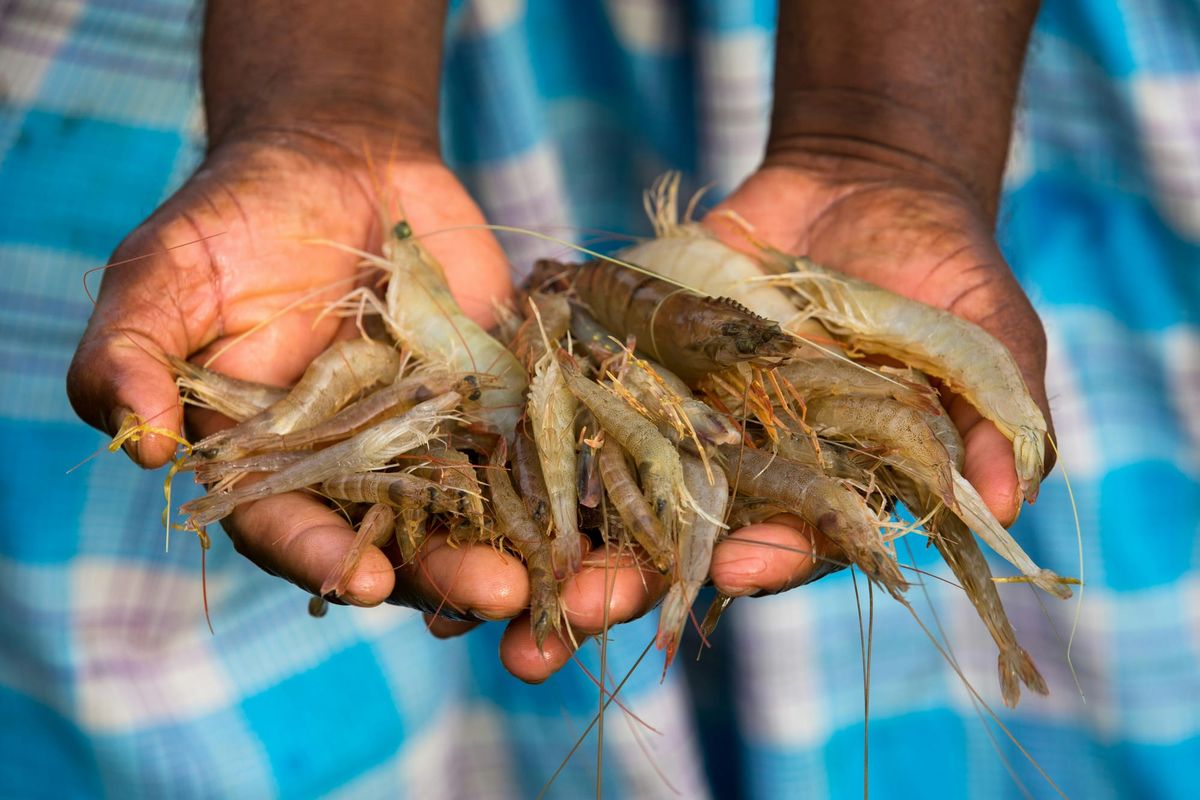
Asia offers insights from biofloc and IMTA hybrids. Vietnamese shrimp operations have scaled zero-exchange biofloc systems, achieving productivity gains of 40 percent+ over conventional ponds while slashing water use. Transferable insights center on microbial management and carbon-source supplementation for cost-effective nutrient recycling.
In the Middle East, pilot IMTA-RAS projects in the UAE and Oman integrate finfish with seaweed and bivalves, leveraging arid conditions and renewable energy. Performance metrics show nutrient recovery rates exceeding 50 percent, though energy optimization remains critical. Failures in early pilots, often tied to inadequate monitoring, underscore the need for robust sensor networks and operator training.
Across cases, success factors include phased commissioning, cross-disciplinary expertise, and adaptive management. Failures typically stem from underestimating biological variability or energy realities. Transferable insights emphasize hybrid designs, stakeholder alignment, and data-driven iteration as prerequisites for commercial viability.
6. Market Dynamics, Investment Landscape, and Policy Enablers
The recirculating aquaculture segment is experiencing robust growth amid broader aquaculture expansion toward USD 400+ billion by 2030. Current RAS market valuations cluster around USD 5–7.5 billion (mid-2020s), with projections reaching USD 13–18 billion by 2035 at CAGRs of 8–10 percent. Drivers include premium species demand, supply-chain localization, and investor appetite for ESG-aligned assets.
Investment activity has intensified, with venture and infrastructure funds targeting technology providers and large-scale operators. Cost trajectories are improving through economies of scale and component standardization, narrowing the premium versus conventional seafood. Competitive positioning favors closed-loop for traceability, consistency, and sustainability credentials, appealing to premium retail and foodservice channels.
Policy enablers are pivotal. Subsidies for renewable integration, carbon credits for verified emission reductions, and certification standards (e.g., ASC or equivalent circularity metrics) can accelerate adoption. Public-private partnerships de-risk early deployments, while trade regulations favoring low-impact imports create market pull. Strategic analysis indicates that aligned policy frameworks; particularly in North America, Europe, and Asia-Pacific; will determine the pace of mainstreaming.
7. Strategic Recommendations for Stakeholders
Stakeholders should prioritize targeted actions to capture value while managing risks.
(a) Aquaculture operators and agribusinesses
- Adopt hybrid RAS-IMTA architectures to balance intensity with nutrient recovery.
- Invest in AI/sensor platforms for predictive operations and FCR optimization.
- Pilot sludge valorization pathways (biogas/fertilizer) to generate secondary revenue.
(b) Investors and financiers
- Focus due diligence on energy-resilient designs and proven biological performance.
- Structure financing with milestone-based tranches tied to operational KPIs.
- Seek blended capital models incorporating impact funds and government guarantees.
(c) Governments and regulators
- Introduce performance-based incentives linking subsidies to recirculation rates and GHG metrics.
- Streamline permitting for land-based facilities while enforcing stringent biosecurity standards.
- Fund demonstration projects and workforce training programs in high-potential regions.
(d) Technology providers
- Accelerate modular, containerized solutions for faster deployment and cost reduction.
- Collaborate on open standards for interoperability of monitoring and treatment systems.
- Prioritize renewable integration and low-energy filtration innovations.
These recommendations form a cohesive framework for coordinated advancement.
John D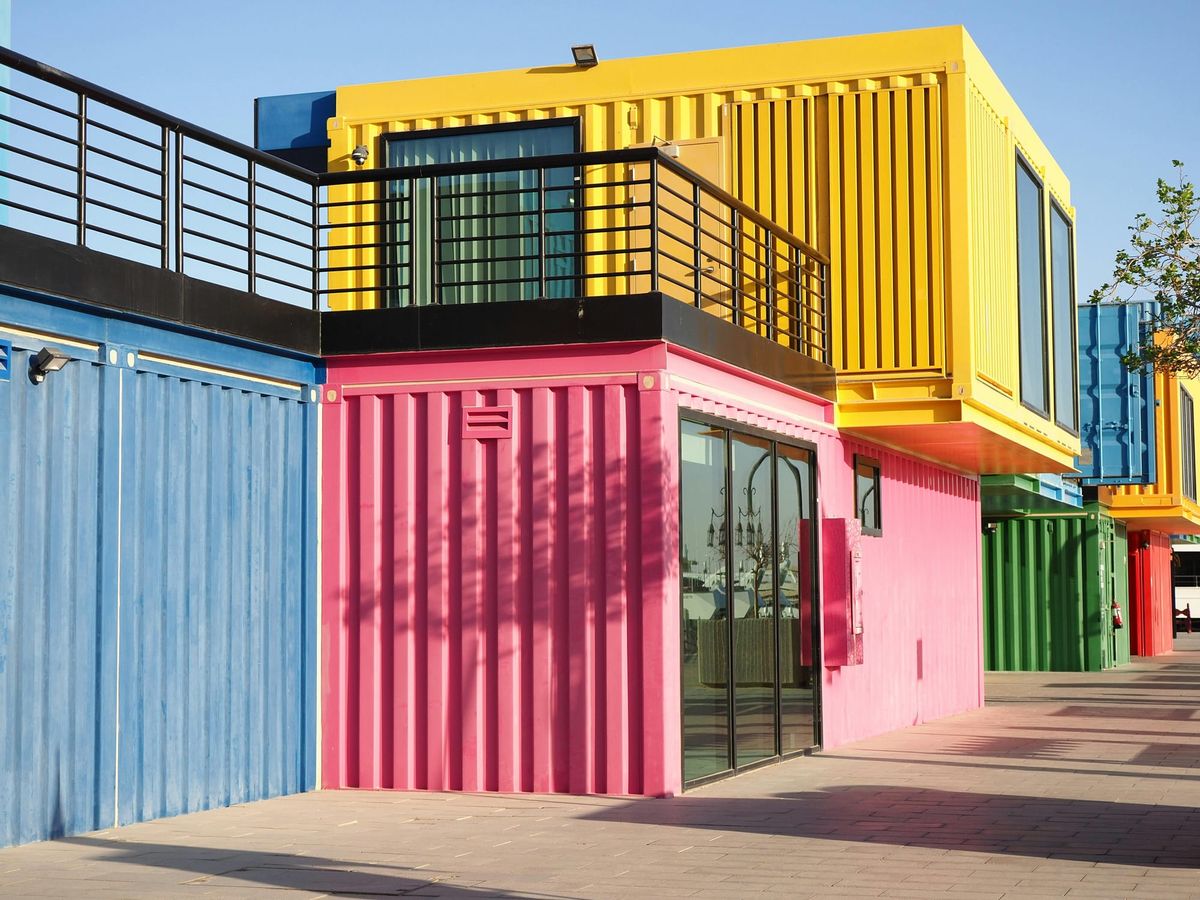
Conclusion
Closed-loop aquaculture embodies the transformative potential of circular principles in one of humanity’s most critical food sectors. By reconciling high productivity with resource efficiency and environmental stewardship, these systems offer a credible pathway toward sustainable seafood in an era of constrained resources and climate uncertainty. Real-world deployments demonstrate technical feasibility, while market trends and policy levers signal accelerating momentum.
The path forward demands collaborative action: operators must innovate relentlessly, investors must back scalable solutions, policymakers must craft enabling frameworks, and technology providers must deliver reliable tools. From a systems perspective, the strategic imperative is clear: integrate closed-loop approaches into national blue-economy strategies, invest in human capital, and measure success not only in tonnes produced but in ecosystems preserved and communities strengthened.
The opportunity is substantial. With disciplined execution, closed-loop aquaculture can help secure resilient protein supplies, protect marine biodiversity, and contribute meaningfully to global sustainability goals. The time for scaled, circular seafood production is now.
Further Reading
- FAO. The State of World Fisheries and Aquaculture 2024.
- UNEP. Circular Economy in Food Systems: Opportunities for Aquaculture.
- World Bank. Blue Economy: Sustainable Use of Marine Resources.
- InsightAce Analytic. Global Recirculating Aquaculture System Market Report (2025–2035).
- MacLeod et al. (FAO-affiliated studies). Greenhouse Gas Emissions from Aquaculture.
Glossary of Terms
- Aquaponics: A food production system that combines aquaculture (raising fish) with hydroponics (growing plants in water). The fish waste provides nutrients for the plants, and the plants naturally filter the water for the fish.
- Biofloc Technology (BFT): A method where fish are raised in water with a high concentration of beneficial microorganisms (a "floc"). These microbes consume the fish waste, converting it into a natural food source for the fish and cleaning the water in the process.
- Biofilter: A key component in RAS containing beneficial bacteria that convert toxic ammonia (from fish waste) into less harmful nitrates, a process called nitrification.
- Circular Economy: An economic model that aims to eliminate waste and the continual use of resources. It involves designing systems where materials are reused, repaired, or recycled, creating a "closed loop."
- Controlled-Environment Agriculture (CEA): A technology-based approach to growing plants or raising animals inside an enclosed structure, like a greenhouse or a building. It allows for precise control over environmental factors like temperature, light, and nutrients.
- Eutrophication: The enrichment of a water body with nutrients (like nitrogen and phosphorus), often from runoff. This excessive nutrient growth leads to algal blooms, oxygen depletion, and the death of aquatic life.
- Extractive Species: Organisms in an IMTA system that don't require feeding. They extract nutrients from the water, helping to clean it. Examples include seaweeds, which absorb dissolved nutrients, and shellfish, which filter particles from the water.
- Fed Species: Organisms in an aquaculture system that require external feed, such as fish or shrimp. Their waste is what provides nutrients for other species in a circular system.
- Feed Conversion Ratio (FCR): A measure of an animal's efficiency in converting feed mass into increased body mass. A lower FCR means the animal requires less feed to gain one kilogram of weight, indicating higher efficiency.
- Flow-Through System: A conventional aquaculture system where water from a natural source (like a river or spring) continuously flows through the fish tanks and is then discharged back into the environment.
- Heterotrophic Bacteria: Microorganisms that obtain their food and energy from organic carbon. In biofloc systems, they are the "workhorses" that consume fish waste and multiply, becoming a source of protein for the fish.
- Integrated Multi-Trophic Aquaculture (IMTA): A sustainable aquaculture practice that combines different species from different levels of the food chain in one system. For example, fed species (fish) are grown alongside extractive species (seaweed, shellfish) that consume their waste, creating a more balanced and efficient ecosystem.
- Mechanical Filtration: The first step in water treatment in RAS, using physical filters (like drum screens) to remove solid waste particles, such as uneaten feed and feces.
- Nitrification: The two-step biological process where ammonia is first converted to nitrite and then to nitrate by beneficial bacteria. This is a critical function of biofilters to keep water safe for fish.
- Open-Net Pen: A common aquaculture system where fish are raised in large net cages placed directly in natural bodies of water like oceans or lakes. Water flows freely through the pens, but waste is released directly into the surrounding environment.
- Recirculating Aquaculture System (RAS): A land-based system for farming fish where water is continuously treated and reused. RAS recycles up to 99% of the water, filtering out waste products and maintaining optimal conditions for the fish.
- Sludge: The semi-solid mixture of organic waste, including uneaten feed and fish feces, that is collected from the bottom of aquaculture systems.
Acronyms
- ASC: Aquaculture Stewardship Council. A leading global certification and labeling program for responsibly farmed seafood.
- BFT: Biofloc Technology.
- CAGR: Compound Annual Growth Rate. A business and investing term that measures the mean annual growth rate of an investment over a specified time period longer than one year.
- CEA: Controlled-Environment Agriculture.
- EBITDA: Earnings Before Interest, Taxes, Depreciation, and Amortization. A measure of a company's overall financial performance.
- ESG: Environmental, Social, and Governance. A set of standards used by investors to evaluate a company's operations and ethical impact.
- FAO: Food and Agriculture Organization of the United Nations.
- FCR: Feed Conversion Ratio.
- GHG: Greenhouse Gas.
- HOG: Head-On Gutted. A standard form of processing and selling fish where the head and internal organs have been removed.
- IMTA: Integrated Multi-Trophic Aquaculture.
- KPI: Key Performance Indicator. A measurable value that demonstrates how effectively a company is achieving key business objectives.
- RAS: Recirculating Aquaculture System.
- UNEP: United Nations Environment Programme.
John D John D
 John D
 John D
 John D
 John D
 John D
 John D