Floating Greenhouses 2026: How Maritime Agriculture Is Solving the Global Food & Water Crisis
Innovative floating greenhouses use solar desalination & aeroponics to grow food, offering a sustainable solution to land and water scarcity.

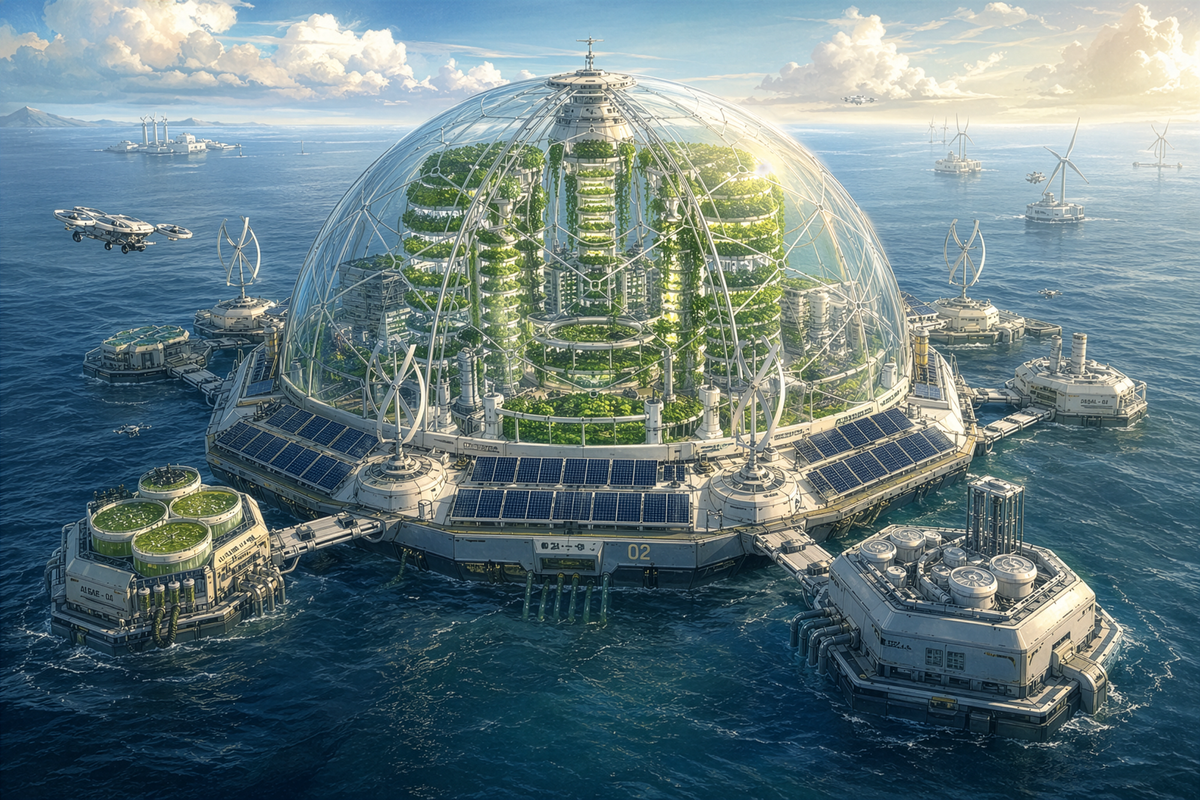
Floating Greenhouses: The Next Frontier of Maritime Technoagriculture
Imagine a sleek, dome-shaped structure gently bobbing on the open sea, its transparent panels gleaming under the sun while rows of vibrant lettuce, tomatoes, and herbs thrive inside. No soil. No sprawling farmland. Just waves, wind, and cutting-edge technology turning vast oceans into productive gardens. This is the promise of the floating greenhouse; a cornerstone of maritime technoagriculture, an emerging field that fuses marine engineering, advanced agritech, renewable energy, and closed-loop systems to grow food sustainably at sea.
As urban sprawl and industrial growth erodes arable land, freshwater supplies dwindle, and global populations surge toward 10 billion by 2050, traditional agriculture faces unprecedented pressure. Maritime technoagriculture offers a radical solution: relocating food production to the 71% of Earth covered by water. Floating greenhouses exemplify this shift, creating self-sufficient, resilient farms that harness the sea without depleting it. In this post, we'll unpack what they are, how they work, real-world examples, benefits, challenges, and why they could redefine global food security.
What Is Maritime Technoagriculture?
Maritime technoagriculture applies sophisticated technology to agriculture in marine or coastal environments. It goes beyond traditional aquaculture (fish farming) by integrating hydroponics, aquaponics, desalination, renewable energy, and smart automation on floating platforms, offshore rigs, or hybrid sea structures.
Think of it as "blue tech farming." It leverages abundant ocean resources; seawater for cooling or nutrients, waves and wind for power; while minimizing land use, transport emissions, and environmental strain. Key enablers include:
- Precision environmental control: Sensors and AI maintain optimal temperature, humidity, and CO₂ levels.
- Resource recycling: Closed-loop water and nutrient systems.
- Modular, scalable designs: Platforms that can cluster into floating farms or integrate with offshore wind turbines.
Floating greenhouses sit at the heart of this movement. They're not just greenhouses on boats; they're engineered ecosystems designed for harsh ocean conditions.
Anatomy of a Floating Greenhouse
A floating greenhouse is a controlled-environment agriculture (CEA) facility mounted on a buoyant platform. The structure typically features a lightweight, durable frame; often wood, composites, or carbon fiber, supporting translucent panels (glass, polycarbonate, or ETFE) that maximize sunlight while protecting crops from salt spray and wind.
Inside, plants grow without soil via hydroponics (nutrient-rich water solutions) or aeroponics (mist-based systems). Some designs experiment with salt-tolerant crops or "moisture culture," where special fibers mimic soil under precise humidity to use seawater directly as a nutrient source.
Water comes from the sea itself through desalination. Common methods include:
- Solar stills or evaporators that use sunlight to vaporize seawater, then condense pure freshwater.
- Reverse osmosis powered by solar photovoltaic or wave energy.
- Innovative vertical chambers where evaporators sit below the growing area, recycling vapor efficiently.
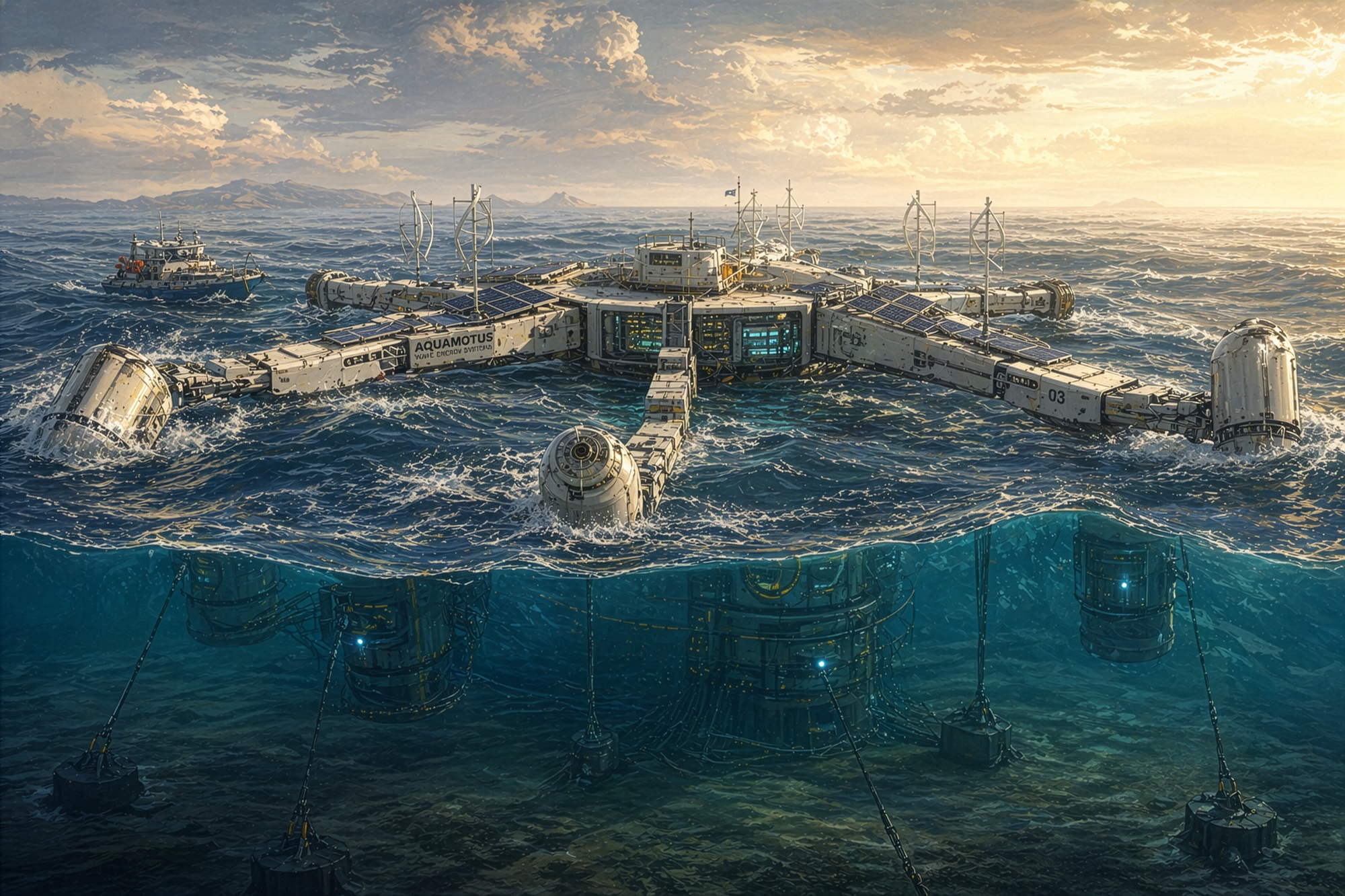
Energy is 100% renewable: rooftop solar panels, small wind turbines, or even wave converters. Excess power can feed nearby coastal grids or support aquaculture below the platform.
Stability is critical. Platforms float on recycled plastic drums, pontoons, or advanced hulls engineered to withstand waves and 100 km/h winds. Many incorporate seawater for passive cooling via heat exchangers, maintaining ideal growing conditions (20–30°C, 60–90% humidity) year-round; even in Arctic or tropical extremes.
Real-World Innovations Leading the Way
Several pioneering projects demonstrate the concept in action.
Italy's Jellyfish Barge
Developed by Studiomobile/PNAT around 2014-2015, the Jellyfish Barge is a modular, octagonal floating greenhouse about 7.5 x 7.5 meters. It rests on 96 repurposed plastic drums and uses a larch-wood frame. Seven solar-powered desalination units produce up to 150 liters of fresh water daily from seawater or rainwater. Crops grow hydroponically inside, with the system using 70% less water than soil-based farming. It's low-cost, remotely controllable, and scalable, perfect for coastal communities facing land scarcity.
 Connor Walker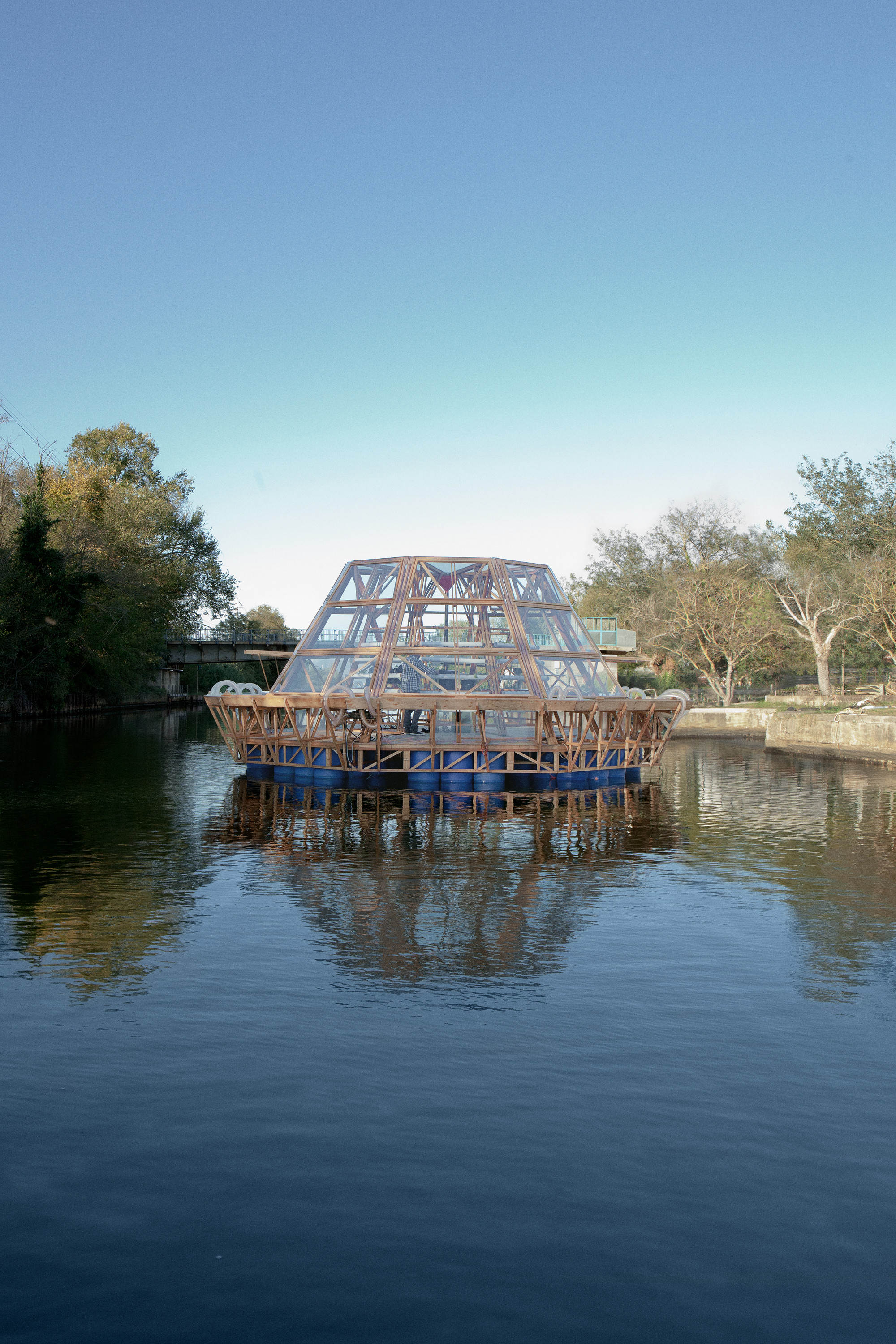
Japan's N-ARK "Green Ocean" Marine Farm
Conceptualized in 2021 with agritech partner Cultivera, this salt-resistant approach is built from thinned wood and carbon joints. The angular-roofed floating greenhouse collects rainwater to mix with seawater as fertilizer. It employs moisture-culture tech with 5mm fibers that recreate soil-like conditions using just one-tenth the water of conventional methods. An underwater algae layer boosts marine biodiversity, creating a symbiotic ecosystem. Prototypes were targeted for 2022 deployment, highlighting how floating farms can combat sea-level rise while producing high-quality vegetables.


Australian Vertical Floating Sea Farms
Researchers at the University of South Australia have prototyped vertical floating sea farms. These two-chamber systems feature an upper glasshouse for crops (broccoli, lettuce, pak choi) and a lower solar evaporator chamber. Sunlight drives evaporation of seawater; vapor condenses into freshwater meeting WHO drinking standards. Fully automated and solar-driven (no extra photovoltaic needed for desalination), the design maximizes vertical space and prevents overheating. It promises massive scalability for addressing freshwater shortages affecting billions by mid-century.

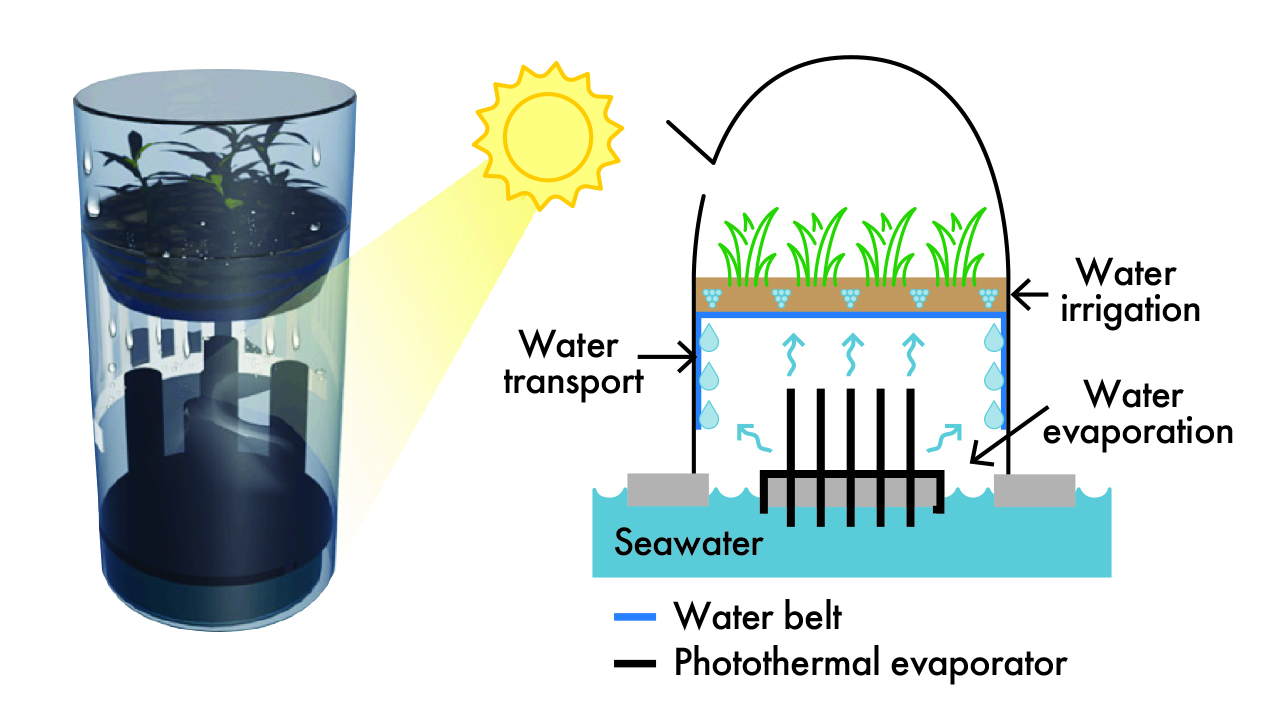
Scientific studies, such as a 2023 paper in Energy Conversion and Management, propose even more advanced decentralized offshore units: solar-photovoltaic-powered greenhouses with seawater heat exchangers for precise climate control, enabling continuous vegetable production with zero external water or energy inputs.
Why Floating Greenhouses Matter: Benefits for a Thirsty Planet
These systems deliver transformative advantages:
- Land and water efficiency: They free up terrestrial farmland and use 90%+ less freshwater through recycling and desalination.
- Climate resilience: Protected from droughts, floods, and soil salinization, they produce year-round in any coastal climate.
- Sustainability: Reduced food miles cut emissions; integrated algae or aquaculture creates biodiversity hotspots; renewable power minimizes fossil fuel dependence.
- Food security: Ideal for megacities near water, they can supply fresh produce locally and scale into "blue food hubs."
In a world losing arable land to urbanization and degradation, maritime technoagriculture turns oceans from barriers into breadbaskets.
Challenges and the Path Forward
Of course, hurdles remain. Engineering platforms to survive storms, biofouling (marine growth on hulls), and corrosion requires ongoing innovation. Initial costs are high, though modular designs and falling renewable prices help. Regulatory frameworks for ocean use, permitting, and environmental impact assessments lag behind the technology. Maintenance in remote offshore settings demands robust automation and skilled crews.
Yet progress is rapid. Integration with offshore wind farms, AI-driven monitoring, and hybrid aquaponic systems could lower costs and boost yields. Governments and investors in the "blue economy" are taking notice, with pilots expanding in Europe, Asia, and Australia.
A Floating Future
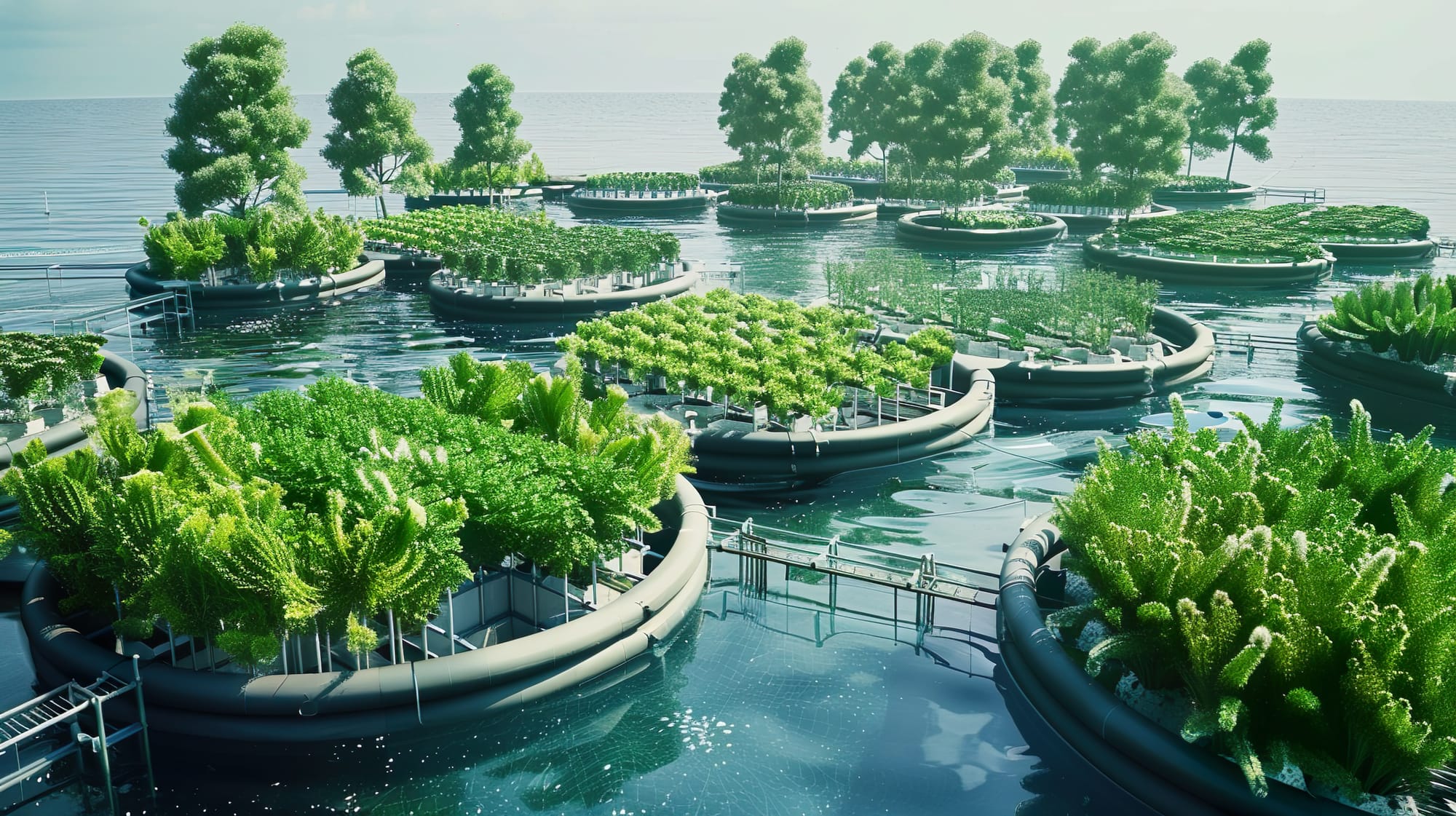
Floating greenhouses are more than novel gadgets. They represent a paradigm shift in how humanity feeds itself. By marrying the ocean's vastness with human ingenuity, maritime technoagriculture offers a hopeful blueprint for sustainable abundance. As prototypes prove their worth, we may soon see fleets of these ocean arks dotting coastlines, producing clean food, freshwater, and even energy while healing marine ecosystems.
The waves are calling. The question is: will we answer with innovation that honors our planet's greatest resource?
Citations
Energy Conversion and Management Volume 291 (https://www.sciencedirect.com/journal/energy-conversion-and-management/vol/291/suppl/C)
An interfacial solar evaporation enabled autonomous double-layered vertical floating solar sea farm (https://ui.adsabs.harvard.edu/abs/2023ChEnJ.47345452W/abstract)
John D John D
 John D
 John D
 John D
 John D