Container Farms Transformed: Modular Technoagriculture for Global Food Security
Shipping containers transformed into self-contained farms produce diverse food and protein with 95% less water, anywhere in the world.

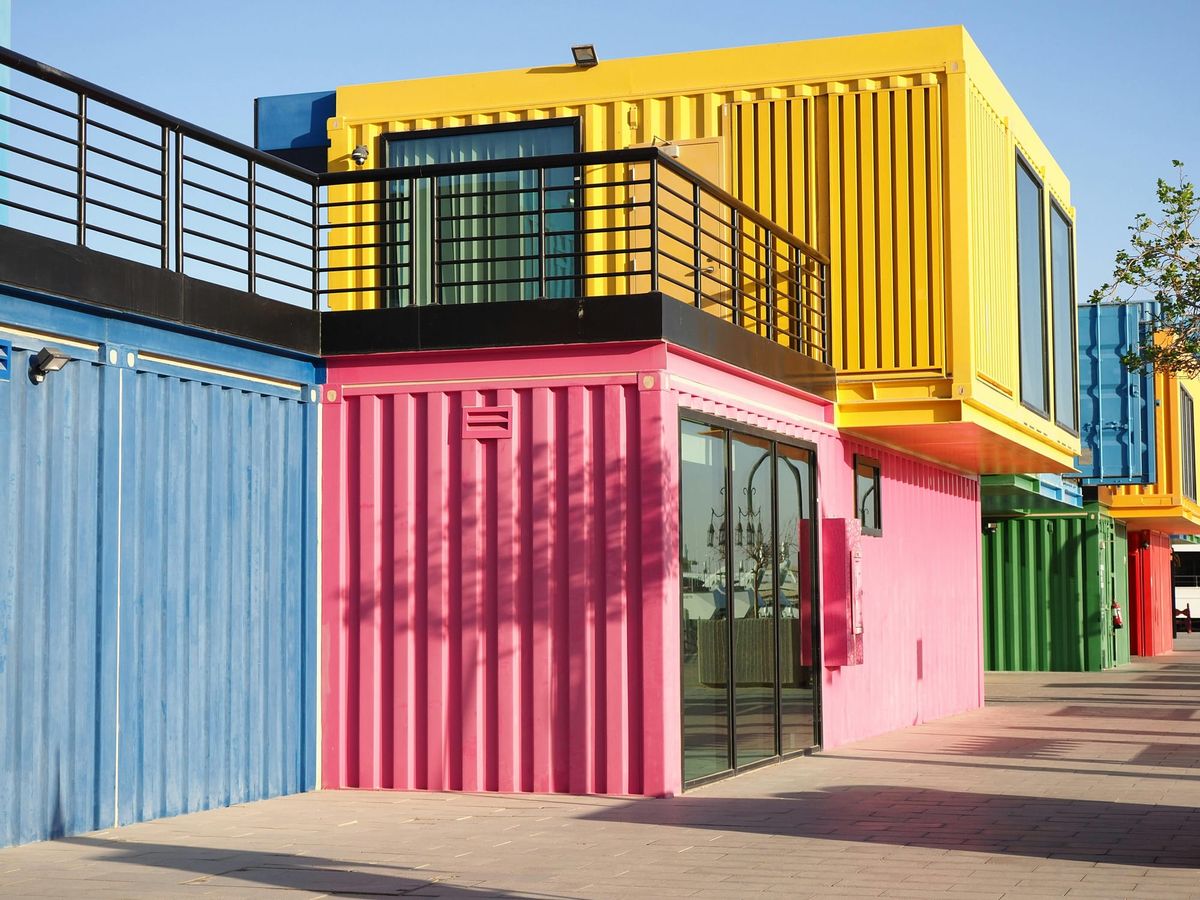
Modular Technoagriculture: A Scalable, Containerized Farm System Using 20 ft High-Cube Shipping Containers for Year-Round, Climate-Resilient, Multi-Output Food and Protein Production
Executive Summary & Vision
The Modular Technoagriculture system represents a transformative approach to controlled environment agriculture (CEA) by repurposing standard 20 ft high-cube ISO shipping containers into self-contained, plug-and-play production units for year-round food and protein security.
Each container, with external dimensions of 6.058 m × 2.438 m × 2.896 m, provides approximately 28.3 m³ of internal volume and 14.0 m² of floor area, enabling multi-tier vertical cultivation that achieves yields 10–20 times higher than traditional field agriculture per unit footprint (Touliatos et al., 2016).
By integrating hydro/aeroponics, edible insect rearing, aquaponics, and renewable energy microgrids, the system delivers diverse outputs; including leafy greens, microgreens, herbs, strawberries, mushrooms, algae, tilapia, and high-quality insect protein, while operating off-grid in extreme climates ranging from –40 °C to +50 °C.
Structural reinforcements, R-30 insulation, and seismic/hurricane-rated docking mechanisms ensure resilience against Category 4 events, rendering the design deployable on urban rooftops, deserts, Arctic outposts, or post-disaster zones.
This technoagriculture paradigm aligns directly with the United Nations Sustainable Development Goals (SDGs), particularly SDG 2 (Zero Hunger), SDG 12 (Responsible Consumption and Production), and SDG 13 (Climate Action). By closing nutrient and water loops through insect-mediated waste conversion and achieving >95% water recycling efficiency, the system minimizes resource inputs and externalities.
Projected global impact by 2040 includes deployment of 100-container clusters capable of feeding 10,000 people annually with balanced nutrition from plants and insect-derived protein, addressing protein security amid rising demand and climate volatility.
Microgreens, with 7–14 day cycles yielding 200–400 g/m²/day fresh biomass, and crickets/black soldier flies (BSF) converting farm waste at feed conversion ratios (FCR) of 1.7–2.2 into 40–60% protein biomass, provide rapid-response nutrition in vulnerable regions (Oonincx et al., 2015; Moruzzo et al., 2021).
Real-world precedents, such as Freight Farms container systems and NASA-inspired CEA modules, validate the feasibility of scalable, modular production that reduces carbon footprints to <0.1 kg CO₂-eq/kg of output while fostering circular economies. Ultimately, Modular Technoagriculture offers a resilient blueprint for sustainable food systems, democratizing access to fresh, nutrient-dense produce and protein worldwide.
 The Future of Hospital Nutrition: How Container Farming Powers the Food as Medicine Revolution
https://www.thepacker.com/news/industry/challenge-and-opportunity-container-farming
Container Specifications & Physical Architecture
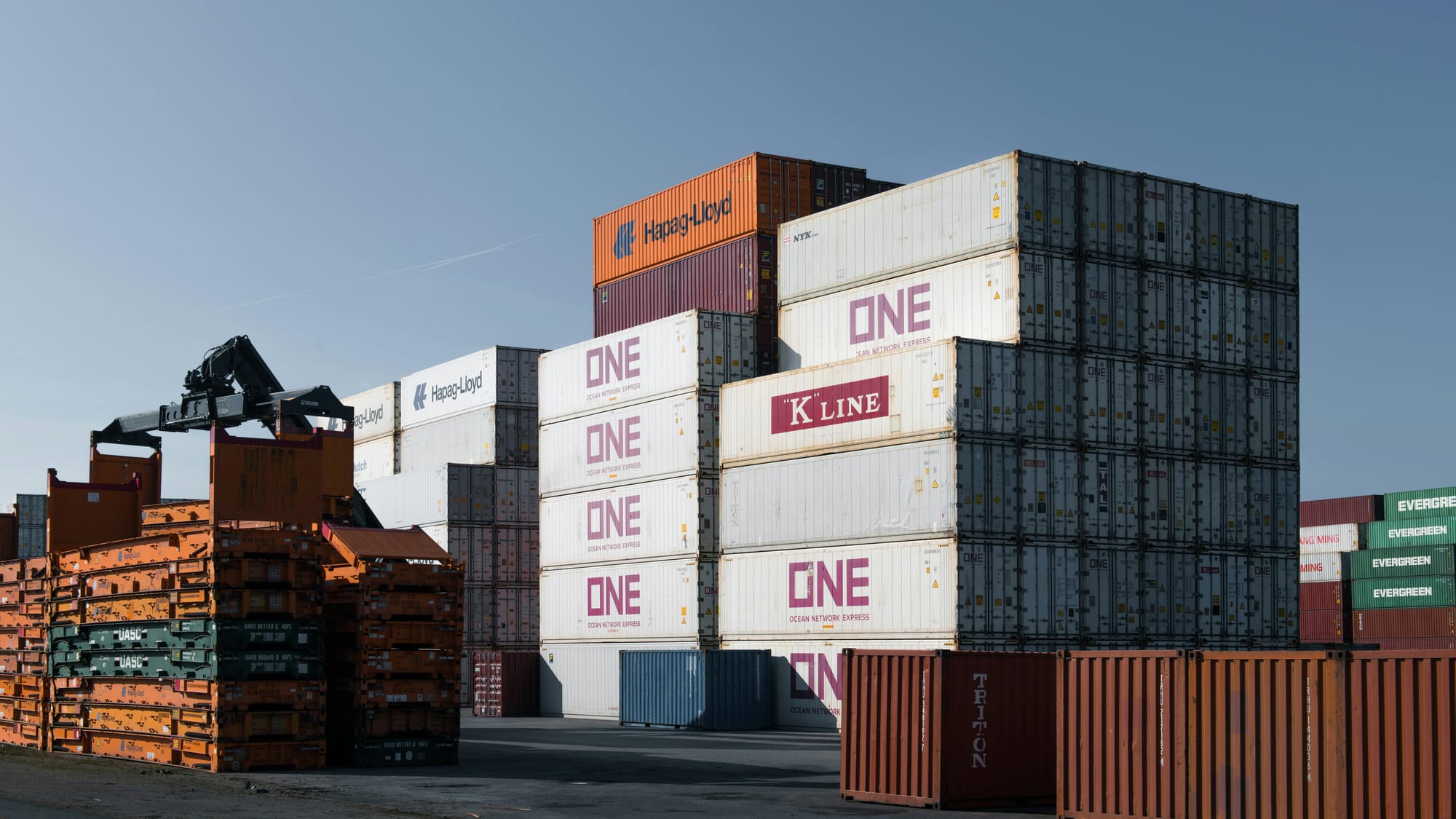
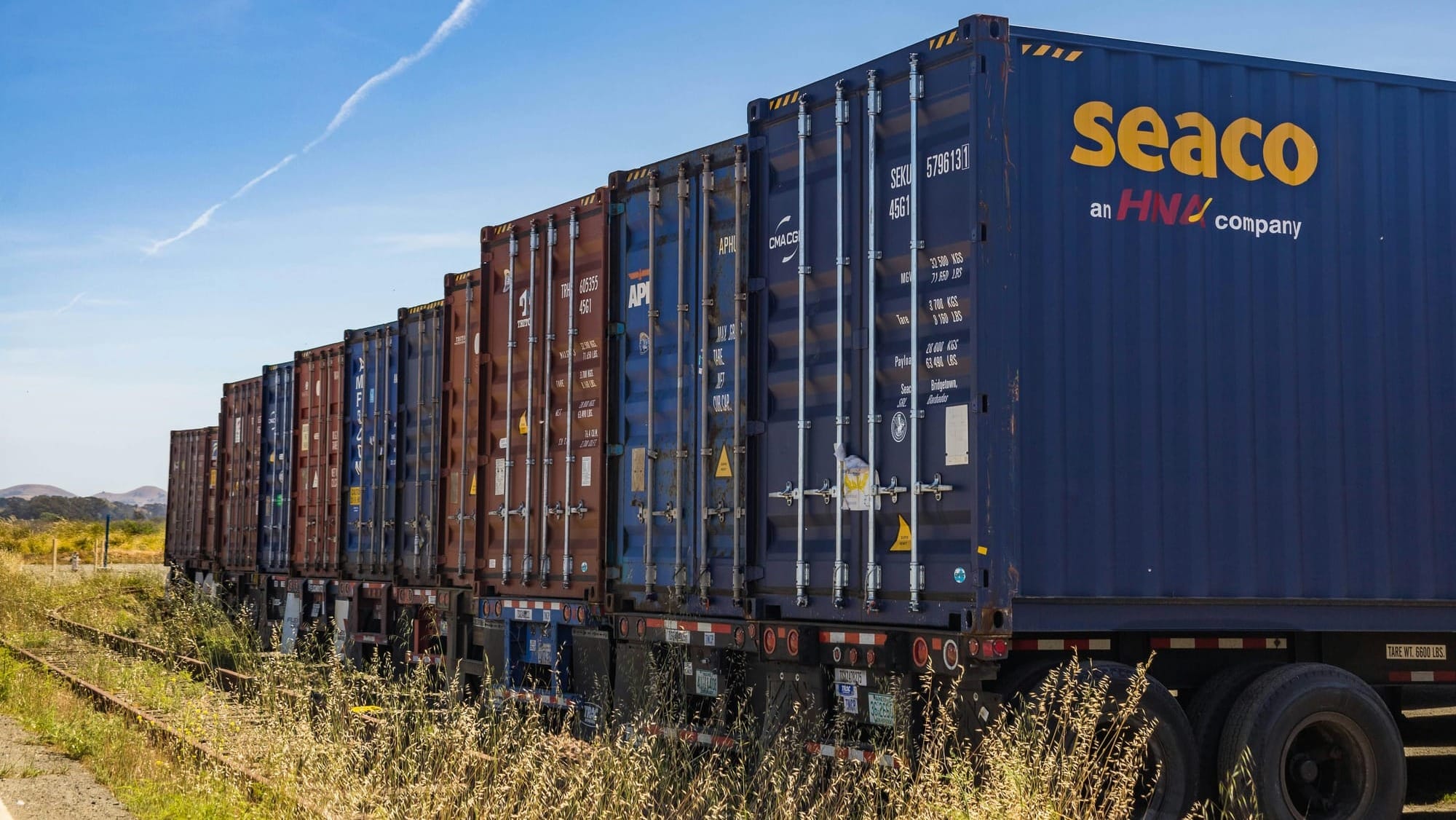
Standard 20 ft high-cube shipping containers serve as the foundational modular unit, selected for their global availability, ISO standardization, and inherent structural integrity. Retrofitting begins with procurement of Corten steel units (new or used, ~$2,000–$5,000 each), followed by interior cleaning, pressure washing, and application of food-grade epoxy coatings to eliminate contaminants. Structural reinforcement involves welding additional steel bracing to sidewalls and roof for vertical stacking up to four high and lateral wind loads exceeding 200 km/h, achieving Category 4 hurricane and seismic Zone 4 compliance per IBC standards.
Insulation comprises closed-cell spray foam (R-30 minimum) combined with reflective vapor barriers and radiant barriers to maintain internal temperatures with minimal energy input, while preventing condensation in humid or sub-zero external conditions. Utility corridors along the container length facilitate plug-and-play interconnections via standardized quick-connect ports for power, water, data, and HVAC, enabling side-to-side and vertical docking without custom fabrication.
The physical architecture emphasizes segregated climate zones to optimize symbiotic interactions. A typical 4 × 3 container grid forms a compact 12-unit micro-farm footprint of ~150 m², expandable to 100+ units. Interconnecting walkways (1.2 m wide) and utility corridors integrate HVAC, electrical, and nutrient lines, with segregated zones for plant growth (high PAR lighting), insect rearing (controlled humidity/ammonia), and aquaponics (stable water temperature).
Docking mechanisms employ ISO corner castings augmented with hydraulic leveling jacks and weatherproof gaskets for rapid assembly in under 48 hours per cluster. This design supports off-grid operation via integrated solar PV arrays (roof-mounted, 10–15 kW per container), wind turbines, and battery storage, with optional biogas digesters from insect frass. The architecture’s modularity allows phased scaling from a 5-container “micro-farm” (one each of grow pod, microgreens, insect, nursery, and energy hub) to commercial networks, ensuring logistical simplicity in remote or urban deployments (Wagner, 2021).
4x3 Container Grid Layout (Top View - ASCII Schematic)
+-------------------+-------------------+-------------------+
| Plant Grow Pod    | Microgreens       | Insect Rearing    |
| (12-18 tiers)     | Chamber           | Unit (8-10 trays) |
+-------------------+-------------------+-------------------+
| Nursery/Prop.     | Aquaponic Fish    | Mushroom/Algae    |
|                   | Tanks             | Bioreactors       |
+-------------------+-------------------+-------------------+
| Harvest/Proc.     | Energy Hub        | Water/Nutrient    |
|                   | (Solar/Wind/Batt) | Hub               |
+-------------------+-------------------+-------------------+
Walkways (1.2m) and Utility Corridors run between rows; climate zones isolated via insulated partitions.
Vertical stacking (up to 4 high) with reinforced corner castings and seismic dampers.
Production Modules
Specialized container types create a true multi-output closed-loop system.
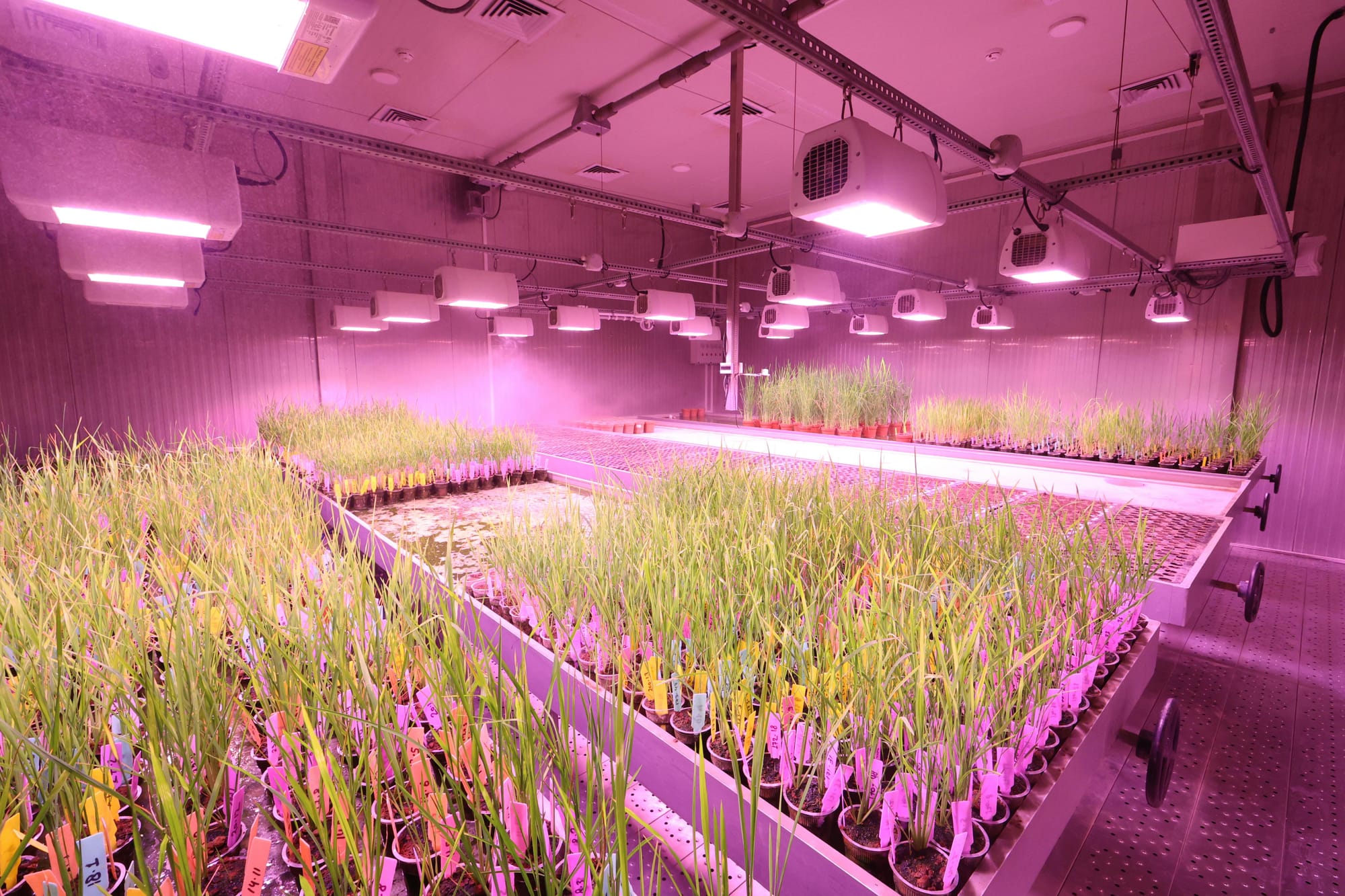
Grow Pods utilize 12–18 tier vertical hydro/aeroponic racks (NFT for leafy greens/herbs; aeroponics for strawberries) under spectrally tuned LEDs (16–18 h photoperiod, PPFD 200–400 µmol/m²/s), yielding 25–40 kg/m²/year of produce with energy inputs of 4–8 kWh/kg.
Microgreens Chambers employ high-density trays (150–300 g seeds/m²) on automated conveyor or robotic seeding/harvesting systems, achieving 200–400 g/m²/day fresh weight over 7–14 day cycles - equivalent to 70–140 kg/m²/year - far surpassing field agriculture (Uher et al., 2023).
Insect Rearing Units optimize for crickets (Acheta domesticus) and BSF (Hermetia illucens) in stacked trays (8–10 levels), with automated feeding from plant waste, climate control (28–32 °C, 60–70% RH), and frass harvesting. These yield 50–80 kg protein/container/year at FCR 1.7–2.2, converting 1 kg waste into 0.4–0.5 kg biomass while generating fertilizer and CO₂ for plant enrichment (Oonincx et al., 2015).
Nursery/Propagation containers maintain climate-optimized seedling trays, Harvest/Processing units integrate robotic arms and computer vision for washing/packaging, and Mushroom & Algae Bioreactors utilize substrate or photobioreactors for oyster mushrooms (10–15 kg/m²/cycle) and spirulina (up to 20 g/m²/day).
Aquaponic Fish Tanks rear tilapia in recirculating systems, with fish effluent nourishing plants and insect frass supplementing feed. Symbiotic integration is central: insect respiration elevates CO₂ levels (800–1,200 ppm), frass provides NPK-rich fertilizer (sterilized and reused 5+ years), and waste streams feed BSF larvae, closing loops with >95% efficiency.
Lighting schedules employ AI-tuned spectra (red:blue ratios 4:1 for vegetative growth), while Nutrient Film Technique versus aeroponics trade-offs favor the former for leafy greens (lower energy, uniform wetting) and the latter for root crops (90% water savings, reduced disease). This multi-output configuration maximizes resource utilization and economic resilience through diversified revenue streams (Liebman-Pelaez, 2021).
T Wiseman
Environmental Control & IoT/AI Systems
Precision environmental control relies on dense sensor arrays monitoring temperature (±0.5 °C), relative humidity (±2%), EC/pH (±0.1), PAR (photosynthetically active radiation), NDVI cameras for plant health, and ammonia/CO₂ levels in insect modules. Edge-AI decision engines, powered by machine-learning models (e.g., convolutional neural networks for pest/disease detection via computer vision), optimize predictive yield across modules using real-time data fusion. Automated HVAC systems with heat recovery ventilators, ultrasonic foggers, and CO₂ enrichment maintain setpoints, while robotic arms and blockchain-enabled traceability ensure food safety and supply chain transparency.
The unified data-flow architecture integrates sensors → edge gateways → cloud/edge-AI analytics → actuators, with redundant failover for off-grid reliability.
IoT/Sensor Architecture Schematic (ASCII)
[ Sensors (T, RH, EC/pH, PAR, NDVI, NH3/CO2) ]
          |
[ Edge Gateways (LoRa/Zigbee) ] --> [ AI Decision Engine (ML models for yield optimization) ]
          |                                 |
[ Actuators (HVAC, LEDs, Robots, Foggers) ] <-- [ Blockchain Traceability & Alerts ]
Central Command Container oversees all; predictive algorithms adjust parameters in <1s.
This architecture draws from validated CEA models, achieving sub-1% deviation in environmental stability (Miserocchi et al., 2025).
Resource Loops & Sustainability Metrics
Closed-loop resource management underpins sustainability. Water recycling exceeds 95% via reverse osmosis, UV sterilization, and condensate recapture, with aquaponic and insect systems contributing nutrient-rich effluent. Energy balance per container averages 80–120 kWh/day (primarily LEDs and HVAC), offset by 10–15 kW renewables plus biogas from frass, yielding net-positive potential in sunny locales. Nutrient recovery from insect waste achieves 80–90% N/P/K cycling, reducing external inputs to near-zero. Carbon footprint remains <0.1 kg CO₂-eq/kg produce/protein through renewable integration and avoided transport emissions. Quantitative comparisons reveal microgreens/insect outputs surpass traditional agriculture: e.g., 100-fold land efficiency and 90–98% water savings (Touliatos et al., 2016; Wagner, 2021).
Efficiency ratios are modeled as:
[ \text{Protein yield (kg/container/year)} = f(\text{FCR}, T, RH) \times \text{waste input} \times \text{conversion efficiency} ]
where optimal FCR ≈ 2.0 at 30 °C and 65% RH maximizes output (Oonincx et al., 2015). Biodiversity benefits arise from localized production minimizing habitat disruption.
Economic Feasibility & Implementation Roadmap
Capital costs per retrofitted container range $18,000–$25,000 (including fit-out), with operating expenses of $2,000–$4,000/year dominated by energy (offset by microgrids). Break-even occurs in 18–24 months at $5–$8/kg produce/protein pricing, supported by premium local markets. Phased rollout begins with Phase 1 prototypes (microgreens + insects, 5 containers), scaling to Phase 5 (1,000-container networks) via open-source blueprints. Regulatory considerations include compliance with building codes, FDA food safety (HACCP for insects), and novel protein approvals (e.g., EU/FAO standards).
Challenges, Risks & Mitigation Strategies
Supply-chain vulnerabilities for components are mitigated through localized manufacturing and modular spares. Cybersecurity employs encrypted edge computing; extreme weather adaptations leverage reinforced structures. Biological risks in multi-species systems are addressed via segregated zones, AI monitoring, and sterilization protocols.
Conclusion & Future Research Directions
A 100-container cluster scales to feed 10,000 people with diverse nutrition from plants, microgreens, and insect protein, demonstrating technoagriculture’s potential for global food security. Future research should prioritize AI-driven genetic optimization and open-source dissemination for widespread adoption.
John D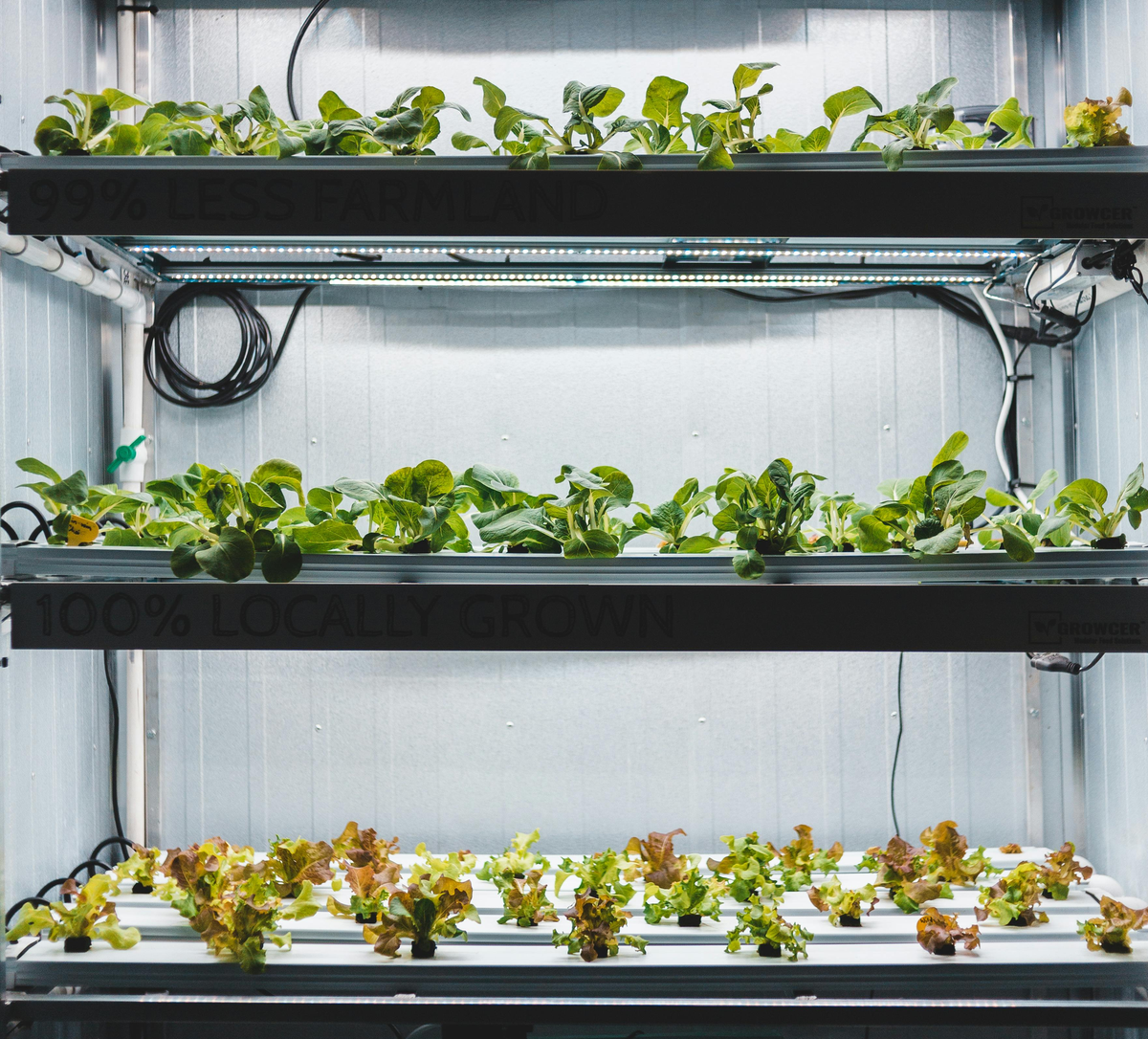
References
Liebman-Pelaez, M. (2021). Validation of a building energy model of a hydroponic container farm. Energy and Buildings, 252, Article 111476.
Touliatos, D., et al. (2016). Vertical farming increases lettuce yield per unit area compared to conventional horizontal hydroponic growth systems. Scientific Reports, 6, Article 35407.
Wagner, N. C. (2021). Identifying the influential factors, benefits and challenges of hydroponic shipping container farm businesses. Renewable Agriculture and Food Systems, 36(4), 1–12.
Oonincx, D. G. A. B., et al. (2015). Feed conversion, survival and development, and composition of four insect species on diets composed of food by-products. PLoS ONE, 10(12), Article e0144601.
Moruzzo, R., et al. (2021). Edible insects and sustainable development goals. Insects, 12(6), 557.
Uher, S. F., et al. (2023). Alfalfa, cabbage, beet and fennel microgreens in floating hydroponics with perlite substrate. Plants, 12(10), 2098.
Miserocchi, L., et al. (2025). Benchmarking energy efficiency in vertical farming. Sustainable Production and Consumption. (Advance online publication).
Additional references: Freight Farms case studies (2015–2024); FAO insect protein reports (2022); various CEA benchmarking studies (2023–2025).
Further Citations
Validation of a building energy model of a hydroponic container farm and its application in urban design https://www.sciencedirect.com/science/article/abs/pii/S037877882100476X
*Correspondence: sopa.cmsu.ac.th
 Dana Shugrue
A FEASIBILITY STUDY OF HYDROPONIC SHIPPING CONTAINER FARMS IN BUSINESSES AND SCHOOLS: IDENTIFYING THE INFLUENTIAL FACTORS, BENEFITS, AND CHALLENGES
No affiliation: distribution of the thesis is provided for educational purposes only. Credit to Marcella Juarez for writing the feasibility study of hydroponic shipping container farms.
Controlled Environment Agriculture for Sustainable Farming https://www.mdpi.com/journal/sustainability/special_issues/03Z6XK00R1
Trends, Insights, and Future Prospects for Production in Controlled Environment Agriculture and Agrivoltaics Systems
Dohlman, E., Maguire, K., Davis, W., Husby, M., Bovay, J., Weber, C., & Lee, Y. (2023). Trends, insights, and future prospects for production in controlled environment agriculture and agrivoltaics systems (Report No. EIB-264). U.S. Department of Agriculture, Economic Research Service.
Deep Learning in Controlled Environment Agriculture: A Review of Recent Advancements, Challenges and Prospects (https://pmc.ncbi.nlm.nih.gov/articles/PMC9612366/)
This article is an open access article distributed under the terms and conditions of the Creative Commons Attribution (CC BY) license.
 Elaine Watson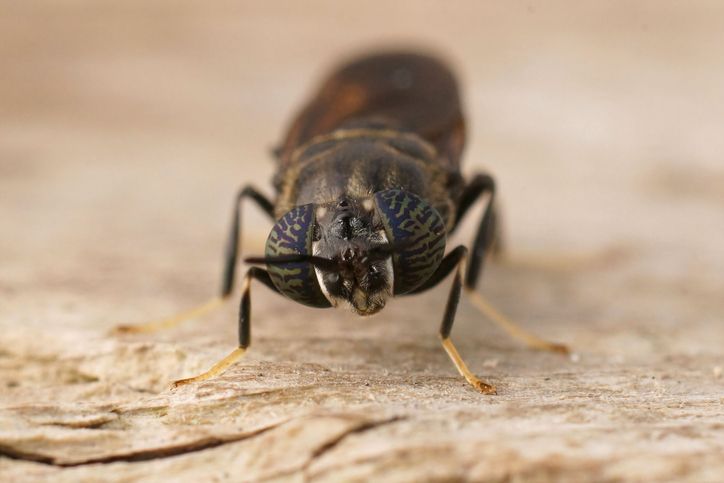
Microgreens Production: Exploiting Environmental and Cultural Factors for Enhanced Agronomical Benefits (https://pmc.ncbi.nlm.nih.gov/articles/PMC11435253/)
This article is an open access article distributed under the terms and conditions of the Creative Commons Attribution (CC BY) license.
Edible Insects and Sustainable Development Goals (https://pmc.ncbi.nlm.nih.gov/articles/PMC8232599/)
This article is an open access article distributed under the terms and conditions of the Creative Commons Attribution (CC BY) license.
Black Soldier Fly Larvae as a Novel Protein Feed Resource Promoting Circular Economy in Agriculture (https://www.mdpi.com/2075-4450/16/8/830)
Vertical Hydroponic Container Farming: A Sustainable Solution (https://growcycle.com/learn/vertical-hydroponic-container-farming-a-sustainable-solution)