Oceanic Food Security: How Farmship Fleets Could End Naval Blockade Vulnerabilities and Global Food Crises
Self-sufficient "farmships" with aeroponics & desalination create mobile food oases, ending naval fleet dependence on vulnerable supply chains.

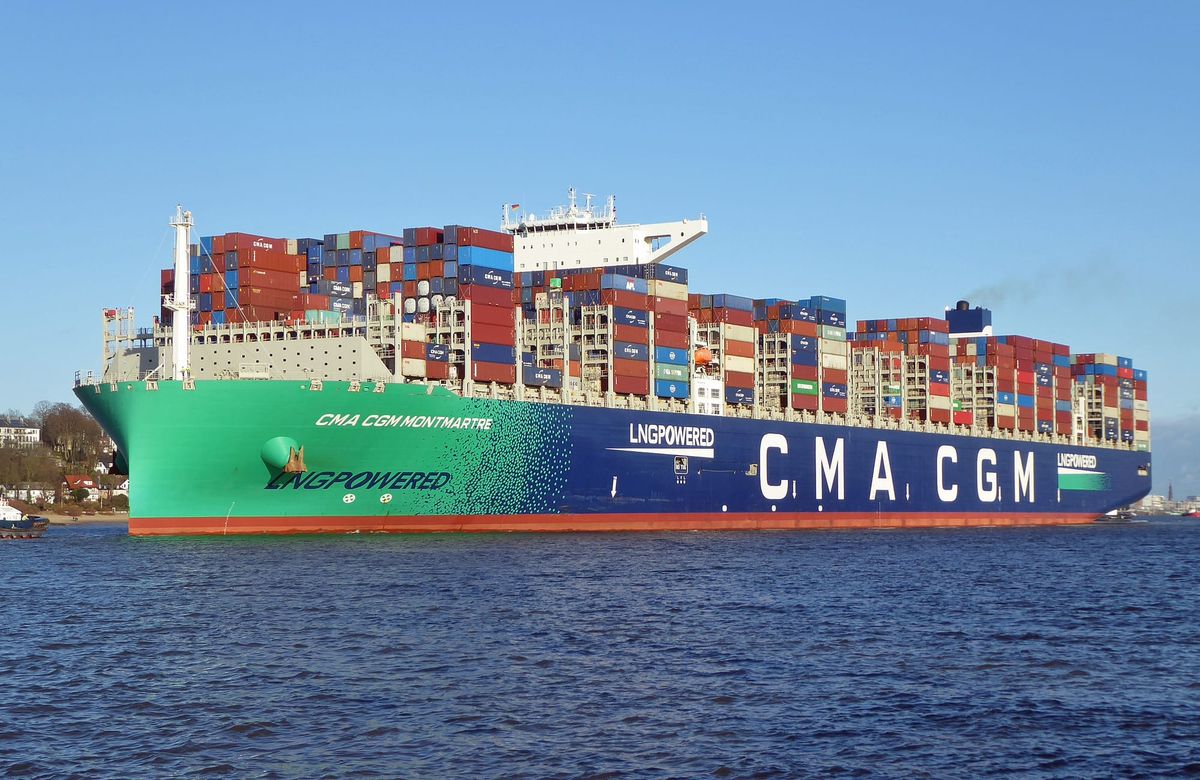
How Maritime Farms Sustain Critical Vessels with Fresh Food and Water
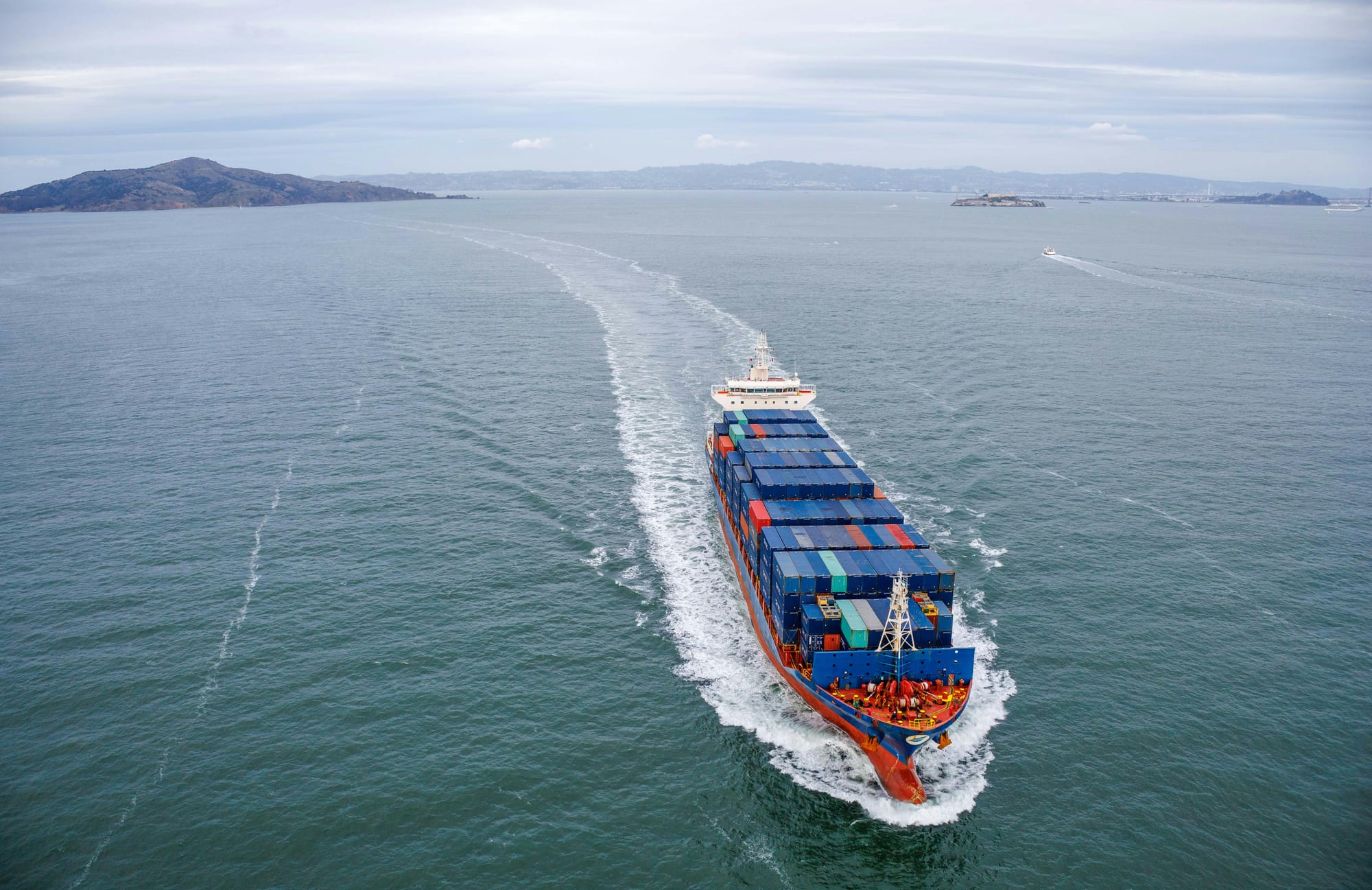
At sea, resupply is life. Naval task forces, commercial fleets, research vessels, and disaster-response ships depend on periodic rendezvous for fuel, munitions, and provisions. Traditional replenishment-at-sea (RAS) delivers dry stores and frozen goods, but fresh produce and water remain logistical pain points; especially on extended deployments or in contested waters. Enter the technoagriculture cargo ship: a dedicated "farm vessel" equipped with hydroponics, aeroponics, desalination, and kelp aquaculture. These platforms act as mobile oases, rendezvousing with critical vessels to transfer hyper-fresh greens, herbs, vegetables, shellfish, kelp-based snacks, and excess desalinated water. One large ship could sustain dozens of support vessels indefinitely, drastically extending operational endurance.
The Strategic Imperative for Maritime Food Production
The global maritime industry faces unprecedented challenges in sustaining operations far from shore. For naval vessels, the strategic vulnerability of port dependence has become increasingly apparent in geopolitical hotspots where access to friendly ports cannot be guaranteed. A carrier strike group operating in the South China Sea or the Persian Gulf requires a constant supply chain that stretches across thousands of nautical miles, creating potential chokepoints that adversaries could exploit.
Commercial shipping faces similar challenges, though of a different nature. The COVID-19 pandemic exposed the fragility of global supply chains, with port closures and crew change crises disrupting operations worldwide. For vessels on long-haul routes, such as the Asia-Europe trade that can take 4-6 weeks round trip, the nutritional quality of provisions declines steadily after departure from port. Fresh produce is typically exhausted within the first 7-10 days, leaving crews to rely on canned and frozen alternatives with diminished vitamin content and palatability.
Research vessels and expeditionary teams operating in remote regions like the Arctic or Antarctic face perhaps the most acute challenges. These vessels may operate for months without seeing a port, making resupply both expensive and infrequent. The nutritional and psychological benefits of fresh food are particularly important for crews working in isolated, high-stress environments where morale is a critical operational factor.
 John D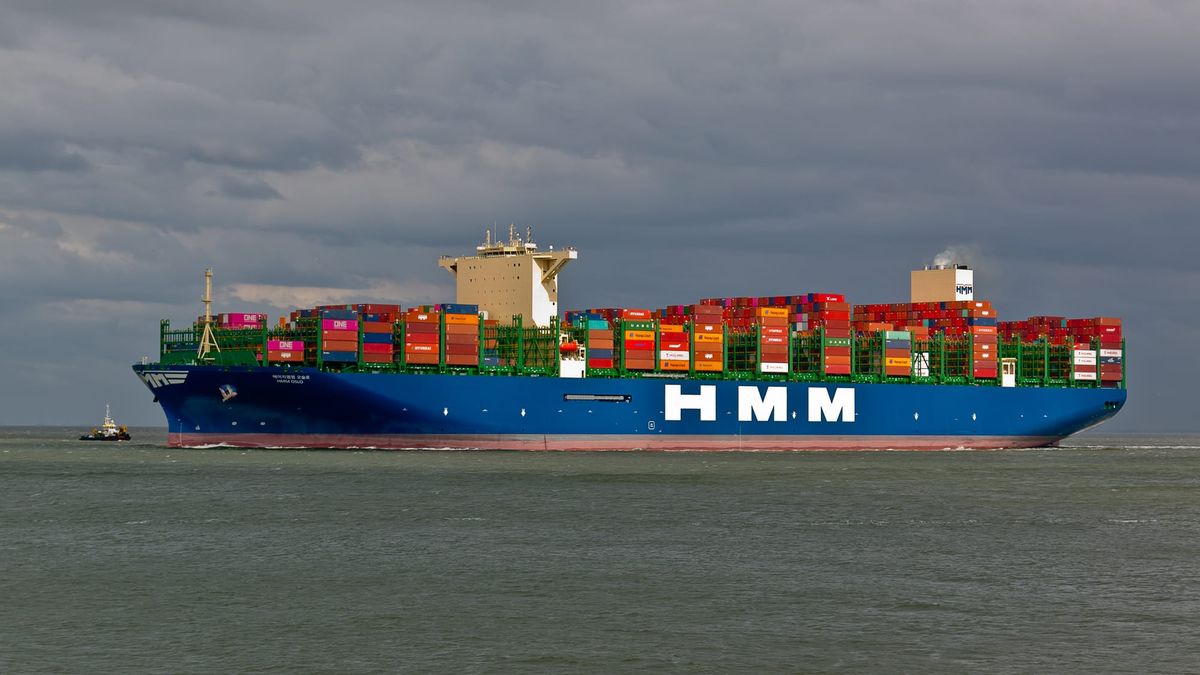
The Technoagriculture Vessel: Design and Capabilities
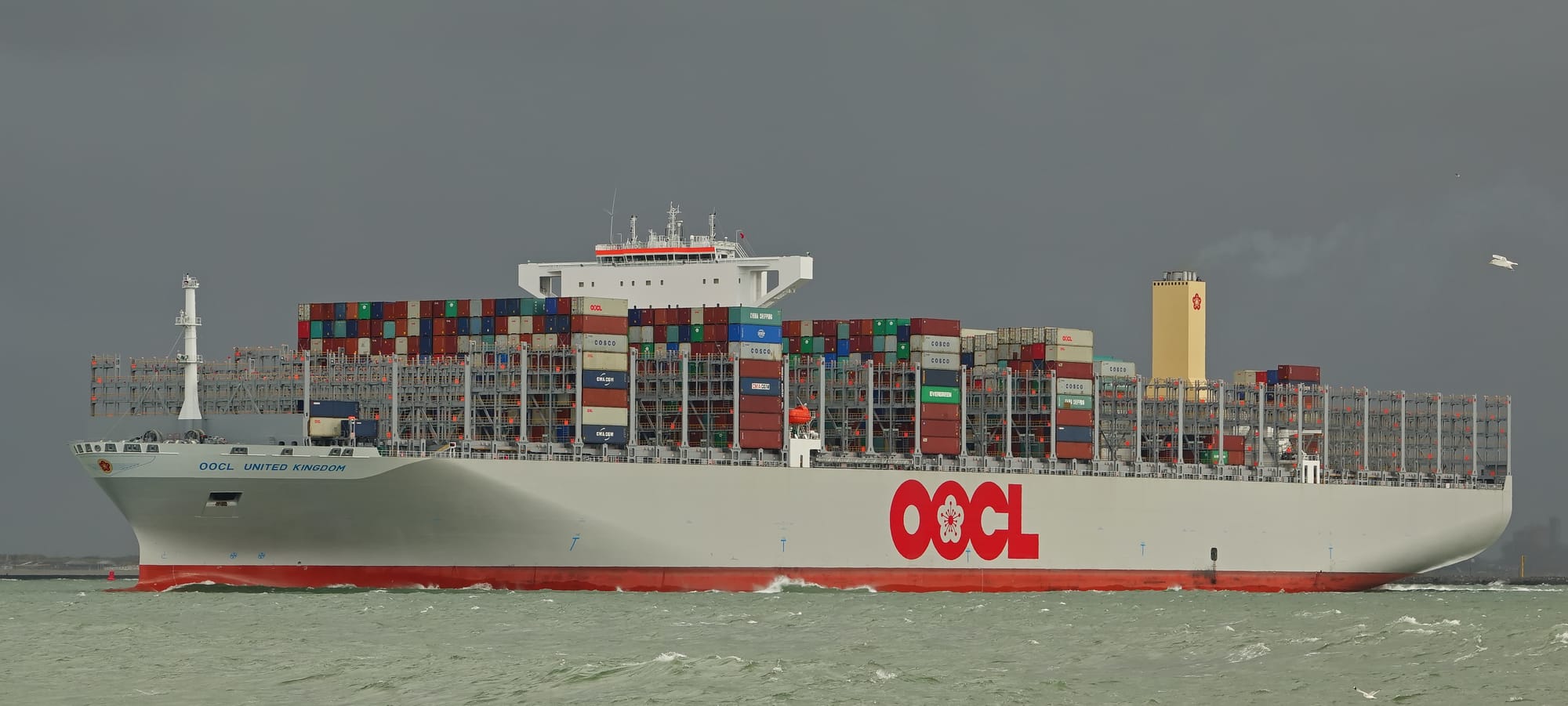
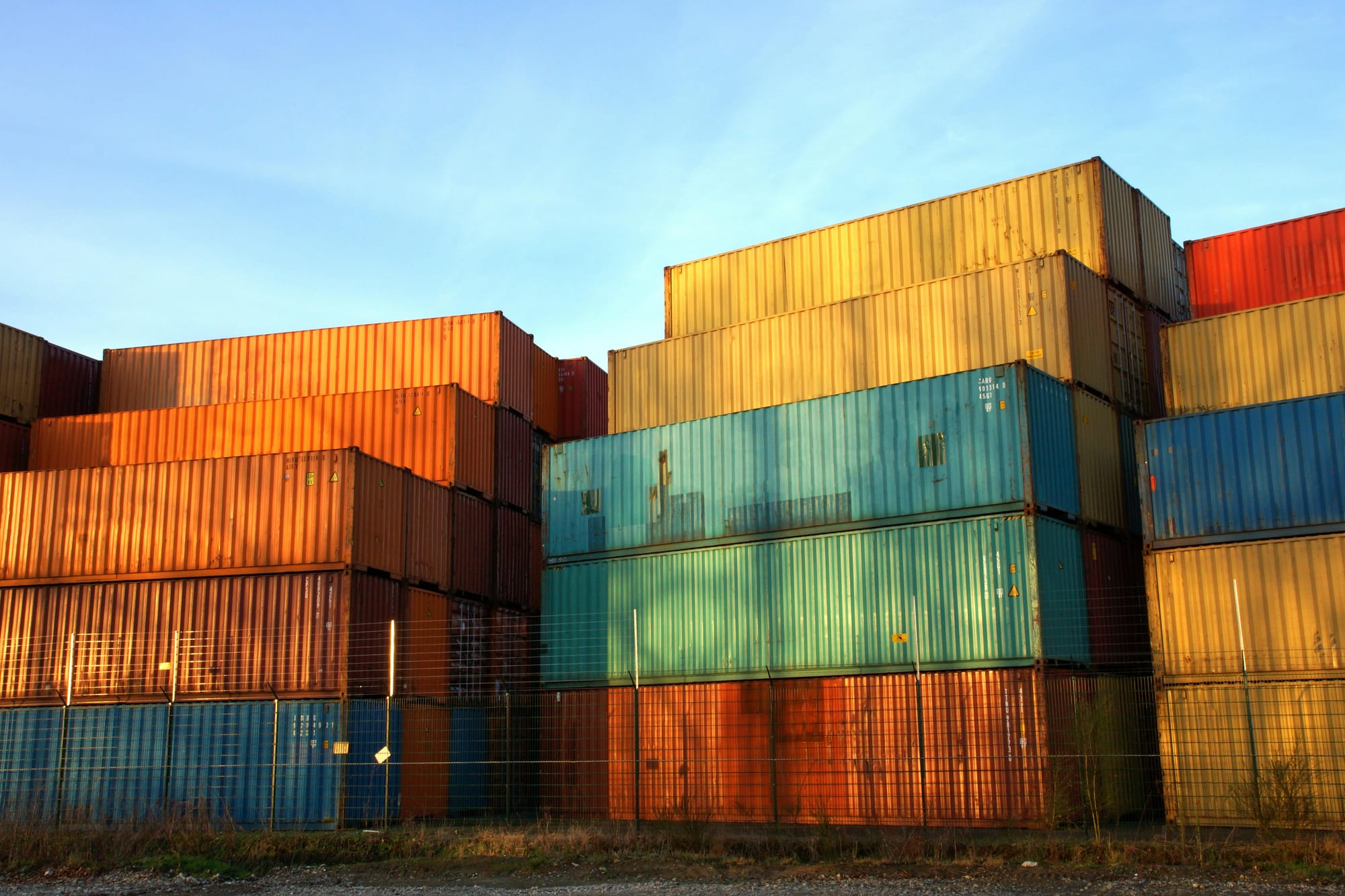
The technoagriculture vessel represents a convergence of maritime engineering and controlled environment agriculture. These ships are specifically designed or retrofitted to maximize food production capacity while maintaining seaworthiness and operational flexibility. A typical design would leverage the massive deck space of a containership, approximately 24,000 square meters on an ultra-large container vessel (ULCV) and convert it into a multi-tiered growing environment.
The production systems would be primarily vertical aeroponic and hydroponic installations housed within modified shipping containers or purpose-built modules. Aeroponics, which delivers nutrient-rich mist to plant roots, offers particular advantages at sea: it uses up to 95% less water than traditional agriculture, is highly resistant to vessel motion when properly gimbaled, and can achieve yields up to 45% higher than conventional hydroponics. These systems can produce 25-40 kg of leafy greens per square meter annually. This is equivalent to the output of a traditional field farm but in a fraction of the space.
Beyond plant cultivation, these vessels would incorporate integrated aquaculture systems. Submerged nets or pens attached to the hull could cultivate shellfish like mussels and oysters, which filter seawater and provide high-quality protein. Kelp forests would grow alongside, absorbing excess nutrients and carbon dioxide while providing a versatile crop for human consumption, animal feed, or even bioplastic production.
Water production capabilities are equally impressive. Modern reverse osmosis desalination systems can produce thousands of cubic meters of fresh water daily, consuming just 3-3.5 kWh per cubic meter. A technoagriculture vessel could easily generate enough water for both its farming operations and to supply other vessels during rendezvous operations.
Operational Scenarios and Strategic Value
The strategic value of these mobile farms becomes most apparent when examining specific operational scenarios. For naval operations, a farmship attached to a carrier strike group would dramatically extend operational endurance and reduce vulnerability. Instead of returning to port every 2-3 weeks for fresh provisions, the strike group could remain on station for months, with the farmship providing continuous replenishment of fresh vegetables, fruits, and protein. This capability would be particularly valuable in scenarios where forward operating bases are unavailable or politically sensitive.
Commercial shipping companies could deploy farmships along major trade routes, creating floating supply hubs that service vessels in transit. This "just-in-time" resupply model would reduce the need for ships to carry large quantities of fresh produce, freeing up valuable cargo space and reducing waste from spoilage. The psychological benefits for crews cannot be overstated; access to fresh food is consistently ranked among the most important factors for retention and morale in the maritime industry.
Perhaps the most compelling application is in disaster response scenarios. When a major natural disaster strikes a coastal region; a super typhoon in the Philippines, an earthquake in Japan, or a tsunami in Indonesia, the first 72 hours are critical. Traditional aid shipments face enormous challenges: ports may be destroyed, infrastructure damaged, and airspace congested. A farmship could anchor offshore and begin producing fresh water and nutritious food within days of arrival, independent of shore-based infrastructure.
This capability addresses what humanitarian organizations call the "last mile" problem in disaster relief. While large quantities of non-perishable food can eventually be delivered, the need for fresh, nutrient-dense food is immediate. A farmship could use its own small boats, helicopters, or even amphibious drones to deliver regular shipments of fresh produce directly to affected communities, complementing traditional aid efforts with what is often the most needed yet difficult-to-supply resource.
Production Capacity and Economic Model
The production capacity of a technoagriculture vessel scales with its size and configuration. A converted 200-meter containership equipped with 500 container modules could produce approximately 50-60 tons of fresh produce monthly; enough to meet the nutritional needs of 5,000-6,000 people. This same vessel could generate 500,000-1,000,000 liters of fresh water daily through desalination, with excess capacity available for transfer to other vessels or shore facilities.
The economic model for these vessels is compelling when viewed through a total cost of ownership lens. While the initial conversion cost of $50-150 million is substantial, it must be compared against the ongoing operational costs it offsets. For naval operations, the ability to extend deployment by weeks or months without returning to port represents millions in saved fuel and operational costs. Commercial operators benefit from reduced food waste, lower provisioning expenses, and improved crew retention.
Additional revenue streams further enhance the economic case. Kelp and shellfish harvested from the vessel's aquaculture systems could be sold in port, generating income even when the primary mission is support. The production of bioplastics from kelp biomass represents another potential revenue source, particularly as regulations around single-use plastics tighten globally. Carbon credits generated through kelp's carbon sequestration capabilities could provide yet another financial incentive.
Technical Challenges and Mitigation Strategies
Despite the clear benefits, several technical challenges must be addressed to make technoagriculture vessels operationally viable. The constant motion of the ocean presents perhaps the most significant obstacle to plant cultivation. Solutions include gimbaled growing platforms that self-level, shock-absorbing mounting systems, and selective breeding of crops adapted to motion environments. Some research suggests that certain varieties of lettuce and other leafy greens actually develop stronger root systems when exposed to gentle, consistent motion.
Corrosion in the harsh marine environment is another concern. All growing systems must be constructed from marine-grade materials resistant to salt spray and humidity. Advanced composites, marine-grade stainless steel, and protective coatings can extend system lifespans but increase initial costs. Regular maintenance protocols would need to be established to address corrosion and biofouling on external components.
The transfer of goods between vessels in rough seas presents its own set of challenges. Traditional replenishment-at-sea methods for dry stores could be adapted for fresh produce, but additional precautions would be needed to prevent damage. Specialized containers with shock absorption and climate control would protect delicate produce during transfer. Drone delivery systems offer another option, particularly for smaller quantities or when operating in conditions too rough for conventional alongside transfers.
Biosecurity protocols would be essential to prevent the spread of pests or diseases between vessels. All plant material would need to be inspected and certified before transfer, with quarantine procedures in place for any suspect material. The controlled environment of the farmship actually provides an advantage here, as the enclosed growing systems are inherently protected from external pests and diseases.
John D
Global Impact and Future Projections
The widespread adoption of technoagriculture vessels could have transformative effects on global maritime operations and food security. By 2040, a fleet of 50-100 such vessels could fundamentally reshape how navies, commercial shipping companies, and humanitarian organizations approach extended operations at sea.
For naval strategy, these vessels would enable persistent presence in remote regions without the need for forward operating bases or friendly ports. This capability would be particularly valuable in the Arctic, where melting ice is opening new shipping lanes, but infrastructure remains sparse. A farmship operating in concert with icebreakers and patrol vessels could sustain year-round operations in this increasingly strategic region.
Commercial shipping would benefit from enhanced resilience to supply chain disruptions. The COVID-19 pandemic demonstrated how quickly traditional provisioning networks can break down, leaving vessels stranded without access to fresh provisions. Farmships distributed along major trade routes would provide a decentralized alternative to traditional supply chains, reducing vulnerability to regional disruptions.
The humanitarian impact could be equally significant. The increasing frequency and intensity of climate-related disasters will stretch humanitarian response capabilities to their limits. Farmships operated by governments or large NGOs could be pre-positioned in disaster-prone regions, ready to respond immediately when catastrophe strikes. Their ability to produce both food and water independently makes them uniquely valuable in the critical first days of a crisis when traditional aid cannot yet penetrate the affected area.
The Oceanic Food Highway: A New Paradigm
Looking ahead, fleets of these farm ships could form oceanic "food highways," supporting everything from Arctic expeditions to Pacific trade routes. These mobile production networks would operate as self-sufficient nodes in a distributed maritime food system, capable of rerouting resources to areas of highest demand in real-time. Combined with advances in automation, AI-driven crop management, and renewable energy integration, they represent a paradigm shift toward truly resilient, decentralized maritime food systems.
The environmental benefits compound this strategic value. By producing food at the point of consumption, farmships would eliminate thousands of food transport miles annually, significantly reducing the carbon footprint of maritime operations. The integrated kelp forests would further enhance their environmental credentials by sequestering carbon and absorbing excess nutrients, creating localized dead zones that improve water quality and support biodiversity.
Implementation Roadmap and Industry Call to Action
The transition from concept to operational reality will require coordinated effort across multiple sectors. Naval organizations should begin with pilot programs that retrofit existing auxiliary vessels with modular growing systems to validate the concept in real environments. Commercial shipping companies can explore public-private partnerships to develop farmships for dual-use applications, serving both commercial and humanitarian needs.
Research institutions must prioritize the development of salt-tolerant, motion-resistant crop varieties specifically adapted to the maritime environment. Engineering firms should focus on standardizing modular growing systems that can be easily integrated into existing vessel designs. Regulatory bodies will need to establish frameworks for maritime food production, biosecurity protocols, and international transfer of agricultural products between vessels.
The investment community has a critical role to play in financing this transition. While the initial capital costs are substantial, the long-term operational savings and new revenue streams present a compelling business case. Green financing mechanisms and climate adaptation funds could be leveraged to offset initial investments, particularly for vessels with dual humanitarian applications.
Addressing Common Concerns: Viability, Labor, and Application
While the concept of a technoagriculture vessel presents exciting possibilities, several practical concerns naturally arise regarding its implementation. Here, we address three of the most common questions about freshwater generation, labor requirements, and market viability.
Freshwater Generation: The Solar-OTEC Synergy
One of the primary questions concerns water production: how can a floating farm generate sufficient freshwater without depleting its own resources or requiring massive energy inputs? The answer is in an elegant synergy between solar energy and Ocean Thermal Energy Conversion (OTEC) principles.
This concept utilizes the solar energy that creates the temperature differential that drives condensation. It is a form of passive solar desalination using the Ocean Thermal Energy Conversion (OTEC) principle.
Here's how it works in a practical, at-sea scenario:
Solar Energy is the Engine: The sun heats the surface layer of the ocean, creating the warm water source. This is the "solar energy" input. The cold deep water is a constant, natural resource.
Simple, Low-Tech Implementation: You don't necessarily need a complex power plant. A simple system can work using the OTEC principle:
- A floating platform or a simple container has two chambers.
- Warm surface seawater is placed in the bottom chamber, which is dark to absorb more solar heat.
- This water evaporates, creating humid, warm air.
- This air rises into an upper chamber that is cooled by contact with a surface (like a sloped roof or condensation plates) or by pipes carrying colder, deeper seawater.
- When the warm, humid air hits the cool surface, the water vapor condenses into pure, fresh water droplets, which are then collected.
The "Floating Greenhouse" Model: This concept was developed by the University of South Australia. It's a self-contained system:
- Lower Layer: Holds seawater, which is heated by the sun.
- Evaporation: Water evaporates from this layer.
- Upper Chamber (Greenhouse): The warm, moist air rises into this chamber. The structure itself, especially surfaces shaded from direct sun, is cooler than the humid air.
- Condensation: The water vapor condenses on the interior surfaces of the upper chamber.
- Collection: The condensed freshwater drips down and is collected for irrigating the plants growing inside the greenhouse.
Key Advantages for At-Sea Use:
- No External Power Required: It's a passive system driven by the sun and the natural ocean temperature gradient. This is perfect for remote vessels, floating platforms, or survival situations.
- Abundant "Fuel": You are surrounded by both the warm surface water and the cold deep water, as well as unlimited solar energy.
- Dual Purpose: The system produces freshwater and creates a perfect humid environment for growing plants, solving two critical problems for long-term maritime sustainability.
So, to summarize: yes, this is a very real and viable method for obtaining freshwater at sea using solar energy. It's a foundational technology for the entire concept of decentralized maritime food production.
Labor Requirements: Automation Over Manpower
Another common concern relates to staffing: wouldn't a floating farm require hundreds of agricultural workers to operate? The reality is quite the opposite due to advanced automation and the nature of controlled environment agriculture.
The number of laborers needed to harvest a cargo ship full of aeroponics containers would be remarkably low, potentially just a handful of people for a vessel carrying hundreds of containers. This is due to the high degree of automation inherent in modern vertical farming systems.
Here's a breakdown of the factors and a realistic estimate:
Key Factors Drastically Reducing Labor Needs
- Automation and Robotics: Modern vertical farms are heavily automated. Robotics and conveyor systems handle the most labor-intensive tasks like seeding, transplanting, and harvesting. This is a core feature designed to improve efficiency and reduce labor costs.
- Standardized and Modular Design: A cargo ship would be filled with standardized, self-contained aeroponic containers (likely 20ft or 40ft units). This modularity allows for streamlined, repeatable processes. A harvesting system could be designed to service each container in the same way, much like an automated assembly line.
- Optimized Crop Types: Aeroponics on a commercial scale is primarily used for high-value, fast-growing crops like leafy greens, herbs, and some fruits like strawberries. These are far easier to harvest mechanically or with minimal human intervention than crops like tomatoes or root vegetables. For leafy greens, a single cutting or a robotic grab-and-tilt action can harvest an entire vertical plane at once.
- AI and Data Management: Systems use machine learning to predict optimal harvest times and manage the entire operation. This data-centric approach minimizes guesswork and ensures harvesting is done at peak efficiency, reducing wasted time and labor.
Realistic Labor Estimate
Let's base this on a typical ultra-large container vessel (ULCV) which can carry over 20,000 TEUs (twenty-foot equivalent units).
- Scenario 1: Fully Automated Harvesting
In a state-of-the-art "farmship," the primary role of the human crew shifts from manual labor to supervision and maintenance.- Labor Needed: 1-3 technicians.
- Their Role: They would oversee the automated harvesting system, monitor for mechanical failures, perform maintenance on the robotics and conveyor belts, and manage the AI-driven software. The physical act of harvesting would be performed by robots moving from container to container.
- Scenario 2: Semi-Automated Harvesting
This scenario assumes a more basic level of automation where containers might need to be accessed by people for final harvesting or quality control.- Labor Needed: 5-15 skilled technicians.
- Their Role: This team would work in shifts. Their tasks would involve operating semi-automated harvesting equipment, performing quality checks, packing the final product, and managing the system's logistics. They are not traditional farm laborers but more akin to skilled factory or greenhouse technicians.
Comparison to Traditional Agriculture
To put this in perspective, harvesting 145,000 acres of traditional vegetable crops in the U.S. requires a total of 145,000 harvest workers. A single cargo ship converted to vertical farming could have a growing area equivalent to hundreds or even thousands of acres but would require less than 1% of the labor force.
In conclusion, the primary labor challenge for a floating farm would not be finding hundreds of harvesters, but rather a small team of highly skilled technicians capable of managing and maintaining a complex, automated, and integrated food production system at sea.
Most Valuable Applications: Finding the Right Niches
Perhaps the most important question is where these vessels would be most useful. While they could theoretically operate anywhere, their true value emerges in specific applications where traditional logistics struggle.
The most compelling niche application is Rapid Response Humanitarian Aid in Post-Disaster Scenarios.
Here's why a farmship is uniquely suited for this role and would be far more useful than traditional aid shipments:
1. The Critical Failure of Traditional Logistics in Disasters
- Port Destruction: The very infrastructure needed to receive aid ships such as ports, docks and cranes, are often the first thing destroyed or rendered inoperable.
- Infrastructure Collapse: Roads, bridges, and airports are damaged, making it nearly impossible to distribute aid from a central point inland.
- Supply Chain Lag: It takes days to weeks to mobilize, pack, ship, and transport food from distant continents. By the time it arrives, the need for immediate, fresh nutrition is acute.
2. The Farmship's Unique Advantage: Self-Contained Production
A farmship bypasses these logistical nightmares entirely. It doesn't need a port to deliver food; it is the food production facility.
- Production on Arrival: A farmship can anchor offshore in the disaster zone and begin producing fresh, nutrient-dense food within days of arrival. It doesn't need to wait for docking.
- Bypassing the "Last Mile" Problem: Instead of relying on shattered infrastructure, the farmship can use its own resources; small boats, helicopters, or even amphibious drones to deliver small, regular shipments of fresh produce, clean water (via desalination), and even medical supplies directly to makeshift distribution points on shore.
- Sustained, Not Sporadic, Aid: Traditional aid delivers a finite shipment of non-perishable calories. A farmship provides a continuous, renewable source of fresh food, addressing critical nutritional deficiencies (like Vitamin A and C) that emergency rations lack. This is vital for health, sanitation, and morale in refugee camps.
3. The "Hospital Ship" Analogy
Think of the U.S. Navy's Hospital Ships (USNS Mercy and Comfort). They don't just deliver medical supplies; they bring a fully functional hospital to the crisis zone. A "Humanitarian Farmship" would serve the same purpose for food security. It would be a mobile, self-sufficient asset in the global disaster relief toolkit, deployable by governments or large NGOs like the Red Cross or World Food Programme.
Other High-Value Niches:
While disaster relief is the strongest case, other niches include:
- Remote Industrial & Scientific Operations: Supplying year-round fresh food to remote mining outposts in the Arctic, offshore oil platforms, or Antarctic research stations is incredibly expensive and relies on infrequent, vulnerable shipments. A dedicated farmship could provide a constant supply of fresh produce, dramatically improving crew well-being and reducing logistical costs. The psychological impact of fresh food in isolated, high-stress environments cannot be overstated; studies consistently show improved morale, cognitive function, and physical health among crews with access to fresh produce versus those reliant on preserved foods.
- Military Forward Operating Bases: A naval "farmship" could support a fleet or forward operating base, providing fresh provisions without relying on vulnerable supply chains that are easy targets for adversaries. This enhances operational endurance and self-sufficiency, allowing naval forces to maintain presence in contested regions for extended periods without revealing their position through frequent port calls or vulnerable replenishment operations.
- Luxury "Hyper-Local" Supply Chains: A niche market could emerge for ultra-fresh, "grown-at-sea" gourmet produce for exclusive coastal resorts or restaurants, marketed as the ultimate in local sourcing. This would appeal to discerning consumers seeking unique culinary experiences while supporting sustainable food production methods.
- Extended Research Expeditions: Scientific vessels conducting long-term oceanographic or climate research could benefit from a dedicated farmship accompanying them, providing fresh food for months-long expeditions far from any port. This would enable more ambitious research projects in remote ocean regions without the logistical constraints of provisioning.
Economic Viability and Implementation Pathways
The economic case for technoagriculture vessels strengthens when we consider the total cost of ownership rather than just initial investment. While the conversion cost of $50-150 million is substantial, it must be weighed against the ongoing operational expenses it offsets. For naval operations, the ability to extend deployment by weeks or months without returning to port represents millions in saved fuel and operational costs. Commercial operators benefit from reduced food waste (currently estimated at 20-30% of provisions on long voyages), lower provisioning expenses, and improved crew retention.
Implementation will likely follow a phased approach. Early adopters might retrofit existing auxiliary vessels with modular growing systems to validate the concept in operational environments. As technology matures and costs decrease, purpose-built farmships will become more common. Public-private partnerships could accelerate this transition, particularly for vessels with dual humanitarian applications.
The investment community has a critical role to play in financing this transition. Green financing mechanisms and climate adaptation funds could be leveraged to offset initial investments, particularly for vessels with dual humanitarian applications. The potential revenue streams from selling excess produce, bioplastics, and carbon credits further enhance the business case.
Conclusion: A New Maritime Paradigm
The technoagriculture vessel represents more than just an innovative logistics solution. It embodies a fundamental shift in how we view the ocean's potential. By transforming ships from mere transport platforms into productive food systems, we create a new paradigm for maritime operations that is more resilient, sustainable, and adaptable to the challenges of the 21st century. The farmship is a productive platform for controlled cultivation, expanding our ability to sustain operations far from shore.
In summary, the farmship's primary role is not in feeding a city like London or Tokyo more cheaply than a land farm in Spain. Its true value is in being the only viable source of fresh, sustainable nutrition in places where traditional logistics have broken down completely. It transforms food aid from a reactive delivery model into a proactive, on-site production capability.
As we face an increasingly uncertain future with growing geopolitical tensions, climate disruptions, and resource constraints, these mobile farms represent a beacon of innovation. They demonstrate how human ingenuity, combined with respect for natural systems, can create solutions that address multiple challenges simultaneously; from food security and disaster response to environmental sustainability and economic resilience.
The question is no longer whether we can create mobile farms at sea, but how quickly we can scale this technology to meet the growing needs of our increasingly maritime-focused world. The answer will determine not just the future of naval operations and commercial shipping, but our ability to respond to humanitarian crises and sustain communities in an era of unprecedented change. By harnessing the ocean's vastness and integrating it with advanced agricultural technology, we create a system that is not only more efficient but more adaptable to the challenges ahead. The answer will determine not just the future of naval operations and commercial shipping, but our ability to respond to humanitarian crises and sustain communities in an era of unprecedented change.
Feasibility of Multi-Use Ocean Thermal Energy Conversion (OTEC) Platforms (https://www.mdpi.com/2077-1312/14/1/64)
A Novel Ocean Thermal Energy Driven System for Sustainable Power and Fresh Water Supply (https://pmc.ncbi.nlm.nih.gov/articles/PMC8878670/)