Floating Farms: How Repurposed Cargo Ships Could Solve Global Food Security
Technoagriculture vessels transform cargo ships into mobile farms, producing fresh food, water, and seafood to feed the world sustainably.

Repurposing Cargo Giants: Technoagriculture Vessels as the Future of Ocean-Based Food Production
In an era of accelerating climate disruption, exploding global populations, and shrinking arable land, traditional agriculture faces existential threats. By 2050, the world must produce 70% more food to feed nearly 10 billion people, yet soil degradation, water scarcity, extreme weather, and urban sprawl are eroding the very foundations of farming. Meanwhile, the oceans, covering 71% of Earth’s surface, remain largely untapped for large-scale food production beyond wild fisheries and limited aquaculture.
What if we could turn the very arteries of global trade into floating breadbaskets?
Enter the technoagriculture vessel: massive cargo and container ships repurposed, or purpose-built from the keel up, as self-sustaining platforms for advanced food production.
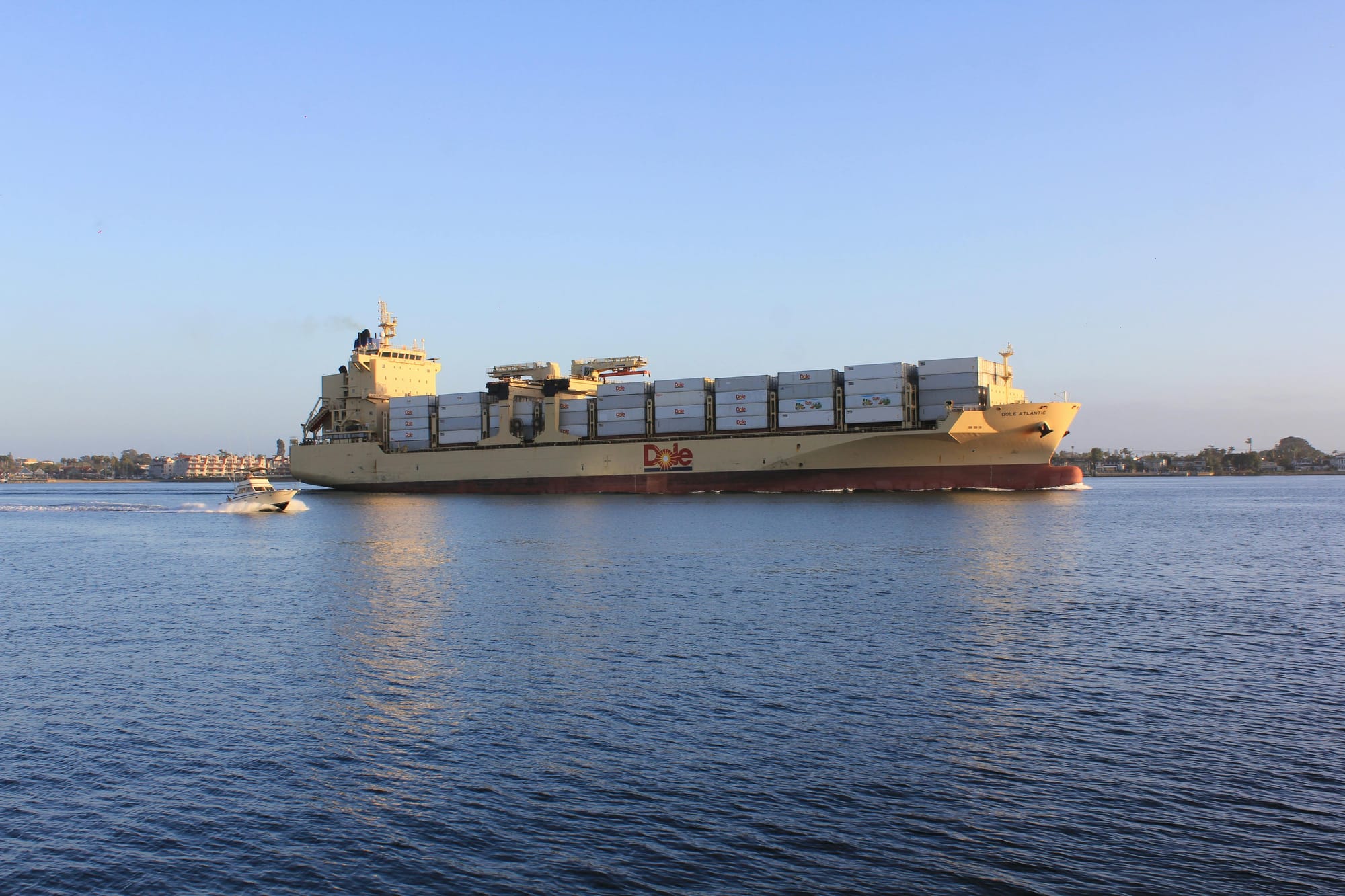
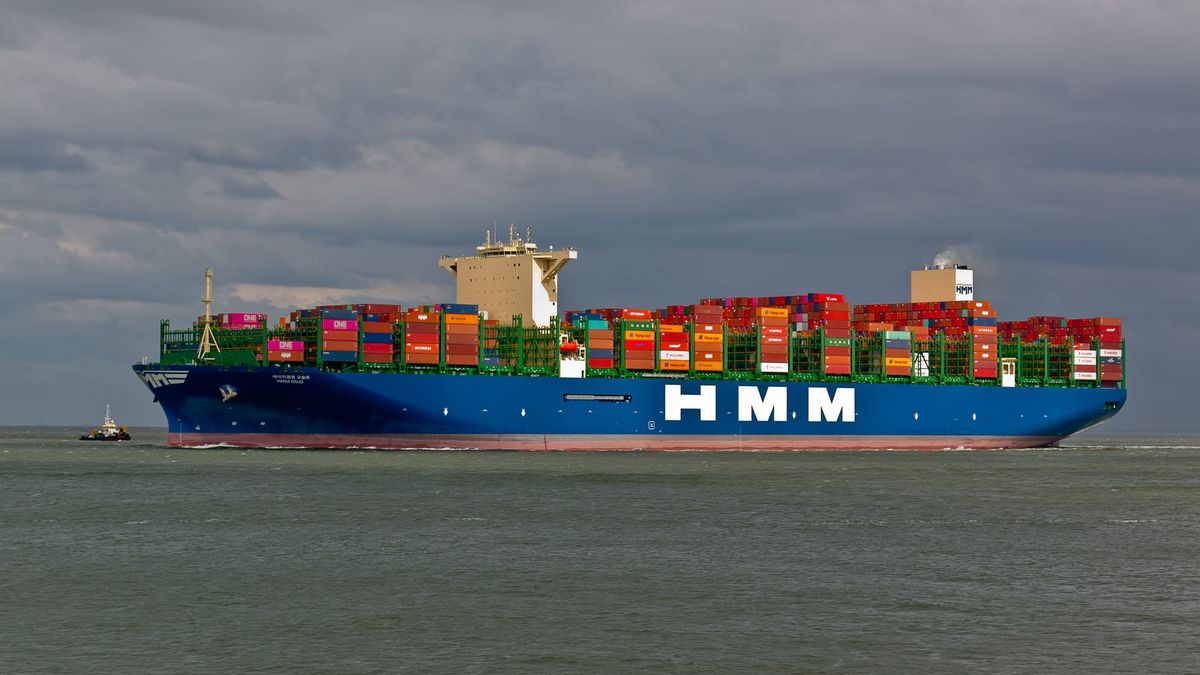
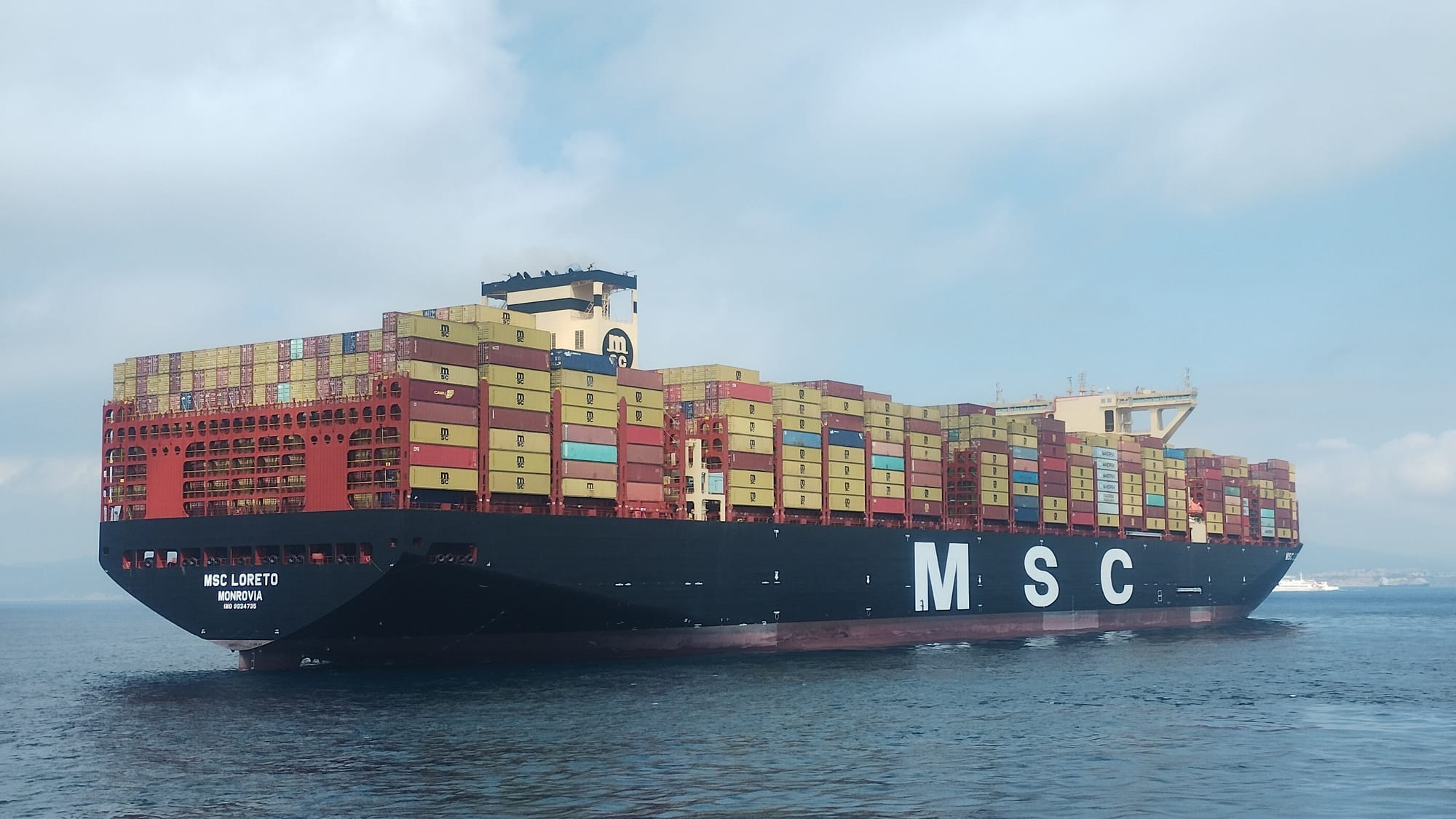
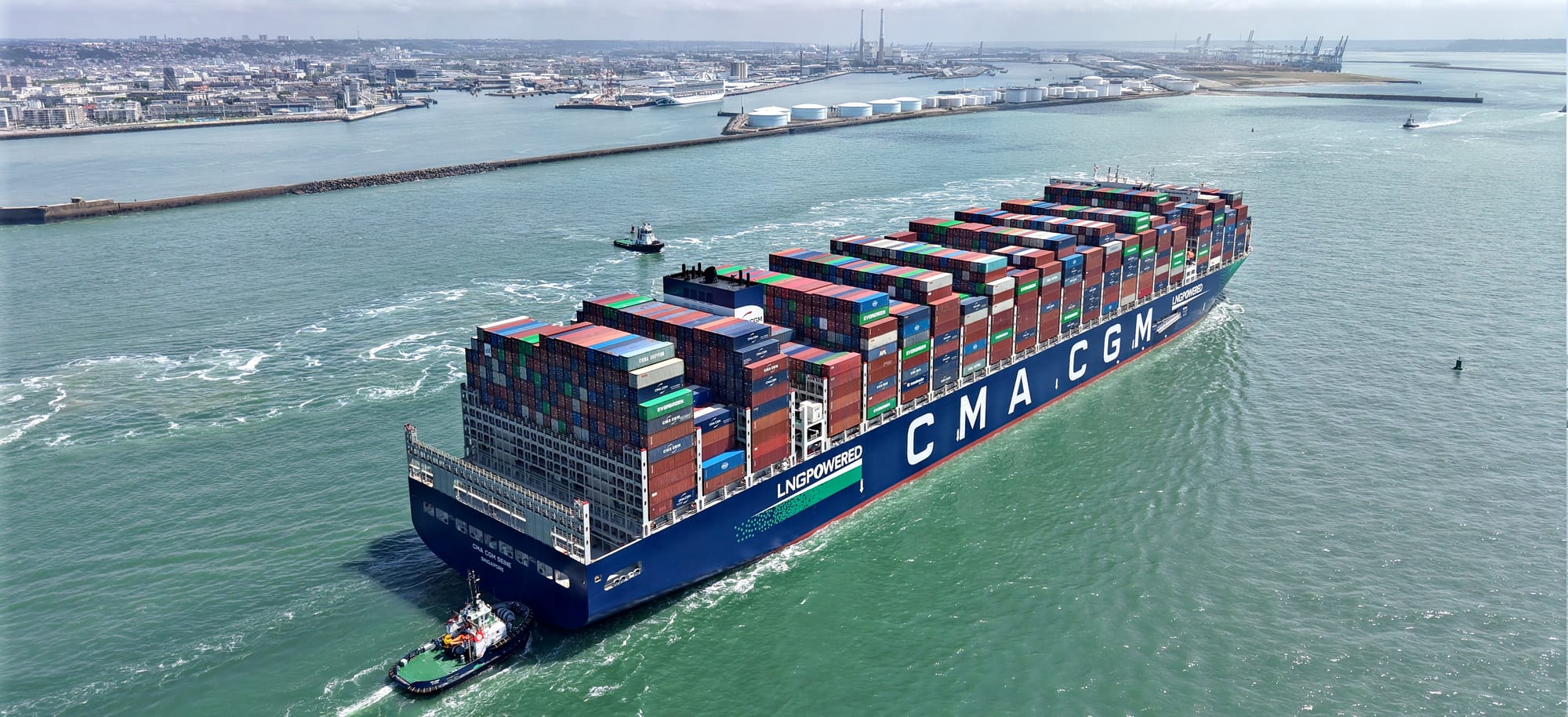
A typical ultra-large container vessel (ULCV) stretching 400 meters long and 61 meters wide offers deck space equivalent to three or four American football fields, roughly 24,000 square meters of raw, usable surface before any vertical expansion.
These behemoths, capable of carrying over 24,000 twenty-foot equivalent units (TEUs), already crisscross the planet’s shipping lanes. Retrofitting them or designing next generation “farmships” transforms idle or underutilized hulls into modular hydroponic, aeroponic, and aquaponic powerhouses integrated with desalination plants and regenerative ocean farming systems.
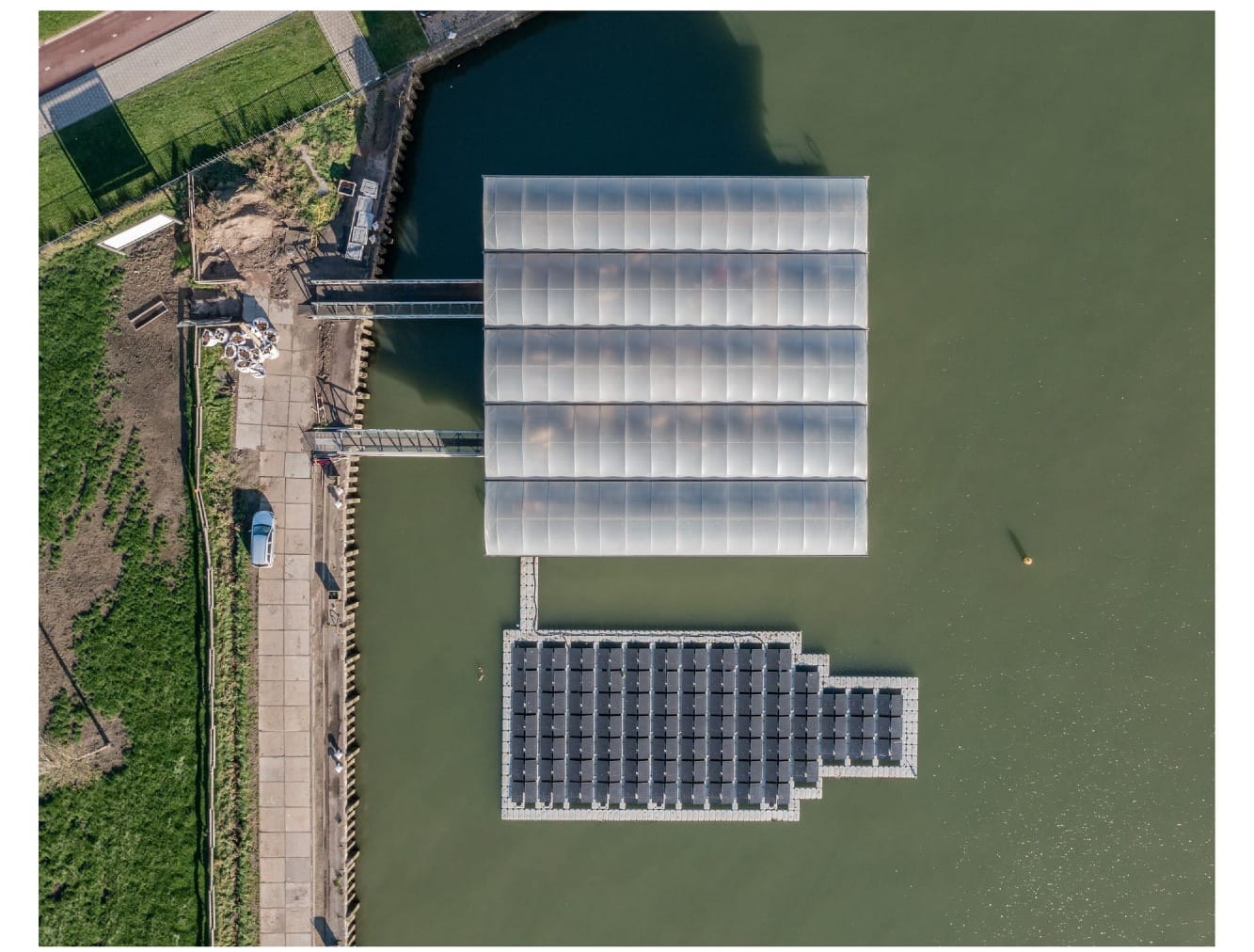
The result? Mobile, resilient food factories that produce year-round, slash supply-chain emissions, and operate in harmony with marine ecosystems. This is not science fiction. Concepts like naval aeroponic sailing ships, offshore floating greenhouses, and pioneering projects such as Rotterdam’s floating dairy farm or Barcelona’s Smart Floating Farms provide proven blueprints.
A single large vessel, with vertical tiers equivalent to 60 hectares of traditional farmland, could theoretically generate diverse crops, fresh water, and seafood while maintaining mobility to chase optimal conditions or deliver directly to demand hotspots.
 John D
The operational advantages are staggering: self-generated provisions during long voyages, underway replenishment of produce to other vessels or ports, and a dramatic reduction in the carbon footprint of global food logistics.
This essay fully develops the technoagriculture vessel concept. Detailing design, technology, economics, environmental benefits, challenges, and a roadmap for deployment into a viable, scalable solution for 21st-century food security.
Engineering the Platform:
Scale, Stability, and Multifunctionality
Modern Ultra Large Container Vessels (ULCVs) represent an engineering marvel ready for dual-purpose adaptation. Ships like the MSC Loreto class measure approximately 400 meters in length, 61 meters in beam, with a draft of 16 meters and gross tonnage exceeding 230,000. Their open deck area alone spans tens of thousands of square meters, while below-deck holds and superstructure offer additional volume for climate-controlled grow rooms.
Conversion begins with structural reinforcement for added weight from growing media, water reservoirs, and vertical towers. Existing container slots can be retained for hybrid cargo-farm operations or fully dedicated to agriculture in purpose-built designs.
John D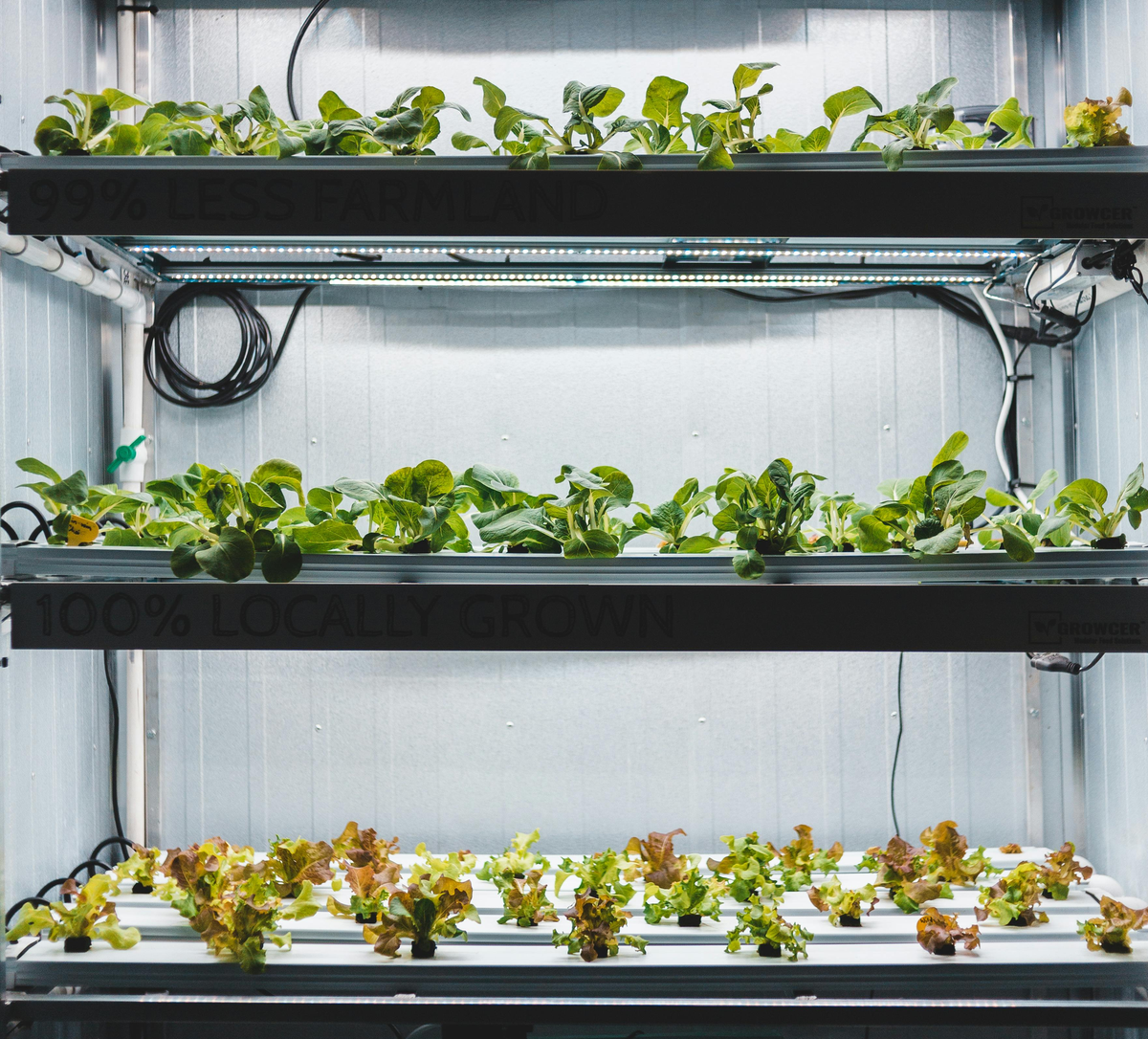
Design principles emphasize three pillars: stability, scalability, and multifunctionality.
Maritime stability is paramount; naval architects would employ ballast systems, gyroscopic stabilizers, and low-center-of-gravity modular arrays to counter wave motion. Scalability comes from containerized modules; standard 20- or 40-foot shipping containers retrofitted as insulated grow rooms, stackable like LEGO bricks. A single vessel could host 500–1,000 such modules, each optimized for specific crops.
Multifunctionality integrates propulsion, energy generation, and waste cycling: ship engines or hybrid electric systems provide baseline power, while solar canopies, wind turbines, and wave-energy converters harvest renewables. Excess heat from engines or desalination can warm greenhouses in colder waters.
Vertical farming towers rise within and atop the superstructure, stacking 5–10 tiers high. Aeroponic panels; where roots are misted with nutrient solution in a high-oxygen environment; rotate or tilt on gimbaled frames to maximize light exposure and drainage while minimizing motion-induced stress.
John D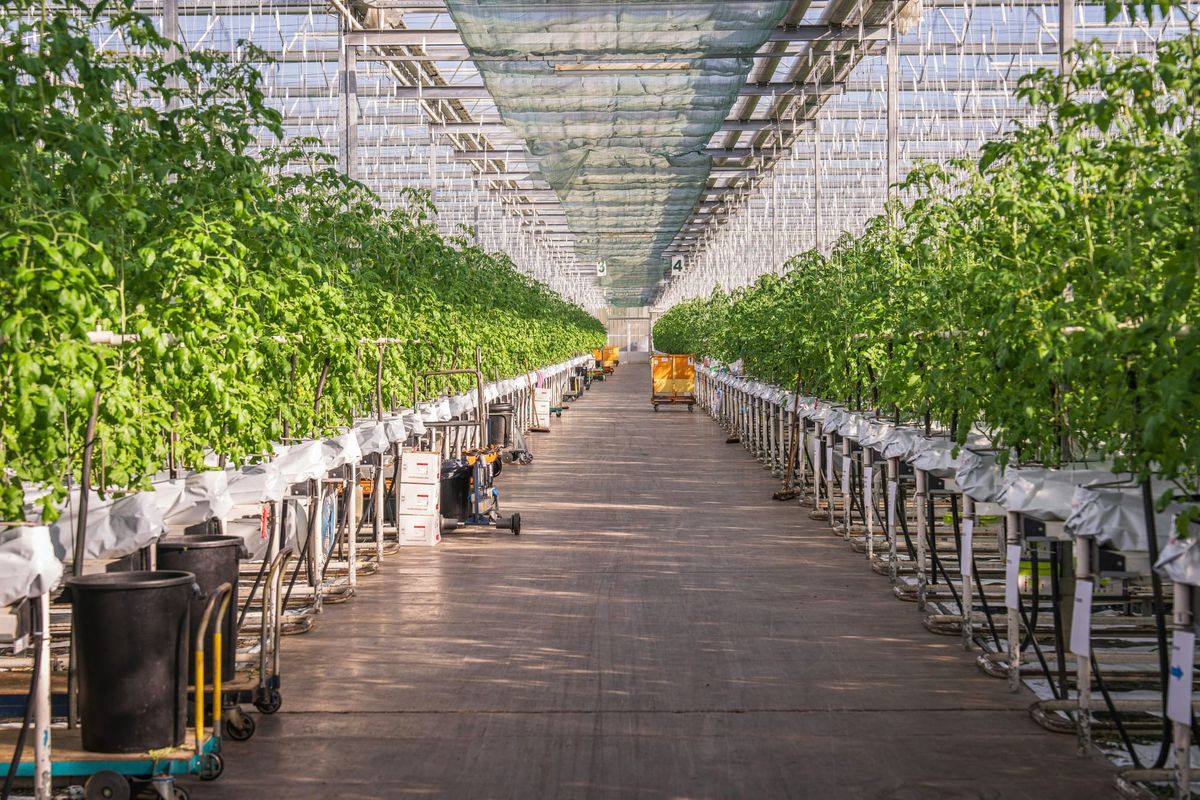
These systems outperform traditional hydroponics: aeroponics can achieve 45% faster growth cycles and up to 80% space savings compared to conventional hydro setups, with yields reaching 55–65 kg/m²/year for leafy greens versus 40–50 kg/m² in standard hydroponics.
Hydroponic deep-water culture rafts fill lower decks, using recirculating nutrient film technique (NFT) for water-efficient production. Together, these create a three-dimensional food matrix: aeroponics in the air, hydroponics at water level, and ocean-integrated aquaculture below.
Beneath the waterline or alongside via outriggers, submerged pens cultivate kelp forests and bivalves (mussels, oysters, clams). Kelp grows at astonishing rates (up to 50 cm per day in optimal conditions) sequestering carbon and providing biomass for biofuels or animal feed.
Bivalves filter water, removing excess nutrients and improving local marine health in a regenerative loop. This aquaponic synergy mirrors land-based systems but scales massively: fish or shellfish waste fertilizes plant roots, while plant filtration keeps water pristine. Pioneering research on floating farms has shown such integrated systems can yield protein-rich seafood alongside vegetables with minimal external inputs.
Power, Water, and Resource Cycling: Closing the Loops
Energy and freshwater are the lifeblood of any farm. Onboard reverse-osmosis desalination, which is already standard on many large vessels, can produce thousands of cubic meters of fresh water daily. Modern systems consume just 3–3.5 kWh per cubic meter, a fraction of older thermal methods. A ULCV’s power plant (often 50–80 MW) easily supports this alongside propulsion; renewables offset 30–50% of demand via rooftop solar arrays doubling as shade structures.
Excess desalinated water can be exported via hoses during rendezvous with other ships or coastal facilities, addressing water scarcity in arid port regions. Nutrient loops are equally elegant. Fish waste from aquaculture pens supplies nitrogen and phosphorus for hydro/aeroponic systems. Plant trimmings and uneaten feed return to the ocean pens as compost or feed.
LED lighting tuned to crop spectra minimizes energy use while enabling 24/7 production independent of seasons or latitudes. Sensors and AI monitor pH, salinity, humidity, and pest levels in real time, with drone or robotic harvesters optimizing labor in the vessel’s vast interior.
The theoretical yield is transformative. Drawing from vertical farming benchmarks, a 60-hectare equivalent (achieved via multi-tiered decks on a 300m x 200m base scaled to larger ULCVs) could produce the output of 60 hectares of prime traditional farmland; but with 90–99% less water and no soil depletion.
John D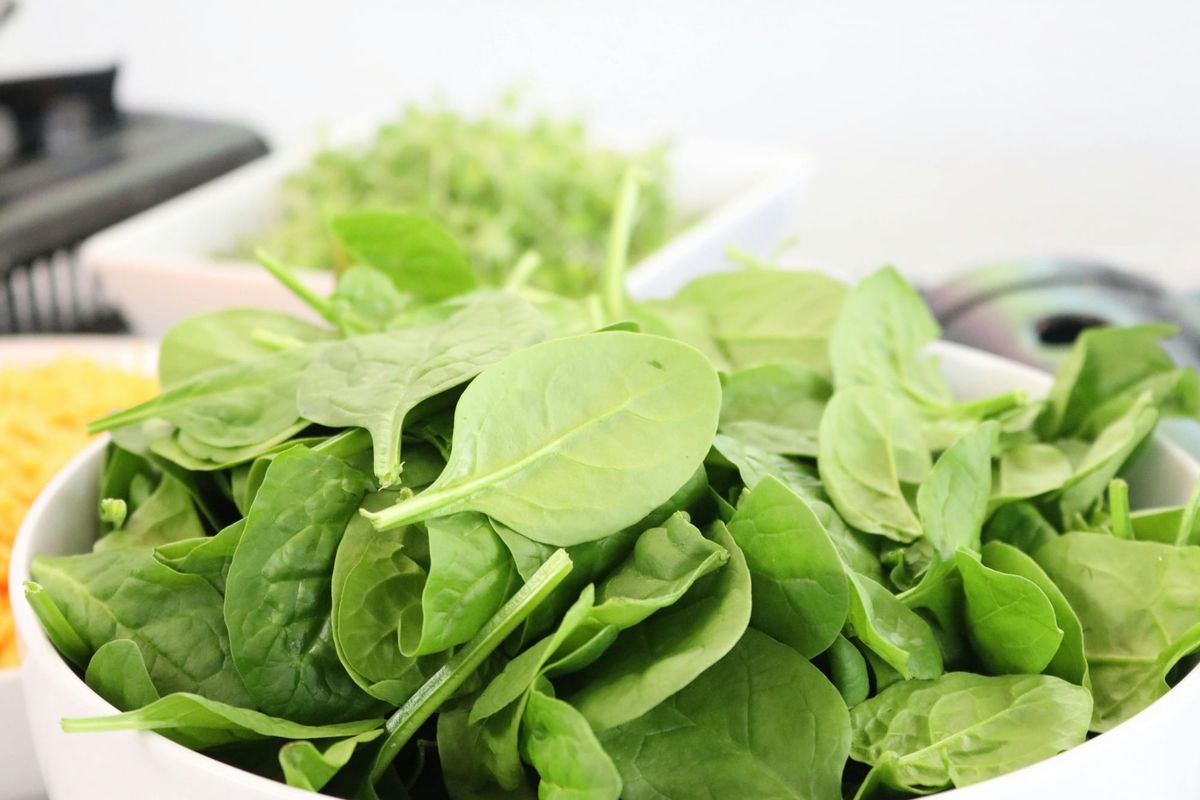
For context, one square meter of optimized hydroponic lettuce can yield nearly 1 ton annually versus a few kilograms in soil. Scaled across a fleet, this rivals entire agricultural regions while occupying negligible ocean surface.
Operational Advantages: Mobility as Competitive Edge
Unlike static land farms or fixed offshore platforms, technoagriculture vessels are inherently mobile. They can reposition to follow nutrient-rich currents, avoid storms, or anchor near megacities during peak demand. During transoceanic voyages, crews harvest fresh produce for onboard consumption and crewed fleets, slashing food import costs by up to 80%.
Underway replenishment, already a naval tactic, allows transfer of palletized greens, herbs, fish, or even live seedlings to container ships or ports via tender vessels or helicopters and drones. Hybrid models maintain partial cargo capacity for revenue diversification: farm produce rides alongside manufactured goods.
In disaster relief scenarios, these vessels function as floating farms for humanitarian aid, delivering food and water where infrastructure has collapsed. Long-term, they reduce global food miles; instead of trucking California lettuce across continents, a vessel grows it en route to Europe or Asia.
Economic Feasibility and Environmental Imperative
Initial conversion costs for an existing ULCV might range from $50–150 million, depending on scope. This is far less than building a new specialized ship but competitive with large-scale land vertical farms. Revenue streams include premium “ocean-fresh” produce (fetched at higher prices due to zero pesticides and superior nutrition), seafood, desalinated water exports, carbon credits from kelp sequestration, and continued freight services. Payback periods could be 5–8 years with government incentives for green shipping and food security.
Environmentally, the benefits compound. Regenerative aquaculture restores marine biodiversity; kelp forests act as blue-carbon sinks. Reduced land pressure spares rainforests and wetlands. Lower transport emissions cut the food system’s 30% share of global greenhouse gases. Water recycling approaches 95% efficiency, versus 70% waste in conventional irrigation.
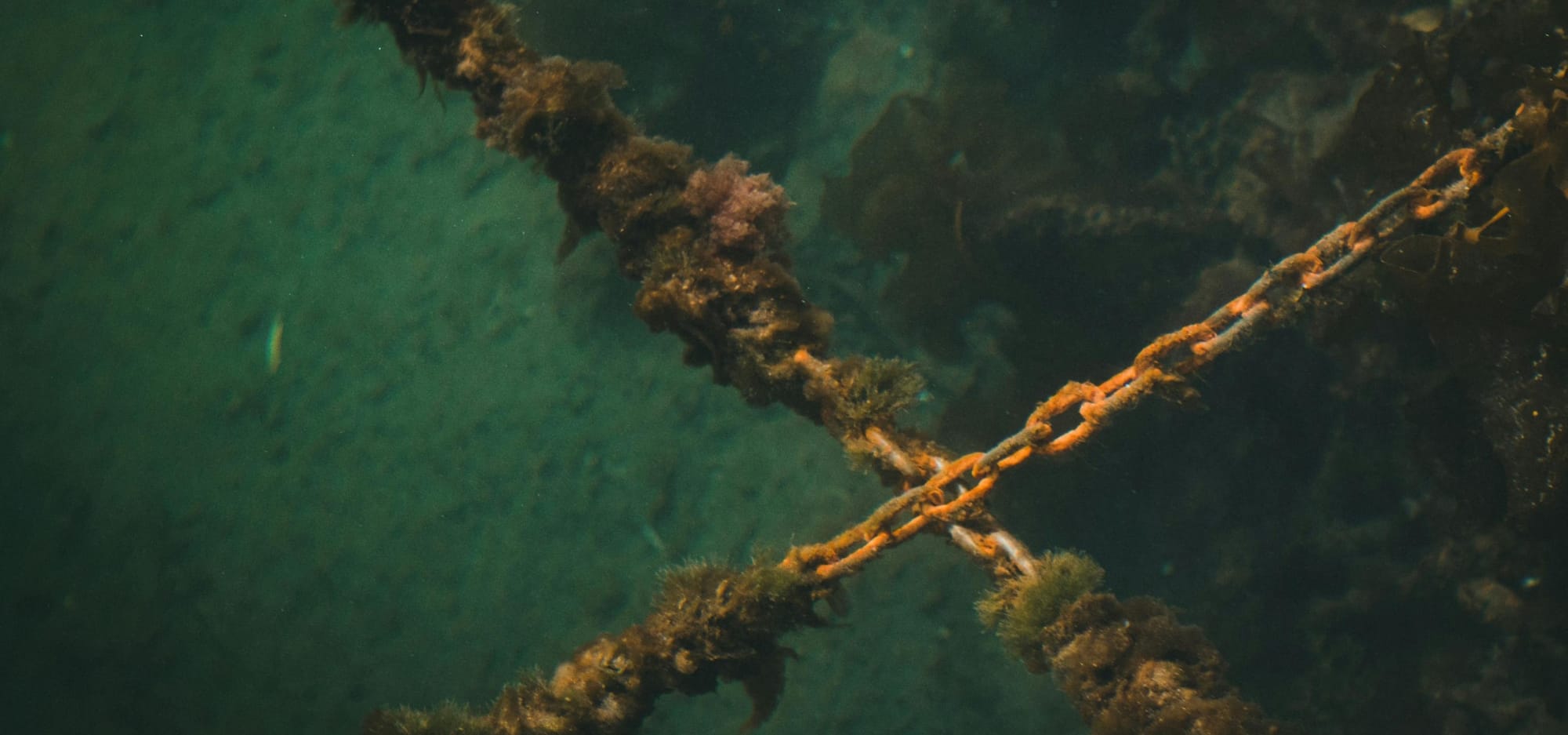
Challenges remain; biofouling on hulls, storm resilience, and maritime regulations, but solutions exist: antifouling coatings, dynamic positioning systems, and updated IMO/FAO guidelines for floating agriculture.
Implementation Roadmap and Global Impact
A phased rollout begins with pilots: retrofit a mid-sized vessel (200–300 meters) for proof-of-concept in calm equatorial waters, partnering with firms like Maersk or MSC and agritech leaders.
Phase two scales to purpose-built farmships optimized for aeroponics and multi-species aquaculture. International consortia, drawing from the Netherlands’ floating farm expertise and Singapore’s vertical ag innovation, could standardize designs.
Leu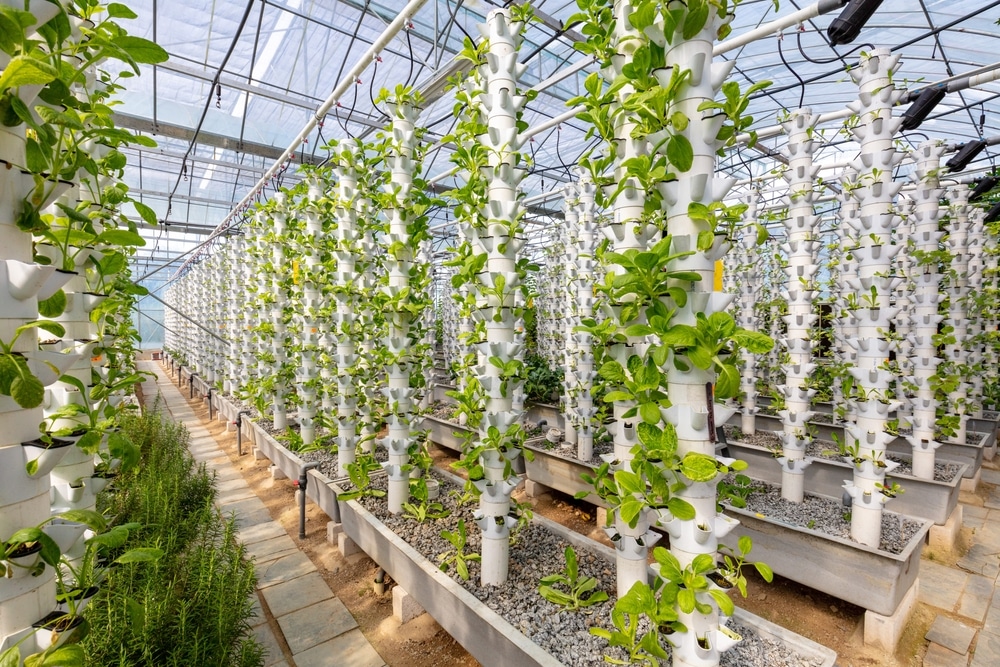

Policy support via subsidies, blue-economy tax credits, and ocean zoning is essential. By 2040, a fleet of 100 technoagriculture vessels could offset millions of hectares of terrestrial farmland, bolster coastal food sovereignty, and create thousands of skilled maritime-agri jobs.
In developing nations, mobile platforms deliver resilience against drought and flooding. The vision culminates in symbiotic ocean cities: networks of farmships, energy platforms, and habitats forming sustainable blue economies.
Repurposing cargo giants into technoagriculture vessels is more than an engineering feat; it is a paradigm shift. It marries humanity’s oldest maritime traditions with cutting-edge biotech, turning the sea from a mere highway into a living larder. In doing so, we secure food for billions, heal marine ecosystems, and chart a course toward abundance amid scarcity.
The ships are already sailing; the question is whether we have the vision to load them with life instead of just cargo. The future of farming floats on the horizon; ready to be harvested.