Lunar Mining Outposts: Helium-3, Deuterium & Fiber-Optics Production
Can lunar mining outposts fuel Earth's fusion future? Explore ISRU for He-3, deuterium, and fiber-optics enabled by LunaNet.

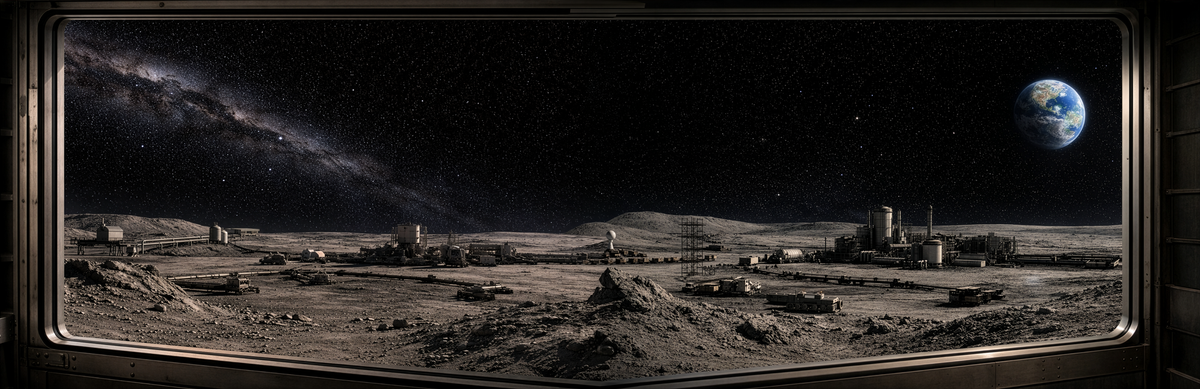
Lunar Mining Outposts: Strategic Imperatives for Helium-3, Deuterium, In-Situ Fiber-Optics Production, and the Enabling Role of Lunar Telecommunications
Summary
The convergence of advancing in-situ resource utilization (ISRU) technologies, commercial lunar payload services, and international frameworks such as the Artemis Accords is positioning lunar mining outposts as a foundational element of the emerging cislunar economy. Preliminary assessments indicate that the Moon’s regolith and polar ice deposits offer economically viable sources of three high-value materials: high-purity silica for in-situ manufacture of ultra-low-loss optical fibers, helium-3 (He-3) implanted by solar wind, and deuterium extracted from water ice. These resources could support critical terrestrial applications, advanced fusion energy, quantum computing and cryogenics, and next-generation telecommunications, all while simultaneously enabling robust lunar surface operations.
Evidence from Apollo samples and recent prospecting studies shows He-3 concentrations in mature regolith ranging from 10–30 parts per billion (ppb), with higher values possible in select polar regions. Deuterium is accessible via polar volatile deposits estimated in the billions of tons. High-silica lunar regolith (approximately 45% SiO₂ by weight) benefits from the Moon’s vacuum environment, which permits bubble-free fiber drawing unattainable on Earth. When integrated with a resilient lunar telecommunications architecture, exemplified by NASA’s LunaNet and commercial demonstrations such as Nokia’s 4G/LTE lunar surface network. These outposts could achieve real-time teleoperation, autonomous fleet coordination, and high-bandwidth data relay essential for scalable operations.
A balanced assessment reveals that while technical and economic hurdles remain, launch-mass savings from ISRU, projected fusion-fuel market values (He-3 potentially exceeding $20 million per kilogram), and synergies across extraction processes could yield positive returns within 2035–2045 under plausible commercial scenarios. Key findings include the multiplier effect of lunar telecom infrastructure, which could reduce operational latency and costs by orders of magnitude, and the strategic necessity of public-private partnerships to derisk initial deployments.
Three bolded recommendations emerge: (1) Governments and agencies should prioritize LunaNet-scale telecommunications as a public-good enabler for commercial mining consortia; (2) Investors should target integrated ISRU platforms that co-process silica, He-3, and volatiles to achieve economies of scope; and (3) Industry should pursue phased demonstration missions by 2030 that validate extraction yields and telecom-enabled autonomy, aligning with Artemis Accords principles for sustainable resource utilization.

The Emerging Cislunar Economy and Lunar Resource Potential
The cislunar domain is transitioning from exploration to industrialization. With 61 nations now signatories to the Artemis Accords and commercial providers delivering regular lunar payloads, the global space economy (valued at approximately $613 billion in 2025) is projected to reach $1.8 trillion by 2035, driven largely by private-sector innovation in communications, logistics, and resource extraction. Within this context, lunar mining outposts represent a strategic pivot: shifting from Earth-dependent logistics to self-sustaining operations that leverage local materials for both export and on-site use.
Lunar regolith, the loose surface layer covering the Moon, is the primary feedstock. Analysis of Apollo and Luna samples confirms an average composition rich in oxides, including roughly 45% silicon dioxide: ideal for in-situ fiber-optics production. On Earth, optical-fiber manufacturing is constrained by atmospheric gases that introduce microbubbles and impurities during the drawing process, limiting signal attenuation to about 0.15–0.2 dB/km at 1550 nm. The lunar vacuum (10⁻¹² torr) eliminates these issues, enabling theoretical attenuation below 0.01 dB/km for ultra-pure silica fibers. Such fibers could serve high-value terrestrial markets in quantum communications, undersea cables, and data centers, while also providing low-mass, radiation-hardened cabling for lunar and cislunar infrastructure.
Helium-3, implanted by solar wind over billions of years, offers a second high-priority resource. Concentrations in mare regolith typically range from 10–20 ppb, rising to 20–30 ppb in mature highland soils and potentially higher in permanently shadowed polar craters. Extraction involves heating regolith to 500–700°C to release trapped volatiles, a process that also liberates other solar-wind gases for potential co-products. While global reserves remain uncertain, conservative estimates suggest hundreds of millions of kilograms accessible in the top few meters of regolith. He-3’s primary value lies in aneutronic D-He3 fusion, which produces charged particles rather than neutrons, minimizing reactor activation and radioactive waste. Secondary markets include quantum computing dilution refrigerators and advanced cryogenics, where terrestrial supply is limited to a few kilograms annually from tritium decay.
Deuterium, the heavy isotope of hydrogen, complements He-3 as a fusion co-fuel. It occurs naturally in lunar polar water ice at D/H ratios estimated around 7 × 10⁻⁵ or higher, depending on source. Polar cold traps may contain 2 × 10⁹ tons of water ice; even modest extraction efficiencies could yield millions of tons of deuterium. Electrolysis or fractional distillation of melted ice provides a straightforward pathway, with by-product oxygen supporting life support and propellant. Together, lunar-sourced He-3 and deuterium could accelerate fusion commercialization by decoupling fuel supply from terrestrial constraints.
These resources are not isolated. Integrated processing - thermal volatilization for He-3, electrolysis for deuterium and oxygen, and melt-extrusion or vapor deposition for silica fibers, shares power, excavation, and thermal-management infrastructure, creating operational synergies that enhance overall economics.
Conceptual Design of Integrated Lunar Mining Outposts
Integrated lunar mining outposts are envisioned as modular, ISRU-centric facilities evolving from robotic precursors to crewed or hybrid operations. Initial deployments would rely on autonomous excavators and processors delivered via commercial landers, scaling to permanent bases supporting 10–100 personnel by the mid-2030s.
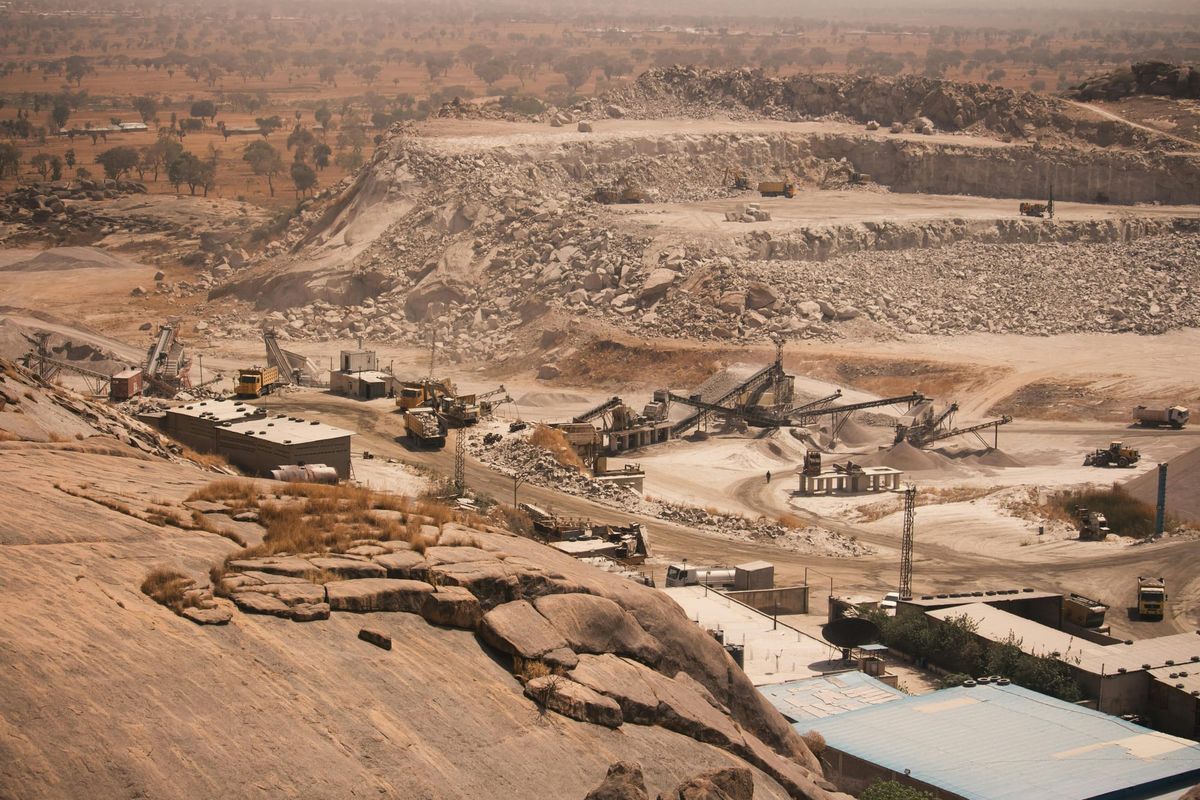
The core architecture begins with regolith acquisition. Mobile harvesters (modeled on designs from companies such as Interlune) ingest 50–100 metric tons per hour using low-reaction-force scoops or pneumatic systems to minimize dust generation. Excavated material feeds into a central processing module employing thermal volatilization for He-3 release, followed by gas separation via cryogenic or membrane technologies. Parallel streams process polar ice for deuterium via electrolysis, producing hydrogen, oxygen, and water. High-silica fractions are sorted (via magnetic or electrostatic beneficiation) and fed into fiber-drawing furnaces that exploit lunar vacuum for direct vapor-phase or melt-draw production of optical preforms and cables.
Power systems are critical. Solar arrays augmented by small fission reactors (1–10 MW class) ensure continuous operation through the 14-day lunar night. Molten regolith electrolysis or carbothermal reduction serves dual purposes: oxygen extraction and metal/alloy production for structural components and radiation shielding. Habitats integrate 3D-printed regolith structures for thermal and micrometeoroid protection, with internal volumes pressurized and outfitted using fiber-optic networks for internal communications and sensing.
Scalability is achieved through standardization. Early robotic outposts (2028–2032) demonstrate extraction yields of kilograms of He-3 and tons of deuterium annually while producing kilometers of fiber. Subsequent phases incorporate crewed oversight for maintenance and R&D, with shared infrastructure reducing marginal costs. Fiber production lines, for instance, utilize waste heat from He-3 volatilization, while deuterium electrolysis provides electrolytic oxygen that can be liquefied for propulsion or life support. This closed-loop approach minimizes Earth resupply, potentially cutting logistics mass by factors of 5–10 compared with fully Earth-dependent architectures.
Conceptual studies from NASA and ESA emphasize redundancy and autonomy: distributed sensor networks monitor regolith composition in real time, AI-orchestrated fleets optimize excavation paths, and modular units allow incremental expansion. The result is a self-reinforcing outpost that not only extracts resources but manufactures components for its own growth.

The Utility of Lunar Telecommunications Infrastructure
Robust telecommunications are not ancillary but foundational to lunar mining viability. NASA’s LunaNet architecture (comprising orbiting relays, surface beacons, and optical/radio terminals) aims to provide continuous, high-bandwidth connectivity across the lunar surface and to Earth. Commercial analogs, such as Nokia’s Lunar Surface Communication System (demonstrated via 4G/LTE on Intuitive Machines missions), have already validated cellular networks capable of linking landers, rovers, and hoppers with data rates sufficient for video, telemetry, and command.
For mining operations, low-latency comms enable real-time teleoperation of excavators and processors from Earth or cislunar habitats, reducing the need for fully autonomous systems during initial phases. High-volume scientific and assay data, which includes spectral analysis of regolith, volatile composition, and fiber-quality metrics, can be relayed instantaneously, allowing ground teams to adjust extraction parameters dynamically. Surface-to-surface networking supports coordinated fleets: multiple harvesters operating in formation, power/data beaming between outposts, and rover-based surveying that feeds into centralized resource models.
PNT (position, navigation, and timing) services embedded in LunaNet further amplify utility. Precise localization enables safe navigation across cratered terrain, while quantum-secure optical links between Earth and Moon offer pathways for encrypted command channels resistant to terrestrial jamming. Broader cislunar effects include navigation aids for logistics vehicles, a future lunar “GPS” constellation, and backup communications infrastructure for Earth during solar outages or geopolitical disruptions.
Preliminary modeling indicates that telecom-enabled autonomy could improve mining throughput by 30–50% through predictive maintenance and swarm coordination. Nokia’s 4G demonstrations confirm that terrestrial cellular standards, hardened for vacuum and radiation, can deliver reliable coverage over kilometers with minimal power. When integrated with mining infrastructure (fiber-optic backbones laid by the outposts themselves) lunar telecom becomes both customer and enabler, creating a virtuous cycle that accelerates the entire cislunar economy.
 John D
Technological, Operational, and Economic Feasibility
A SWOT-style assessment underscores feasibility while highlighting risks. Strengths include abundant feedstock, shared ISRU infrastructure, and launch-mass leverage (1 kg of lunar product displacing 7–11 kg launched from Earth). Weaknesses center on low He-3 concentrations (requiring processing of 150+ tons of regolith per gram) and high initial energy demands for heating and electrolysis. Opportunities are present in co-production synergies and premium markets: He-3 at ~$20 million/kg, deuterium for fusion, and lunar fibers commanding 5–10× terrestrial prices for ultra-low-loss applications. Threats encompass regulatory uncertainty, dust abrasion, and thermal cycling.
Extraction yields are promising. At 20 ppb He-3 and 100 t/h throughput, a single harvester could produce 66 kg/year operating during lunar daylight, aligning with Interlune-style business models targeting initial 10 kg/year demonstrations scaling to commercial volumes. Energy requirements (approximately 1–2 MJ/kg regolith for volatilization) can be met by 100–500 kW solar/fission arrays. Deuterium extraction from ice is more energy-efficient, with electrolysis yields supporting co-production of propellant.
Economic projections (2030–2040) assume Starship-class launch costs below $100/kg to lunar surface. A modular outpost with $2–5 billion capital expenditure could achieve break-even within 8–12 years through combined revenue streams: He-3 sales to fusion developers, deuterium supply, and fiber optics for quantum and telecom sectors. Private models like Interlune illustrate the path. Proprietary excavators paired with DOE-supported cryogenics contracts, and NASA ISRU roadmaps provide technology de-risking.
John D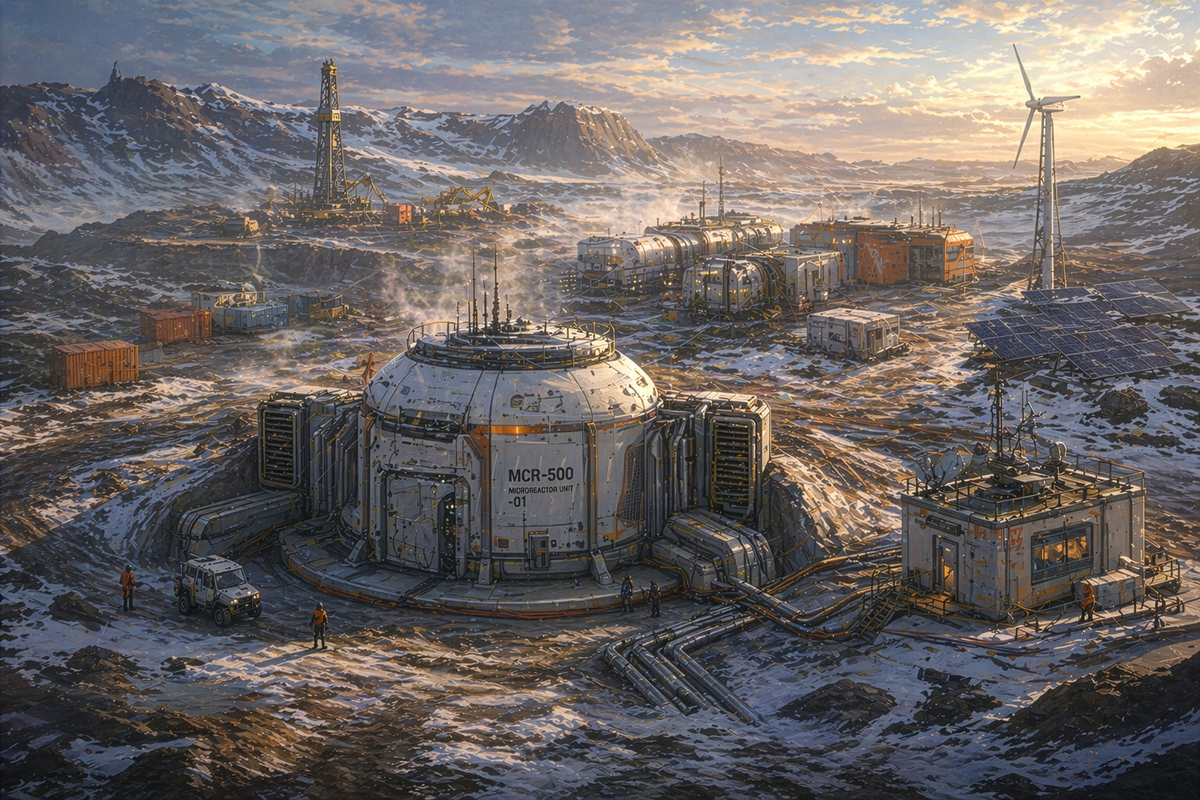
Comparative Resource Extraction Economics: He-3 requires high throughput but offers extreme value density; deuterium provides volume with lower processing energy; silica fibers deliver steady revenue with minimal refinement. Combined operations reduce per-unit costs by 40–60%.
LunaNet Architecture Benefits for Mining Operations: Real-time data relay cuts decision latency from hours to seconds; swarm coordination boosts throughput; quantum links secure intellectual property in resource assays.
Overall, preliminary modeling indicates positive net present value under moderate fusion adoption scenarios, with telecom infrastructure acting as the critical enabler.

Strategic, Geopolitical, and Sustainability Considerations
International competition intensifies the stakes. The United States, China, and ESA member states are advancing parallel programs, with China’s Chang’e missions and U.S. Artemis emphasizing resource utilization. The Artemis Accords provide a normative framework for peaceful extraction and benefit-sharing, contrasting with the broader Outer Space Treaty’s ambiguities on resource ownership. Dual-use risks such as technologies applicable to both civilian mining and strategic positioning, necessitate transparent governance.
Environmental stewardship is paramount. Regolith excavation must minimize dust plumes that could contaminate polar ice or optical surfaces. Polar water ice, a finite and scientifically precious resource, requires careful depletion modeling to avoid exhaustion curves that could impair future missions. Recycling loops such as reusing processed regolith for construction and capturing volatiles support long-term sustainability.
A balanced assessment reveals that responsible development can align economic incentives with scientific preservation through international standards for site characterization, impact assessments, and equitable access.
John D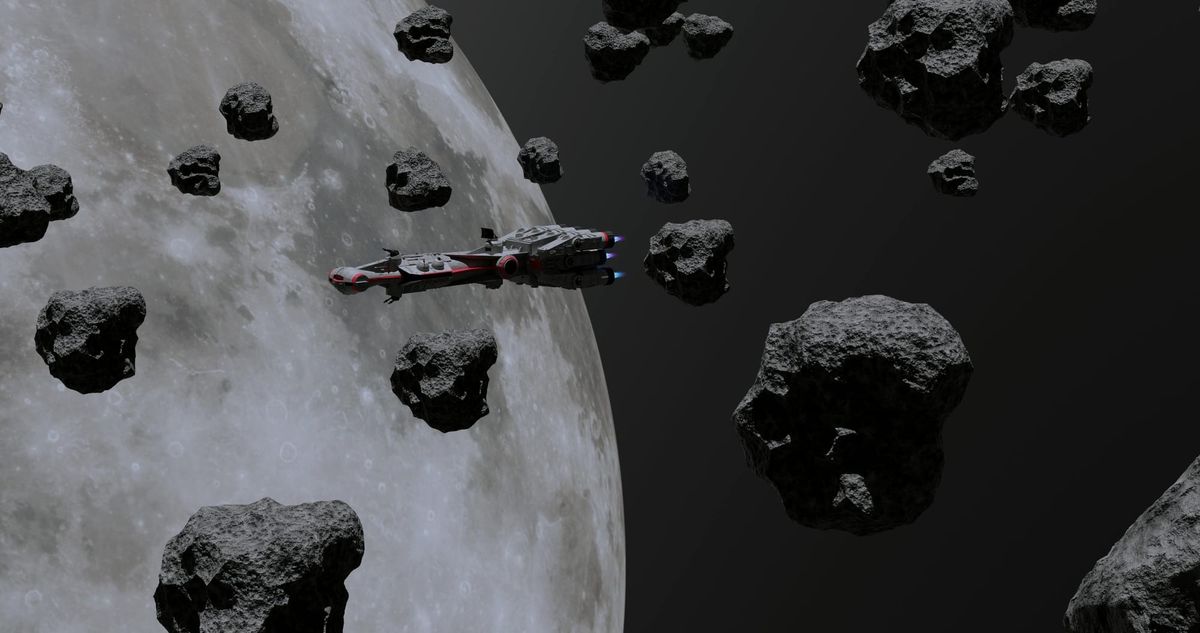
Conclusions and Strategic Recommendations
Lunar mining outposts, powered by integrated ISRU and enabled by lunar telecommunications, represent a high-leverage pathway to cislunar industrialization. By harnessing He-3, deuterium, and in-situ fiber optics, these facilities could catalyze fusion energy, quantum technologies, and resilient communications while generating substantial economic returns.
Three actionable, phased recommendations for stakeholders are:
- Governments and space agencies should accelerate LunaNet deployment as a foundational public infrastructure, offering subsidized bandwidth to commercial miners in exchange for resource data transparency.
- Investors and industry consortia should fund integrated demonstration missions by 2030 that co-process multiple resources, targeting Interlune-style private-public models to validate economics.
- Policymakers should advance Artemis Accords implementation with binding sustainability protocols, ensuring equitable access while mitigating geopolitical tensions.
The window for leadership is open. Strategic investment today can secure both energy independence and technological primacy in the multi-trillion-dollar space economy of tomorrow.
John D John D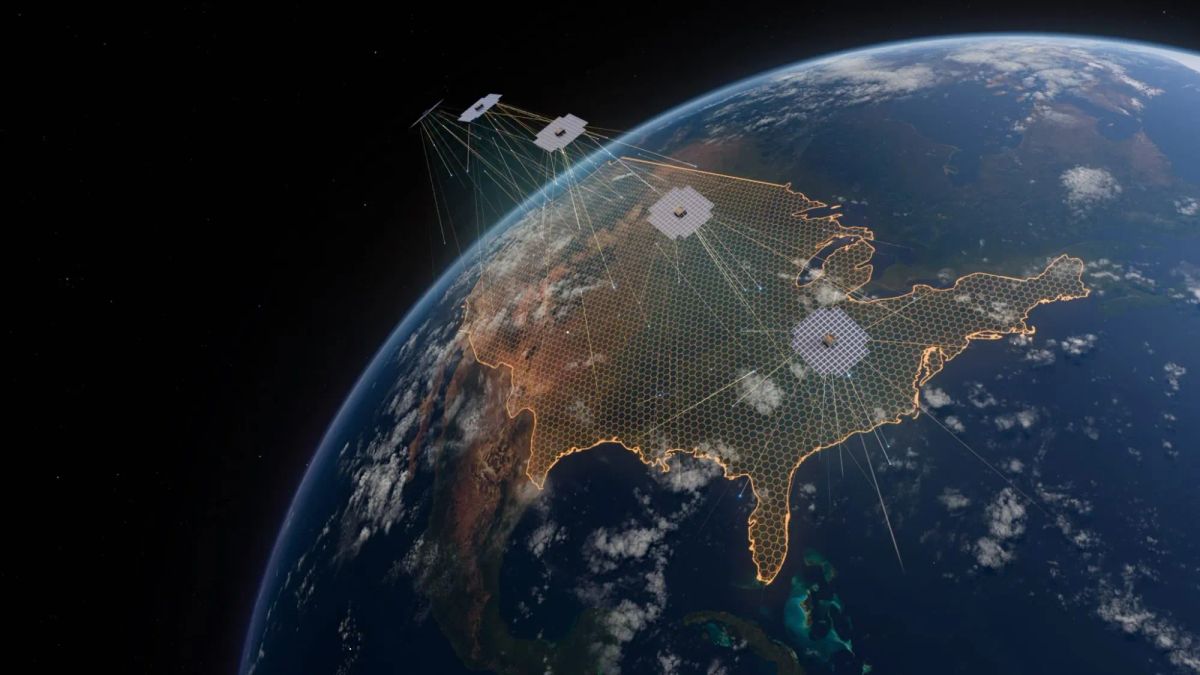
 John D
 John D
 John D
 John D
 John D