Blue Revolution: How Ocean Farming Can Solve Global Food Security & Climate Resilience
Decentralized maritime food production offers a sustainable solution to feeding 10 billion people while boosting global food security.

Sailing Towards Food Independence: Oceanic Food Industry and Decentralized Maritime Food Production
Introduction: An Imperative for Change
In an era of climate volatility, supply chain disruptions, and a growing global population projected to reach 10 billion by 2050, traditional land-based agriculture faces unprecedented strain. Soil degradation, freshwater scarcity, and extreme weather events threaten food security on a planetary scale. The COVID-19 pandemic exposed the fragility of our global food distribution networks, while climate change continues to disrupt traditional growing seasons and reduce arable land. The United Nations Food and Agriculture Organization estimates that we must increase food production by 70% to feed the projected population, yet our current agricultural systems are already operating beyond sustainable boundaries.
Yet, the vast, untapped expanse of our oceans, covering over 70% of Earth's surface, presents a revolutionary opportunity: decentralized food production in maritime environments. This approach shifts agriculture from fragile terrestrial systems to resilient, mobile, ocean-based platforms that leverage the sea's natural resources while minimizing environmental impact. This emerging field represents what some experts are calling the "Blue Revolution" – a transformation of our food systems as profound as the Green Revolution of the 1960s, but with sustainability at its core.
Understanding Decentralized Maritime Food Production
Decentralized maritime food production refers to self-sufficient or semi-autonomous systems that generate fresh produce, proteins, and even potable water directly at sea. Unlike centralized industrial farming reliant on long-haul transport and vulnerable ports, these systems operate independently or in networked fleets, reducing reliance on global logistics. The fundamental principle is location-specific production that eliminates thousands of miles of transportation while leveraging the unique advantages of the marine environment.
Key models of maritime food production include:
- Floating Greenhouses: Enclosed structures that float on the ocean surface, utilizing seawater for hydroponic or aeroponic growing systems after desalination.
- Vertical Sea Farms: Multi-level platforms that maximize production efficiency by stacking growing systems vertically while utilizing the ocean's natural resources.
- Regenerative Ocean Polycultures: Underwater or surface-level farming systems that cultivate complementary species in symbiotic relationships, mimicking natural marine ecosystems.
- Adapted Vessels: Ships and boats retrofitted or specifically designed with integrated food production systems.
- Hybrid Systems: Combined approaches that integrate multiple production methods on a single platform or network of platforms.
Recent innovations demonstrate feasibility across these models. Solar-driven floating domes that desalinate seawater and grow crops without external inputs are producing over 4mm of freshwater per day per unit while supporting germination and growth phases. These systems use the temperature differential between warm surface water and cooler deep water to drive condensation, requiring no external energy inputs beyond what can be captured from the sun.
Technological Innovations Driving Maritime Agriculture
The Vertical Floating Sea Farm Breakthrough
One standout concept is the vertical floating sea farm developed by researchers at the University of South Australia. These structures feature an upper greenhouse chamber and a lower desalination layer. The system works through a brilliant application of basic physics: seawater evaporates using solar energy, condenses as freshwater for irrigation, and supports crops like lettuce or broccoli.
The design is elegantly simple yet highly effective. The lower section contains seawater, which heats up under sunlight and evaporates. The vapor rises to the upper chamber, where it condenses on the cooler surfaces of the growing area, providing both freshwater for the plants and a humid growing environment. The system is completely self-contained and requires no external inputs beyond sunlight and seawater.
Scaled up, arrays of these "biodomes" could float across ocean surfaces, addressing both hunger and freshwater shortages by 2050. The modular nature of the technology allows for scaling from single units serving small communities to vast arrays capable of feeding thousands. The research team estimates that a single hectare of these floating farms could produce up to 50 tons of vegetables annually while generating approximately 2 million liters of fresh water.
Regenerative Ocean Polyculture Systems
Complementing these technological marvels are regenerative ocean farming techniques, pioneered by organizations like GreenWave. In polyculture systems, kelp (a fast-growing seaweed) is grown alongside shellfish on simple underwater structures. A single 20-acre farm can yield approximately 60,000 kg of kelp and 250,000 shellfish annually, using zero added inputs.
The genius of this approach lies in its ecological integration. Kelp grows vertically toward the sunlight, creating a three-dimensional habitat. Shellfish such as oysters, mussels, and clams grow on ropes suspended below the kelp. Each species performs different functions in the ecosystem:
- Kelp absorbs excess nitrogen and phosphorus, combating ocean dead zones while sequestering carbon
- Mussels filter water, removing particulate matter and improving clarity
- Oysters provide additional filtration and create habitat for other species
- Scallops add economic value while contributing to ecosystem diversity
The harvested biomass serves multiple purposes: human food (nutrient-dense snacks or ingredients), animal feed, fertilizer, and even bioplastics feedstock; directly linking to sustainable material production. Kelp contains high levels of vitamins, minerals, and iodine, making it an excellent nutritional supplement. Shellfish provide high-quality protein with minimal environmental impact.
The Compelling Case for Maritime Food Production
Environmental Advantages
Why maritime? The advantages are compelling from multiple perspectives:
Water Conservation: Ocean-based systems use 90-95% less freshwater than traditional farming because they recycle or desalinate seawater. With agriculture accounting for approximately 70% of global freshwater use, this represents a massive conservation opportunity.
Land Preservation: No arable land is required, freeing terrestrial areas for rewilding or other uses. This could help reverse biodiversity loss and restore natural ecosystems while still meeting food production needs.
Climate Resilience: Mobility allows farms to follow optimal currents or sunlight, while controlled environments (via enclosures or shipboard integration) protect against weather extremes. In an era of increasing climate volatility, this adaptability becomes increasingly valuable.
Renewable Energy Integration: Energy needs can be met renewably through solar panels, wind turbines, or vessel propulsion systems. The ocean offers abundant wind and wave energy that can be harnessed to power food production systems.
Ecosystem Enhancement: Environmentally, seaweed farms enhance biodiversity and mitigate ocean acidification locally through photosynthesis. Studies have shown that seaweed farms can increase local pH levels, creating refuges for shellfish and other vulnerable marine organisms.
Economic Benefits
The economic case for maritime food production is equally compelling:
Reduced Transportation Costs: By producing food closer to coastal populations, maritime farms dramatically reduce transportation expenses and associated carbon emissions. For island nations and coastal cities, these savings can be substantial.
Premium Product Opportunities: Maritime-grown produce often commands premium prices due to its novelty, sustainability credentials, and freshness. Restaurants and consumers increasingly value locally sourced, environmentally friendly foods.
Diversified Revenue Streams: Many maritime farming systems produce multiple products simultaneously; vegetables, shellfish, seaweed, and even bioplastics, creating diverse income sources that enhance economic resilience.
Job Creation: Maritime food production creates new categories of jobs in ocean farming, technology development, system maintenance, and processing. These opportunities are particularly valuable for coastal communities facing declining traditional fisheries.
Real-World Precedents and Case Studies
Commercial Maritime Agriculture Initiatives
Real-world precedents already exist across multiple scales:
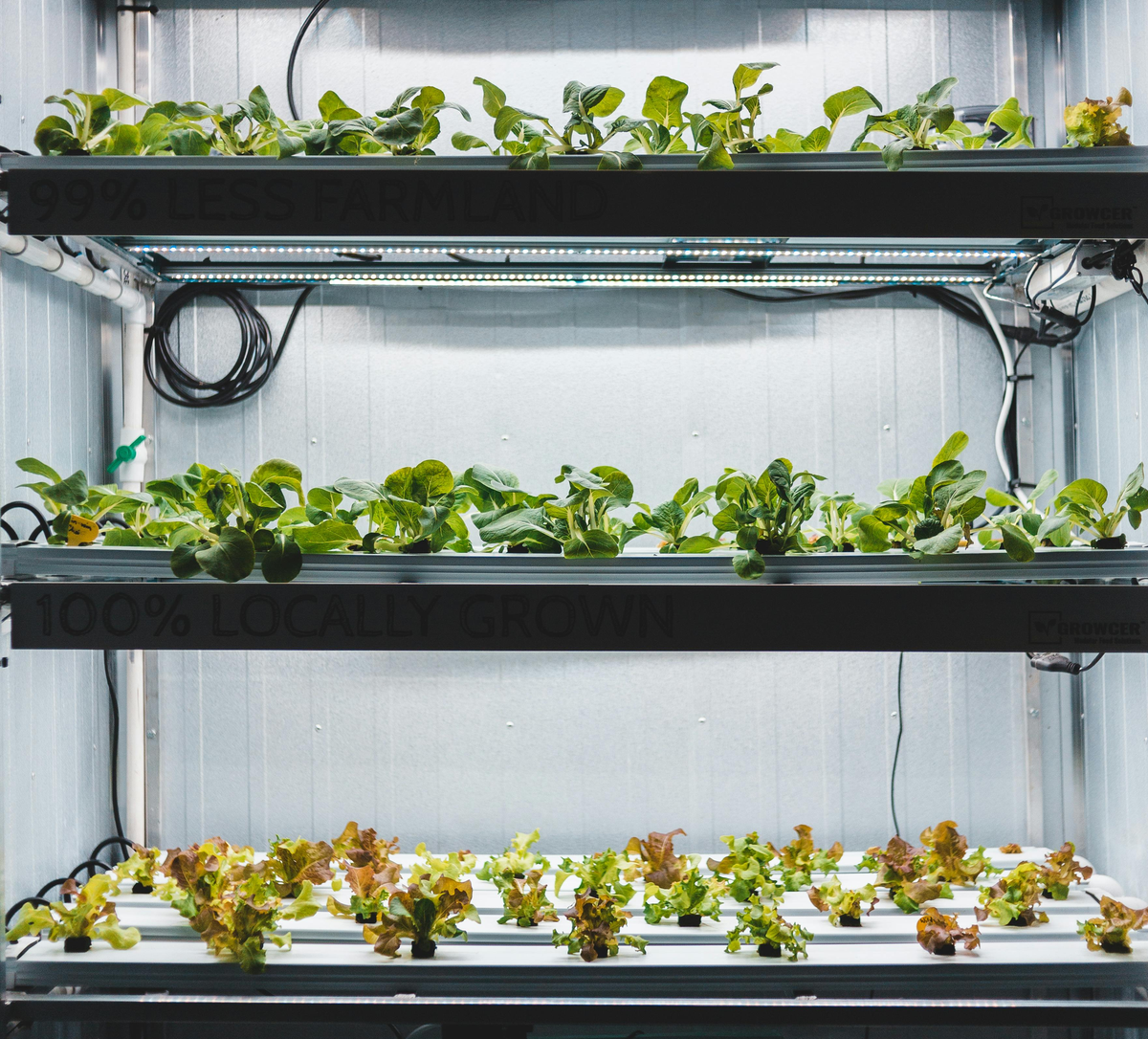
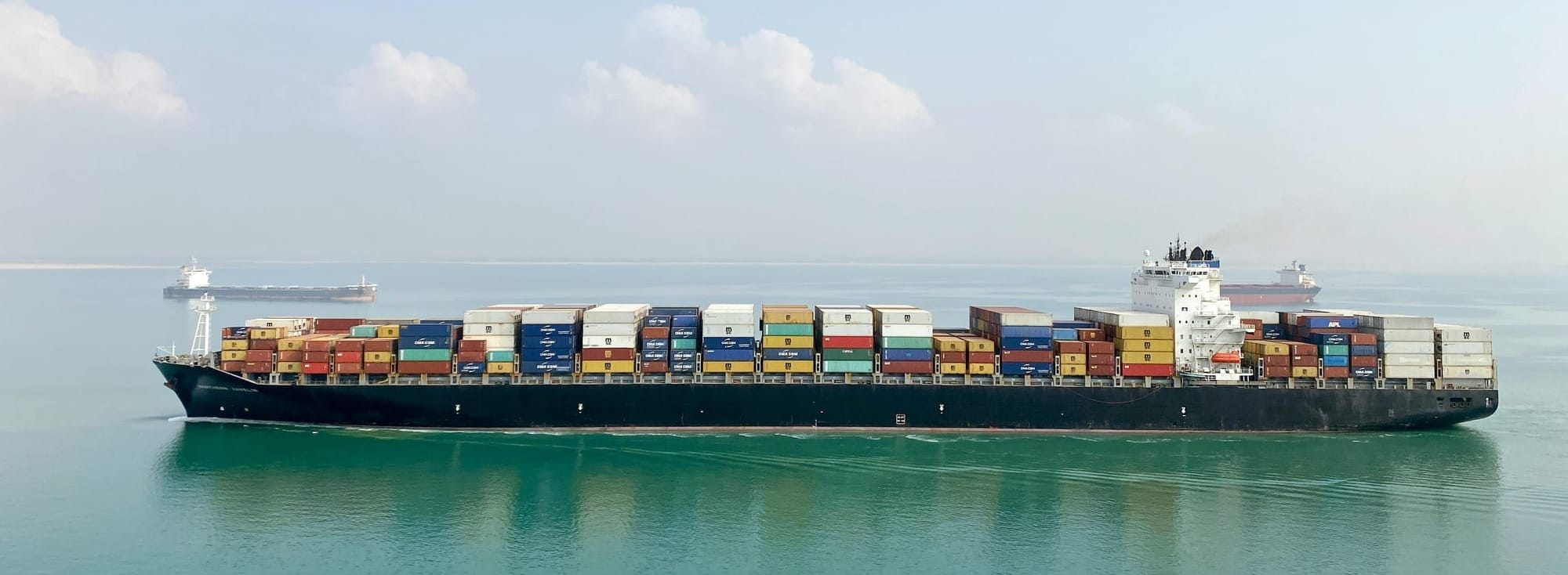
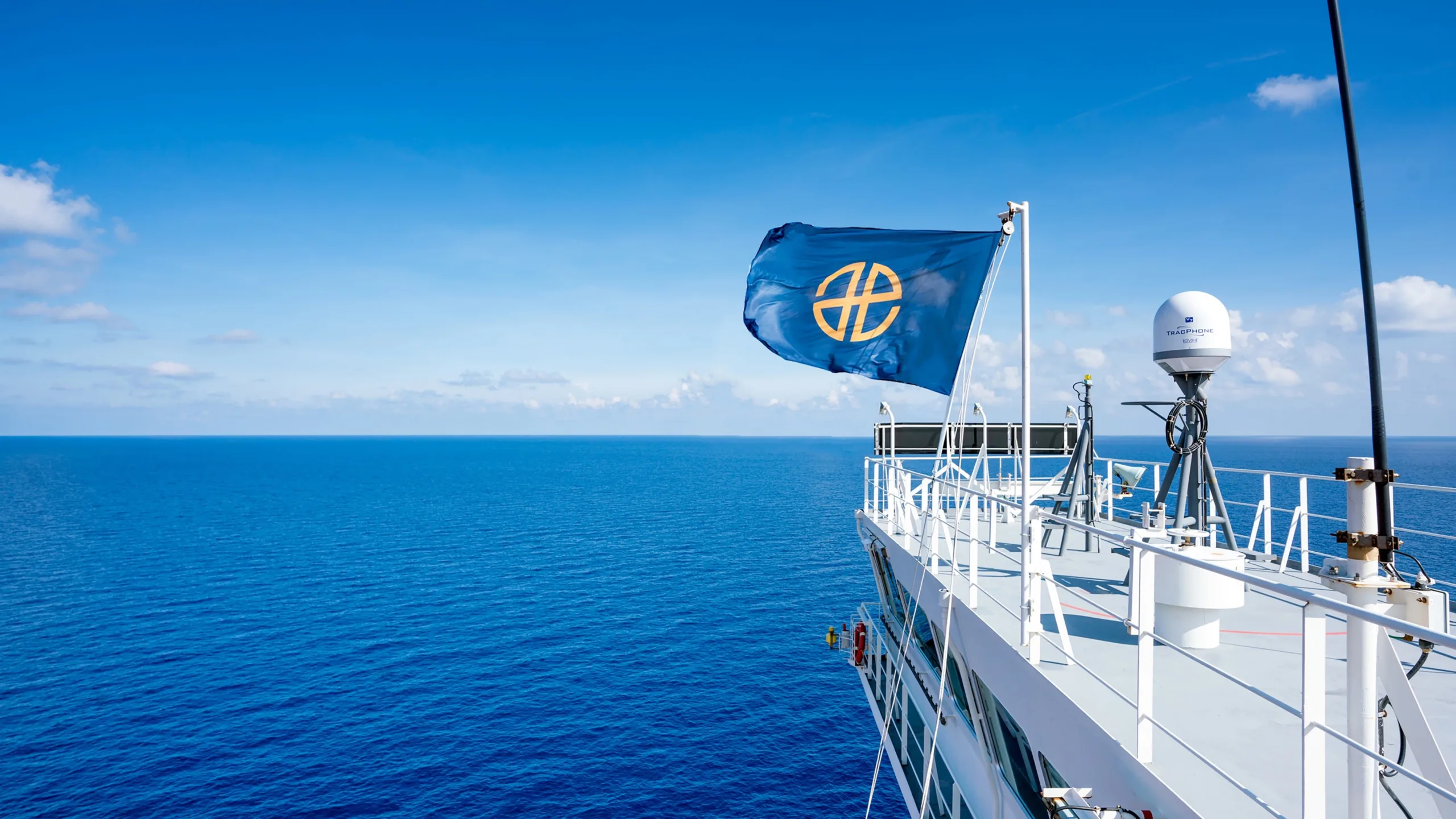
Merchant shipping companies like Anglo-Eastern have installed compact hydroponic units on cargo vessels to grow fresh greens for crews, demonstrating that even non-specialized ships can become partial farms. These systems improve crew nutrition and morale while reducing the need for port calls for provisioning.

Offshore platforms and coastal nations like Singapore have deployed floating aquaponic systems producing significant portions of local vegetables. Singapore's SkyGreens vertical farming system, while land-based, demonstrates the principles that can be adapted for maritime use. The city-state has invested heavily in food security technologies due to its limited land area.
 EcoWatch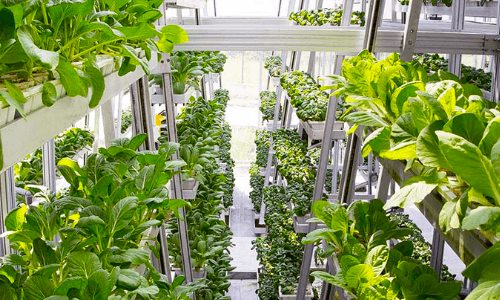
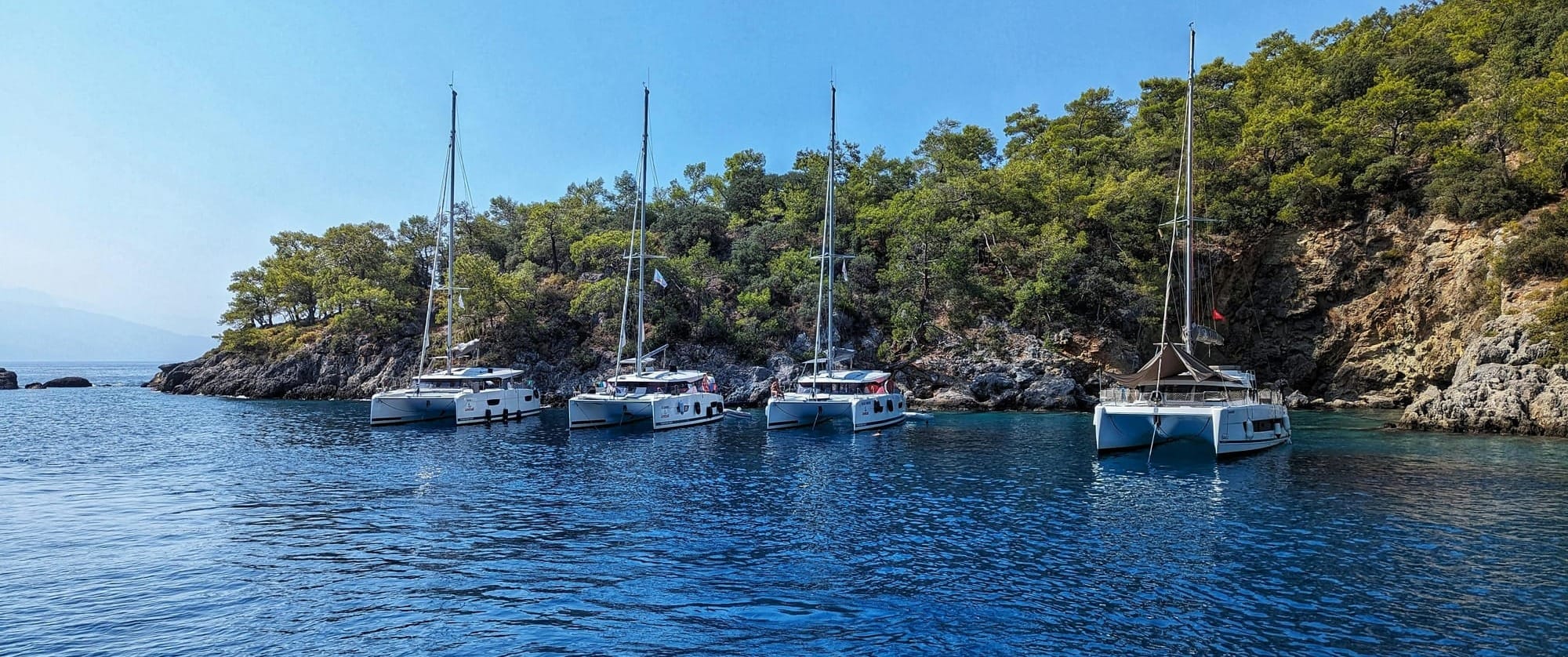
Proposals for large-scale "farm ships" or sailing catamarans equipped with aeroponic greenhouses further blur the line between transport and production. These concepts envision vessels that could sail to optimal growing conditions while continuously producing food, essentially combining agricultural and transportation functions.
Small-Scale Success Stories
On a smaller scale, numerous projects have demonstrated the viability of maritime food production:
The Ocean Forest in Norway combines seaweed and mussel farming with salmon aquaculture in a closed-loop system. The seaweed absorbs waste nutrients from the fish farms, while the mussels provide additional filtration. This integrated approach turns waste into resources while producing multiple marketable products.

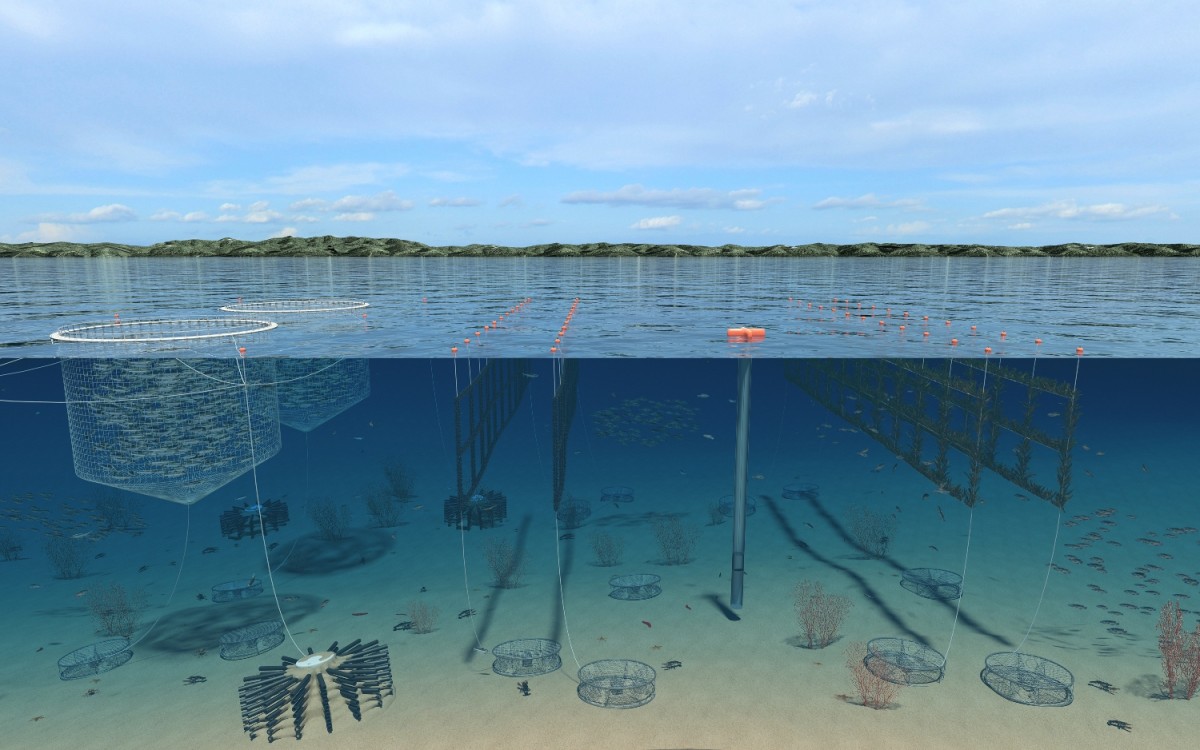
In the United States, GreenWave's 3D ocean farming model has been replicated by numerous small-scale producers along the Atlantic and Pacific coasts. These farms typically require minimal startup investment and can be established with basic equipment, making them accessible to new farmers.
 Contributors to Wikimedia projects
In the Netherlands, the Floating Farm in Rotterdam produces dairy and vegetables on a floating platform in the city's harbor. While not ocean-based, it demonstrates the principles of maritime food production in urban environments, showing how cities can become more food self-sufficient.


Challenges and Solutions
Technical and Operational Hurdles
Despite the promise, significant challenges remain:
Ship Motion: The constant movement of ocean platforms requires stabilized growing platforms or gimbal-mounted systems to prevent damage to plants and maintain consistent growing conditions. Solutions include self-leveling platforms, shock-absorbing mounting systems, and selective breeding of crops adapted to motion environments.
Corrosion: The harsh saltwater environment demands specialized materials resistant to corrosion. Advanced composites, marine-grade stainless steel, and protective coatings can extend system lifespans but increase initial costs.
Energy Balance: Energy density at sea must balance propulsion and farming needs. While renewable energy systems help, battery storage and energy management systems must be optimized for the marine environment. Advanced solar panels that can withstand salt spray, wind turbines designed for maritime conditions, and emerging wave energy converters offer promising solutions. Some designs even integrate energy harvesting directly into the floating structures themselves.
Regulatory and Legal Frameworks: The legal status of ocean farming varies significantly between jurisdictions. In international waters beyond exclusive economic zones (EEZs), governance remains unclear. Within national waters, permitting processes can be complex and time-consuming, often designed for traditional fishing or offshore energy rather than novel food production systems. The development of specialized maritime agriculture regulations will be crucial for scaling these technologies.
Economic and Financial Barriers: Initial capital costs for large-scale deployment remain high, though modular container-based systems lower the barrier to entry. Traditional agricultural financing mechanisms don't always align with the unique risk profile and revenue streams of maritime farming. New financial instruments, including blue bonds, impact investment funds, and insurance products tailored to ocean agriculture, are needed to accelerate adoption.
Overcoming the Challenges
Despite these hurdles, innovative solutions are emerging. The Ocean Farm Alliance, a coalition of maritime agriculture companies, research institutions, and policy organizations, is developing standardized certification protocols for ocean-grown produce. These standards will help build consumer confidence and streamline regulatory approval processes.
Technological advancements in materials science are producing new composites specifically designed for marine agriculture applications. These materials resist biofouling, corrosion, and UV degradation while maintaining structural integrity in harsh ocean conditions. Some even incorporate self-cleaning properties that reduce maintenance requirements.
The modular nature of many maritime farming systems allows for phased implementation and scaling. Farmers can start with small pilot systems to demonstrate viability before expanding operations. This approach reduces initial financial risk while allowing for optimization based on real-world performance data.
Policy Recommendations for Scaling Maritime Agriculture
To realize the full potential of decentralized maritime food production, policymakers should consider the following recommendations:
- Develop Comprehensive Ocean Zoning Frameworks
Governments should create dedicated ocean zones for food production, similar to existing frameworks for fishing, shipping, and energy. These designations would provide regulatory certainty while preventing conflicts with other ocean uses. The zoning process should incorporate ecosystem-based management principles to ensure environmental protection. - Streamline Permitting Processes
Current maritime permitting processes often fail to account for the unique characteristics of ocean farming. Regulatory agencies should develop specialized pathways for maritime agriculture that balance environmental protection with innovation. These processes should be transparent, predictable, and time-bound to encourage investment. - Provide Targeted Financial Incentives
Initial capital costs remain a significant barrier to adoption. Governments should consider tax incentives, grant programs, and loan guarantees specifically for maritime agriculture projects. These financial tools would help bridge the gap between pilot projects and commercial-scale operations. - Invest in Research and Development
Public investment in maritime agriculture research can accelerate technological development and reduce costs. Priority areas should include crop varieties adapted to marine environments, energy-efficient desalination technologies, and integrated farming systems that maximize productivity while minimizing environmental impact. - Support Workforce Development
Maritime agriculture requires specialized skills that combine traditional farming knowledge with marine operations and technical expertise. Educational institutions should develop training programs that prepare workers for careers in this emerging field. Apprenticeship programs and industry-academic partnerships can help build the necessary talent pipeline.
Economic Modeling and Market Potential
The economic potential of maritime agriculture is substantial. According to analysis by the Ocean Resources Institute, the global maritime agriculture market could reach $500 billion annually by 2050, representing approximately 15% of total food production. This growth would be driven by several factors:
Increasing Food Demand: With the global population projected to reach 10 billion by 2050, traditional agriculture alone cannot meet the projected 70% increase in food demand required by the UN Food and Agriculture Organization.
Premium Pricing for Sustainable Products: Maritime-grown produce can command premium prices due to its sustainability credentials, freshness, and novelty. Market research indicates that consumers are willing to pay 20-30% more for products with verifiable environmental benefits.
Reduced Transportation Costs: For coastal populations, maritime agriculture can dramatically reduce supply chain distances and associated costs. Island nations and coastal cities stand to benefit particularly from these savings.
Diversified Revenue Streams: Many maritime farming systems produce multiple products simultaneously, creating diverse income sources that enhance economic resilience. For example, a single platform might generate revenue from vegetables, shellfish, seaweed, carbon credits, and even tourism.
The investment requirements are significant but achievable. A comprehensive economic model developed by the Blue Economy Research Center estimates that establishing a global maritime agriculture sector capable of producing 10% of world food supply would require approximately $2 trillion in capital investment over the next two decades. While substantial, this investment would generate significant returns while creating thousands of jobs and enhancing food security.
Future Scenarios: The Evolution of Maritime Food Systems
As maritime agriculture technologies mature, several potential scenarios emerge for how these systems might integrate into our global food network:
Scenario 1: Distributed Network Model
In this scenario, numerous small to medium-scale maritime farms operate in coastal waters and near-shore environments, serving regional markets. These systems are often connected to digital platforms that coordinate production, distribution, and sales. This model emphasizes local food security and community engagement, with farms often owned by cooperatives or local entrepreneurs.
Scenario 2: Industrial Ocean Agriculture
Large corporations develop massive floating farm complexes operating primarily in international waters. These highly automated systems produce standardized commodities at scale, similar to industrial terrestrial agriculture. The products are distributed globally through existing supply chains, with emphasis on efficiency and cost reduction.
Scenario 3: Integrated Blue Economy
Maritime agriculture becomes fully integrated with other ocean-based industries, including renewable energy, aquaculture, and biotechnology. Floating platforms combine food production with wind turbines, solar arrays, and even carbon capture facilities. This holistic approach maximizes resource efficiency while minimizing environmental impact.
Scenario 4: Resilient Response Networks
Maritime agriculture systems are strategically deployed as part of global food security infrastructure. These platforms can be rapidly deployed to regions experiencing food shortages due to climate events, conflicts, or other disruptions. They serve as a crucial component of humanitarian response and climate adaptation strategies.
The most likely future will incorporate elements of all these scenarios, with different approaches thriving in different contexts based on local conditions, market demands, and regulatory environments.
The Path Forward: Building an Oceanic Food Industry
The transition to maritime agriculture will require coordinated action across multiple sectors. Technology developers must continue to innovate, reducing costs while improving reliability and productivity. Investors need to recognize the long-term potential of this emerging sector despite current uncertainties. Policymakers should create enabling environments that encourage experimentation while protecting marine ecosystems.
Consumers also play a crucial role. As awareness of maritime agriculture grows, consumer preferences will shape the development of these systems. Educational initiatives that highlight the environmental and nutritional benefits of ocean-grown foods can help build market demand.
The timeline for widespread adoption will vary by technology and region. Some applications, such as seaweed cultivation and shellfish farming, are already economically viable at scale. More technologically complex systems, such as floating greenhouses and vertical sea farms, may require another decade of development before achieving commercial viability.
Despite these challenges, the imperative for change is clear. Traditional agriculture faces unprecedented pressures from climate change, water scarcity, and land degradation. Maritime agriculture offers a promising alternative that can complement existing systems while reducing environmental impact.
As we stand at this critical juncture in human history, with our planet's resources strained as never before, the ocean offers a vast, untapped resource for feeding humanity. By embracing innovation and thinking beyond traditional boundaries, we can develop food systems that are not only productive but also regenerative, resilient, and equitable.
The Oceanic Food Industry is not merely about producing more food; it's about reimagining our relationship with the ocean and creating a more sustainable future for generations to come. The technologies, knowledge, and entrepreneurial spirit to make this vision a reality are already emerging. What remains is the collective will to transform these possibilities into practical solutions that can nourish our growing world while restoring the health of our oceans.
In the words of ocean explorer Jacques Cousteau,
"The sea, once it casts its spell, holds one in its net of wonder forever."
Perhaps it's time we let that wonder inspire not just exploration but innovation, turning to the vast blue expanse that covers our planet as a source of sustenance, hope, and renewal in an uncertain future.
John D John D
 John D