Closing the Loop: The Strategic Case for Self-Sustaining Perpetual Aquaponics Systems
A rigorous analysis of perpetual aquaponics: the biology, engineering, economics, and policy implications for a closed-loop food future.

Closing the Loop: The Strategic Case for Self-Sustaining Perpetual Aquaponics Systems
Summary
Global food systems are under compounding structural stress. Freshwater reserves are declining, arable land is being lost to degradation at a rate that outpaces restoration, and protein demand is projected to rise sharply as population and middle-class consumption grow in parallel. Conventional agriculture, even when optimized, remains materially dependent on external inputs: synthetic fertilizers, fossil-fuel-powered irrigation, and long-haul supply chains that proved brittle during the disruptions of the early 2020s.
Self-sustaining perpetual aquaponics represents a materially significant alternative architecture. By integrating aquaculture and hydroponic crop production within a closed biological loop, these systems recycle nutrients, recirculate water, and, at sufficient design maturity, recapture the energy required to operate them. The result is a food production model with a fundamentally different input dependency profile than either conventional agriculture or standard controlled-environment agriculture.
For policymakers, investors, and agri-tech operators willing to engage seriously with both the promise and the constraints of this model, the strategic case is substantive. This analysis examines the system's biological foundations, technical architecture, economic realities, and policy relevance, with the aim of informing decisions grounded in evidence rather than enthusiasm.
The System Defined: What "Perpetual" Actually Means
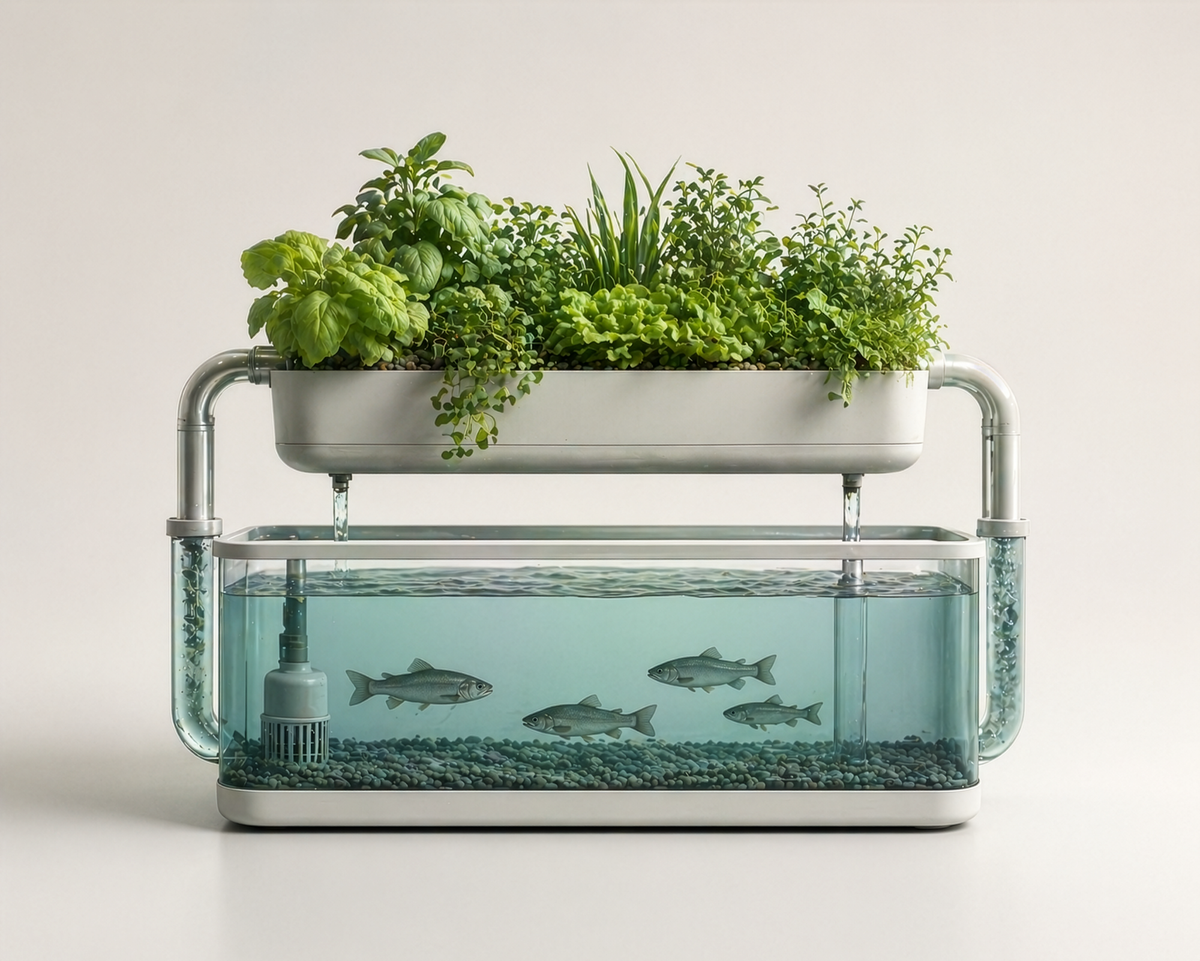
Aquaponics, in its conventional form, combines fish cultivation with soilless plant production by routing fish-waste-laden water through grow beds where plants extract nutrients before returning cleaner water to the fish tanks. This basic configuration is well-established. What distinguishes self-sustaining perpetual aquaponics is the ambition and engineering precision required to close every significant resource loop within the system boundary.
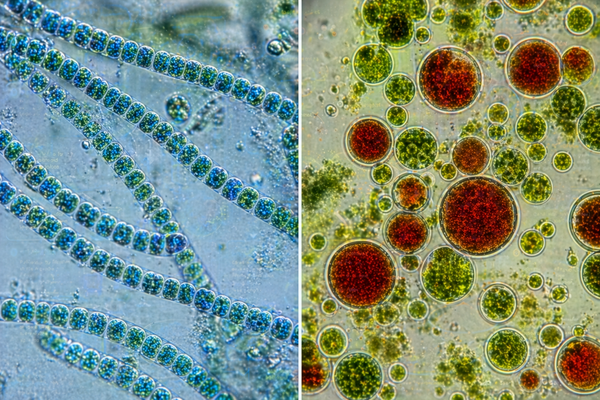
The biological core is the nitrogen cycle. Fish produce ammonia-rich waste. Two genera of nitrifying bacteria, Nitrosomonas and Nitrobacter, colonize the system's biofilter and convert ammonia first to nitrite and then to nitrate, a plant-available form of nitrogen. Plants assimilate nitrate, stripping it from the water column while producing biomass. The filtered water returns to the fish tanks. In a well-balanced system, this cycle operates continuously with negligible nitrogen loss to the environment.
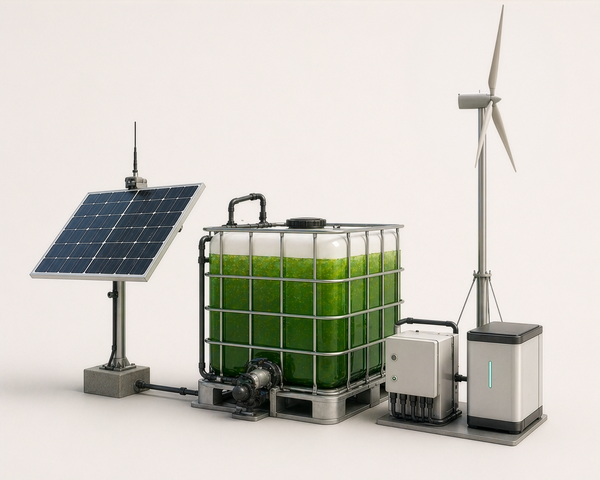
"Perpetual," as used here, does not imply thermodynamic impossibility. It implies operational design toward minimal external inputs: no synthetic fertilizers, no net water loss beyond evapotranspiration (offset by rainwater capture), and energy inputs sourced from within the system's own generation capacity. A concrete archetype is a media-bed and raft hybrid installation coupled to a solar array, where fish sludge undergoes anaerobic digestion to generate biogas that supplements electrical demand during low-irradiance periods. This is not a theoretical configuration; it has been demonstrated at pilot scale in multiple climatic contexts, though full energetic closure at commercial scale remains an active area of engineering development.
The distinction from conventional aquaponics is one of system integrity: perpetual systems are designed and monitored to maintain trophic balance as a primary operational objective, not an afterthought.
 John D
The Systemic Case: Why Now
The structural pressures that make perpetual aquaponics policy-relevant are well-documented, even where precise figures remain subject to methodological debate. FAO projections consistently indicate that agriculture accounts for the majority of global freshwater withdrawals, and that accessible freshwater per capita is declining in most inhabited regions. IPCC land-use assessments have identified soil degradation, desertification, and urban encroachment as compounding threats to productive agricultural area. These are not speculative scenarios; they are observed trends with documented trajectories.
Protein demand adds a further dimension. As populations grow and dietary patterns in lower-income economies shift toward higher animal-protein consumption, the pressure on conventional livestock and fisheries systems intensifies. Wild-catch fisheries are operating at or beyond sustainable yield limits across most major stocks, according to FAO's periodic State of World Fisheries reports. Aquaculture is expanding to fill the gap, but conventional aquaculture carries its own input burdens: feed sourced from wild fisheries, antibiotic use, and significant water quality impacts in open systems.
The post-2020 period added supply chain resilience to the analytical frame. Pandemic-era disruptions revealed the systemic vulnerability of globalized, just-in-time food logistics. Policymakers in food-importing nations and food-insecure urban regions have since shown measurably increased interest in distributed, locally operable food production infrastructure.
Net-zero agriculture mandates, now embedded in the climate commitments of a growing number of jurisdictions, create a further structural opening. Perpetual aquaponics, when fully realized, produces protein and vegetables with a fraction of the land use, water consumption, and synthetic input dependency of conventional equivalents. This positions it as a credible contributor to climate-smart agriculture portfolios, provided that the economic and operational constraints discussed below are addressed with equal rigor.
Key Finding: Perpetual aquaponics does not resolve food system fragility on its own, but it addresses several of its most structurally intractable features simultaneously: water dependency, input chain exposure, land use intensity, and proximity to end consumers. Its strategic value lies precisely in this convergence.
John D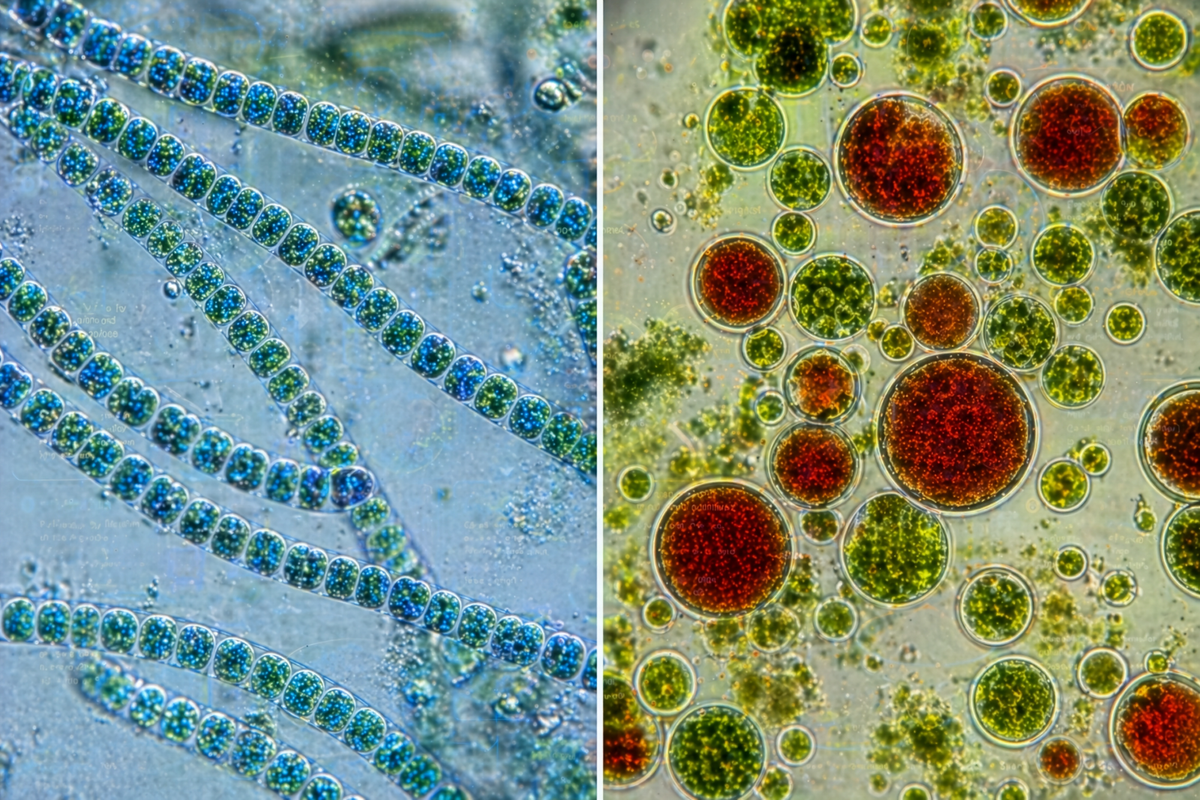
Technical Architecture: The Five Subsystems
A perpetual aquaponics installation is best understood as five interlocking subsystems, each with a specific engineering constraint that must be solved for genuine long-term closure.
- Fish production unit. Species selection determines the biological and commercial parameters of the entire system. Tilapia is the most widely used species globally, valued for its tolerance of variable water conditions, rapid growth rate, and broad market acceptance. Barramundi (Asian sea bass) commands premium pricing but requires tighter temperature and salinity management. Perch species are better suited to temperate climates and can access specialty markets. The key constraint is stocking density management: overcrowding elevates ammonia production faster than the biofilter can process it, triggering cascade failure. Perpetual systems require continuous biomass monitoring and disciplined harvest scheduling.
- Plant grow beds. Three primary configurations are in common use. Media-bed systems (gravel or expanded clay substrate) provide mechanical filtration and biofilm surface area in addition to plant support, making them well-suited to perpetual designs. Nutrient film technique (NFT) channels are more space-efficient but provide less biological buffering. Deep water culture (DWC) rafts offer high plant density and are favored for leafy greens. Hybrid configurations combining media beds (for solids management and biofiltration) with DWC rafts (for high-value crop production) represent current best practice for perpetual systems. The constraint is surface-area-to-volume ratio in the biofilm zone, which must be sufficient to handle peak ammonia loads.
- Biofilter and microbial ecology management. The nitrifying bacterial community is the system's most operationally fragile component. It is sensitive to pH excursions, chlorine contamination, antibiotic residues, and temperature swings. Perpetual systems require dedicated biofilter vessels with stable hydraulic retention times, regular monitoring of ammonia, nitrite, and nitrate concentrations, and established protocols for community recovery following disturbance. The constraint is microbial community resilience under operational stress.
- Water recirculation and oxygenation. Dissolved oxygen must be maintained above species-specific thresholds (typically 6-8 mg/L for most commercial fish species) at all points in the system. Pump redundancy is not optional in a perpetual design; a single pump failure can produce fish mortality within hours. Variable-speed pumps with automated dissolved oxygen sensors and backup power are standard components of serious installations. The constraint is continuous mechanical reliability under 24/7 operational demands.
- Energy and input closure. This is the subsystem where most current perpetual designs remain partially open. Solar photovoltaic arrays can meet a significant proportion of pumping and lighting loads in favorable climates. Anaerobic digestion of fish sludge produces biogas that can offset heating demands or supplement electrical generation. Rainwater harvesting addresses top-up water requirements. The constraint is achieving full energetic self-sufficiency across seasonal variation, which remains an engineering challenge at most latitudes without grid backup or battery storage.
John D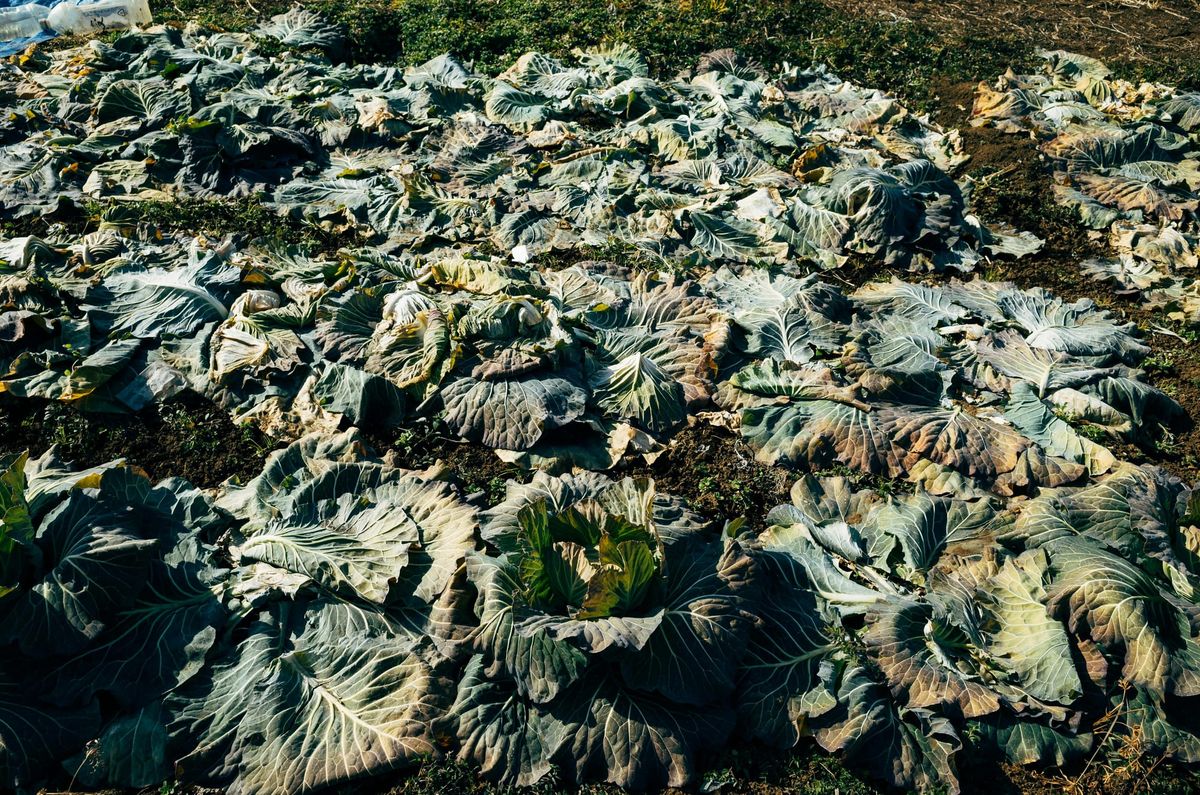
Economic Viability: The Unit Economics Problem
Intellectual honesty requires confronting the economic case with the same rigor applied to the biological one. Perpetual aquaponics is capital-intensive. A properly engineered installation, including redundant pumping, monitoring infrastructure, solar integration, and biofilter capacity, carries a significantly higher upfront cost per square foot than conventional greenhouse horticulture and a substantially higher cost than field agriculture. This is not a marginal difference; it is a structural feature of the model.
The CapEx-to-OpEx ratio shifts favorably as scale increases and as energy self-sufficiency is achieved. At smallholder scale (under 500 square feet of productive area), the economics are difficult without grant funding, community subsidy, or highly localized premium market access. At commercial greenhouse scale (roughly 500 to 10,000 square feet), the model becomes viable under specific conditions: consistent access to premium-priced produce markets (certified organic, hyper-local, or food-desert-adjacent retail), reliable offtake agreements for fish biomass, and energy costs reduced by solar integration. At industrial vertical farm scale, unit economics improve further, but capital requirements become correspondingly substantial, placing this tier beyond the reach of most community or smallholder operators without institutional financing.
Three revenue streams beyond primary produce sales merit serious attention. First, carbon credit monetization, while currently constrained by methodological gaps in aquaponics-specific accounting frameworks, represents a credible future revenue line as voluntary carbon markets mature. Second, educational and research licensing (hosting institutional partners, training programs, or demonstration agreements) has proven materially significant for several early-stage commercial operators. Third, in jurisdictions with supportive policy environments, climate-smart agriculture subsidies and blended finance instruments can materially shift the breakeven horizon.
Key Finding: The economic case for perpetual aquaponics is scale-sensitive and market-dependent. Below a threshold of operational sophistication and market access, the model is financially fragile. Above that threshold, its input cost structure compares favorably with conventional controlled-environment agriculture over a ten-to-fifteen-year horizon.
The labor intensity of perpetual systems also deserves candid treatment. Unlike field agriculture, these installations require technically skilled operators capable of interpreting water chemistry data, diagnosing microbial imbalances, and executing rapid interventions. This is not a low-skill employment model, which has implications for both operating cost projections and workforce development requirements.
John D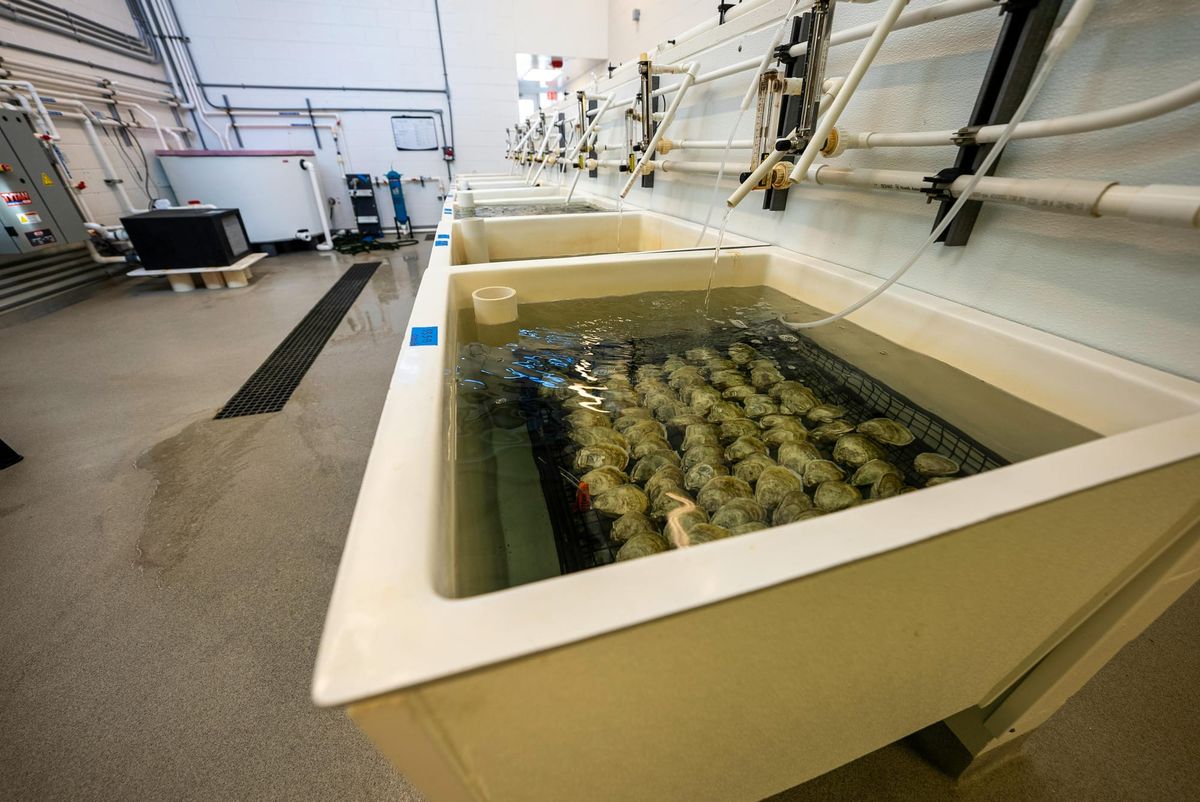
Key Risks and Failure Modes
No responsible analysis of perpetual aquaponics omits a frank assessment of its failure modes. The most acute risk is biological cascade failure. An ammonia spike (caused by overfeeding, a sudden fish mortality event, or biofilter disruption) can overwhelm the nitrifying bacterial community before corrective action is possible, producing nitrite toxicity in the fish population and a system collapse that may take weeks to fully remediate. This risk is high-likelihood and high-impact, placing it squarely in the critical quadrant of any risk register.
Energy dependency during grid outages represents a second high-impact risk, though one of variable likelihood depending on geography and infrastructure quality. A twelve-hour power outage without backup generation is sufficient to produce fish kills in a high-density system. Pump redundancy and battery backup mitigate but do not eliminate this exposure.
Microbial monoculture vulnerability is a more insidious risk. Biofilter communities dominated by a narrow range of nitrifier strains are more susceptible to acute disruption from temperature excursions, pH swings, or inadvertent chemical contamination (including chlorinated municipal water used for top-up). Building microbial diversity into the biofilter design is an active area of applied research, but best-practice protocols are not yet standardized across the industry.
Operator knowledge gaps represent a systemic risk at the sector level. Many installations that have underperformed or failed did so not because of design flaws but because of insufficient operator training. The complexity of managing a living biological system in real time is consistently underestimated in project planning.
Finally, market access risk is structurally significant for smallholder and community-scale operators. Proximity to premium retail channels is not uniformly distributed, and reliance on a single offtake relationship creates fragility that can undermine otherwise sound biological operations.
Policy and Investment Implications
For policymakers, perpetual aquaponics warrants explicit inclusion in food security strategy frameworks, particularly in urban and peri-urban contexts where land scarcity and supply chain vulnerability are most acute. Zoning reform to accommodate integrated food production facilities within industrial and commercial precincts, alongside targeted inclusion in climate-smart agriculture funding mechanisms, would materially lower the barrier to viable deployment. Public procurement commitments (anchoring institutional buyers such as hospitals, schools, or government cafeterias to local aquaponics producers) represent a de-risking lever that has been underutilized in most jurisdictions.
For investors and project developers, the asset class becomes viable when three conditions are present simultaneously: long-term offtake agreements that stabilize revenue, blended finance structures that reduce the effective cost of capital for the high-CapEx build phase, and technically credentialed operational partners. Impact-oriented capital, including development finance institutions and family offices with food system mandates, is better positioned than conventional private equity to absorb the longer payback horizons characteristic of this sector.

Conclusion: Toward a Closed-Loop Food Future
Perpetual aquaponics will not resolve the structural challenges of global food systems through deployment alone. What it offers is a replicable, locally operable production architecture that substantially reduces dependency on the input chains, water resources, and land area that conventional agriculture requires. The evidence base supporting its biological viability is solid; the engineering pathways to full closure are well-understood if not yet universally achieved; and the economic case, while contingent on scale and market conditions, is defensible under realistic assumptions.
The priorities that would most accelerate responsible sector development are the following. Policymakers should commission jurisdiction-specific feasibility assessments that link aquaponics deployment potential to existing food security gap analyses. Investors should prioritize co-investment in operator training infrastructure alongside physical facility development, recognizing that human capital is the binding constraint in most underperforming installations. Practitioners should invest in open-source monitoring and diagnostic tooling that makes biofilter management accessible to operators without advanced microbiology training. These are not aspirational goals; they are the logical next steps for a technology whose moment of policy relevance has arrived.
John D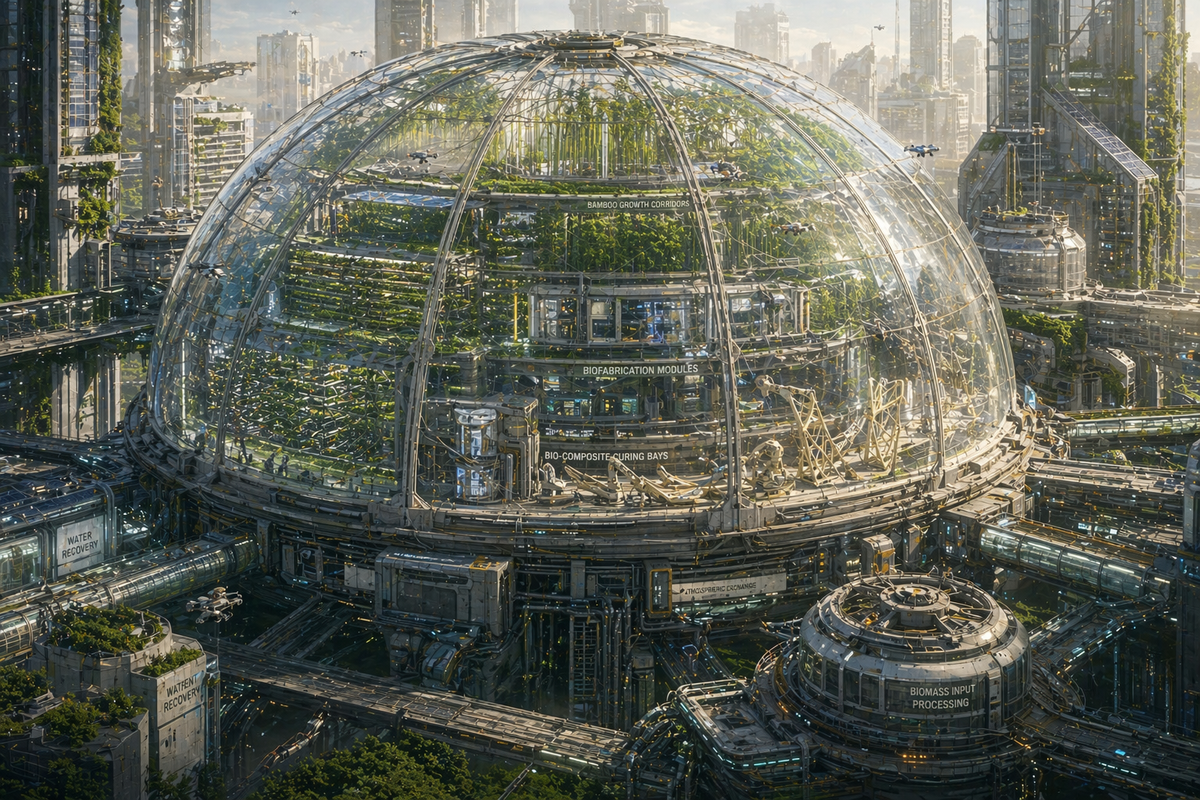 John D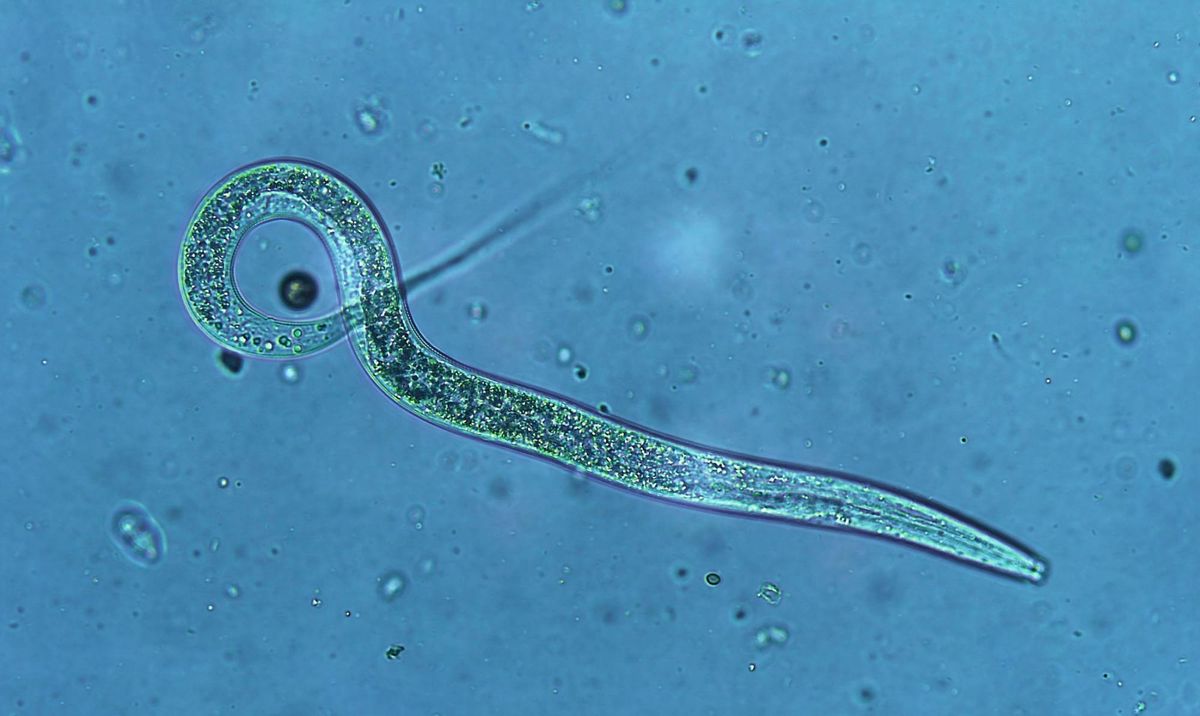
Further Reading and Selected Sources
The following sources informed the analytical framework of this piece and are recommended for readers seeking to examine the underlying evidence base in greater depth. Where aquaponics-specific literature is limited, adjacent disciplines (recirculating aquaculture systems, controlled environment agriculture, and food systems policy) provide the most relevant empirical grounding.
Aquaponics: Systems, Biology, and Design
Goddek, S., Joyce, A., Kotzen, B., and Burnell, G. M. (Eds.). (2019). Aquaponics food production systems: Combined aquaculture and hydroponic production technologies for the future. Springer Nature.
Rakocy, J. E., Masser, M. P., and Losordo, T. M. (2006). Recirculating aquaculture tank production systems: Aquaponics integrating fish and plant culture. SRAC Publication No. 454. Southern Regional Aquaculture Center.
Lennard, W., and Goddek, S. (2019). Aquaponics: The basics. In Goddek et al. (Eds.), Aquaponics food production systems. Springer Nature.
Nitrogen Cycling and Microbial Ecology
Hagopian, D. S., and Riley, J. G. (1998). A closer look at the bacteriology of nitrification. Aquacultural Engineering, 18(4), 223-244.
Verhagen, F. J. M., and Laanbroek, H. J. (1991). Competition for ammonium between nitrifying and heterotrophic bacteria in dual energy-limited chemostats. Applied and Environmental Microbiology, 57(11), 3255-3263.
Controlled Environment Agriculture and Food System Economics
Benke, K., and Tomkins, B. (2017). Future food-production systems: Vertical farming and controlled-environment agriculture. Sustainability: Science, Practice and Policy, 13(1), 13-26.
Despommier, D. (2010). The vertical farm: Feeding the world in the 21st century. St. Martin's Press.
Water, Land, and Global Food System Stress
Food and Agriculture Organization of the United Nations. (2020). The state of food and agriculture 2020: Overcoming agricultural challenges in a time of crisis. FAO.
Food and Agriculture Organization of the United Nations. (2022). The state of world fisheries and aquaculture 2022: Towards blue transformation. FAO.
Intergovernmental Panel on Climate Change. (2019). Special report on climate change and land. IPCC. (Chapter 5: Food security.)
Rockstrom, J., Steffen, W., Noone, K., et al. (2009). A safe operating space for humanity. Nature, 461, 472-475.
Energy Integration and Circular System Design
Al-Hafedh, Y. S., Alam, A., and Beltagi, M. S. (2008). Food production and water conservation in a recirculating aquaponic system in Saudi Arabia at different ratios of fish to plant biomass. Journal of the World Aquaculture Society, 39(4), 510-520.
Monsees, H., Kloas, W., and Wuertz, S. (2017). Decoupled systems on trial: Eliminating bottlenecks to improve aquaponic processes. PLOS ONE, 12(9), e0183056.
Policy, Urban Agriculture, and Food Security
Besthorn, F. H. (2013). Vertical farming: Social work and sustainable urban agriculture in an age of global food crises. Australian Social Work, 66(2), 187-203.
High Level Panel of Experts on Food Security and Nutrition. (2017). Nutrition and food systems: A report by the High Level Panel of Experts on Food Security and Nutrition. HLPE Report 12. FAO.
Space and Bioregenerative Systems (Emerging Context)
Wheeler, R. M. (2010). Plants for human life support in space: From Myers to Mars. Gravitational and Space Biology, 23(2), 25-35.
Hendrickx, L., De Wever, H., Hermans, V., et al. (2006). Microbial ecology of the closed artificial ecosystem MELiSSA. Advances in Space Research, 38(6), 1228-1235.
John D John D