Closed-Loop Urban Biomanufacturing: Engineering Self-Sustaining Production Systems for Smart Cities
Transform urban waste into resources with synthetic biology. Build self-sustaining circular economies in smart cities for resilient futures.


Synthetic Biology for Closed-Loop Urban Biomanufacturing: Engineering Self-Sustaining Production Systems in Smart Cities
Summary
Closed-loop urban biomanufacturing refers to the integration of biologically engineered production systems within urban environments to convert local waste streams and renewable inputs into valuable outputs such as food, fuels, and materials. Enabled by advances in synthetic biology, metabolic engineering, and modular bioprocessing technologies, these systems are designed to operate within circular resource flows, minimizing waste and reducing reliance on external supply chains.
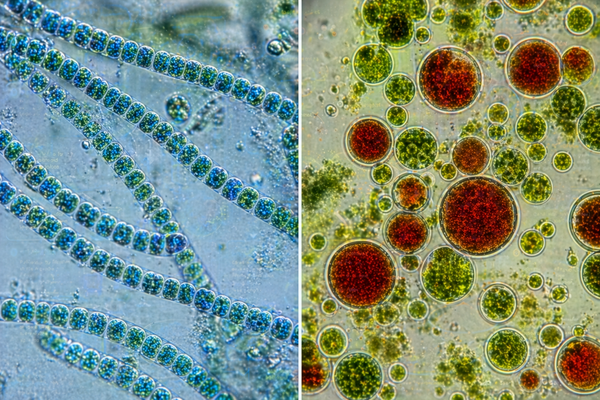
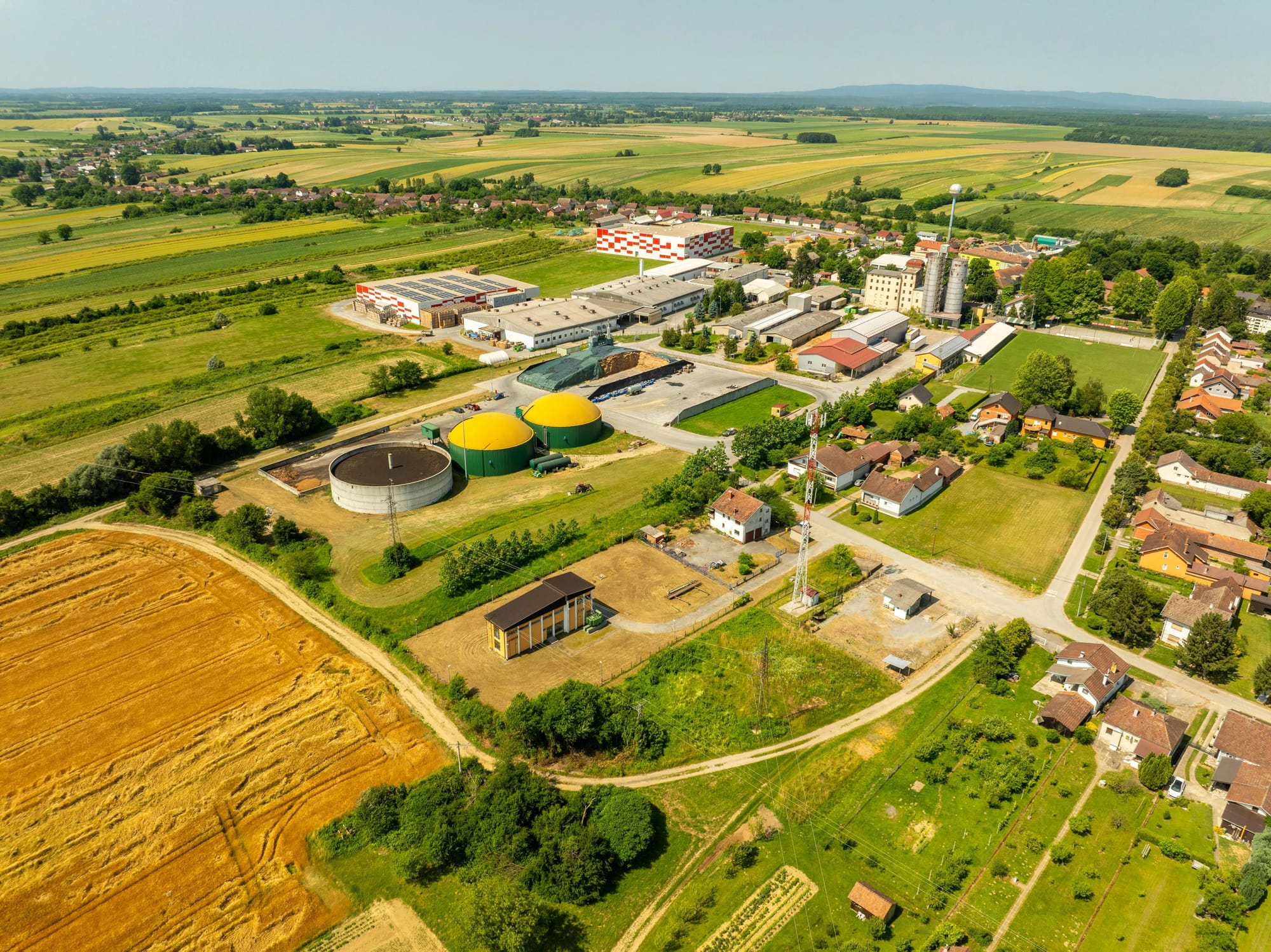
At its core, this paradigm leverages engineered microorganisms, such as bacteria, yeast, and algae, to transform organic waste, carbon dioxide (CO₂), and wastewater into usable products through controlled fermentation and bioconversion processes. These systems are increasingly integrated with urban infrastructure, including waste management networks, water treatment facilities, and distributed energy systems.
Strategically, closed-loop biomanufacturing presents a pathway for cities to enhance resilience, reduce environmental impact, and localize production. It aligns with broader sustainability objectives, including decarbonization and circular economy models. However, its deployment introduces complex considerations related to regulatory oversight, biosafety, infrastructure integration, and economic viability. Over the next decade, the convergence of biotechnology with digital systems and urban planning will determine the extent to which these systems scale beyond pilot implementations.
Conceptual Foundations
Synthetic biology is the design and engineering of biological systems to perform specific, predictable functions. In practical terms, it involves modifying the genetic code of organisms to enable them to produce desired compounds or perform targeted biochemical transformations. Metabolic engineering, a subset of this field, focuses on optimizing cellular pathways to increase the efficiency and yield of these processes.
Closed-loop systems, in contrast to traditional linear production models, are designed to recycle inputs and outputs within a continuous cycle. In urban contexts, this typically involves converting waste streams, such as food waste, sewage, or industrial emissions, into feedstocks for biological production systems. Outputs are then reintegrated into the urban economy, reducing the need for external resource inputs and minimizing waste disposal.
Traditional industrial production follows a linear model: raw materials are extracted, processed into goods, consumed, and ultimately discarded. This approach is resource-intensive and generates significant environmental externalities. Closed-loop urban biomanufacturing seeks to replace this model with circular flows, where waste becomes a resource and production is distributed closer to the point of consumption.

Use Case Example: The Amsterdam Circular Food Hub
Amsterdam's Circular Food Hub, implemented in 2023, exemplifies how closed-loop urban biomanufacturing can transform traditional linear production systems into circular, localized operations.
The Linear Model Problem
Prior to implementation, Amsterdam's food system followed the conventional linear model: food produced in rural areas was transported 100+ km to the city, consumed, with approximately 40% becoming waste that was transported 50 km to landfills. This system generated significant CO₂ emissions (estimated 12,000 tonnes annually) and lost valuable nutrients.
The Circular Solution
The Circular Food Hub integrates three interconnected facilities:
- Organic Waste Collection & Pre-processing Centers
- Located at neighborhood waste collection points
- Process 200 tonnes daily of food waste from restaurants, households, and food processing facilities
- Separate organic matter into standardized feedstock for bioprocessing
- Urban Biomanufacturing Facility
- Houses modular bioreactors using engineered microbes (Bacillus subtilis and Yarrowia lipolytica strains)
- Converts organic waste into:
- Single-cell proteins (35% protein content) for animal feed
- Biodegradable packaging materials (PHA polymers)
- Organic fertilizers (nitrogen-rich biofertilizer)
- Operates at 85% material efficiency with minimal waste
- Urban Agriculture Integration
- Supplies bioproducts to urban vertical farms and rooftop gardens
- Creates a closed nutrient loop where urban agriculture waste returns to the biomanufacturing facility
Results
- Reduced food transportation emissions by 68%
- Diverted 90% of organic waste from landfills
- Produced 15 tonnes of protein supplements and 8 tonnes of bioplastics monthly
- Created 47 new green jobs in biotechnology and circular economy sectors
- Achieved cost parity with conventional products within 18 months of operation
Civic Utility Impact
This system provides Amsterdam with:
- Enhanced food security through localized production
- Reduced waste management costs (€2.3 million annual savings)
- New economic opportunities in the circular bioeconomy
- A replicable model for other European cities
The Amsterdam example demonstrates how closed-loop biomanufacturing can transform urban waste from an environmental liability into a valuable resource, creating economic value while reducing environmental impact.
System Architecture of Urban Biomanufacturing
Urban biomanufacturing systems are composed of interconnected components that facilitate the transformation of local inputs into valuable outputs.
Feedstock Inputs:
Primary inputs include organic waste (e.g., food scraps, agricultural residues), CO₂ captured from industrial or atmospheric sources, and wastewater. These inputs are pre-processed to ensure compatibility with biological systems, often involving filtration, sterilization, or chemical conditioning.
Bioprocessing Units:
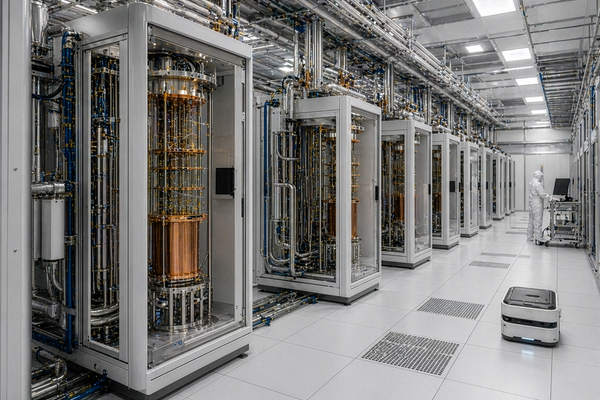
The core of the system consists of modular bioreactors and fermentation units. These systems house engineered microorganisms that carry out biochemical transformations. Modular designs enable scalability and deployment across diverse urban settings, from centralized facilities to distributed micro-units embedded in buildings or neighborhoods.
Output Streams:
Outputs vary depending on the engineered pathways and operational objectives. Common products include:
- Microbial proteins for food and feed
- Biofuels such as ethanol or biodiesel
- Bioplastics and biodegradable materials
- Specialty chemicals, including pharmaceuticals and industrial precursors
Infrastructure Integration:
These systems are increasingly integrated with existing urban infrastructure. Waste management systems supply feedstocks, water treatment facilities provide purified inputs and manage effluent, and energy grids supply power for bioprocessing operations. In some configurations, excess heat or biogas generated during processing can be fed back into the energy system.
Digital Layer:
Automation, Internet of Things (IoT) sensors, and artificial intelligence (AI) are critical for monitoring and controlling biological processes. Real-time data on temperature, pH, nutrient levels, and microbial activity enables dynamic optimization, improving efficiency and reducing the risk of system failure.
Key Technologies and Enablers
Several technological advancements underpin the feasibility of closed-loop urban biomanufacturing.
Gene Editing and Synthetic Pathways:
Technologies such as CRISPR-based gene editing enable precise modification of microbial genomes. This allows for the creation of synthetic metabolic pathways that can convert unconventional feedstocks into high-value products.
Continuous Fermentation Systems:
Unlike batch processing, continuous fermentation maintains a steady-state environment, allowing for uninterrupted production. This increases efficiency and reduces downtime, making it suitable for urban deployment where space and resources are constrained.
Biofoundries:
Biofoundries are automated facilities that design, build, and test engineered organisms at scale. They accelerate the development of new strains and processes, reducing time-to-deployment for urban biomanufacturing applications.
Edge Computing and AI:
Edge computing enables real-time data processing at the site of bioproduction, reducing latency and improving responsiveness. AI models can predict system behavior, optimize conditions, and detect anomalies, enhancing reliability and performance.
Advanced Bioreactor Design:
Innovations in reactor design, such as microfluidic systems and membrane-based reactors, enable greater control over biological processes and facilitate integration into compact urban environments.
Use Cases in Smart Cities
Closed-loop biomanufacturing supports a range of applications within smart city ecosystems.
Urban Food Production:
Precision fermentation allows for the production of proteins, fats, and other nutrients using microbial systems. These processes can be deployed in urban facilities, reducing dependence on agricultural supply chains and mitigating land-use pressures.
Waste-to-Value Systems:
Municipal waste streams can be converted into valuable products. For example, organic waste can be processed into biogas or converted into biodegradable plastics, reducing landfill use and generating economic value.
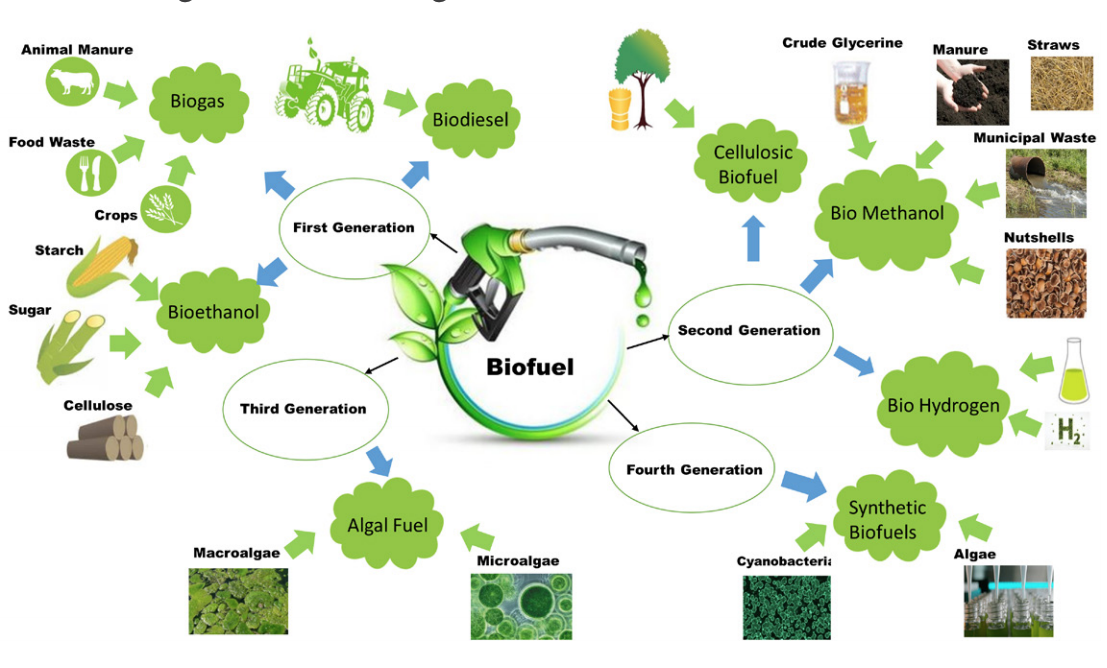
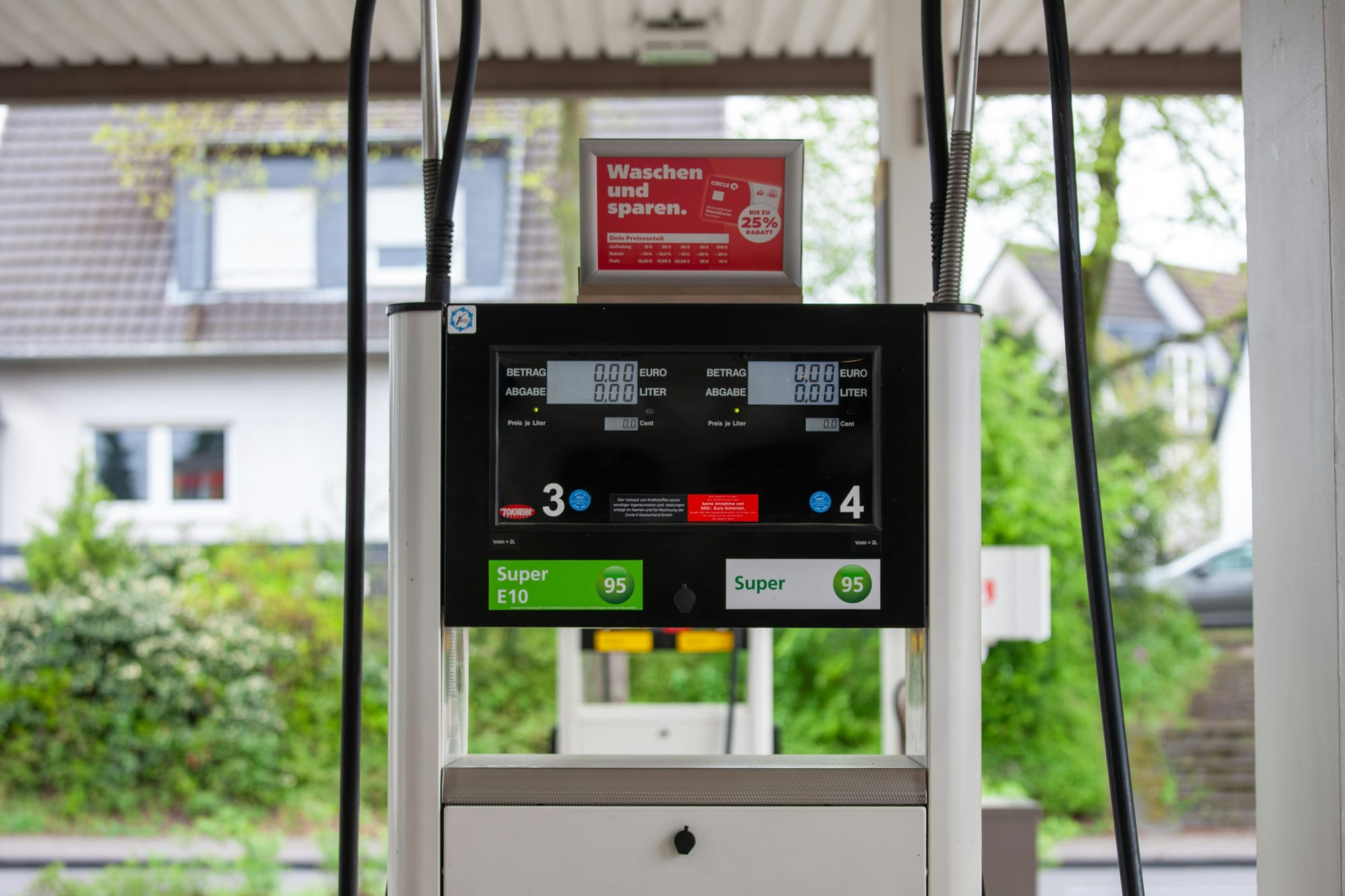
Distributed Biofuel Production:
Localized production of biofuels from waste inputs can support urban transportation systems or backup energy generation, contributing to energy fuel diversification and resilience.
Construction Materials:
Biologically derived materials, such as bio-cement and mycelium-based composites, offer sustainable alternatives to conventional construction materials. These can be produced locally, reducing transportation emissions and supporting circular construction practices.
Emergency Resilience:
In scenarios where global supply chains are disrupted, urban biomanufacturing systems can provide localized production of essential goods, including food and basic chemicals. This enhances the resilience of cities to external shocks.
Economic and Operational Considerations
The economic viability of closed-loop urban biomanufacturing depends on several factors.
Capital and Operating Costs:
Initial capital expenditures (CapEx) for bioreactors, infrastructure integration, and facility construction can be significant. However, operating expenses (OpEx) may be lower over time due to reduced input costs and waste disposal fees.
Scalability:
Modular systems enable incremental scaling, allowing cities to deploy capacity based on demand. This reduces financial risk and supports phased implementation.
Supply Chain Impacts:
By localizing production, these systems reduce reliance on global supply chains. This can improve resilience but may also disrupt existing industries and require new distribution models.
Cost Competitiveness:
Biomanufactured products must compete with traditional alternatives on cost and performance. Advances in process efficiency and economies of scale will be critical to achieving parity.
Policy, Regulatory, and Ethical Considerations
The deployment of engineered biological systems in urban environments raises important governance challenges.
Biosafety and Biosecurity:
Ensuring that engineered organisms do not pose risks to human health or the environment is a primary concern. Containment strategies and monitoring systems are essential components of system design.
Regulatory Frameworks:
Existing regulations for biotechnology may not fully address the complexities of distributed urban deployment. Policymakers will need to adapt frameworks to account for new use cases and risk profiles.
Public Acceptance:
The introduction of biomanufacturing systems into cities may face public scrutiny. Transparent communication and stakeholder engagement are critical to building trust.
Intellectual Property:
Control over engineered organisms and production processes may be concentrated among a limited number of firms, raising questions about access, competition, and innovation.
Risks and Constraints
Despite its potential, closed-loop urban biomanufacturing faces several constraints.
Biological Variability:
Living systems are inherently variable, which can affect process stability and output consistency. Robust control systems are required to manage this variability.
Contamination Risks:
Unwanted microorganisms can disrupt production processes, leading to losses and safety concerns. Maintaining sterile conditions is particularly challenging in distributed urban settings.
Resource Requirements:
Bioprocessing systems require energy, water, and nutrients. Ensuring that these inputs are sustainably sourced is critical to maintaining the environmental benefits of the system.
Infrastructure Challenges:
Retrofitting existing urban infrastructure to accommodate biomanufacturing systems can be complex and costly. Coordination across multiple stakeholders is often required.
Strategic Outlook (10–20 Year Horizon)
Over the next two decades, closed-loop urban biomanufacturing is likely to evolve in tandem with advancements in digital infrastructure, climate technologies, and urban planning.
Integration with smart city platforms will enable more efficient resource management, as data from multiple systems is used to optimize production and distribution. Advances in AI and automation will further reduce operational complexity, enabling more autonomous systems.
From a sustainability perspective, these systems could play a meaningful role in decarbonization by reducing emissions associated with transportation and enabling the use of renewable inputs. They also support circular economy models by transforming waste into valuable resources.
However, widespread adoption will depend on resolving key challenges related to cost, regulation, and public acceptance. Incremental deployment through pilot projects and targeted use cases is likely to precede broader scaling.
Hypothetical Use Case: Integrated Urban Biomanufacturing Network (2040s)
System Overview
By the 2040s, we can expect to see cities implementing fully integrated biomanufacturing networks that function as a single metabolic system. These networks would leverage advanced synthetic biology, AI, and distributed infrastructure to create circular resource flows at the city scale.
Key Components
Distributed Microbial Processing
- Nano-bioreactors embedded within existing infrastructure (buildings, water systems)
- Engineered microbes that perform specific functions based on real-time resource availability
- Self-regulating microbial communities that adapt to changing conditions
Intelligent Resource Grid
- Automated transport system for liquid and gaseous resources
- Dynamic routing based on AI-driven demand forecasting
- Integration with existing waste management and water treatment systems
Cognitive Control Platform
- City-wide digital twin that models biological processes
- Predictive optimization of resource flows
- Autonomous operation with minimal human intervention
Core Functions
Air Quality Management
- Building-integrated photosynthetic microbes capturing CO₂ and pollutants
- Conversion of captured carbon into construction materials
- Bioluminescent systems providing ambient lighting while purifying air
Water Purification
- Bioengineered microorganisms removing contaminants from waterways
- Recovery of valuable elements from wastewater
- Significantly increased water recycling rates
Localized Production
- Precision fermentation facilities producing customized nutrients
- Biologically derived construction materials grown to specification
- Biodegradable electronics and components
Energy Generation
- Microbial fuel cells converting organic waste to electricity
- Biohydrogen production using engineered photosynthetic organisms
- Biological energy storage systems
Implementation Challenges
Technical Considerations
- Maintaining stability in complex microbial ecosystems
- Ensuring reliable performance across diverse urban environments
- Managing system interactions with existing infrastructure
Regulatory Frameworks
- Developing biosecurity protocols for distributed biological systems
- Creating governance models for autonomous biological infrastructure
- Establishing standards for biological manufacturing in urban settings
Economic Factors
- High initial capital investment
- Transitioning from linear to circular economic models
- Balancing costs with long-term sustainability benefits
Potential Impact
Environmental Benefits
- Significant reduction in urban carbon emissions
- Decreased reliance on external resource inputs
- Enhanced local biodiversity through designed ecosystems
Economic Advantages
- New industries and job categories in urban biotechnology
- Reduced transportation and waste management costs
- Increased resilience to supply chain disruptions
Social Implications
- Improved quality of life through cleaner environments
- New educational and research opportunities
- Enhanced community engagement with local resource systems
Implementation Timeline
Based on current technological trajectories, we can expect:
- 2025-2030: Pilot programs in specific neighborhoods
- 2030-2035: Integration with existing infrastructure
- 2035-2040: City-wide implementation in advanced urban centers
- 2040-2045: Refinement and optimization based on performance data
This hypothetical use case demonstrates how closed-loop urban biomanufacturing could evolve into a fundamental component of urban infrastructure, transforming how cities manage resources and interact with their environment.
Conclusion
Closed-loop urban biomanufacturing represents a convergence of biotechnology, infrastructure, and digital systems aimed at redefining how cities produce and consume resources. By leveraging engineered microorganisms and circular resource flows, these systems offer a pathway toward more sustainable and resilient urban environments.
While the underlying technologies are advancing rapidly, their integration into real-world urban systems remains complex. Economic viability, regulatory alignment, and societal acceptance will be critical determinants of success. Rather than a wholesale transformation, the near-term trajectory is likely to involve targeted deployments in areas where the value proposition is स्पष्ट and risks are manageable.
In this context, closed-loop biomanufacturing can be understood as one component of a broader strategy to modernize urban systems. Its long-term impact will depend on how effectively it is integrated with complementary technologies and governance frameworks.