SMRs: The Power Solution for Remote Communities & Off-Grid Sites
Can modular nuclear replace diesel in remote areas? Explore SMRs for mining, polar bases, and floating cities.

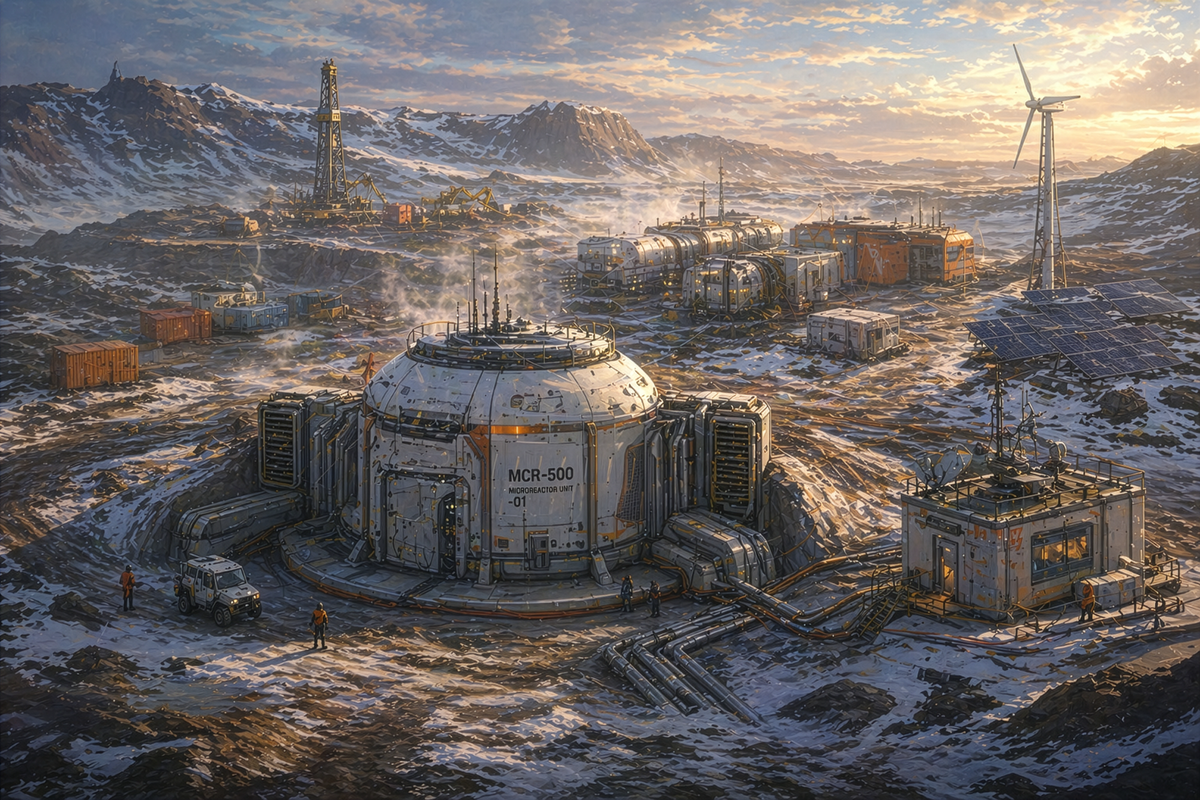
Modular Nuclear Reactors for Off-Grid and Extreme-Environment Applications: Enabling Remote Communities, Mining Operations, Polar Research Stations, and Floating Ocean Cities
Summary
Small modular reactors (SMRs) and micro-reactors represent a strategically important technology for decarbonizing and securing energy supply in off-grid and extreme-environment settings. Defined as reactors producing less than 300 MWe (SMRs) or typically under 20 MWe (micro-reactors), these systems offer factory-fabricated, transportable power solutions with passive safety features, high capacity factors (>90%), and the ability to co-generate heat for district heating or desalination. Compared with diesel generators, which dominate remote power markets at levelized costs of USD 0.15–0.60/kWh and incur substantial logistical and environmental burdens. SMRs can deliver 20–60% lower LCOE in suitable remote applications once nth-of-a-kind (NOAK) economics are achieved.
Quantitative benefits include near-zero operational GHG emissions, elimination of frequent fuel resupply (reducing spill risks and black-carbon deposition in polar regions), and enhanced energy sovereignty for isolated communities. Primary barriers remain first-of-a-kind (FOAK) capital costs, protracted licensing timelines, public acceptance in sensitive environments, and supply-chain constraints for specialized components. Mitigation pathways include recent regulatory reforms, such as the U.S. NRC’s risk-informed Part 53 framework (effective April 2026) and Canada’s CNSC construction license for the BWRX-300, along with public-private risk-sharing models.
Decision-makers should prioritize targeted demonstration projects, harmonized international standards for marine and remote deployment, and early community engagement to accelerate deployment by 2030–2035.
The Technology: Small Modular Reactors (SMRs) and Micro-Reactors
SMRs are advanced nuclear reactors with electrical output typically below 300 MWe per module; micro-reactors generally range from 1–20 MWe and are designed for even smaller footprints and minimal on-site staffing. Core design advantages relative to traditional gigawatt-scale reactors include factory-based modular construction (reducing on-site labor and schedule risk), enhanced passive safety systems (natural circulation cooling, gravity-driven shutdown), load-following capability, and significantly smaller exclusion zones; often enabling siting closer to demand centers.
Leading designs relevant to remote and marine applications include:
- GE Hitachi BWRX-300 (300 MWe boiling-water reactor): Natural-circulation design; construction license issued by CNSC in April 2025 for Ontario Power Generation’s Darlington site, with first power targeted for ~2030.
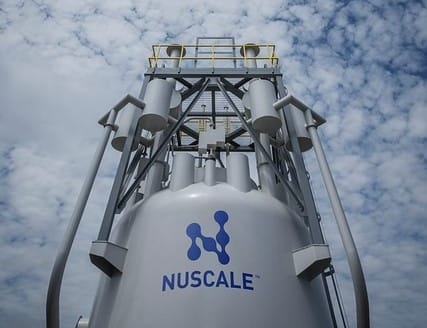
- NuScale VOYGR (77 MWe per module, scalable to 12 modules): Integral pressurized-water reactor (PWR); NRC design certification complete; multiple international deployments under consideration.
- X-energy Xe-100 (80 MWe high-temperature gas reactor): Pebble-bed technology; construction start planned 2026 at Dow Chemical’s Seadrift, Texas site for industrial heat and power.
- Holtec SMR-160 and Westinghouse AP300 (300 MWe PWR derivative): Both advancing through licensing pathways.
- Micro-reactor examples: Oklo Aurora (15–75 MWe sodium-cooled fast reactor; demo targeted ~2027–2028), Westinghouse eVinci (micro heat-pipe design), and Ultra Safe Nuclear MMR (high-temperature gas micro-reactor).
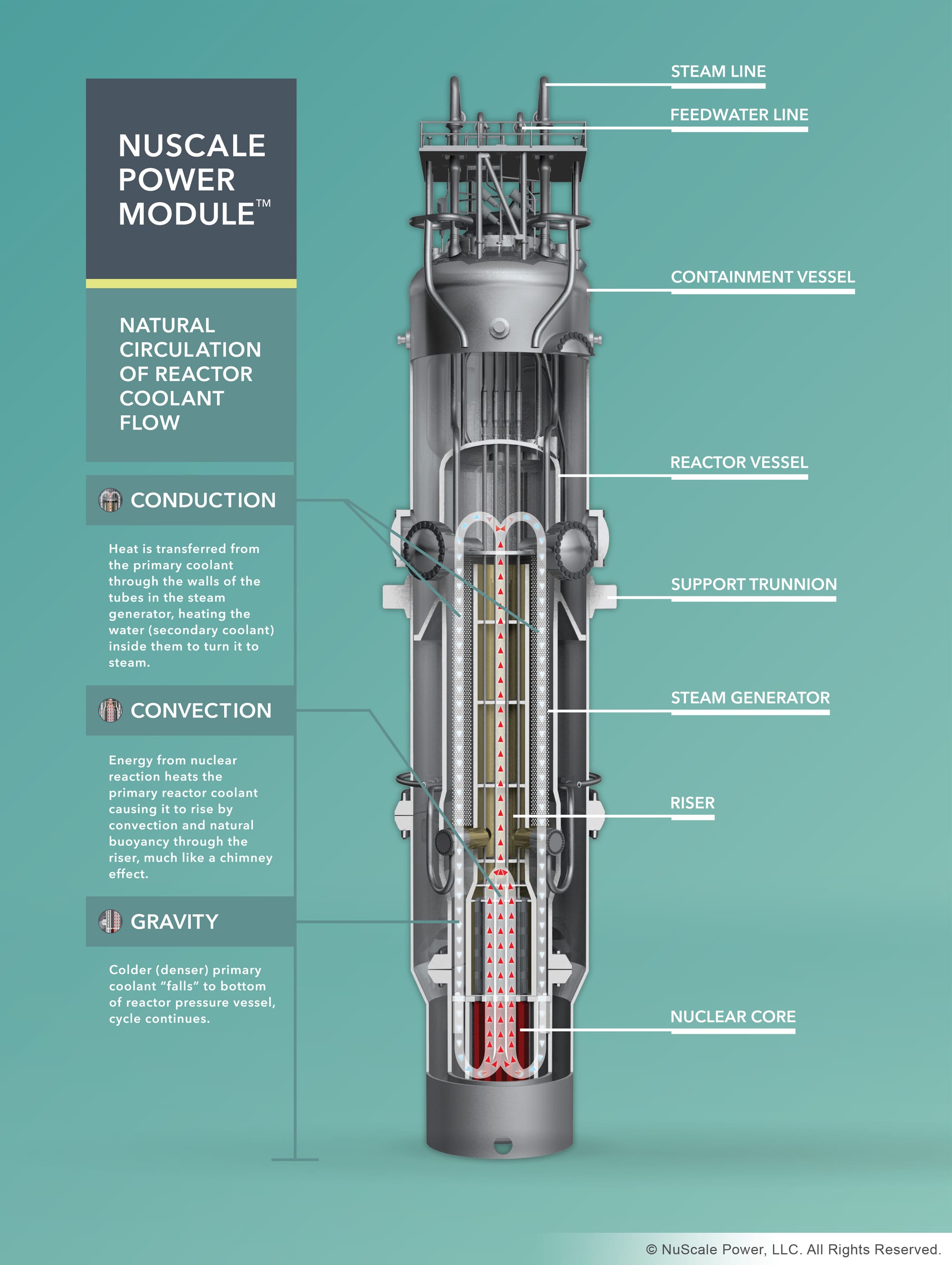
As of early 2026, two SMRs operate globally (primarily Russian designs), four are under construction (including China’s ACP100 and Russia’s RITM variants), and nine designs are in advanced licensing stages. The IAEA SMR Regulators’ Forum and recent NRC/CNSC milestones signal accelerating regulatory maturity, though FOAK projects will test supply-chain and financing models.
Early engagement with regulators on technology-inclusive frameworks can compress timelines from concept to operation to under a decade for NOAK units.
Energy Challenges in Remote and Isolated Settings
Remote communities, mining camps, and polar research stations remain heavily dependent on diesel generators. In Canada alone, over 290 off-grid communities rely on fossil-fueled microgrids averaging 1.8 MWe capacity; similar patterns exist in Alaska, Australia’s outback, and Arctic/Antarctic bases. Annual diesel consumption for a mid-sized mine or community can exceed millions of liters, incurring transport costs that fluctuate with volatile fuel prices and seasonal ice-road or airlift logistics. Environmental externalities include GHG emissions, black-carbon deposition (accelerating Arctic ice melt), and spill risks in fragile ecosystems.
Grid isolation demands dispatchable, high-capacity-factor power sources capable of 24/7 operation and rapid response to variable loads (e.g., mining crushers or research instruments). Renewables-plus-storage solutions face challenges from extreme weather, low solar insolation in polar winters, and the prohibitive cost of long-duration storage at scale. Nuclear micro-reactors and SMRs address these gaps by providing baseload power with minimal refueling (every 10–20 years for many designs) and optional process-heat output for water purification or district heating.
Implication for decision-makers: Replacing diesel fleets with nuclear options requires holistic economic modeling that internalizes fuel-logistics and environmental costs.
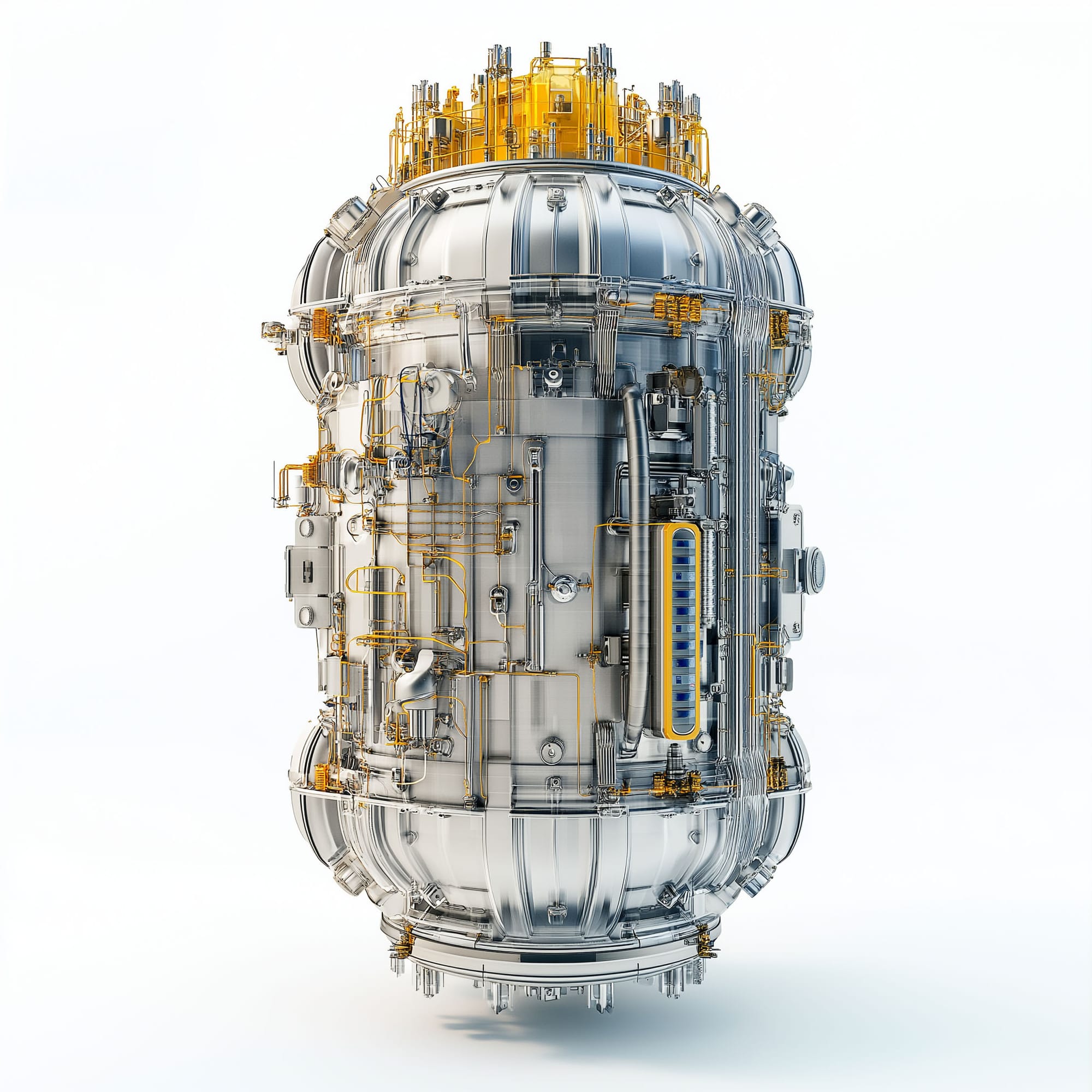
Application 1: Remote Communities
Alaskan villages, Canadian northern territories, and island nations exemplify diesel-dependent microgrids where SMRs and micro-reactors can deliver energy sovereignty and cost stability. Power demand profiles typically range from 0.5–10 MWe, with peaks driven by heating and community facilities. Integration with micro-grids is facilitated by SMR load-following and black-start capabilities; co-generation enables district heating and desalination, addressing dual energy-water challenges.
Socio-economic impacts include reduced energy poverty, stabilized electricity rates (insulating against diesel price shocks), and local job creation during construction and operations. Community acceptance remains a key variable; early, transparent engagement and benefit-sharing models (e.g., equity stakes or revenue sharing) have proven effective in Canadian feasibility studies.
Implication for decision-makers: Pilot deployments in willing remote communities can generate real-world data to inform broader rollout.
Application 2: Mining Outposts
Mining operations impose heavy industrial loads (haul trucks, crushers, processing plants) often exceeding 10–50 MWe continuously. Diesel currently dominates, with LCOE frequently exceeding USD 0.30/kWh when including transport. Canadian SMR Roadmap analyses indicate 20–60% cost advantage for nuclear in mid-sized mines once NOAK economics materialize. ESG investor pressure and Scope 1 & 2 emission reduction targets are accelerating interest; several Canadian mining consortia have advanced feasibility studies for SMR deployment.
Implication for decision-makers: Mining companies should incorporate nuclear options into long-term decarbonization roadmaps and partner with vendors on site-specific feasibility work.
Application 3: Research Stations in Extreme Environments
Polar bases (Antarctic stations, Arctic outposts, Greenland ice camps) face seismic, permafrost, extreme-cold, and limited-maintenance-window constraints. SMRs and micro-reactors with passive systems and sealed cores are well-suited; dual-use heat supports water purification, hydrogen production, and instrument power. Russian floating nuclear plants have demonstrated adaptation for high-latitude research support.
Implication for decision-makers: International research consortia should evaluate nuclear co-location to reduce carbon footprints and extend operational seasons.
Application 4: Floating Ocean Cities and Seasteading Platforms
Floating ocean cities introduce unique marine challenges: corrosion, wave motion, tsunami/seismic resilience, UNCLOS regulatory jurisdiction, and emergency evacuation. Technical adaptations include barge-mounted or integral PWR/molten-salt designs, dynamic positioning systems, and enhanced containment for marine environments. Russia’s Akademik Lomonosov (two KLT-40S reactors, 70 MWe + heat) has operated successfully since 2020 in Pevek, generating over 1 billion kWh and supplying ~60% of regional power; providing a proven precedent for marine nuclear.
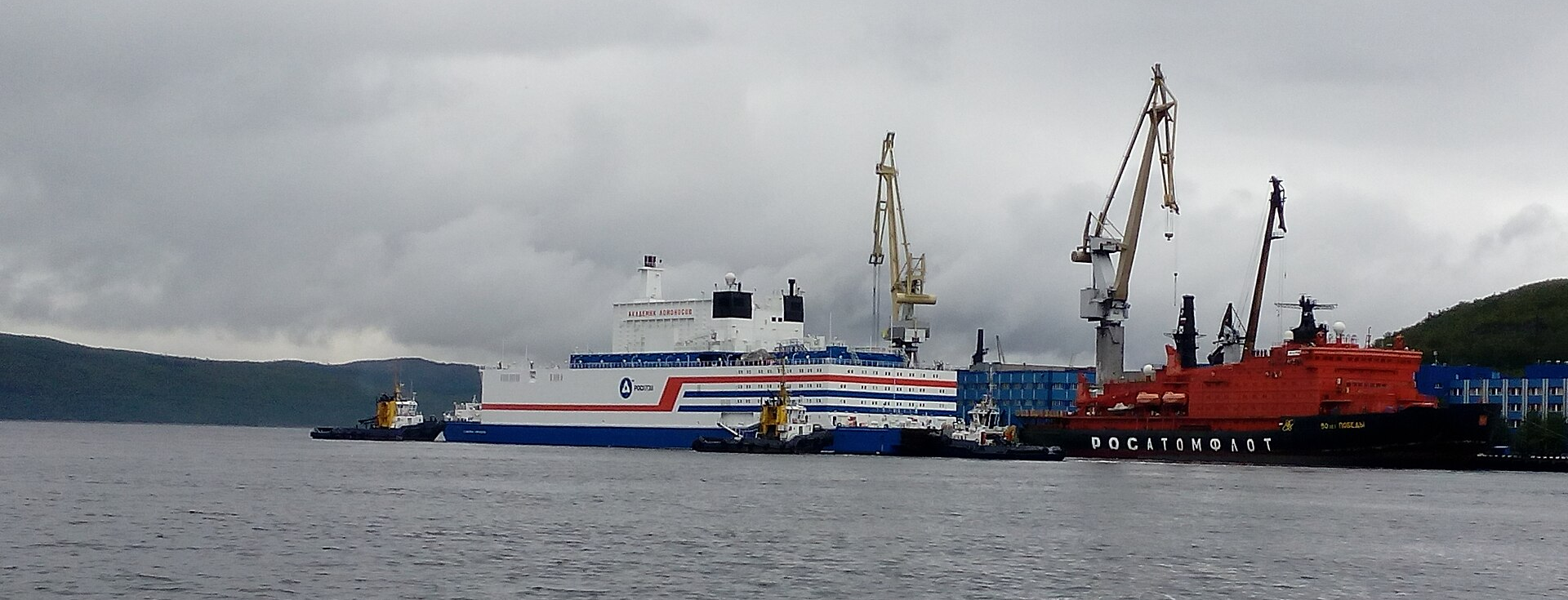
Emerging concepts explore synergies with blue-economy applications: hydrogen/ammonia production, aquaculture, data centers, and carbon capture. Energy density advantages of nuclear over renewables-plus-storage become pronounced in open-ocean settings lacking land for large solar/wind arrays. Scalability to multi-module floating habitats (tens to hundreds of MWe) is feasible with modular barge platforms.
Regulatory pathways require harmonization under IAEA standards and coastal-state approvals. Precedents like Russia’s RITM-200M floating units (planned operation ~2030) and ongoing U.S./international marine SMR studies indicate growing feasibility.
 John D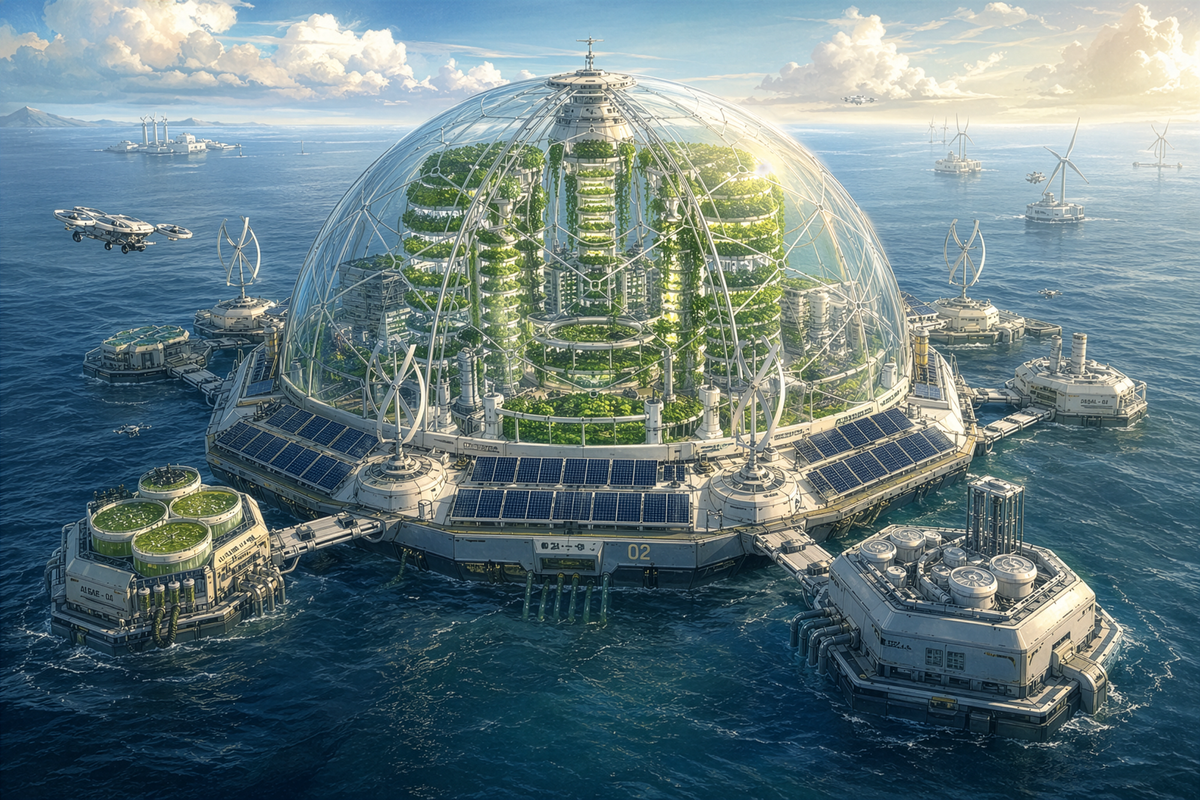
Ocean-development consortia should pursue joint regulatory and engineering demonstrations to de-risk marine nuclear deployment.
Cross-Cutting Considerations: Economics, Environment, Safety, and Security
Capital costs for FOAK SMRs remain elevated (USD 5,000–10,000/kWe range), but learning curves and factory production are projected to drive NOAK costs toward USD 3,000–5,000/kWe. Financing models increasingly incorporate government risk-sharing and private investment. Lifecycle GHG footprints are low, though uranium mining and spent-fuel management require careful management. Passive safety features and proliferation-resistant designs enhance security; remote-site cybersecurity and physical protection remain priorities.
| Factor | Diesel Baseline | SMR/Micro-Reactor Advantage | Key Risk |
|---|---|---|---|
| LCOE (remote) | $0.15–0.60/kWh | 20–60% lower (NOAK) | FOAK cost overruns |
| Emissions | High (GHG + black carbon) | Near-zero operational | Supply-chain mining impacts |
| Fuel logistics | Frequent resupply | 10–20 year refueling | Spent-fuel transport |
| Safety | Combustion risks | Passive systems | Public perception |
Transparent lifecycle assessments and robust security protocols are essential for stakeholder confidence.
Stephen Thomas
Policy, Regulatory, and Implementation Roadmap
Harmonized international standards (IAEA, SMR Regulators’ Forum) for floating and remote applications, public-private partnerships, and workforce development are critical. Governments should streamline licensing for micro-reactors while maintaining safety. Mining companies and research agencies can lead demonstration projects; ocean consortia require UNCLOS-aligned frameworks.
Implication for decision-makers: Coordinated policy action now can position jurisdictions as leaders in frontier nuclear applications.
Conclusion
Modular nuclear reactors offer a pragmatic pathway to reliable, low-carbon energy in remote, industrial, polar, and marine frontier settings. While technical, regulatory, and societal hurdles remain, recent licensing progress and operational precedents demonstrate feasibility. Balanced deployment strategies, emphasizing safety, community benefits, and environmental stewardship, will determine whether these technologies realize their potential by 2030–2040 in a net-zero world.
References
- International Atomic Energy Agency (IAEA). (2024). Advances in Small Modular Reactor Developments 2024. Vienna: IAEA. https://www-pub.iaea.org/MTCD/Publications/PDF/p15790-PUB9062_web.pdf
- OECD Nuclear Energy Agency (NEA). (2024). Small Modular Reactors for Mining. Paris: OECD/NEA. https://www.oecd-nea.org/upload/docs/application/pdf/2024-09/nea_publication_2_2024-09-18_16-52-41_812.pdf
- Canadian SMR Roadmap Steering Committee. (2018). A Call to Action – A Canadian Roadmap for Small Modular Reactors. Ottawa: Natural Resources Canada. https://smrroadmap.ca/wp-content/uploads/2018/11/SMRroadmap_EN_nov6_Web-1.pdf
- Natural Resources Canada. (2025). Small Modular Reactors (SMRs) for Mining. Government of Canada. https://natural-resources.canada.ca/energy-sources/nuclear-energy-uranium/small-modular-reactors-smrs-mining
- World Nuclear News. (2025, January 16). Russia’s floating nuclear power plant passes one billion kWh. https://www.world-nuclear-news.org/articles/russias-floating-nuclear-power-plant-passes-one-billion-kwh
- Ontario Power Generation & Canadian Nuclear Safety Commission. (2025). Construction licence issued for GE Hitachi BWRX-300 at Darlington New Nuclear Project site.
- International Atomic Energy Agency (IAEA). (2023). Small Modular Reactors for Marine-based Nuclear Power Plants. ARIS booklet. https://aris.iaea.org/Publications/2023 IAEA Marine Based SMR Booklet.pdf
- Bayomy, A. M., et al. (2023). Small modular reactors for green remote mining: A multi-objective optimization from a sustainability perspective. Energy Reports, 9, 53–71. https://www.sciencedirect.com/science/article/pii/S2590174523000533
- RAND Corporation. (2022). Focused on Microreactors at DoD Locations. RAND Graduate School Dissertation. https://www.rand.org/content/dam/rand/pubs/rgs_dissertations/RGSDA2300/RGSDA2387-1/RAND_RGSDA2387-1.pdf
- Deloitte. (2025). Small Modular Reactors: Winning the race in securing access to low-carbon energy. Deloitte France. https://www.deloitte.com/fr/fr/our-thinking/explore/climat-developpement-durable/winning-the-race-in-securing-access-to-low-carbon-energy.html
- World Nuclear Association. (2026). Small modular reactors. https://world-nuclear.org/information-library/nuclear-power-reactors/small-modular-reactors/small-modular-reactors
- Government of Canada. (2020). Canada’s Small Modular Reactor (SMR) Action Plan. https://smractionplan.ca/
- U.S. Nuclear Regulatory Commission (NRC). (various, 2024–2026). Design certification and pre-application documents for NuScale VOYGR, X-energy Xe-100, and related micro-reactor designs.
- International Atomic Energy Agency (IAEA). (2024). SMR Catalogue. ARIS database. https://aris.iaea.org/Publications/SMR_catalogue_2024.pdf
John D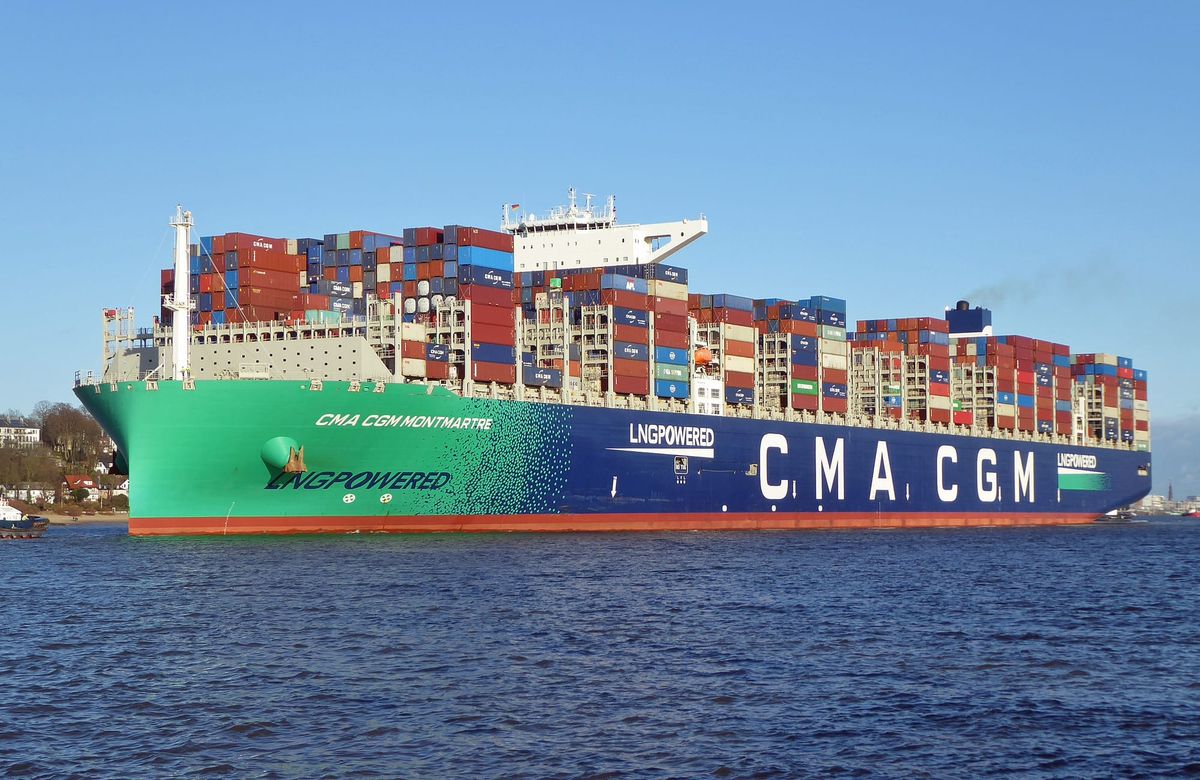 John D
 John D
 John D
Glossary
- SMR (Small Modular Reactor): Advanced nuclear reactor producing less than 300 MWe, engineered for factory fabrication, modular assembly, and transport to remote or constrained sites.
- Micro-reactor: Very small nuclear reactor (typically 1–20 MWe) designed for minimal on-site staffing, transportability, and deployment in isolated locations.
- LCOE (Levelized Cost of Electricity): The net present value of the total cost of building and operating a power plant over its lifetime, divided by total electricity generated (expressed in $/kWh or equivalent).
- FOAK (First-of-a-Kind): The initial commercial deployment of a new reactor design, which typically incurs higher capital costs and schedule risks due to lack of prior construction experience.
- NOAK (Nth-of-a-Kind): Subsequent commercial deployments of a standardized reactor design after the FOAK unit; costs are expected to decline through learning-curve effects and supply-chain maturation.
- IAEA: International Atomic Energy Agency – the United Nations organization that promotes the safe, secure, and peaceful use of nuclear technologies worldwide.
- NRC: U.S. Nuclear Regulatory Commission – the independent federal agency responsible for licensing and regulating civilian nuclear facilities and materials in the United States.
- CNSC: Canadian Nuclear Safety Commission – Canada’s independent nuclear regulator that licenses facilities and ensures safety, security, and environmental protection.
- UNCLOS: United Nations Convention on the Law of the Sea – the primary international treaty establishing legal frameworks for maritime zones, navigation rights, and jurisdiction over floating structures.
- Passive safety: Reactor design features that rely on natural physical forces (gravity, natural circulation, convection) rather than active mechanical pumps, valves, or electrical power to shut down or cool the core during accidents.
- Cogeneration (or combined heat and power): Simultaneous production of electricity and usable thermal energy (e.g., for district heating or desalination) from a single energy source, improving overall efficiency.
- Load-following: The ability of a power plant to rapidly adjust its electrical output in response to fluctuating demand on the grid or micro-grid.
- Black-start: Capability of a generating unit to start up and restore power to the grid or local network without drawing electricity from an external source.
- ESG: Environmental, Social, and Governance – a set of criteria used by investors to evaluate the sustainability and ethical impact of companies or projects.
- Black carbon: Fine particulate matter emitted from incomplete diesel combustion that absorbs solar radiation and accelerates snow/ice melt in polar and Arctic regions.
- District heating: Centralized system that distributes heat (often from nuclear cogeneration) through insulated pipes to multiple buildings for space heating and domestic hot water.