Global Helium Supply Chain: Production Systems, Geopolitical Risks, and Critical Industry Applications
Helium supply is fragile. Concentrated production creates systemic risk for critical industries like medicine and aerospace with no substitutes.

An Overview of Supply Risk, Infrastructure Constraints, and Strategic Dependence
Summary
Helium is a non-renewable, non-substitutable industrial gas embedded in critical global systems, including medical imaging, semiconductor manufacturing, aerospace operations, and advanced scientific research. Unlike most commodities, helium is not mined directly but extracted as a byproduct of natural gas processing, making its supply dependent on broader energy infrastructure and geopolitical conditions. A significant portion of global helium production is geographically concentrated, with Qatar alone accounting for roughly ~30% of supply and relying on a single maritime chokepoint, the Strait of Hormuz, for export. This structural dependency introduces systemic risk, where localized disruptions can propagate across global industries. Emerging production in regions such as Canada and Australia offers long-term diversification, but current timelines and infrastructure constraints limit near-term impact. The helium system is therefore best understood as a fragile, tightly coupled network with limited redundancy and high strategic importance.
1. Helium Production as a Byproduct System
Inside the Global Helium Economy: Production Bottlenecks, Infrastructure Constraints, and Supply Chain Fragility
Helium is recovered during the processing of natural gas deposits that contain sufficient helium concentrations to justify separation.
This creates a key structural constraint:
Helium supply is inseparable from natural gas production and processing infrastructure.
Helium forms through the radioactive decay of heavy elements within the Earth’s crust over geological time. These atoms migrate and become trapped within certain natural gas reservoirs. Only a small subset of global gas fields contains helium in economically recoverable concentrations, typically above 0.3%.
Extraction requires additional processing steps beyond standard gas refining:
- Separation from methane and other hydrocarbons
- Purification to high-grade helium
- Liquefaction at extremely low temperatures for transport
These steps increase capital intensity and limit the number of facilities capable of producing helium at scale. As a result, global helium production is concentrated in a relatively small number of specialized plants.
2. Global Production Infrastructure
Global helium production is distributed across a limited set of regions where helium-rich gas fields and processing infrastructure intersect.
United States
Historically the dominant producer, the United States remains a major supplier through facilities such as LaBarge, Wyoming, operated by ExxonMobil. The U.S. also maintained a strategic helium reserve in Amarillo, Texas, which historically acted as a stabilizing buffer for global supply.
Qatar
Qatar is one of the largest current producers, producing 30% of global helium supply. Production is concentrated in Ras Laffan Industrial City, where helium extraction is integrated into liquefied natural gas (LNG) operations. This integration allows for efficient scaling but ties helium output directly to LNG export flows.
Russia
Russia’s Amur Gas Processing Plant represents one of the most significant recent additions to global helium capacity. Intended as a major diversification node, Amur has faced operational setbacks, including a major fire in 2022, as well as geopolitical complications that have constrained its role in global markets.
Algeria
Algerian helium production is linked to LNG facilities in Skikda, with exports routed through Mediterranean ports. While smaller than U.S. or Qatari production, Algeria contributes to regional supply diversification.
Canada
Canada, particularly Saskatchewan, is emerging as a notable growth region for helium production. Unlike traditional producers, Canadian operations are increasingly focused on helium-specific extraction rather than treating it as a secondary byproduct. This represents a structural shift in how helium supply may develop over time.
Australia
Australian helium production is tied to gas fields such as those in the Amadeus Basin. Like Canada, Australia offers potential diversification, though scale remains limited relative to major producers.
Emerging Regions
Additional smaller-scale development is occurring in regions such as Poland and Tanzania. These projects are in early stages and are unlikely to materially impact global supply in the near term.
3. Geopolitical Concentration and Dependency Risk
Why Helium Is a Strategic Resource: Geopolitical Dependencies, Supply Risk, and Critical Applications in Technology & Medicine
One of the most critical features of the helium system is its exposure to geopolitical chokepoints, particularly in maritime transport.
Strait of Hormuz Exposure
Qatar’s helium exports are entirely dependent on maritime routes that pass through the Strait of Hormuz. This narrow passage connects the Persian Gulf to the open ocean and is one of the most strategically sensitive shipping lanes in the world.
Because Qatar supplies approximately one-third of global helium:
Any disruption to the Strait of Hormuz would immediately remove a substantial portion of global helium supply.
Unlike other commodities, helium lacks significant strategic reserves or rapid substitution pathways. This amplifies the impact of any disruption.
Comparative Exposure by Producer
- Qatar: High exposure (must transit Hormuz)
- United States: No exposure (exports via Gulf of Mexico and Pacific routes)
- Russia: No exposure (overland and Pacific routes)
- Algeria: No exposure (Mediterranean export routes)
- Canada: No exposure (overland to multiple ports)
- Australia: No exposure (direct ocean access)
This distribution highlights a key asymmetry: while multiple producers exist, a large share of supply remains concentrated in a single high-risk export corridor.
4. Supply Disruptions and System Fragility
The helium system has demonstrated repeated vulnerability to disruptions:
- Infrastructure failures (e.g., fires at major plants)
- Geopolitical sanctions
- Transport bottlenecks
- Evaporation losses during storage and delay
Helium’s physical properties compound these risks. As a cryogenic liquid, helium gradually evaporates over time, particularly during transport delays. This means that disruptions do not merely delay supply, but they also may cause long term reductions in available inventory.
The system lacks:
- large-scale stockpiles
- rapid production ramp-up capacity
- flexible substitution pathways
As a result, supply shocks propagate quickly across industries.
 John D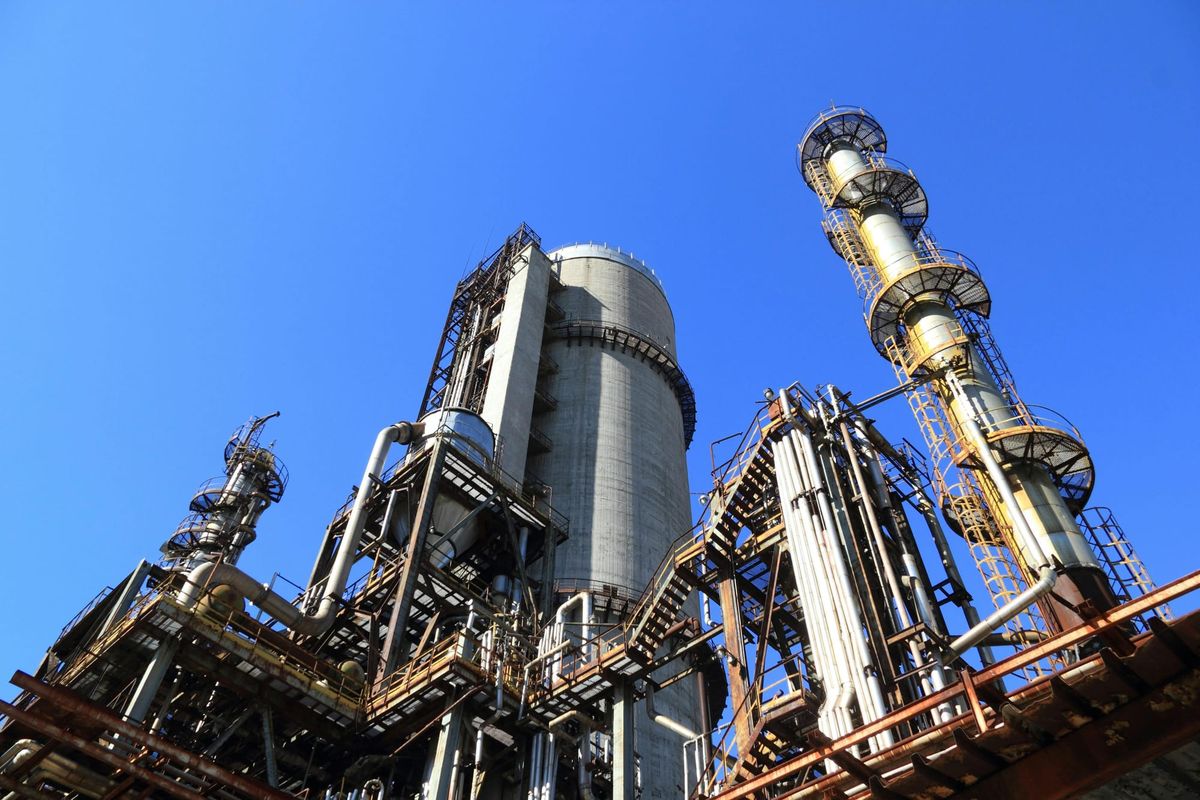
5. Industrial and Scientific Applications
Helium’s strategic importance derives from its unique physical properties:
- Extremely low boiling point (~4 Kelvin)
- Chemical inertness
- Small atomic size
These characteristics make helium difficult or impossible to replace in many applications.
Medical Sector
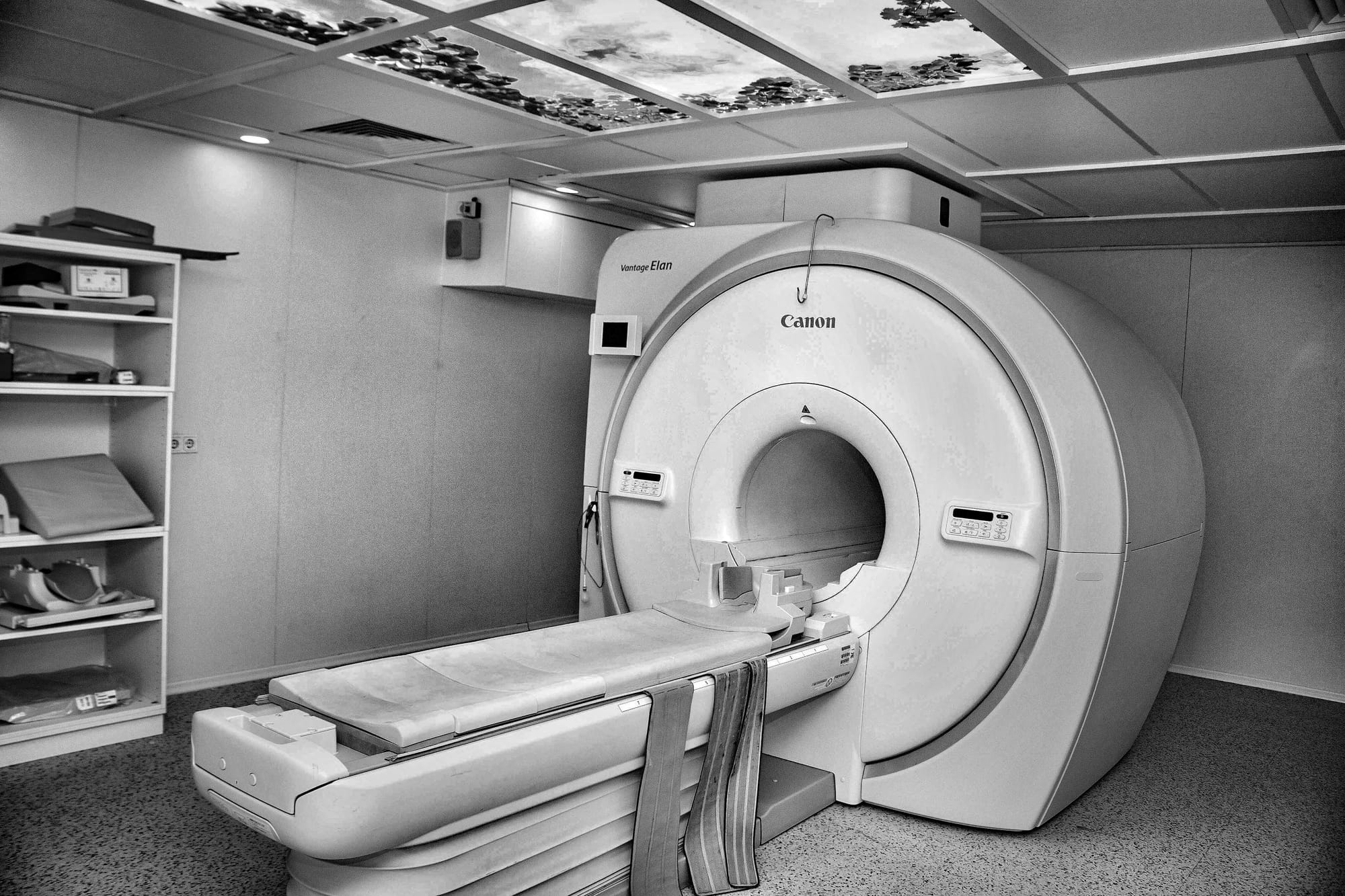
Helium is critical for MRI machines, which rely on liquid helium to maintain superconducting magnets at cryogenic temperatures. Without helium, MRI systems cannot function. Additional uses include respiratory therapy mixtures and cryogenic preservation of biological materials.
Semiconductors and Electronics
Helium is used in semiconductor fabrication as a cooling and purge gas. It also plays a role in fiber optic manufacturing and hard drive production. As semiconductor supply chains expand, helium demand increases correspondingly.
Space and Defense
Helium is used to pressurize rocket fuel tanks and purge hydrogen systems in aerospace applications. It is essential for preventing combustion risks in high-energy environments. Defense systems, including missiles and satellites, also rely on helium.
Scientific Research
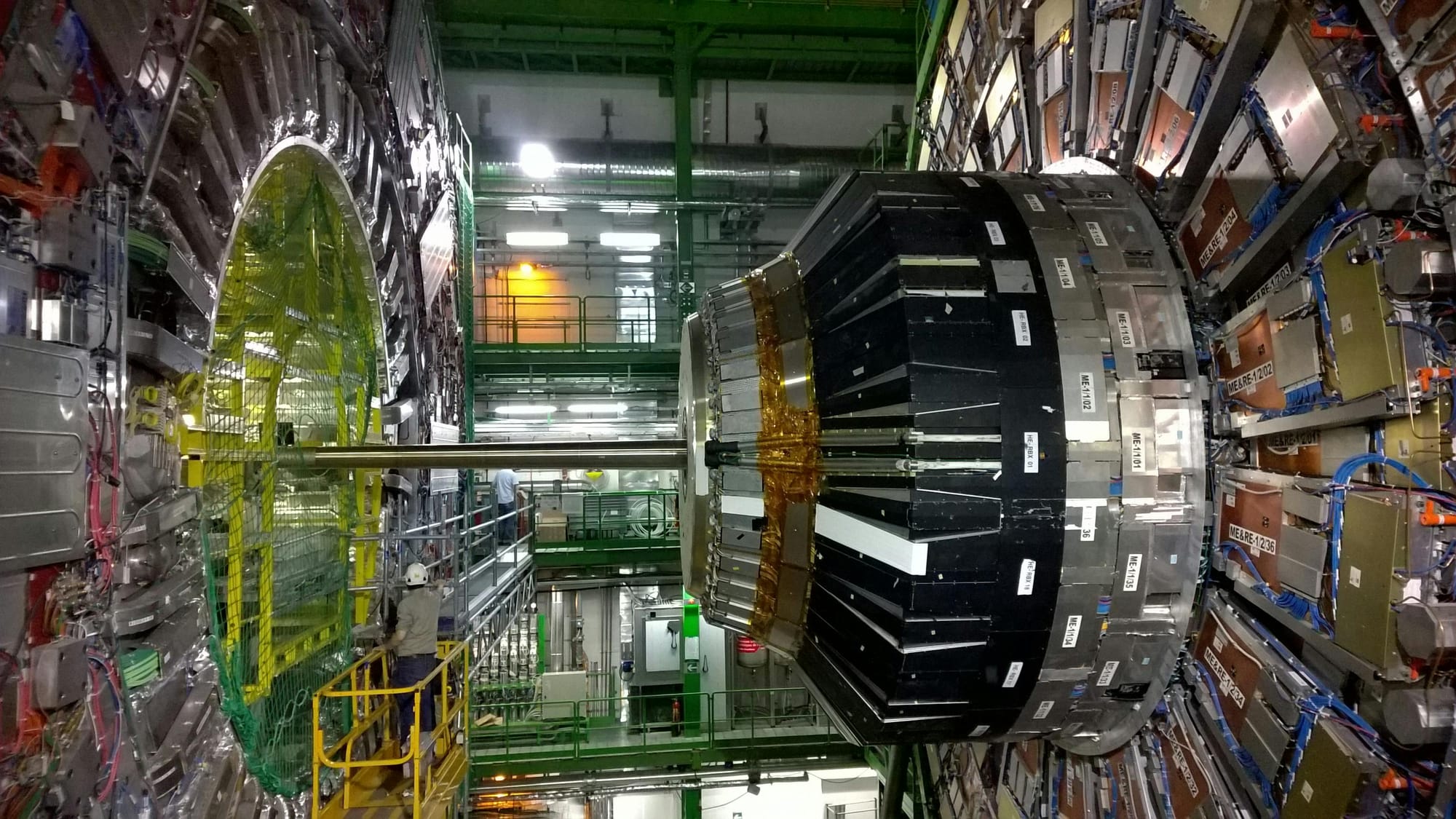
Large-scale research infrastructure, such as particle accelerators and superconductivity experiments, consumes significant quantities of helium. Facilities like CERN depend on stable helium supply for operation.
Industrial Uses
Helium is widely used in welding, leak detection, and manufacturing processes requiring inert atmospheres. Its small atomic size makes it uniquely suited for detecting microscopic leaks in pipelines and aerospace systems.
Balloons
While widely recognized for use in balloons, this represents a relatively minor share of total demand. However, it remains a visible example of helium consumption.
Deep Sea Diving
Helium is an indispensable component in deep-sea diving, fundamentally enabling human exploration beyond conventional depth limits. At the extreme pressures encountered in the deep ocean, nitrogen becomes toxic, causing a debilitating condition known as nitrogen narcosis. By replacing nitrogen in the breathing mixture, helium eliminates this risk. Its low density and low solubility in body tissues also significantly reduce the work of breathing and help prevent decompression sickness during ascent.
6. Supply-Demand Imbalance
The global helium system is characterized by:
- Limited supply growth capacity
- Increasing demand from high-tech sectors
- Structural dependence on energy infrastructure
Emerging technologies, including semiconductor expansion, space commercialization, and advanced research, are driving demand upward. At the same time, supply growth is constrained by the need for new gas field development and specialized processing infrastructure.
This creates a persistent imbalance:
Demand growth is outpacing the system’s ability to expand supply in the short term.
7. Emerging Supply and Future Outlook
New projects in regions such as Canada and Australia offer potential pathways to diversification. These developments are notable because they focus more directly on helium extraction rather than treating it as a secondary byproduct.
However, these projects face several constraints:
- Long development timelines
- High capital costs
- Limited initial scale
- Infrastructure buildout requirements
As a result, while new supply is likely to emerge over time, it will not provide immediate relief to existing shortages.
8. Strategic Implications
Helium can be understood as a strategic resource embedded within multiple critical systems.
Key implications include:
- Medical vulnerability: disruptions affect MRI availability
- Technological dependency: semiconductor and electronics production rely on stable supply
- Scientific constraints: research infrastructure depends on continuous helium availability
- Geopolitical leverage: supply concentration creates potential points of influence
Unlike many commodities, helium’s lack of substitutes amplifies these risks.
John D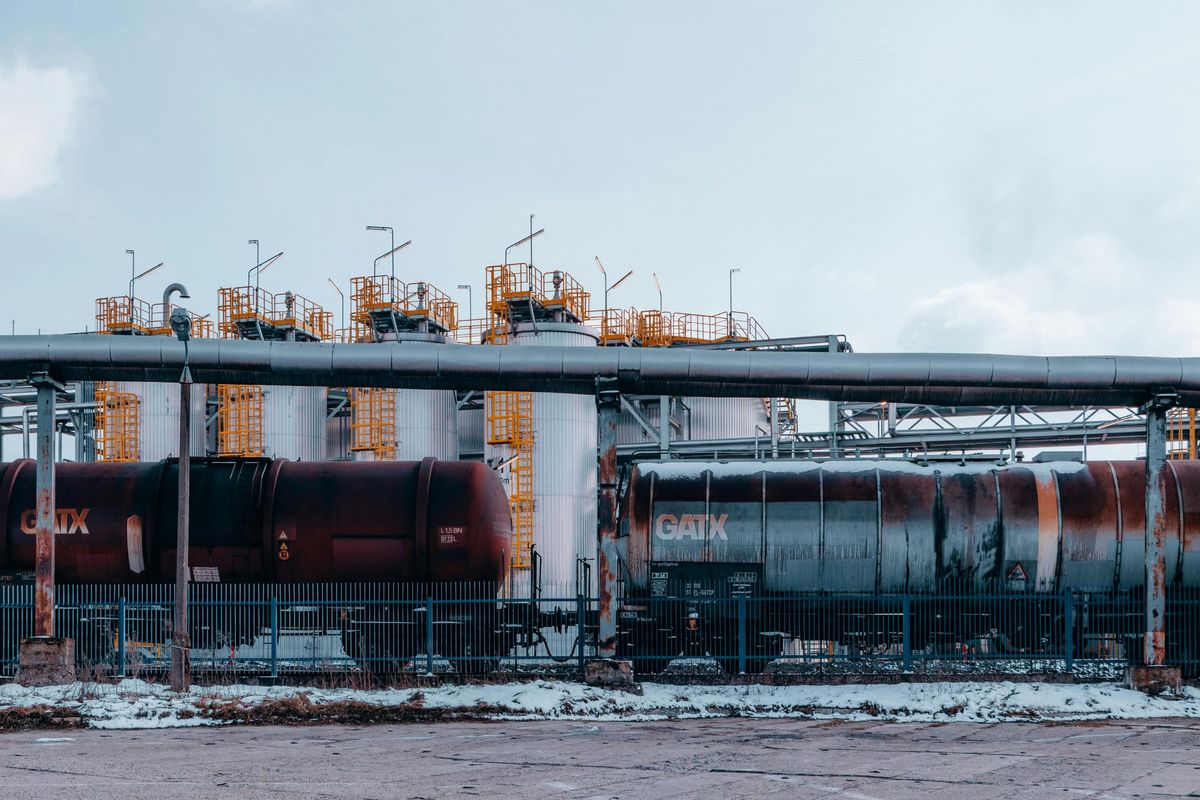
9. Conclusion
The global helium system is a tightly coupled network of natural gas extraction, specialized processing infrastructure, and constrained transport routes. Its dependence on a limited number of production centers and critical chokepoints introduces systemic vulnerability.
Helium is not merely an industrial input; it is an enabling resource for modern technology, medicine, and scientific advancement. Disruptions to its supply cascade across multiple sectors, highlighting the importance of diversification and infrastructure resilience.
In the near term, the system remains fragile. Emerging production may improve long-term stability, but structural constraints and geopolitical risks will continue to shape the helium landscape.
The central situation is clear:
Helium supply is not simply a function of resource availability, rather it is a function of infrastructure, geography, and global system dependencies.
John D