Kvanefjeld Rare Earth Deposit Greenland: Uranium Ban, Legal Limbo & 2026 Outlook
Deep dive into the Kvanefjeld rare earth project in Greenland: the uranium issue, 2021 mining ban, and why it remains in legal limbo as of 2026.

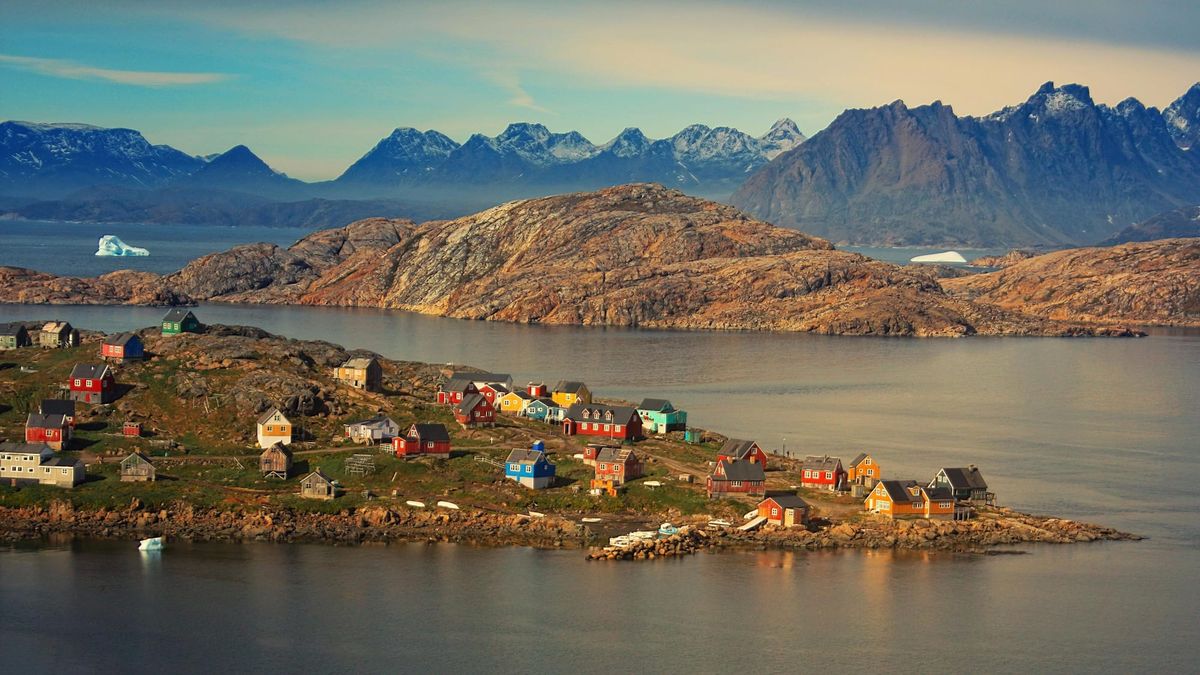
Kvanefjeld Rare Earth Deposit, Greenland:
Technical Assessment of Resource Potential, Uranium Co-Occurrence, Regulatory Constraints, and Legal Status
Summary:
The Kvanefjeld (Kuannersuit) project, located approximately 8 km north of Narsaq in southern Greenland, hosts one of the world’s largest undeveloped rare earth element (REE) deposits. JORC-compliant mineral resources exceed 1.01 billion tonnes at an average grade of approximately 1.1% total rare earth oxides (TREO), with co-occurring uranium at concentrations of 250–360 ppm U₃O₈. Ore reserves (as defined in the 2015 feasibility study) stand at 108 million tonnes. The project envisions an open-pit mine at 3 million tonnes per annum (Mtpa) throughput, producing ~30,000 tonnes per annum (tpa) of REE products, alongside by-products including zinc concentrate (~15,000 tpa), fluorspar (~8,700 tpa), and uranium oxide (~500 tpa). REEs are projected to generate over 80% of revenue, with uranium providing supplementary economics.
Development has been stalled since late 2021 by Greenland’s Uranium Act (Act No. 20), which prohibits prospecting, exploration, and exploitation of minerals containing uranium above 100 ppm. This legislation, passed under the Inuit Ataqatigiit (IA)-led government following the April 2021 election, directly affects Kvanefjeld due to its uranium association. The project is currently in legal limbo: Energy Transition Minerals Ltd (ETM, formerly Greenland Minerals Ltd) asserts vested contractual rights to an exploitation licence based on pre-2021 regulatory confirmations and an approved Environmental Impact Assessment (EIA). Arbitration proceedings in Copenhagen and parallel court actions remain unresolved. As of April 2026, Greenland’s Ministry of Business, Mineral Resources, Energy, Justice and Gender Equality issued a draft decision rejecting renewal of ETM’s exploration licence, citing the absence of a viable path to exploitation under current law.
This analytical assessment evaluates the deposit’s technical merits, the uranium policy framework, legal dynamics, and strategic implications for global critical minerals supply chains. While Kvanefjeld offers substantial potential to support Western decarbonization goals and reduce reliance on concentrated REE supply, regulatory risk and political factors underscore the challenges of Arctic resource development.
Geological Setting and Resource Characterization
Kvanefjeld forms part of the Ilímaussaq alkaline complex in southern Greenland, a classic example of extreme magmatic differentiation producing REE-enriched lujavrite and associated rocks. Mineralization is hosted in highly alkaline, peralkaline intrusions enriched in incompatible elements including REEs, uranium, thorium, zinc, fluorspar, niobium, and tantalum. The deposit outcrops at elevations around 600 m, facilitating low-strip-ratio open-pit mining.
JORC/NI 43-101 resources (updated February 2015) total over 1.01 billion tonnes across Kvanefjeld, Sørensen, and Zone 3 domains at a 150 ppm U₃O₈ cut-off: - Measured + Indicated: ~451 Mt @ 1.13% TREO, ~270 ppm U₃O₈ - Inferred: ~222 Mt @ 1.00% TREO, ~205 ppm U₃O₈
The 2015 Ore Reserve (108 Mt) supports a 37-year mine life at 3 Mtpa, with the full resource potentially extending operations significantly. Processing involves conventional flotation to produce a 20–25% REO concentrate, followed by hydrometallurgical refining. By-product credits from uranium, zinc, and fluorspar enhance project economics. The deposit is notable for its mix of light and heavy REEs, including critical elements such as neodymium, praseodymium, dysprosium, and terbium, which are essential for permanent magnets in electric vehicles and wind turbines.
The EIA (publicly consulted in 2020, prepared to Greenlandic and international standards) addressed radiological emissions, tailings management (including a chemical residue storage facility), water quality (naturally elevated fluoride and radionuclides in the region), biodiversity, and socio-economic impacts. Infrastructure requirements include a port, power station (59 MW), and supporting facilities, with year-round shipping access via direct ocean routes.
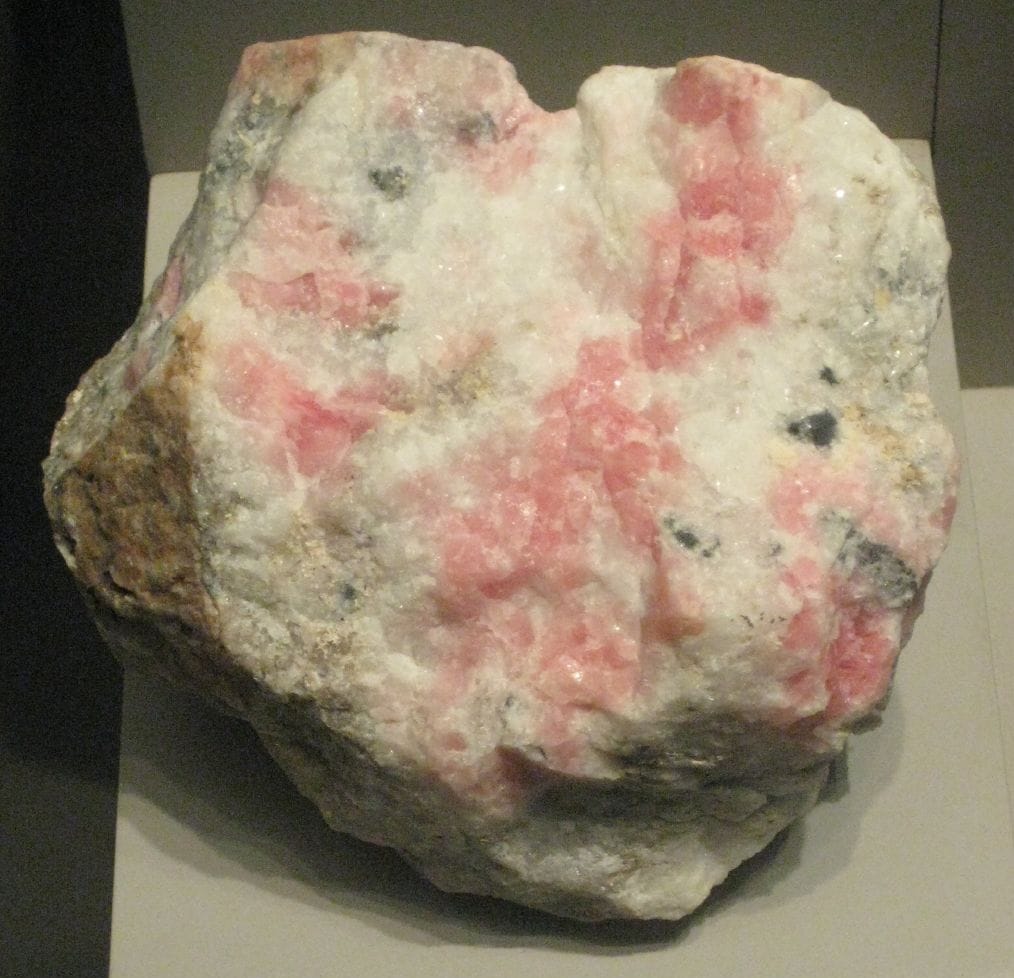
The Uranium Co-Occurrence Issue
Uranium is intrinsically co-located with REE mineralization at Kvanefjeld, occurring at grades that render the deposit uneconomic or technically unviable to develop without handling radioactive material. Ore averages ~300 ppm uranium (with thorium ~800 ppm), exceeding Greenland’s post-2021 threshold of 100 ppm. Uranium would be extracted as a by-product (via the refinery flowsheet) or managed as a residual impurity in tailings.
This association creates dual challenges:
(1) radiological and environmental management (tailings dams, radon emissions, long-term containment)
(2) regulatory classification. The 2020 EIA demonstrated that safe operations were feasible under then-applicable standards, with monitoring plans for local water bodies and communities near Narsaq.
However, public and political opposition centered on perceived risks to traditional Inuit livelihoods, fisheries, and human health concerns amplified by the project’s proximity to populated areas. Uranium therefore transforms a pure REE opportunity into a multi-commodity project subject to heightened scrutiny.
Greenland’s Policy Framework on Uranium Mining
Greenland’s mineral policy has oscillated with political cycles. A long-standing “zero-tolerance” ban on radioactive materials was lifted in 2013 specifically to enable projects like Kvanefjeld, with the Governments of Greenland and Denmark collaborating on a regulatory framework for uranium export. ETM invested over a decade in exploration, feasibility, and permitting under this policy.
The April 2021 snap election brought the IA party to power on an explicit anti-Kvanefjeld platform focused on environmental protection and opposition to uranium-related development. In December 2021, the Inatsisartut (Greenland Parliament) enacted Act No. 20, banning uranium prospecting, exploration, exploitation, and sale where concentrations exceed 100 ppm. The explanatory notes explicitly reference the “political wish to stop uranium extraction,” while clarifying that the Act does not override existing licenses or constitute expropriation under Section 73 of the Danish Constitution.
The policy reflects broader tensions in Greenlandic self-rule (expanded mineral-resource authority since 2010) versus environmental stewardship, local community priorities, and economic diversification goals. Subsequent elections (including 2025 shifts toward pro-resource parties) have not yet repealed the ban, and the current ministerial portfolio remains influenced by IA positions. The legislation effectively renders uranium-associated REE projects non-viable without selective extraction or legislative amendment.
Legal Limbo and Dispute Dynamics
ETM maintains that it acquired unconditional vested rights to an exploitation license by April 2020, when the Government of Greenland confirmed in writing that all conditions under Section 29(2) of the Mineral Resources Act 2009 had been met. The company amended its application in 2022 to focus on REEs, zinc, and fluorspar (treating uranium as tailings impurity), arguing that Act No. 20 does not apply to pre-existing rights and would constitute uncompensated expropriation.
Arbitration was commenced in Copenhagen in 2022 under the exploration license’s dispute resolution clause. ETM seeks declaratory relief confirming its rights or compensation exceeding USD 11 billion; roughly four times Greenland’s annual GDP. Parallel proceedings in Danish and Greenlandic courts address related claims. The Governments contend that the Uranium Act lawfully applies and that no exploitation path exists.
As of April 2026, the exploration license (EL 2010/02) lapsed on 31 December 2025 despite a timely extension application submitted in September 2025. Greenland’s draft decision to deny renewal states that continued exploration “no longer serves a purpose” given the impossibility of securing an exploitation licence under current law. ETM describes this as inconsistent with prior extensions granted during the dispute and views it as further evidence of regulatory breach. The matter remains unresolved, perpetuating project stasis.
Strategic, Economic, and Geopolitical Implications
Kvanefjeld’s scale positions it as a potential cornerstone of non-Chinese REE supply, critical for electric vehicles, renewable energy, and defense applications amid global efforts to diversify away from dominant producers. Development would generate significant local employment, infrastructure, and royalties for Greenland’s economy, supporting aspirations for greater independence from Denmark. However, regulatory uncertainty deters investment and highlights Arctic-specific risks: environmental sensitivity, indigenous rights, and jurisdictional complexity between Nuuk and Copenhagen.
Geopolitically, the project intersects U.S.-China competition in critical minerals, with minority Chinese offtake interests noted in earlier MOUs. Failure to advance Kvanefjeld (and similar deposits) could prolong supply vulnerabilities at a time when demand for REEs is projected to surge. Resolution paths include legislative repeal of the uranium threshold, negotiated by-product management protocols, or arbitration outcomes that either affirm ETM’s rights or provide compensation enabling alternative development models.
Conclusion and Forward Outlook
The Kvanefjeld deposit exemplifies the tension between vast mineral endowments and evolving policy priorities in frontier jurisdictions. Its technical viability is well-documented; the barriers are predominantly regulatory and political, centered on uranium policy and vested-rights interpretation. Ongoing arbitration and the April 2026 license-renewal draft decision maintain the project in legal limbo, with near-term development unlikely absent policy reversal or judicial relief.
For policymakers, investors, and supply-chain strategists, Kvanefjeld underscores the need for robust frameworks balancing ESG imperatives, indigenous consultation, and strategic mineral security. Future scenarios range from prolonged impasse to negotiated reactivation should Greenland’s resource strategy evolve. In either case, the deposit remains a bellwether for Arctic critical-minerals development in an era of energy transition and geopolitical realignment.
Information Current as of April 21st, 2026
 John D
 John D