
Dry Soup Mix System: Low-Cost Meal Prep and a Simple Income Option from Home
Batch dry soup mixes for easy meals or modest income. A low-cost, repeatable system for food prep, storage, and flexible work.

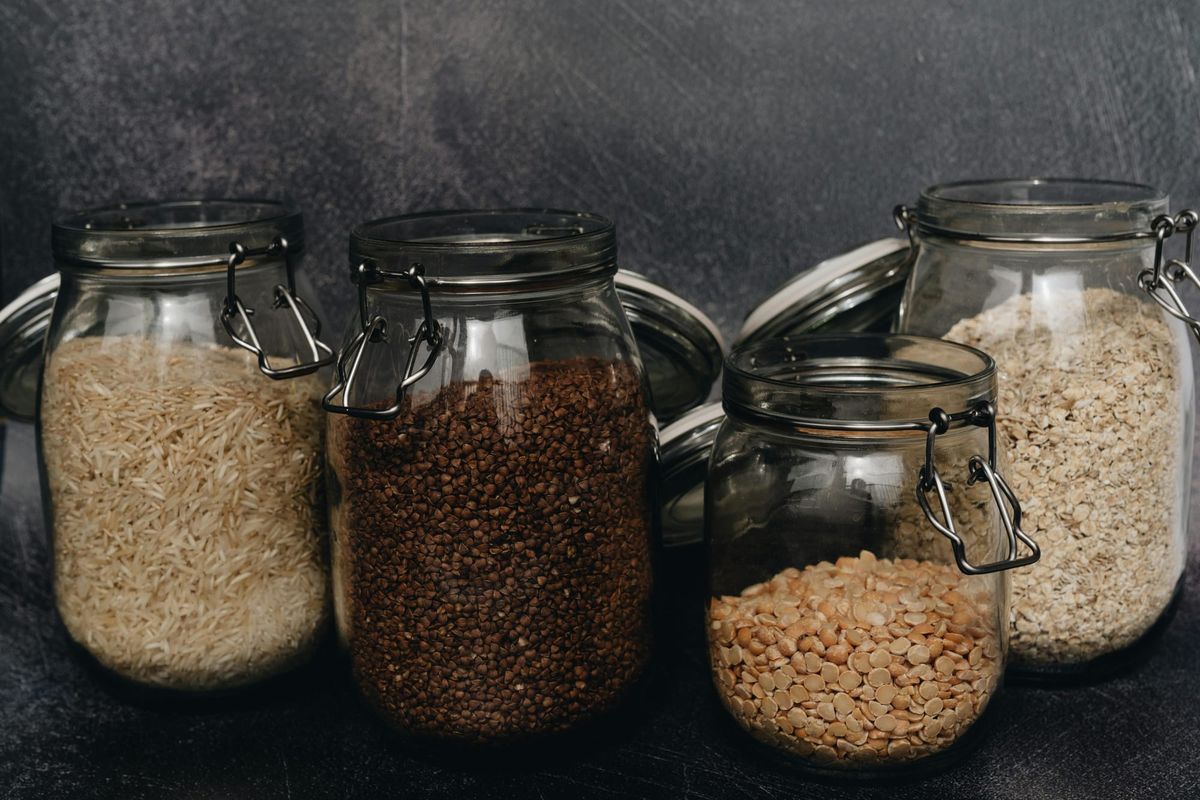
This guide outlines a simple system for producing dry soup mixes using basic grocery store ingredients, designed for both personal food storage and small-scale production. These mixes are shelf-stable, easy to prepare, and can be batched in advance to reduce daily cooking effort and food waste. The same system can also serve as a low-barrier income option for individuals who need flexible, self-directed work. It requires minimal startup cost, no specialized equipment, and can be scaled gradually based on demand. This is not a high-income business model, but a practical tool for consistent food access and modest, independent revenue.
Dry Soup Mixes as a Dual-Use System
Personal Food Logistics + Low-Barrier Income for Individuals and Small Communities
This is not a recipe blog. This is a system.
Dry soup mixes are a simple, repeatable way to turn basic grocery-store ingredients into two things at once:
- A reliable, shelf-stable food system for individuals or groups
- A low-barrier income mechanism for people who need flexible, self-directed work
This document explains how to build and operate that system with minimal cost, minimal complexity, and predictable output.
What a Dry Soup Mix System Is
A dry soup mix is a pre-portioned combination of shelf-stable ingredients that can be stored long-term and cooked on demand by adding water.
Each unit is standardized:
- Same ingredients
- Same portion size
- Same cooking method
This removes daily decision-making and reduces waste. You batch once, then deploy as needed.
Think of this process as....
A micro-manufacturing process for food and/or small-scale income
Dual Use Case
A. Personal / Community Food System
Dry soup mixes function as:
- Meal prep without refrigeration
- Long-term food storage
- Low-effort cooking (dump, boil, done)
- Inventory-stable nutrition
In a household or cooperative setting:
- Members can produce in batches
- Units can be stored centrally
- Meals become predictable and consistent
This reduces:
- food waste
- daily prep time
- reliance on external food systems
 John D
B. Low-Barrier Income Mechanism
For individuals who:
- cannot secure traditional employment
- need flexible hours
- require minimal startup cost
Dry soup mixes provide:
- A simple product to produce
- Low material cost
- Easy transport and storage
- Compatibility with environments like markets or local events
This is not a high-income system.
It is:
A modest, self-directed income stream with low entry barriers
John D
Design Principles
Keep the process constrained.
- Use only grocery-store ingredients
- Limit to 1–2 core products
- Standardize everything
- Batch in small, repeatable units (10–30 at a time)
Avoid:
- complexity, product sprawl and custom orders
Consistency is more valuable than variety.
Core Product Types
Start with two flavors:
1. Summer Mix (Light, Fast)
- Red lentils (fast cooking)
- Dried vegetables (carrot, onion)
- Basic spices
2. Winter Mix (Dense, Filling)
- Split peas or lentils
- Barley or rice
- Dried vegetables
- Basic spices
Standard Portioning
Define clear units:
- 1-person
- 2-person (recommended default)
- 4-person (optional higher-value unit)
Each package should clearly state:
- serving size
- water required
- cook time
Remove ambiguity.
Production Workflow
Step 1: Ingredient Sourcing
Buy from a standard grocery store:
- lentils, split peas, rice, barley
- dried onion, carrot flakes
- salt, garlic powder, pepper
No fresh ingredients. No dehydration required.
Step 2: Batch Mixing
For a batch of 20 units:
- Multiply ingredient quantities ×20
- Mix thoroughly in a large container
- Ensure even distribution
Step 3: Portioning
- Use consistent measuring tools
- Fill each bag identically
- Seal immediately
Step 4: Labeling
Each unit should include:
- product type (summer / winter)
- serving size
- date assembled
- cooking instructions
It's best if you print out labels ahead of time, to save on time when possible. However, if handwritten labels get better sales, go with that.
7. Packaging Options
Three practical formats:
Ziploc Bags
- Lowest cost
- Fast to produce
- Good for internal or early-stage use
Kraft Stand-Up Pouches
- Better presentation
- Stackable / Soft packaging
- Moderate cost
Jars
- Durable
- Reusable
- Bulky / Rigid
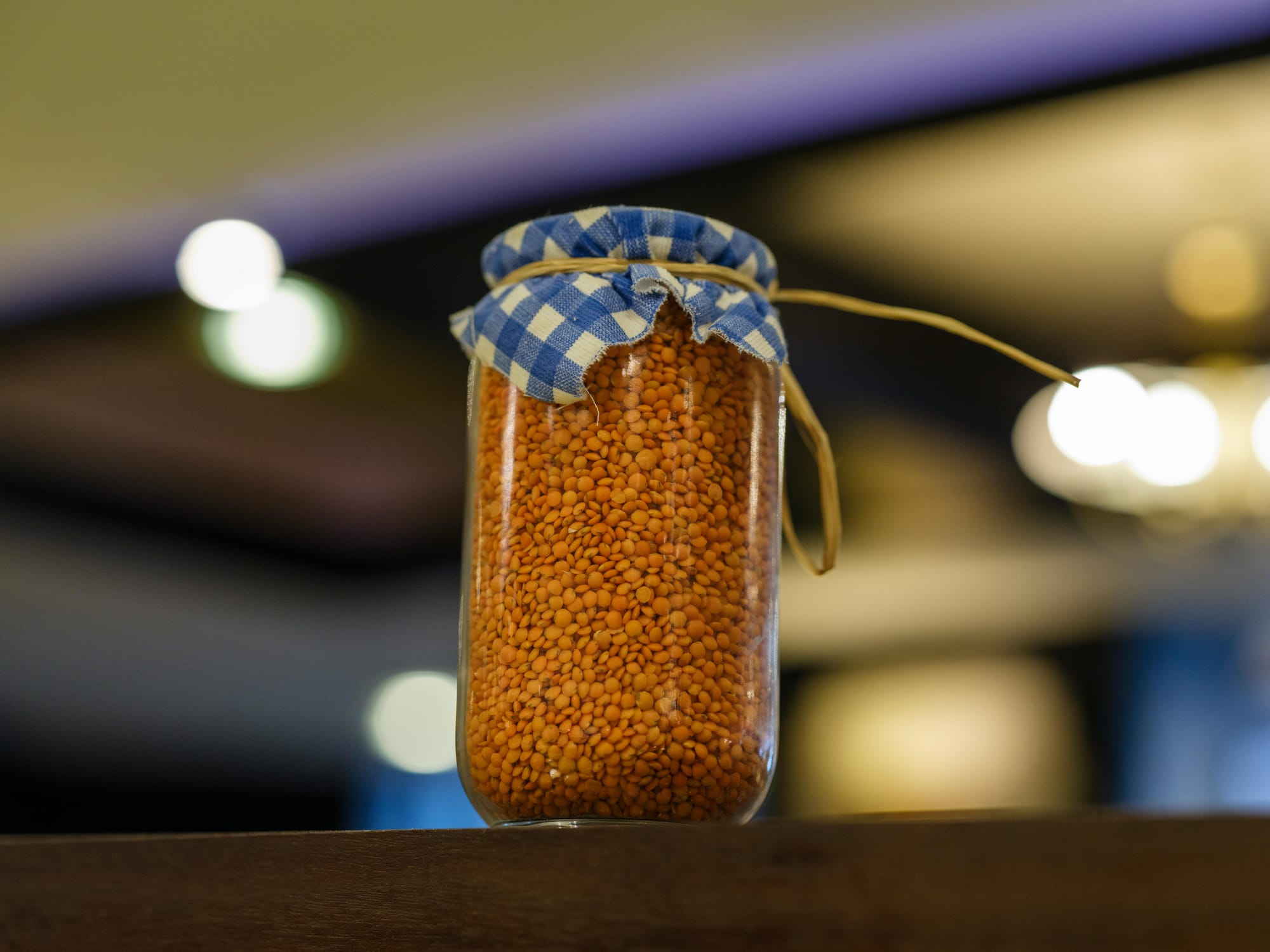
Choose based on context. For personal use, cost efficiency matters more than presentation.
8. Storage and Shelf Life
Store all units:
- in a cool, dry place
- away from sunlight
- in sealed containers
Rotation system:
- First in, first out
- Date all units
Typical shelf life:
- At least 12 months depending on ingredients
9. Production Scaling
Start small:
- 10–20 units → test batch
- 20–30 units → standard run
- 30–50 units → larger batch
Do not overproduce without demand.
The system scales through repetition, not size.
10. Income Model (Realistic)
This system can generate modest revenue when sold in environments where individuals can offer small-batch goods. We ran the numbers on cottage food products and Dry Soup Mixes were the most profitable per unit.
Typical unit economics:
- Cost per unit: ~$2–3
- Sale price: ~$5–10
- Margin: variable, often high per unit
However, total income depends on:
- time spent selling
- volume sold
- consistency of demand
Expect:
- Low to moderate income
- Variable results
- Gradual improvement with experience
This is not a high-efficiency income system.
12. Constraints
Be clear about limitations:
- Income is capped by time and sales volume
- Requires physical presence in most cases
- Dependent on local demand
This is not scalable without moving into more advanced distribution.
13. Where This Concept Works Best
This system is most effective when:
- used for personal food logistics
- integrated into a cooperative or shared living environment
- operated by individuals needing flexible, low-barrier income
It is not optimal for:
- maximizing hourly earnings
- rapid capital accumulation
14. Practical Use Strategy
For a new operator:
- Produce 20–30 units
- Standardize packaging
- Test in a local selling environment
- Observe:
- customer interest
- understanding of product
- sales volume
- Adjust based on feedback
Repeat only if viable.
15. Conclusion
Dry soup mixes are simple by design.
They convert basic ingredients into:
- stable, ready-to-use food
- or a modest income stream
They require:
- minimal capital
- minimal infrastructure
- consistent execution
This is not a system for maximizing profit.
It is:
a practical, repeatable tool for feeding people efficiently and enabling low-barrier economic participation
Used correctly, it provides stability and food availability, alongside modest cash revenue.