Building Community Networks & Essential Skills for Modern Preparedness
Discover how to build resilient survival networks and master essential skills for thriving through any crisis. Your complete preparedness guide.

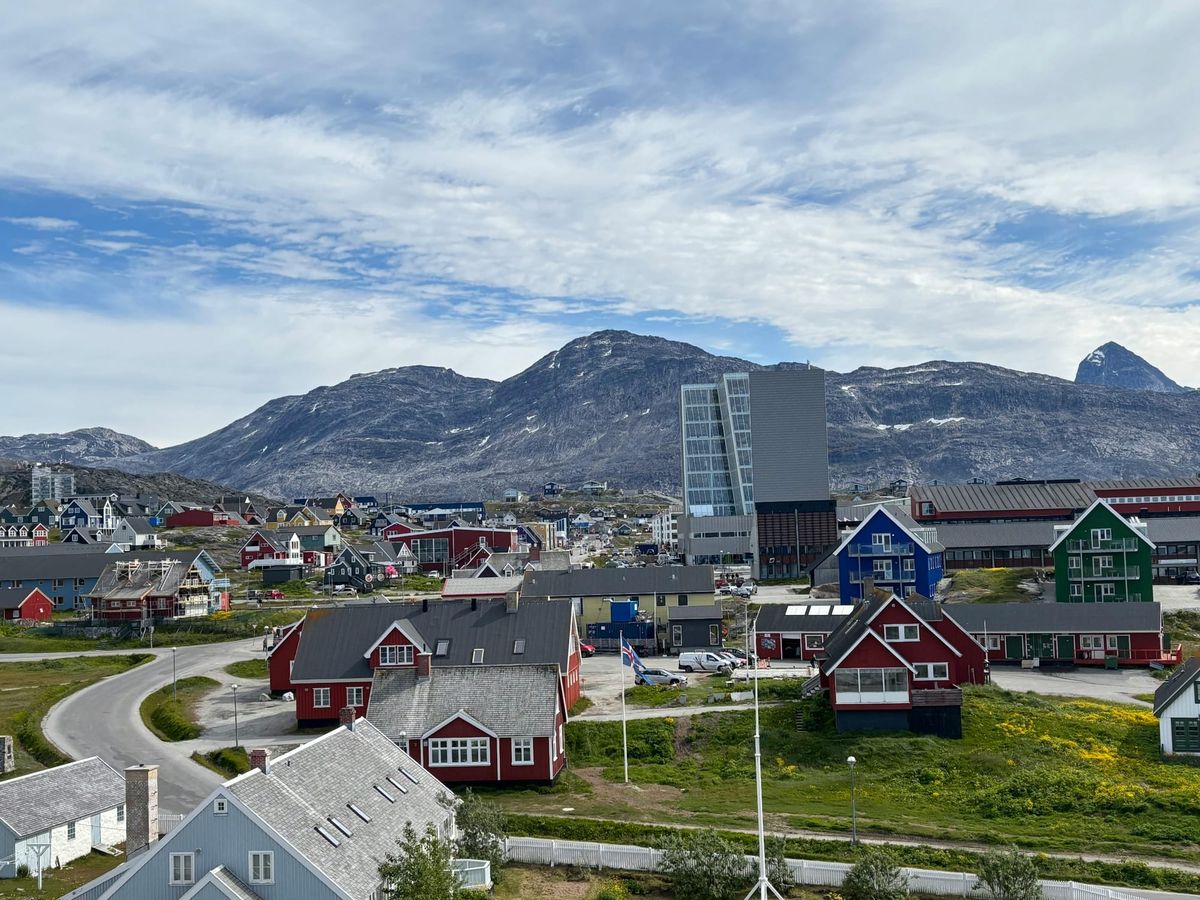
Community and Resources: The Pillars of Survival and Preparedness
In an increasingly unpredictable world, the "lone wolf" survivalist mentality is rarely effective. Whether facing natural disasters, economic collapse, or prolonged grid-down scenarios, human history demonstrates that survival and recovery are largely community efforts. True preparedness relies on a combination of resilience, skills, and community networking. Building a supportive local network, coupled with continuous education through literature, online courses, and digital media, is essential for transitioning from mere existence to long-term sustainability.
The Foundation: Why Community Matters
The romanticized image of the solitary survivor navigating the wilderness alone is largely a myth. Historical records and disaster studies consistently show that groups with established relationships and complementary skills have significantly higher survival rates. A community provides:
- Emotional resilience during high-stress situations
- Division of labor based on individual strengths
- Collective security through watchful neighbors
- Resource pooling and mutual aid systems
- Knowledge sharing across different skill sets
Survival Groups and Forums: Connecting Locally
The most robust survival asset is a trustworthy team. Local survival communities offer emotional support, shared knowledge, complementary skills, and collective security. Finding these groups requires a proactive approach, beginning with digital platforms.
Digital Platforms for Local Connection
Meetup and Social Media: Platforms like Meetup.com often host local preparedness groups, urban homesteading collectives, or bushcraft gatherings. Searching Facebook Groups for "prepper [city/county]" or "survivalist [state]" can reveal localized groups already actively training.
Forums and Specialized Networks: Websites like PrepperNet and American Preppers Network allow individuals to connect locally and utilize networking, rather than just lurking in online forums. Reddit communities, specifically r/preppers, are valuable for finding like-minded locals, though caution is necessary when initially networking.
Expanding Your Network Beyond Traditional Prepper Groups
"Prepper-Adjacent" Groups: If dedicated survival groups are scarce, look for adjacent communities with high skill-sharing potential, such as:
- Ham radio clubs (ARES/RACES) for communication skills
- Hunting/fishing groups for food procurement knowledge
- Vegetable gardening clubs for sustainable food production
- Volunteer search and rescue teams for emergency response skills
- Maker spaces for fabrication and repair abilities
Community Integration: Volunteering with local Community Emergency Response Teams (CERT), joining volunteer fire departments, or participating in food pantry programs are excellent ways to meet people, gain practical skills, and build a reputation as a helpful, rational member of the community.
Books and Online Courses: Further Learning
Ongoing skill development requires reputable sources. A well-rounded survival library and a selection of online courses can provide deep knowledge that podcasts and videos can only graze.
 John D
Essential Books for Your Survival Library
Core Survival Knowledge:
- 98.6 Degrees: The Art of Keeping Your Ass Alive by Cody Lundin is highly regarded for its focus on survival psychology and body temperature regulation
- The SAS Survival Handbook by John Wiseman remains a comprehensive, albeit military-styled, guide for diverse environments
- Bushcraft 101 by Dave Canterbury offers practical skills for wilderness self-reliance
John D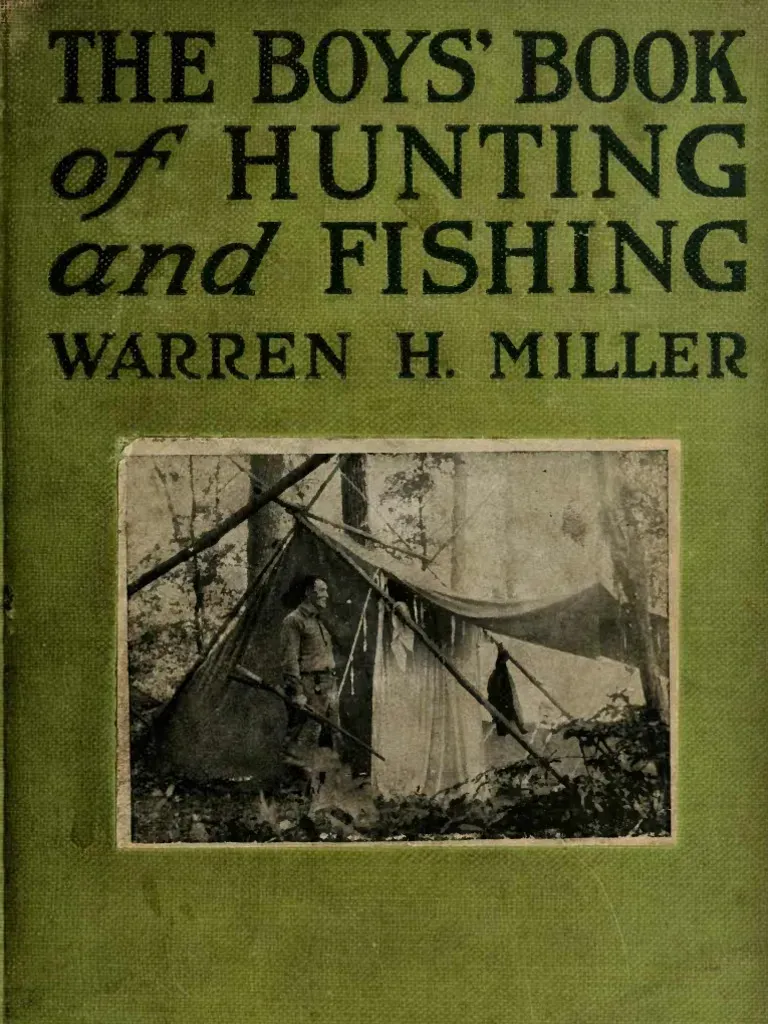
Long-Term Sustainability:
- Thrive by Juan Pablo Quiñonez focuses on skills beyond the 72-hour bug-out scenario
- The Resilient Farm and Homestead by Ben Falk provides sustainable systems thinking
- When Technology Fails by Matthew Stein offers comprehensive technical knowledge for grid-down scenarios
John D
Fictional Case Studies:
- One Second After by William R Forstchen provides a very realistic outlook into the potential aftermath of an EMP scenario
- Day by Day Armageddon by J.L. Bourne, a dramatic yet informative zombie apocalypse narrative
Structured Online Learning
Wilderness Skills: The "Essential Wilderness Survival Skills" course from Wilderness College offers structured learning on fire, shelter, and water. Platforms like Udemy also offer beginner-level "Survival 101" courses.
Specialized Training: Consider in-person workshops from recognized schools, such as the Pathfinder School (Dave Canterbury), Sigma 3 Survival School, or regional homesteading expos for hands-on experience.
John D
Podcasts and YouTube Channels: Ongoing Education
Digital resources are invaluable for keeping survival skills sharp and staying updated on new techniques or gear. They offer a mixture of entertainment and education.
YouTube Channels Worth Subscribing To
Wilderness and Bushcraft:
- Coalcracker Bushcraft is highly regarded for practical bushcraft and wilderness survival skills
- Joe Robinet provides engaging "go camping with me" style videos that blend entertainment with actual survival scenarios
- Dave Canterbury for traditional bushcraft techniques
- Survival Lilly for diverse skills and gear reviews
Urban and Practical Preparedness:
- Ultimate Survival Tips focuses on gear reviews and practical hacks
- Canadian Prepper offers balanced perspectives on preparedness
- The Urban Prepper focuses on apartment and suburban preparedness
Podcasts for Auditory Learning
Comprehensive Preparedness:
- The Survival Podcast with Jack Spirko is a quintessential resource covering prepping, homesteading, and modern survivalism
- The Survivalist Prepper Podcast offers practical information without excessive "doomsday" hype
Specialized Knowledge:
- Fieldcraft Survival focuses on professional, actionable skills for preparedness
- Against The Odds shares intense, true survival stories
- The Prepper Podcast covers specific technical skills and gear reviews
- Worst Case Scenario by Farren Prep, an experienced prepper and survivalist
Building Your Personal Preparedness Plan
Effective preparedness requires personalization based on your specific circumstances:
- Assess Your Situation: Consider your geographic location, climate, and likely disaster scenarios
- Identify Skill Gaps: Honestly evaluate your current abilities and what you need to learn
- Create a Learning Plan: Schedule regular practice sessions and educational activities
- Connect Locally: Join at least one local group that aligns with your interests
- Practice Regularly: Knowledge without practice is merely theoretical
Conclusion
Building a resilient future is not a passive task. It requires leveraging local, human connections to form survival groups while investing in continuous, diverse education. By combining practical, community-based training with knowledge gathered from books, online courses, and digital media, individuals can create a comprehensive preparedness plan that ensures survival in any environment.
The most effective approach to preparedness balances self-reliance with community integration. Remember that the goal is not merely to survive a crisis but to thrive in its aftermath, and this requires both individual competence and collective strength.