What to Do If a Nuclear Accident Happens: A Practical Safety & Preparedness Guide

Radiological incidents are often misunderstood. Popular imagination jumps immediately to worst-case scenarios, but real preparedness begins with understanding how protective actions actually work.
Emergency management guidance is built around a simple principle: reduce exposure first, then evaluate movement.
For those living near nuclear facilities, whether a traditional power plant or emerging Small Modular Reactor (SMR) site, preparation should emphasize clarity, not fear.
Know Your Proximity
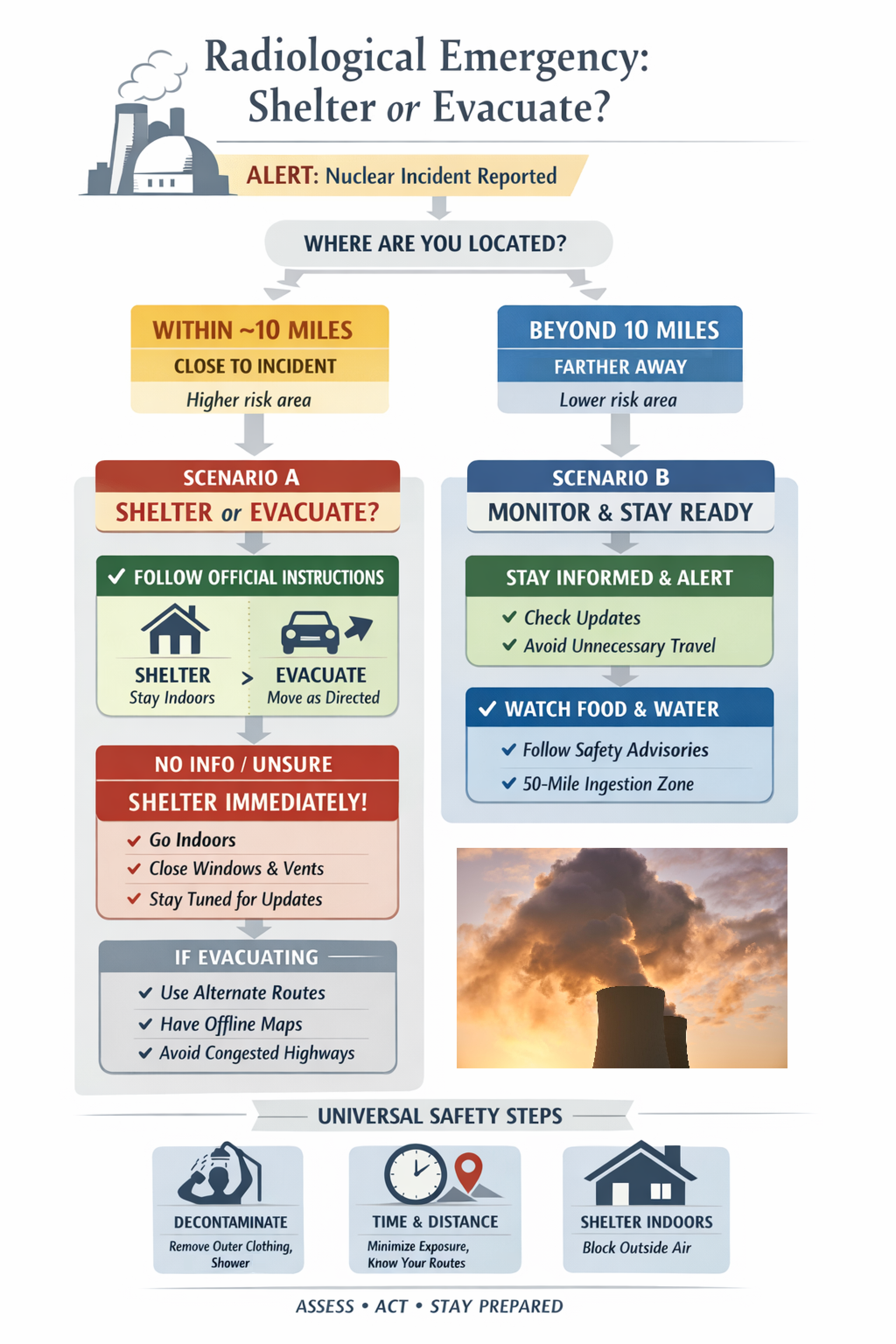
Distance shapes decisions.
Individuals within the immediate planning zone (commonly associated with roughly 10 miles for large plants) may face instructions involving sheltering or controlled evacuation. Those farther away are more likely to benefit from shelter-in-place and information monitoring rather than spontaneous travel.
 John D
Shelter First, Not Panic
In many radiological scenarios, airborne particles present the initial concern. Moving indoors quickly, closing windows and doors, and minimizing outside air intake can dramatically reduce exposure.
Time, distance, and shielding remain the foundational protection concepts.
Information Is a Survival Tool
Reliable alerts, battery-powered radios, and redundant communication awareness matter more than dramatic reaction.
Preparedness is not about predicting catastrophe, rather it is about maintaining decision stability when uncertainty appears.
Most emergencies reward calm procedure, not urgency-driven improvisation.
Evacuation Contingency Plan
If evacuation ever becomes necessary, your greatest advantage is not speed... it is readiness.
Radiological emergencies are uniquely disorienting. Unlike storms or blackouts, there may be uncertainty about duration, return timelines, and infrastructure stability. You may be instructed to leave with little notice and no guarantee of immediate reentry. Preparing for this possibility is not alarmism; it is simple risk management.
Build a “Ready-to-Go” Vehicle Kit
 John D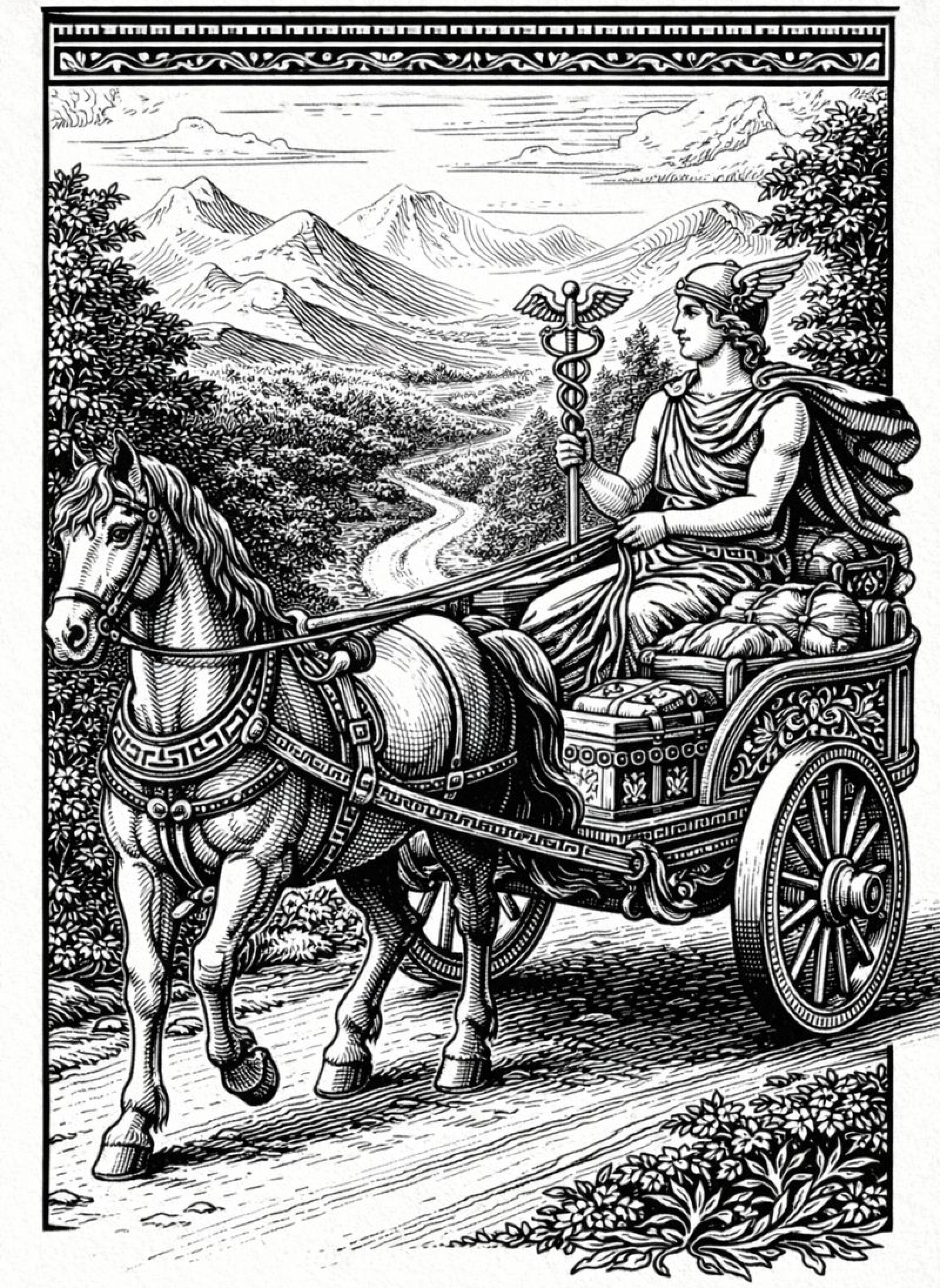
Think of this as a bug-out framework with a radiation-aware emphasis:
✔ Personal Identification & Documents
Keep physical copies of identification, insurance, medical information, and key contacts. Digital access may fail, and reentry to your residence may be delayed.
✔ Stored Water & Basic Sustenance
Traffic congestion is common in evacuations. Being immobilized for hours is far more likely than a dramatic escape. Water becomes your most critical resource.
✔ Respiratory & Exposure Protection
Dust masks or respirators help reduce inhalation of airborne particles. Tarps, rain covers, ponchos, and spare clothing layers help manage contamination and weather exposure.
✔ Medical & Stability Supplies
Include a basic medical kit, hygiene items, and simple comfort measures. Stress and fatigue degrade judgment quickly.
✔ Fuel & Mobility Considerations
Evacuations strain infrastructure. Maintain reasonable fuel reserves when practical, and consider seasonal realities: snow chains, tire condition, roadside safety equipment.
Destinations: Distance + Practicality
Evacuation planning is not simply about escape; it is about moving toward stability.
Ideal characteristics of a fallback destination:
✔ Outside major population centers
✔ Access to basic services (food, restrooms, fuel / electricity)
✔ Shelter / Campsite options
✔ Socially permissible presence
In reality, this often means identifying low-drama, low-friction environments rather than remote wilderness fantasies.
Small towns, rural corridors, or areas removed from major infrastructure nodes often provide better outcomes than chaotic urban dispersal.
The Overlooked Factor: Human Anchors
One of the most powerful yet rarely discussed preparedness tools is prior contact.
Having an informal understanding with:
✔ A small business
✔ A rural property owner
✔ A local diner / service establishment
✔ Friends or extended contacts
…can dramatically reduce uncertainty during displacement.
In prolonged disruptions, legitimacy and familiarity often matter more than gear. Being “the person who called ahead” or “the known face” carries real-world value.