Vehicle Prep Essentials by FEMA Region

How to Prioritize Your Car Emergency Kit Based on Where You Live
Many vehicle emergency kits are sold as one-size-fits-all solutions. In reality, what strands people on the road and what keeps them safe afterward varies heavily by region.
The U.S. is divided into FEMA regions based on geography and risk patterns. Understanding your FEMA region lets you prioritize the right gear, rather than carrying unnecessary items while missing critical ones.
This guide breaks down vehicle prep essentials by FEMA region, so you can build a smarter, lighter, and more effective roadside kit.
Universal vehicle essentials (every region)
Before tailoring your kit, every vehicle should carry a basic foundation:
- Water (at least 1 gallon per person)
- Non-perishable food (bars, nuts, jerky)
- First aid kit
- Flashlight or headlamp
- Phone charging power bank
- Jumper cables
- Reflective vest, reflective triangles, road flares
- Tire inflator, fix-a-flat, sealant
- Blanket (including extra emergency foil blankets)
These cover the most common roadside emergencies nationwide.
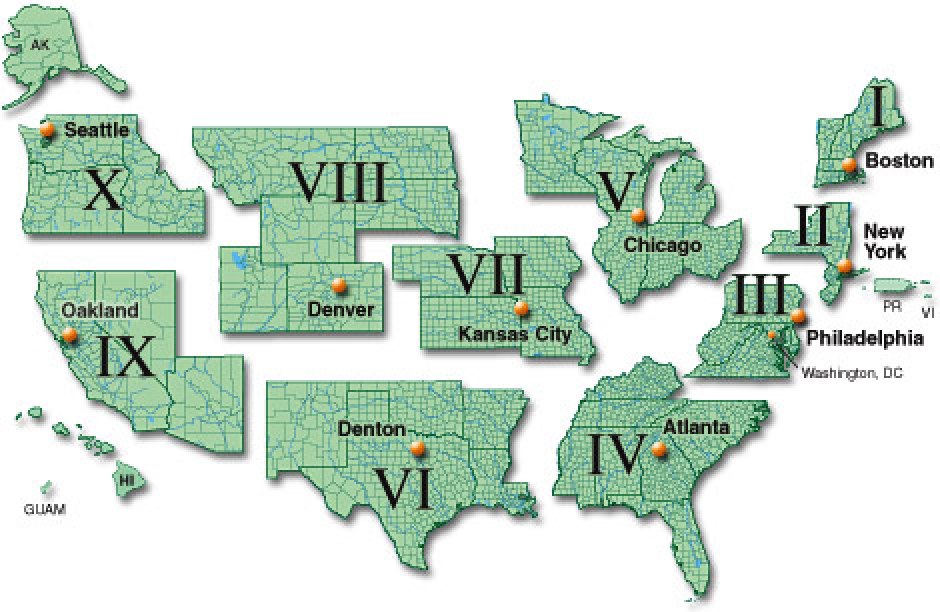
FEMA Regions 1–3: Northeast & Mid-Atlantic
Primary risks: winter storms, cold exposure, traffic gridlock
If you live in the Northeast or Mid-Atlantic, cold immobilization is the biggest threat.
Prioritize:
- Heavy insulated blankets or sleeping bags
- Extra warm clothing (hat, gloves, socks)
- Windproof outer layer
- Ice scraper and windshield fluid
- Traction aids or cat litter
- Chemical hand warmers
Vehicles often become stuck in traffic for hours during snowstorms. The goal here is heat retention and visibility, not long-distance travel.
FEMA Regions 4 & 6: Southeast & Gulf Coast
Primary risks: hurricanes, flooding, extreme heat
In southern and Gulf regions, heat and water exposure matter more than cold.
Prioritize:
- Extra drinking water
- Electrolytes (salt)
- Wide-brim hat or sun cover
- Poncho or rain gear
- Window breaker / seatbelt cutter
- Paper maps (cell service often fails during storms)
Avoid carrying unnecessary cold-weather gear. Focus on hydration, shade, and flood escape tools.
FEMA Regions 5 & 7: Midwest
Primary risks: extreme weather swings, long rural distances
The Midwest experiences both severe cold and heat, often far from services.
Prioritize:
- Seasonal clothing swaps (winter vs summer kits)
- High-calorie food
- Multiple water containers
- Tire repair tools
- Compact shovel (winter)
- Dust mask (tornado debris)
Distance between exits and services makes self-reliance more important here.
FEMA Region 8: Mountain West
Primary risks: elevation, snow, isolation
Mountain regions combine cold, terrain, and limited cell coverage.
Prioritize:
- Cold-weather clothing year-round
- Extra water (dehydration at altitude)
- High-visibility signaling gear
- Offline navigation
- Tire chains (where legal)
- Extra fuel buffer
Breakdowns here are less frequent... but more dangerous when they happen.
FEMA Regions 9 & 10: West Coast & Pacific
Primary risks: earthquakes, wildfires, heat, remoteness
Western regions demand flexibility.
Prioritize:
- Respirator or N95 masks (smoke)
- Eye protection
- Fire-resistant gloves
- Extra water storage
- Sturdy footwear
- Emergency cash
Wildfires and earthquakes often block roads suddenly. Your kit should support rapid changes and detours, not long-term sheltering.
Why regional prep matters
A vehicle kit isn’t about surviving indefinitely. Rather, it exists to bridge the gap between disruption and safety.
When your gear matches your environment:
- you carry less
- you spend less money
- you respond faster
- you make clearer decisions under stress
Preparedness works best when it’s context aware.
Your FEMA region doesn’t determine if you need a vehicle kit; it determines what matters most when something goes wrong.
A thoughtful, region-specific approach turns a generic emergency kit into a real safety tool. It reflects where you drive, what you face, and how people actually get stranded.
Preparedness isn’t about extremes. It’s about being ready for the most likely problem, right where you are.