What Is Techno-Agriculture? Redefining Food Production as an Engineered System
Techno-agriculturalism redefines farming as a controlled system using automation, hydroponics, and indoor production.

A conceptual shift from traditional farming to controlled, automated systems that treat food production as infrastructure.
Agriculture has historically been framed as a relationship with nature—soil, seasons, weather, and land. It is often romanticized as a return to something organic and grounded. But a different model is emerging, one that treats food production not as a natural process to be respected, but as a technical system to be engineered.
This approach can be defined as techno-agriculturalism.
At its core, techno-agriculturalism reframes agriculture as an optimization problem. Instead of asking how to work within the constraints of climate and geography, it asks how to eliminate those constraints entirely. The goal is not to cooperate with nature, but to replicate and improve upon its outputs using controlled environments, automation, and biological efficiency.
The result is a shift from land-based farming to infrastructure-based production.
Indoor mushroom cultivation is a clear example. Traditional agriculture depends on sunlight, soil, and open land. Mushroom farming requires none of these. It operates in stacked vertical systems, often in dark, climate-controlled rooms, using agricultural waste as substrate. Temperature, humidity, and airflow are tightly regulated. Yield becomes predictable, repeatable, and scalable. It is not subject to droughts or seasonal variation.
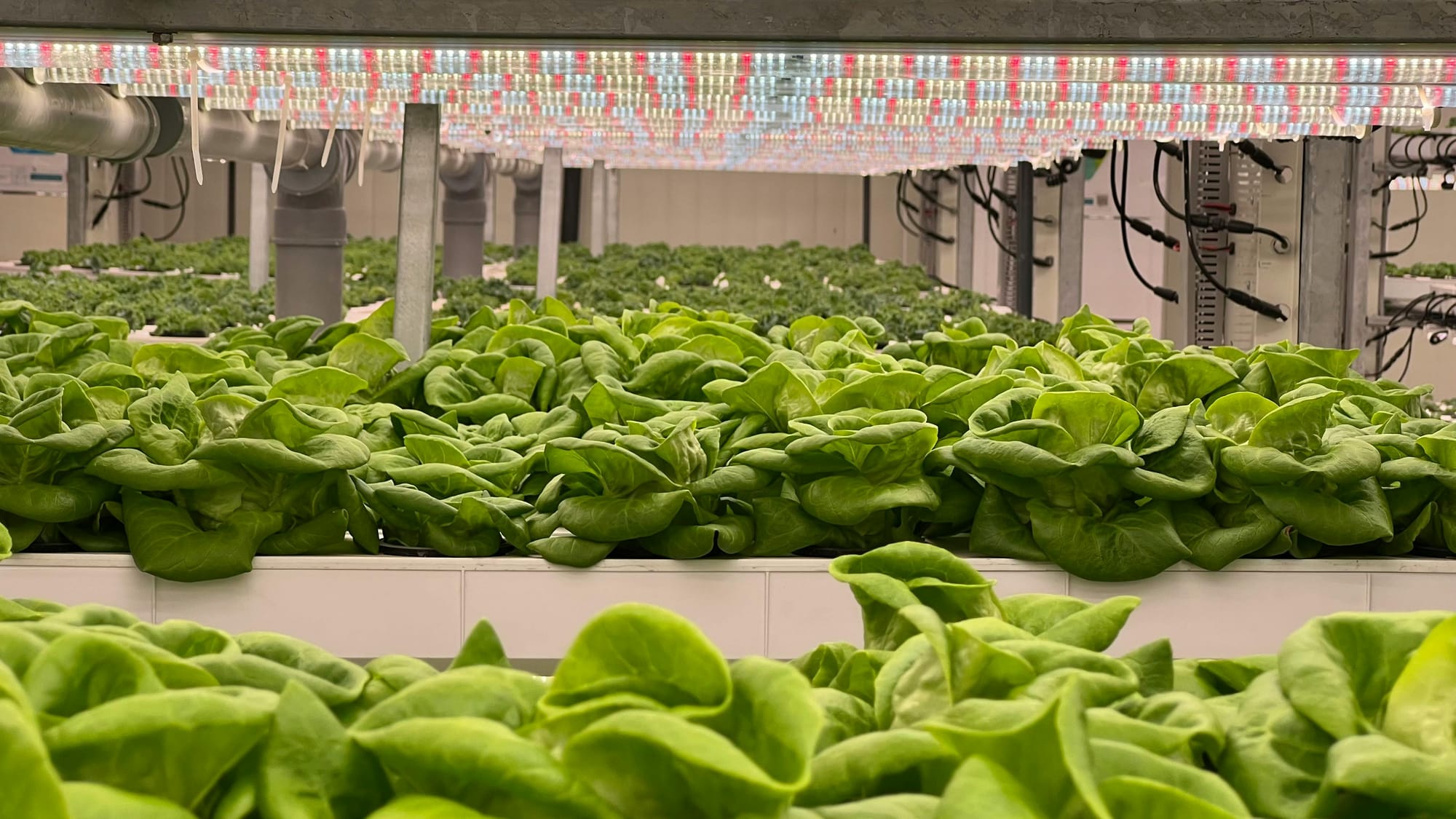
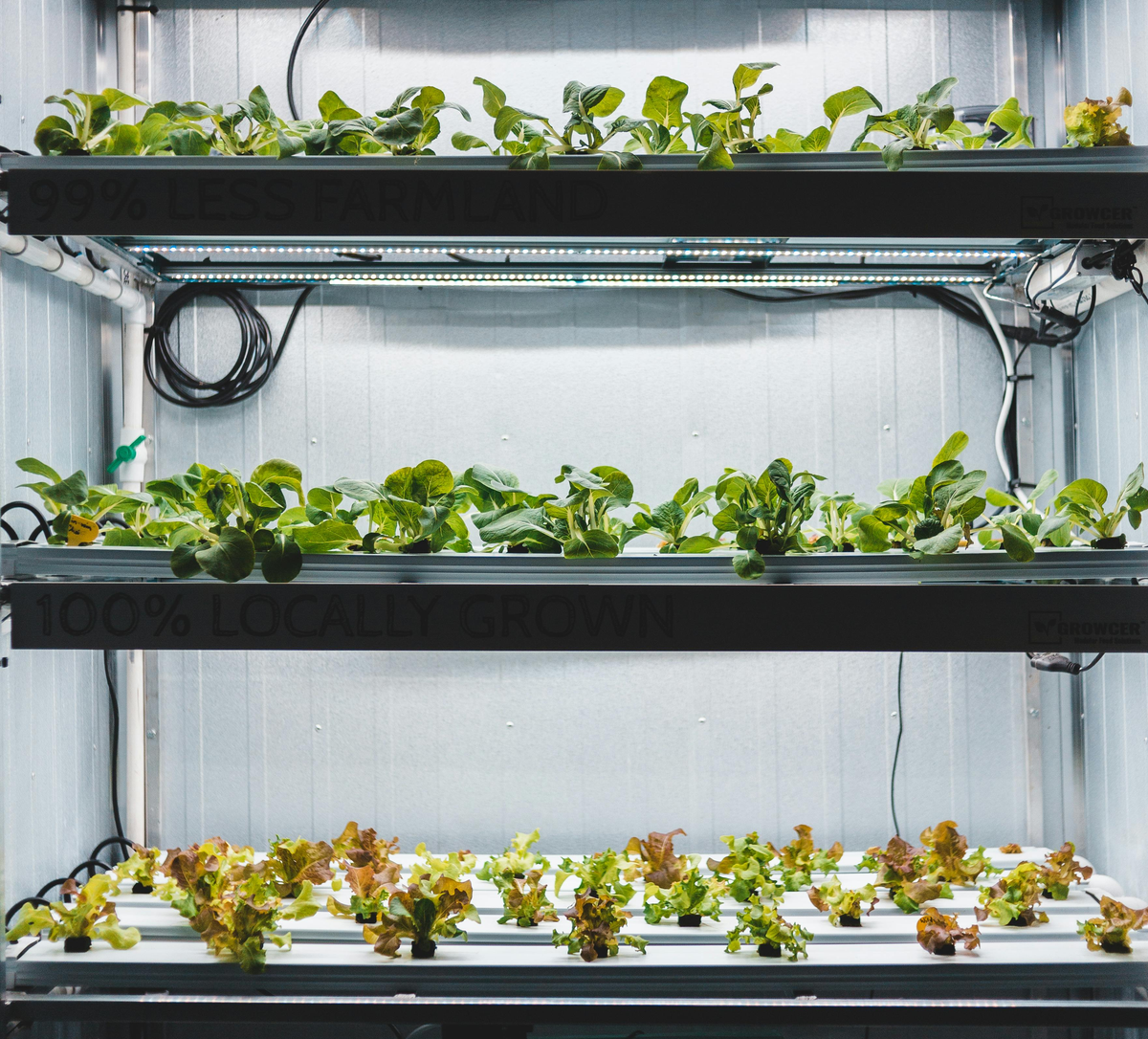
Hydroponics and aquaponics extend this principle further. Plants are grown without soil, fed by precisely calibrated nutrient solutions or recycled biological waste streams. Water is recirculated. Inputs are measured. Outputs are optimized. A hydroponic system does not “hope” for a good season; it enacts a controlled growth cycle.
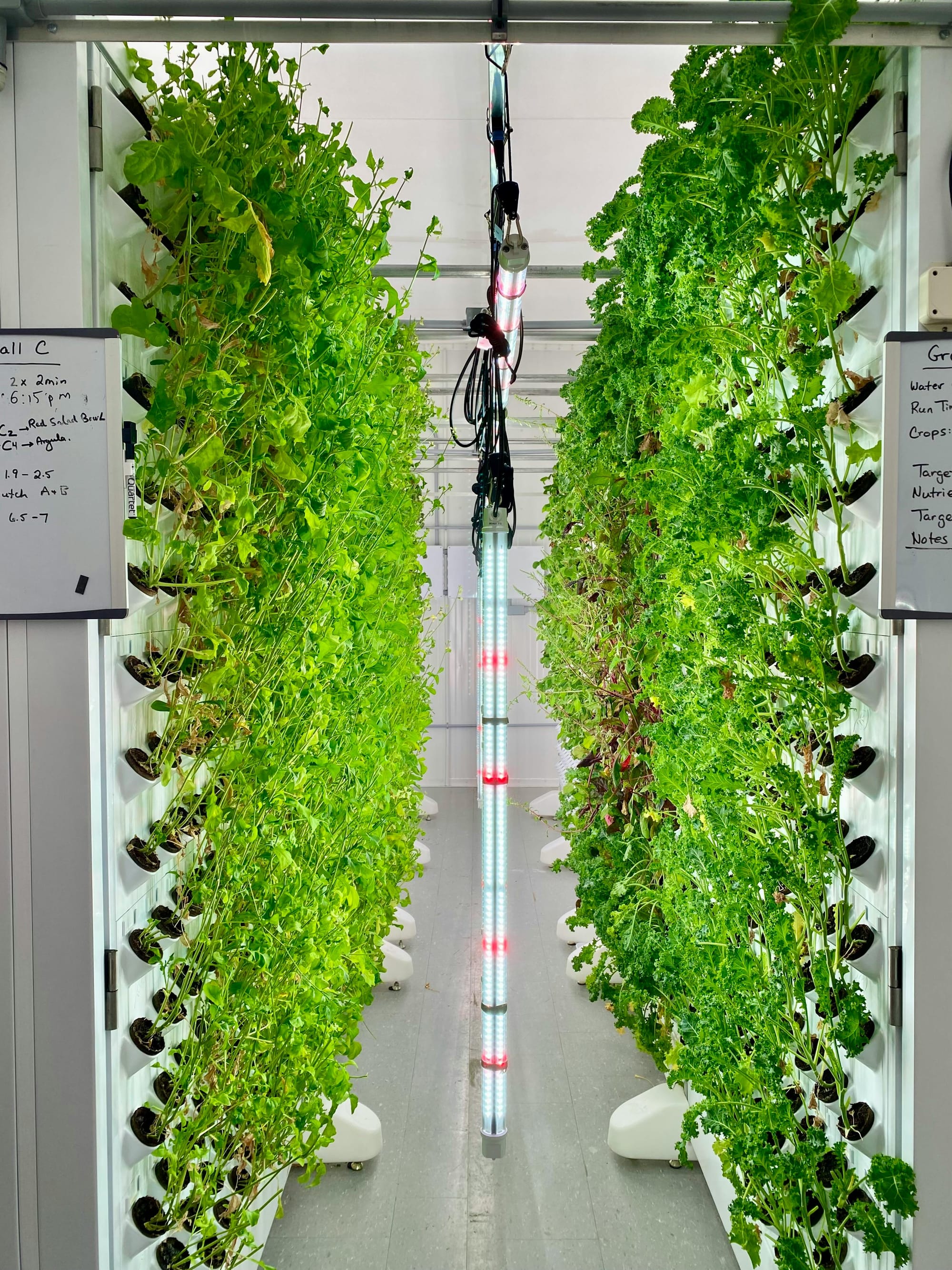
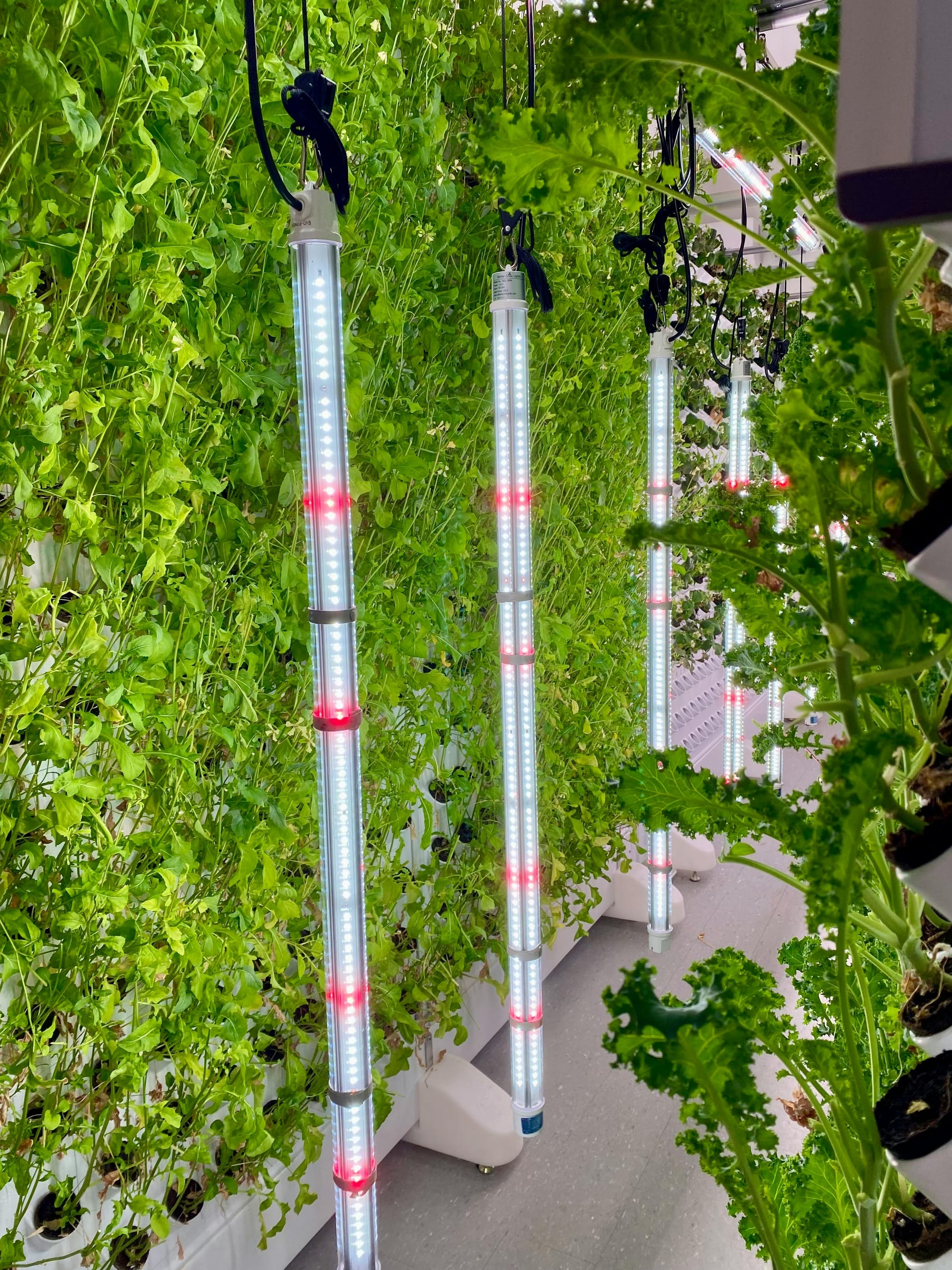
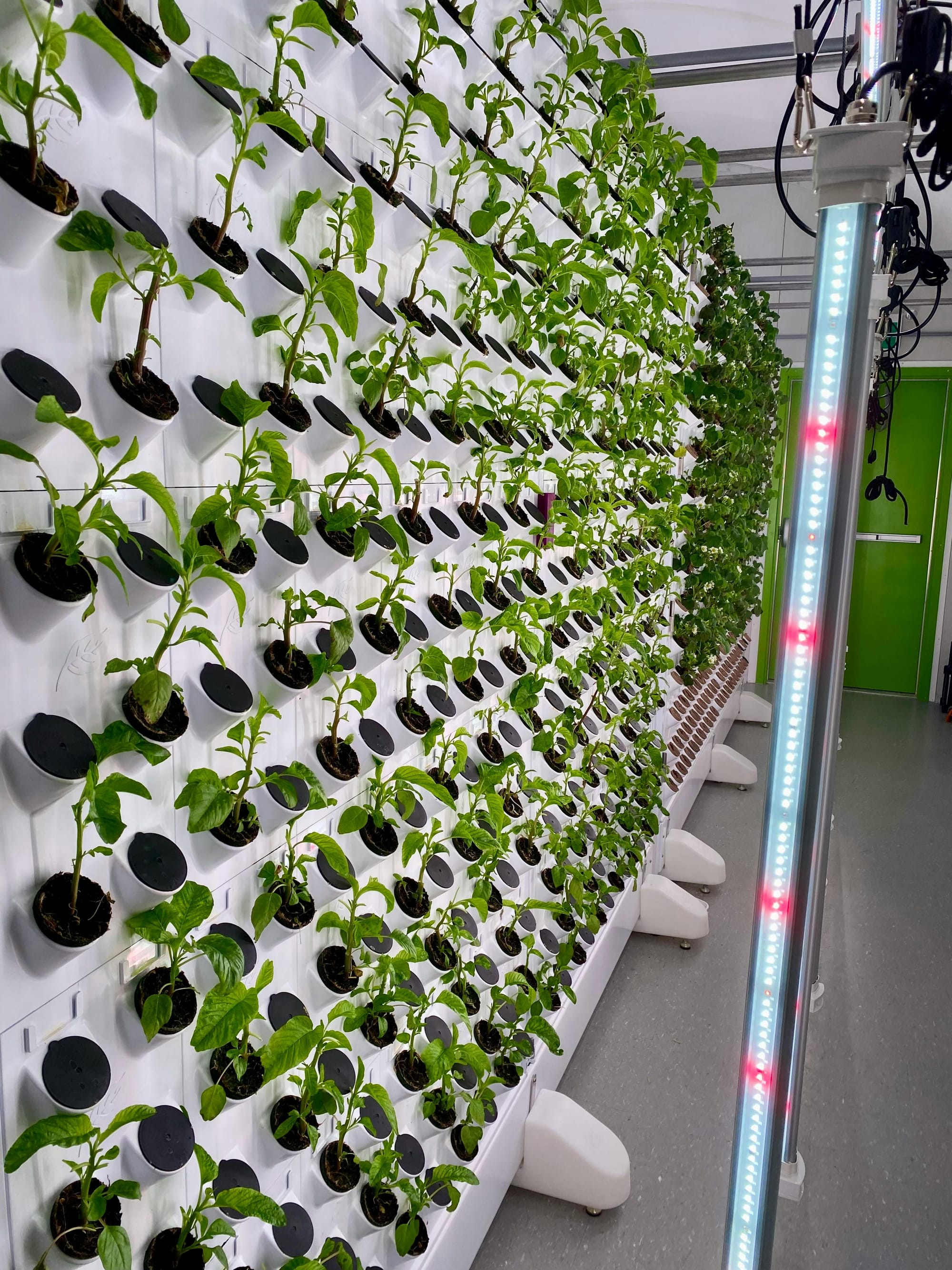
Innovative Vertical Hydroponic Garden Indoors - Photo by Emily Bow Pearce on Pexels
Seaweed and algae cultivation push the model even further into abstraction. These organisms convert light, carbon dioxide, and basic nutrients directly into biomass at efficiencies far exceeding terrestrial crops. In photobioreactors or controlled aquatic systems, production becomes a function of light exposure and nutrient flow; not land availability. Food is no longer tied to geography.
Automation is the layer that binds these systems together.
Sensors monitor temperature, pH, dissolved oxygen, nutrient levels, and growth rates in real time. Feedback systems adjust conditions automatically. Pumps, lights, and airflow are regulated by software. In more advanced setups, machine learning models optimize yield over time by identifying patterns in growth data. The role of the human operator shifts from laborer to system manager.
This is the defining characteristic of techno-agriculturalism:
Food production becomes a managed system rather than a practiced tradition.
This shift has significant implications.
First, it compresses space. What once required acres can now be achieved in a garage, warehouse, or shipping container. Second, it compresses time. Growth cycles can be accelerated, stacked, and repeated continuously. Third, it reduces dependency on external conditions, weather, soil quality, and even supply chains.
It also changes the skillset required. Success is no longer determined by intuition about land or seasons, but by an understanding of systems, biology, and process control.
This does not mean nature is irrelevant. On the contrary, these systems are built from biological processes, fungal growth, bacterial conversion, photosynthesis. But instead of adapting to nature, techno-agriculturalism abstracts and contains it, turning living systems into components within a larger engineered loop.
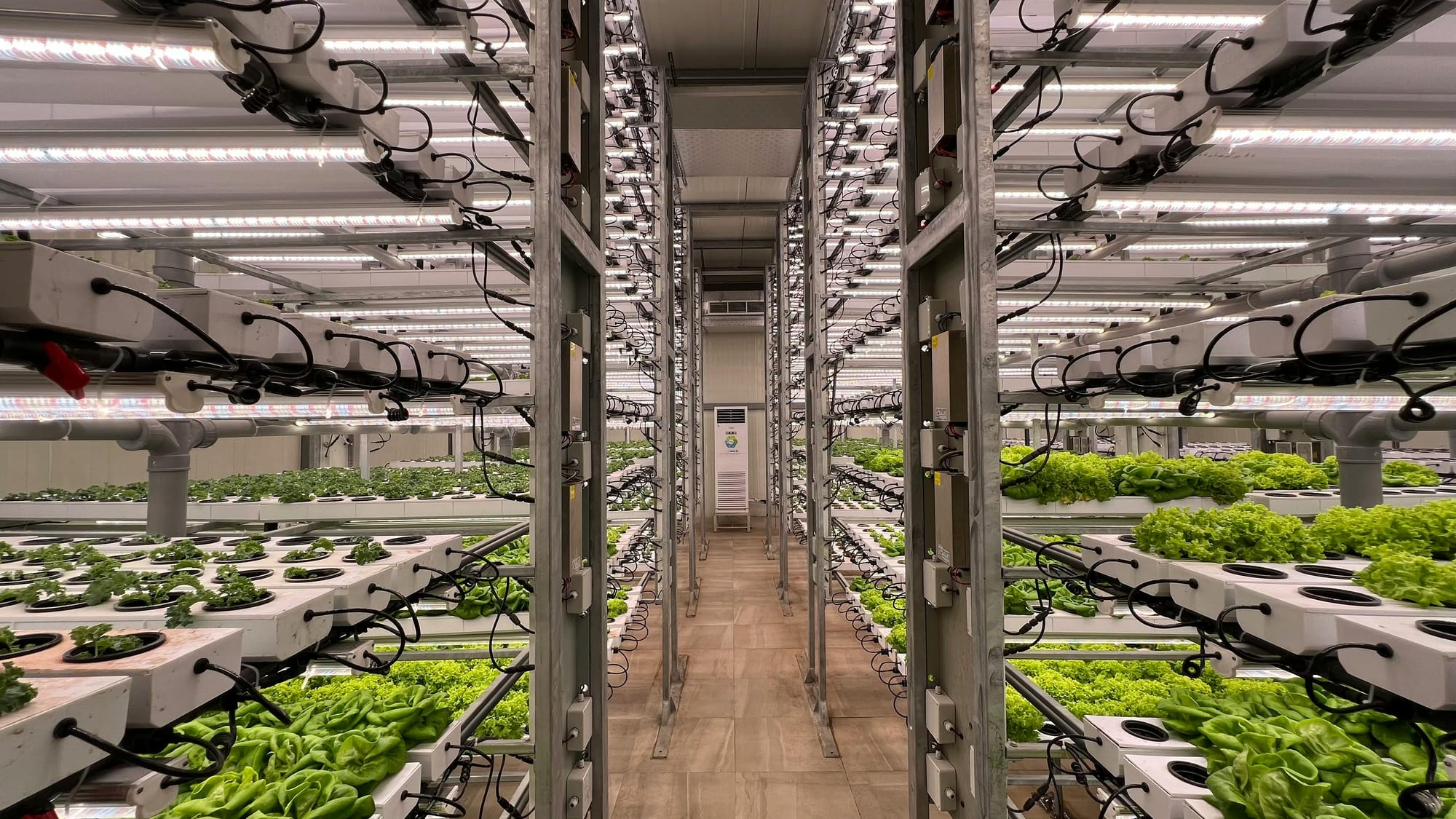
The end result is not traditional agriculture scaled down. It is something fundamentally different:
A transition from farming as an environmental activity to food production as infrastructure.
And like any infrastructure, it can be designed, optimized, and deployed wherever it is needed.
 John D