
Survival Food Strategy: Balancing MRE Portability with Canned and Bulk Longevity

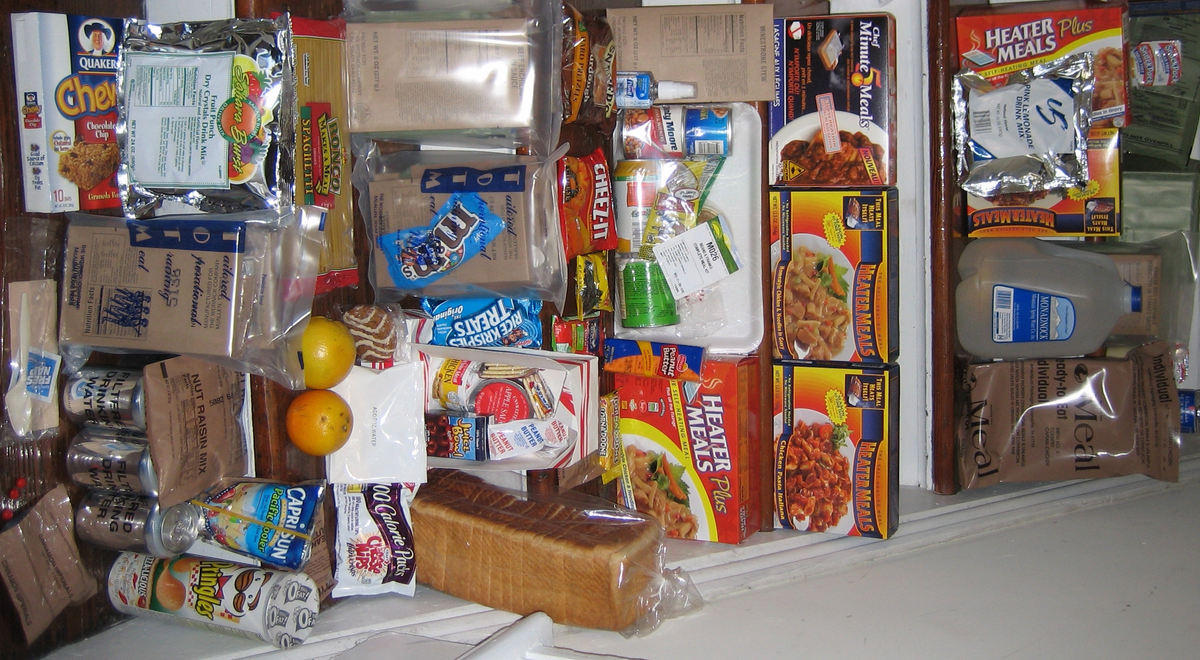
When planning for emergency preparedness or survival scenarios, food selection is not simply about taste or convenience. Military logistics, wilderness survival experts, and historical expeditions have long emphasized several key principles when choosing food for harsh or uncertain conditions.
The most effective survival foods provide high caloric density, long shelf life, balanced nutrition, portability, and minimal preparation requirements. This article examines the foods most commonly relied upon by soldiers and survival professionals.
Meals Ready to Eat (MREs):
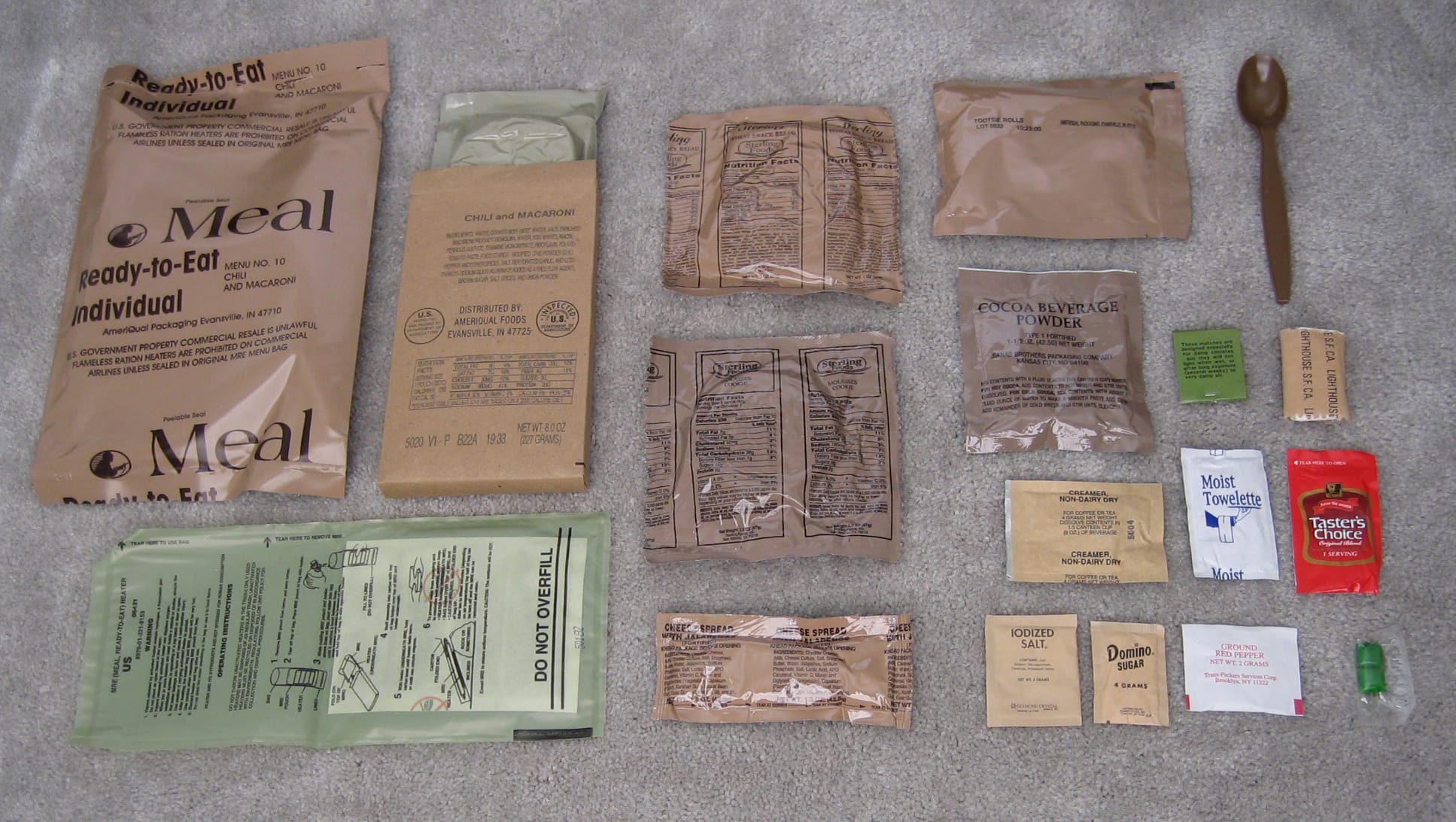
The Military Standard Meals Ready to Eat, commonly known as MREs, are the backbone of modern military field nutrition. Developed to sustain soldiers in active combat environments, these meals are carefully designed to provide complete nutritional support under demanding conditions. Each MRE typically contains an entrée, side dish, snack items, condiments, beverages, utensils, and a flameless heating system. Most meals provide between 1,200 and 1,300 calories, helping maintain energy levels during physically demanding activities.
Advantages:
• Balanced mix of carbohydrates, fats, and protein
• Long shelf life, typically three to five years or longer when stored properly
• Requires little to no preparation
• Self-contained and durable packaging Limitations:
• Relatively heavy and bulky compared to other survival foods
MREs are best suited for short-to-medium-term emergency kits, vehicle preparedness kits, and rapid evacuation scenarios.
Dried Meat and Jerky:
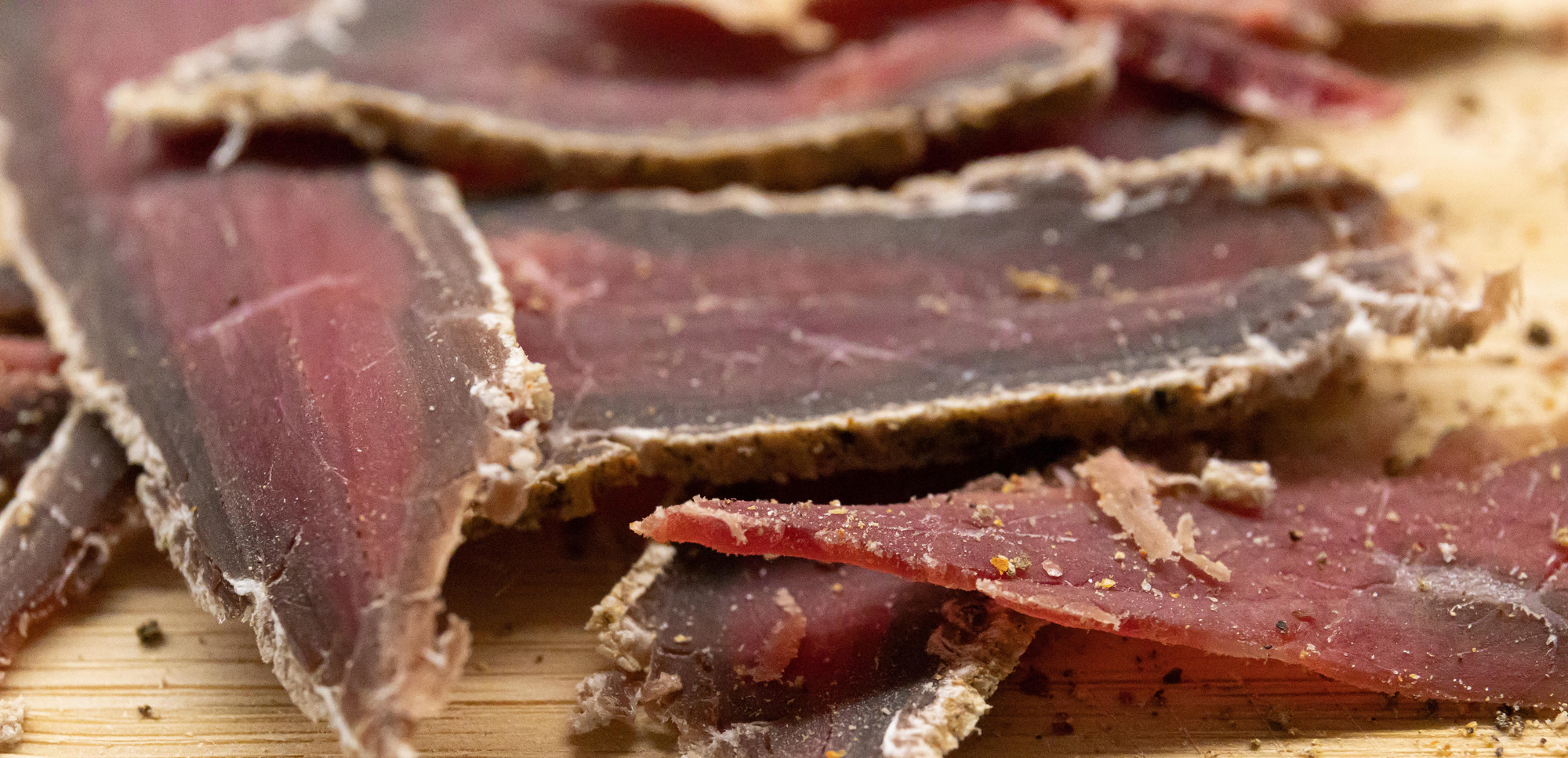
Dried meats have supported travelers, hunters, and military personnel for centuries. By removing moisture from meat, spoilage is significantly reduced while preserving valuable nutrients. Jerky offers a concentrated source of protein, which is crucial for maintaining muscle mass and supporting physical endurance when calorie intake may be limited.
Advantages:
• Lightweight and portable
• Long shelf life
• High protein concentration
• Requires no refrigeration or cooking
Fatty dried meats can offer additional caloric benefits, as fat provides more than twice the calories per gram compared to protein or carbohydrates.
Butter and Animal Fats:
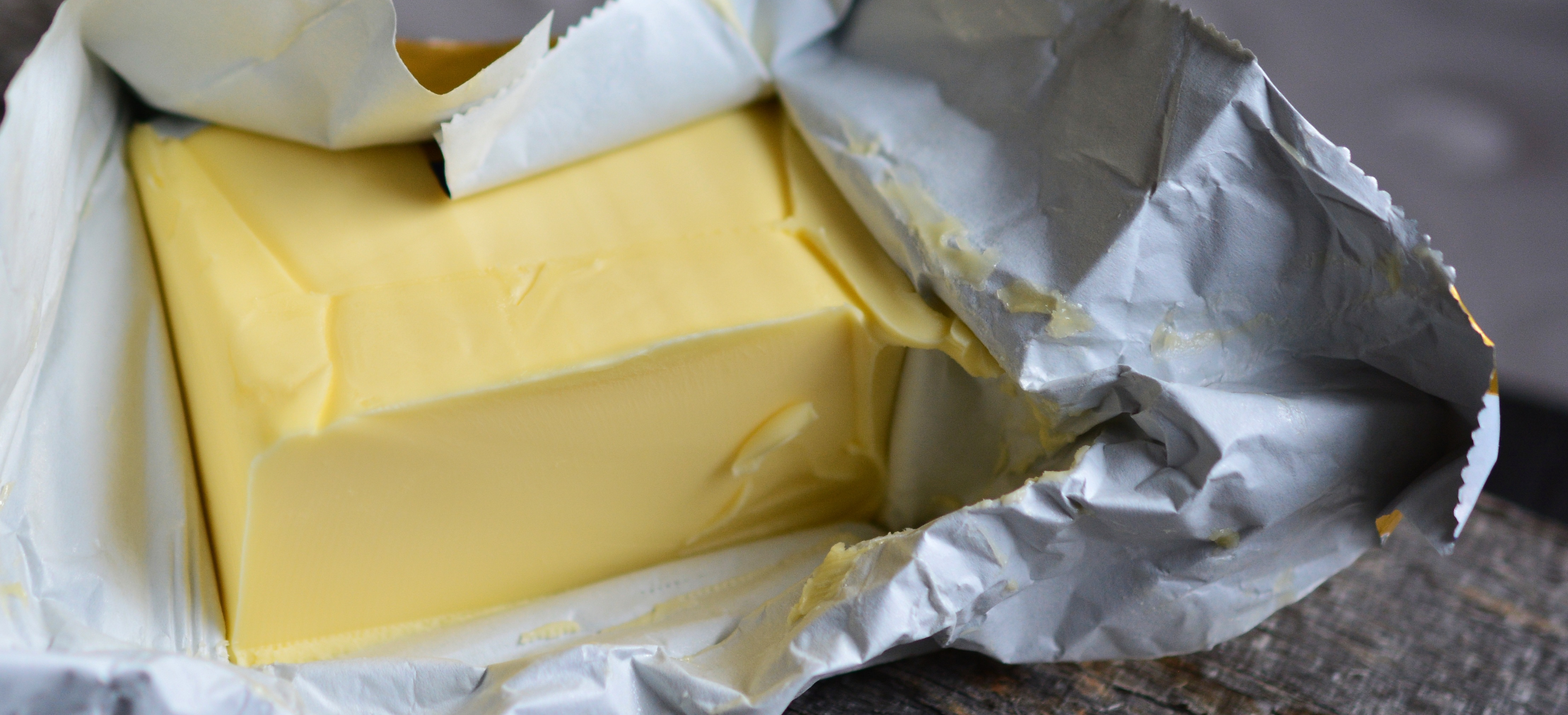
Animal fats have historically played a critical role in survival diets, particularly in cold environments and high exertion scenarios. Fat provides approximately nine calories per gram, making it one of the most efficient energy sources available. Butter and clarified butter are especially valuable because they deliver sustained energy and improve the caloric value of other foods.
Advantages:
• Extremely calorie dense
• Supports long-term energy needs
• Enhances the palatability of basic staple foods
Nuts and Trail Mix:
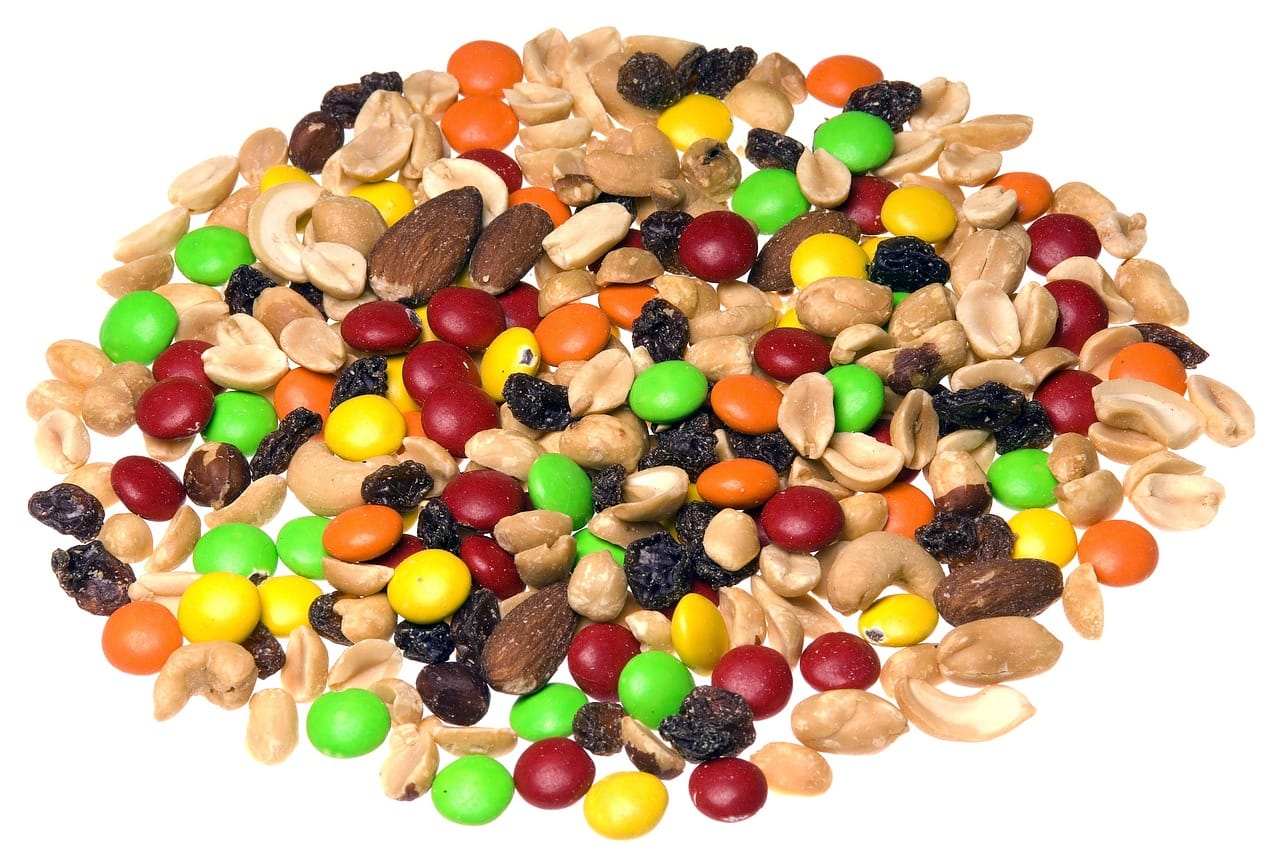
Balanced Nutrition and Durability Nuts and trail mixes are widely used by military personnel, hikers, and survivalists due to their balanced nutritional composition and ease of transport. Trail mix typically combines nuts, dried fruits, and occasionally chocolate or candy, providing a mixture of fats, carbohydrates, and protein.
Advantages:
• High caloric density
• Minimal preparation required
• Resistant to crushing and spoilage
• Provides both quick and sustained energy
Rice and Beans:
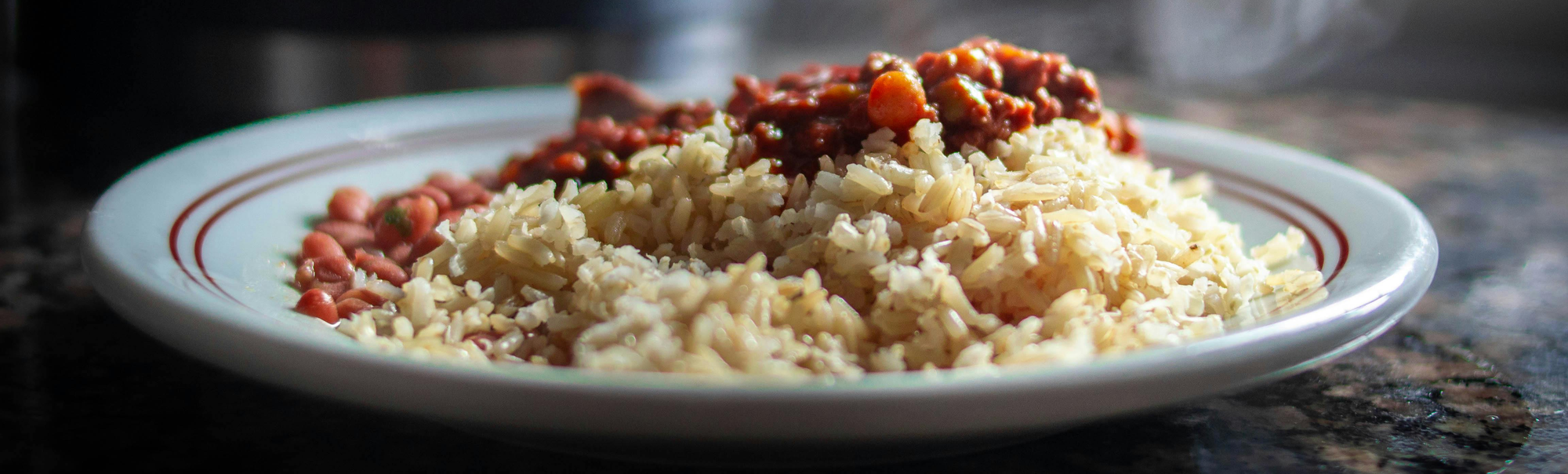
When stored properly in dried airtight containers, these foods can remain edible for decades. Together, rice and beans provide a complete protein profile, making them nutritionally complementary.
Advantages:
• Extremely long shelf life (often 20–30 years with proper storage)
• Nutritionally complete when combined
• Economical and widely available
Limitations:
• Requires water and cooking equipment
• Less suitable for rapid evacuation scenarios
Canned Meat and Fish:

Durable and Ready-to-Eat Protein Canned protein sources remain a staple in both military and maritime survival planning. Products such as tuna, sardines, canned chicken, and processed meats like canned ham or Spam offer dependable nutrition with minimal preparation. Oil packed fish products provide additional calories through fat content, and the oil can be used as an effective fuel for a campfire in the field.
Advantages:
• High protein and fat content
• Ready to consume without cooking
• Durable packaging protects contents
The Importance of Hydration and Electrolytes
Hydration is a critical aspect to survival. Military rations frequently include electrolyte drink mixes because physical stress, environmental exposure, and exertion increase fluid and mineral loss. Adequate hydration is vital for overall physical performance. One should also consider utilizing multiple water storage devices for redundancy.
Building a Practical Survival Food Supply
A well-rounded survival food strategy typically includes multiple categories of food to address different survival phases.
Immediate and Mobile Food Supplies:
• MREs or freeze-dried meals
• Jerky or dried meats
• Trail mix or nuts
• Peanut butter or other calorie-dense spreads
• Energy bars
Effective survival food planning uses field tested principles rather than conveniences. Military rations, expedition foods, and modern survival meals all highlight the importance of calorie density, durability, weight, and nutrition. By combining ready to eat emergency foods with long term storage staples and high calorie supplements, individuals can build a resilient food supply capable of supporting both short term emergencies and extended survival scenarios.