Physical Endurance: The Most Overlooked Survival Skill

When people think about survival preparedness, they usually picture gear: packs, filters, tools, food. Physical endurance is rarely discussed, even though it underpins almost every survival scenario.
In real emergencies, survival is rarely static. You don’t just have supplies; you have to carry them. You carry weight. You endure weather. You make decisions while tired, cold, or overheated. Physical endurance isn’t simply athletic performance; it’s about functional capacity under stress.
Why endurance matters more than strength alone
Strength is useful, but endurance is what allows strength to be applied over time.
Most real-world situations involve:
- walking long distances with a pack
- standing or working for hours
- climbing, crouching, lifting repeatedly
- maintaining coordination while fatigued
A person who can lift heavy once, but tires quickly is less prepared than someone who can move steadily for hours with moderate load.
Endurance keeps you going.
Load-bearing changes everything
Carrying weight dramatically increases physical demand.
A 30–40 lb / (16 kg) pack:
- alters posture
- increases energy expenditure
- strains feet, knees, and hips
- accelerates fatigue in cold or heat
Add environmental stress such as rain, snow, uneven ground, darkness... physical weakness becomes a multiplier for risk.
Endurance allows you to:
- move without panic
- pace yourself
- avoid injury
- preserve decision-making ability
Fatigue leads to mistakes. Endurance buys clarity.
Weather amplifies physical limits
Harsh conditions don’t just test gear, they test bodies.
Cold:
- drains energy faster
- reduces dexterity
- increases caloric needs
Heat:
- accelerates dehydration
- impairs judgment
- limits sustained exertion
Endurance doesn’t eliminate these effects, but it raises the threshold at which they become dangerous.
Endurance supports mental resilience
Physical exhaustion and mental strain are closely linked.
When tired:
- patience decreases
- decisions become impulsive
- anxiety increases
- situational awareness drops
A physically conditioned body:
- recovers faster
- stabilizes breathing
- regulates stress hormones better
- supports sustained focus
This isn’t about toughness, it’s about capability.
What practical endurance actually looks like
You don’t need extreme training. Functional endurance is built through:
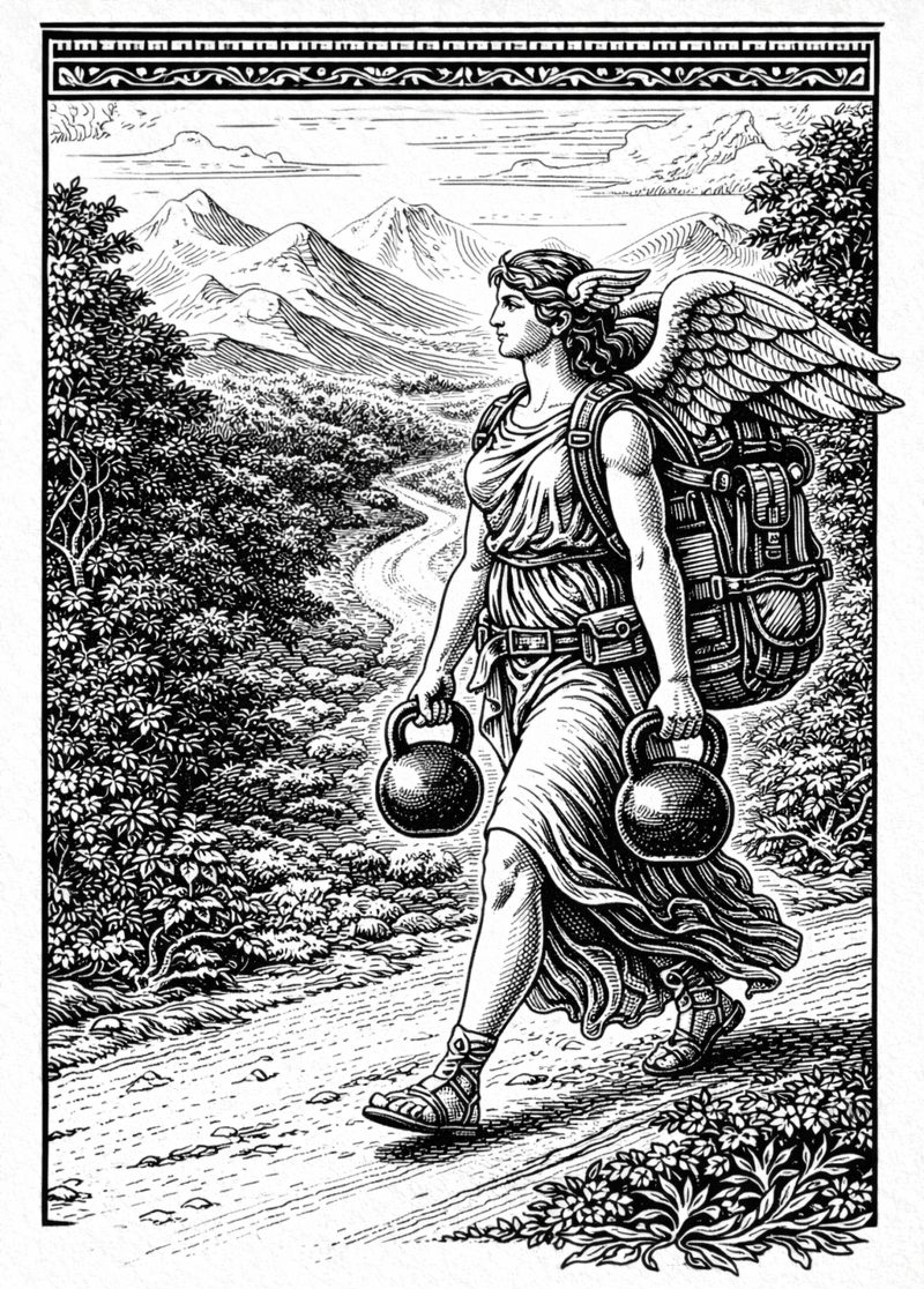
- walking with weight
- carrying a backpack long distance
- climbing stairs
- working outdoors in varied weather
- maintaining steady movement over time
Consistency matters more than intensity.
Short, regular effort compounds. Occasional extremes do not.
Endurance is adaptable and cumulative
The human body responds quickly to regular demand.
Within weeks of consistent movement:
- physical capability improves
- joints adapt
- balance stabilizes
- recovery time shortens
This adaptability is one of your strongest survival assets.
Why this matters for preparedness planning
Preparedness isn’t just about what you own, it’s about what you can do while using it.
A heavy pack is only useful if you can carry it..
Endurance makes plans realistic instead of theoretical.
Physical endurance quietly supports every other preparedness decision you make.
You don’t need to be an athlete. You need to be capable, consistently, calmly, and under load.
Survival favors those who can keep moving when conditions are uncomfortable.
Build endurance, and everything else becomes easier.