How to Dress for Any Weather Outdoors (Layering System Explained)
Learn how to layer clothing for any weather outdoors and stay warm, dry, and adaptable in changing conditions.

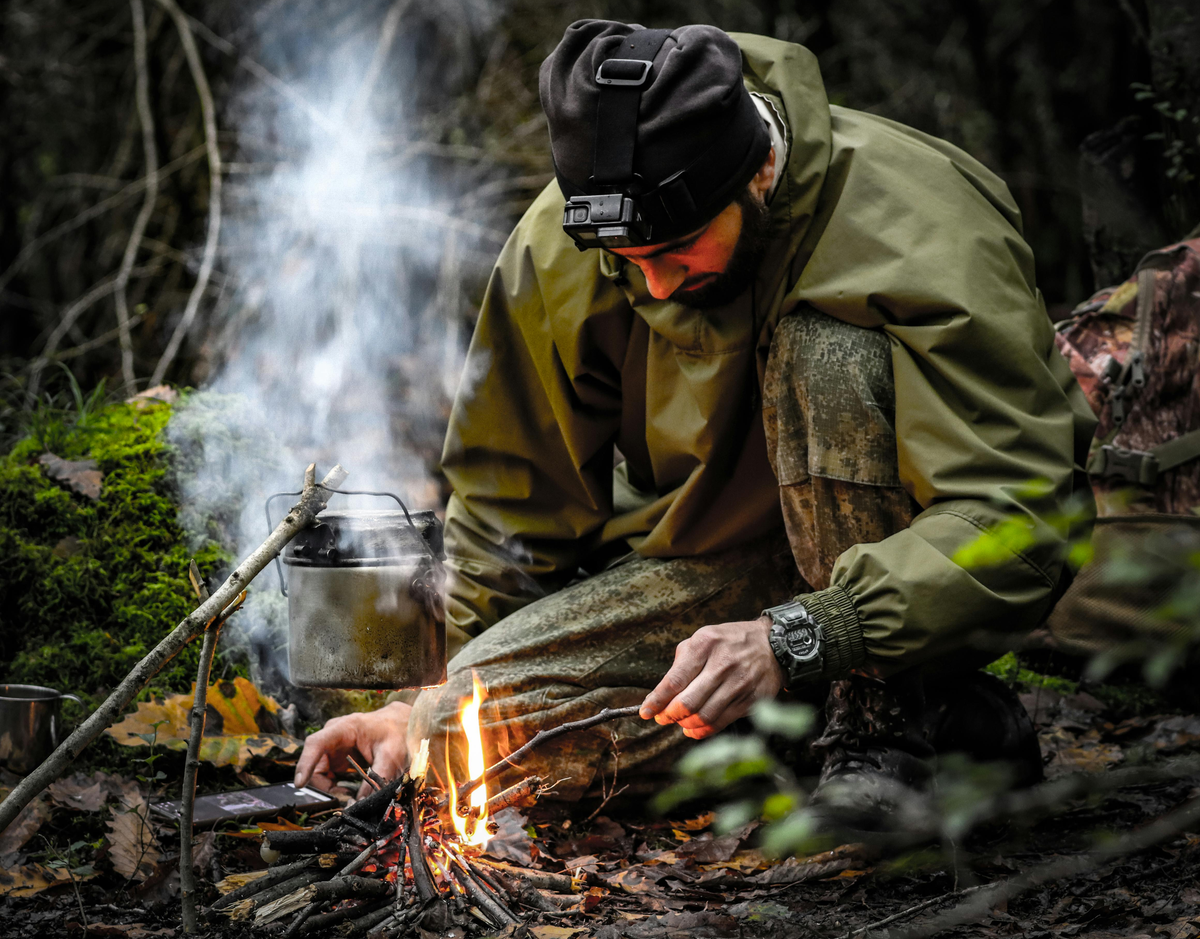
When people think about outdoor survival, they often focus on tools and gear, knives, fire, shelter. But really, your first and most important survival system is your clothing and preparation for weather.
Most outdoor emergencies don’t come from extreme situations. They come from misjudging conditions; temperature shifts, wind, moisture, or sudden weather changes.
Understanding how to dress and equip yourself properly isn’t just comfort or aesthetics, it’s risk management.
Understanding Weather: The Most Overlooked Survival Variable
Before choosing gear, you need to understand what you’re preparing for.
Key environmental factors include:
- Air temperature
- Wind (which increases heat loss dramatically)
- Precipitation (rain, snow, humidity)
- Altitude
- UV exposure
Weather forecasts are useful but limited. Most are only reliable within 2–3 days, and even then, conditions can shift quickly. Having access to handheld radio, or satellite weather imagery is a bonus here.
Prediction only goes so far. The real skill is adaptation.
In the field, early warning signs matter:
- shifting wind direction
- dropping temperature
- changing cloud patterns
- pressure changes
These signals often precede weather changes. Recognizing them gives you time to adjust before conditions become dangerous.
More people get into trouble outdoors from poor weather preparation than almost anything else. – Canadian Bushcraft
The Layering System: The Foundation of Outdoor Clothing
The most effective way to manage outdoor conditions is through layering.
Instead of relying on a single heavy garment, you use multiple layers that can be adjusted dynamically.
Why layering works
- Traps insulating air between layers
- Allows flexibility as conditions change
- Helps regulate moisture and temperature
The Core Clothing System
Outdoor Clothing System Explained: How to Stay Warm, Dry, and Prepared
1. Outer Shell (Protection Layer)
Your shell is your primary defense against:
- wind
- rain
- snow
A good shell should:
- be waterproof but breathable
- include ventilation (like underarm zips)
- extend to your thighs
- have adjustable cuffs, hood, and waist
This layer is critical because:
staying dry is more important than staying warm
2. Insulation Layers
Insulation retains heat if managed correctly.
Best practice:
multiple thin layers > one thick layer
Benefits:
- easier temperature control
- better moisture regulation
- more efficient heat retention
Materials matter:
- wool and synthetic fleece retain warmth even when wet
- avoid materials that lose insulation when damp
3. Base Layer (Moisture Control)
Your base layer sits directly against your skin.
Its job is:
move moisture away from your body
Look for:
- wicking materials
- quick-drying fabrics
Avoid:
- cotton (it traps moisture and increases heat loss)
4. Shirt and Sun Protection
Even in warm weather, coverage matters.
A proper outdoor shirt should:
- have long sleeves
- protect from sun and insects
- use breathable, non-moisture-retaining fabric
5. Pants
Choose pants that are:
- durable
- full-length
- adjustable at waist and cuffs
They should allow ease of movement, resist tearing, and protect against insects as well as rough terrain. You can improvised ankle cuffs using elastic bands or string to tighten, preventing snags.
6. Socks (Often Overlooked)
Your feet generate significant moisture.
Best practice:
- use moisture-wicking materials
- wear a two-layer sock system (liner + outer sock)
This reduces friction, blisters, and moisture buildup.
7. Footwear
Your footwear should match:
- terrain
- load weight
- activity type
always break in footwear before extended use
Examples:
- light hiking → trail shoes
- backcountry → supportive boots
- fast movement → running or approach shoes
Moisture Management: The Hidden Survival Skill
Moisture is one of the biggest threats in outdoor environments.
Even in cold conditions:
- sweating can lead to heat loss
- trapped moisture reduces insulation
You manage moisture by:
- ventilating clothing (zippers, cuffs, openings)
- adjusting layers during activity
- removing hats when overheating
- changing socks regularly
The “COLD” Rule
A useful framework to remember:
- C – Clean: dirty clothing insulates poorly
- O – Overheating: avoid it through ventilation
- L – Loose Layers: allow airflow and flexibility
- D – Dry: moisture is your enemy
Essential Personal Equipment
Your gear should be split into:
- items on your body
- items in your pack
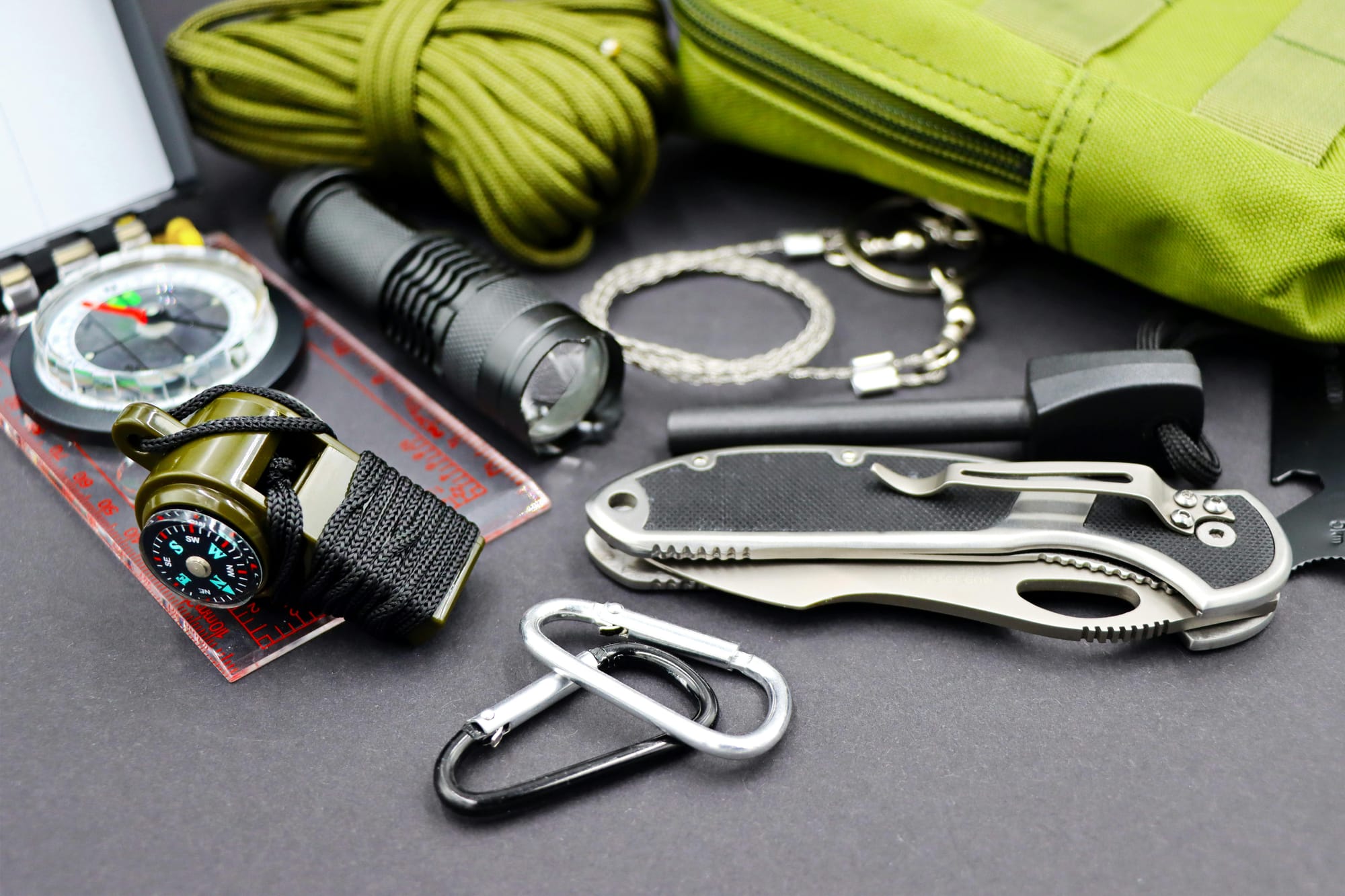
Pocket essentials:
- whistle
- folding knife - (ensure sharpness)
- ID and medical info - (keep inside a waterproof bag)
- map and compass
- matches - (hurricane matches for windy areas)
- small flashlight - (batteries can be inverted during storage)
- notepad and pencil - (waterproof notepads are ideal)
- survival kit - (personal medical and food / small water / electrolytes)
These are:
low-weight, high-impact tools
The Bigger Picture: Preparation as a System
Outdoor survival is about how everything works together.
- clothing regulates temperature
- layering manages change
- equipment supports decision-making
- awareness enables adaptation
The goal is to stay adaptable as conditions change
Final Insight
Most people prepare for:
- expected conditions
Experienced individuals prepare for:
- unexpected change
Your clothing and gear are a dynamic system that must respond to the environment in real time.
And in the outdoors, that system often determines whether a situation is manageable or becomes dangerous.