Closed-Loop Techno-Agriculture: Indoor Shrimp Farming and Food Independence Systems
Learn how indoor shrimp farming integrates with algae and BSFL to create a closed-loop system for sustainable food production.

Indoor shrimp farming system with algae, black soldier fly larvae, insect bioconversion and aquaponics for sustainable food independence.
Food production is typically framed as land, weather, and season. That model is breaking down. A new category of producer is emerging; one that treats food not as agriculture, but as a systems engineering problem.
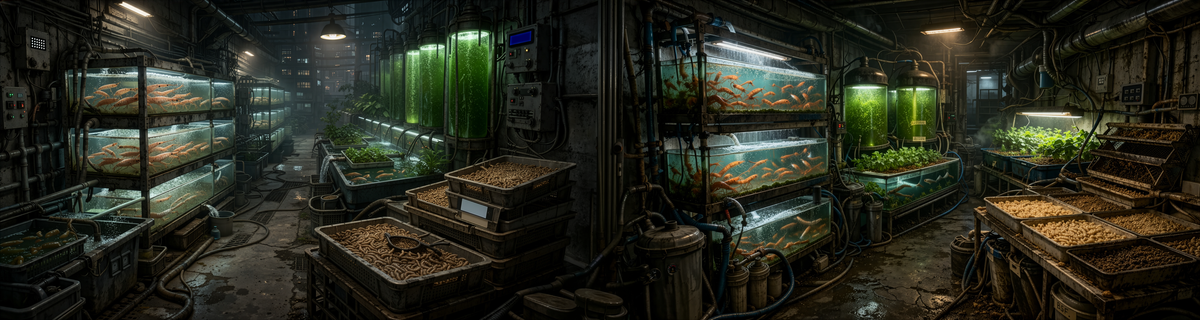
The techno-agriculturalist operates indoors, in controlled environments, using biological feedback loops to produce protein, fats, and greens without farmland. At the center of this approach is a closed-loop system integrating five subsystems: algae cultivation, shrimp biofloc production, black soldier fly larvae (BSFL), aquaponics, and microgreens. Individually, each is known. Together, they form something different: a human-scale biorefinery.
 John D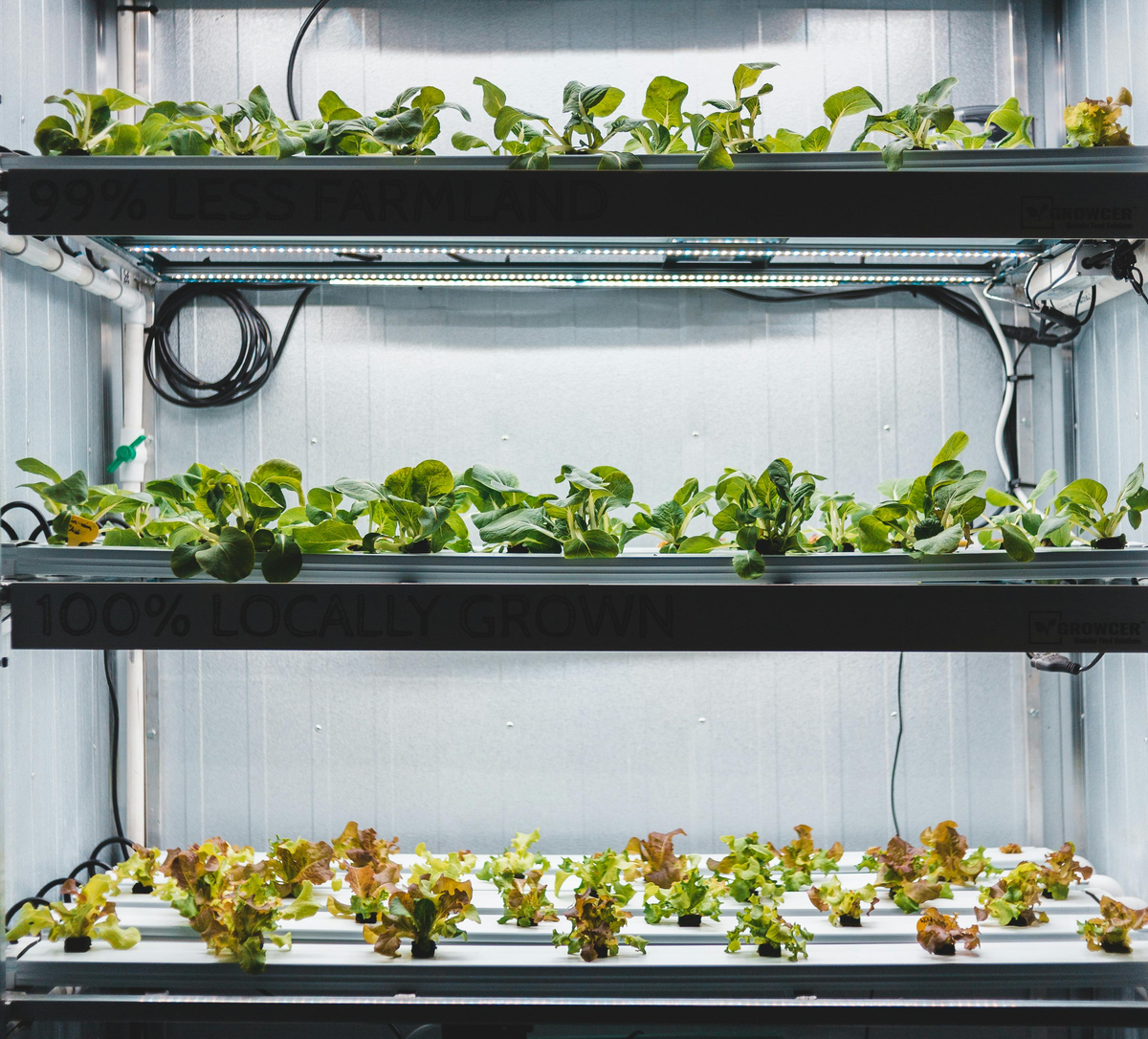
The principle is simple. Waste is re-used.
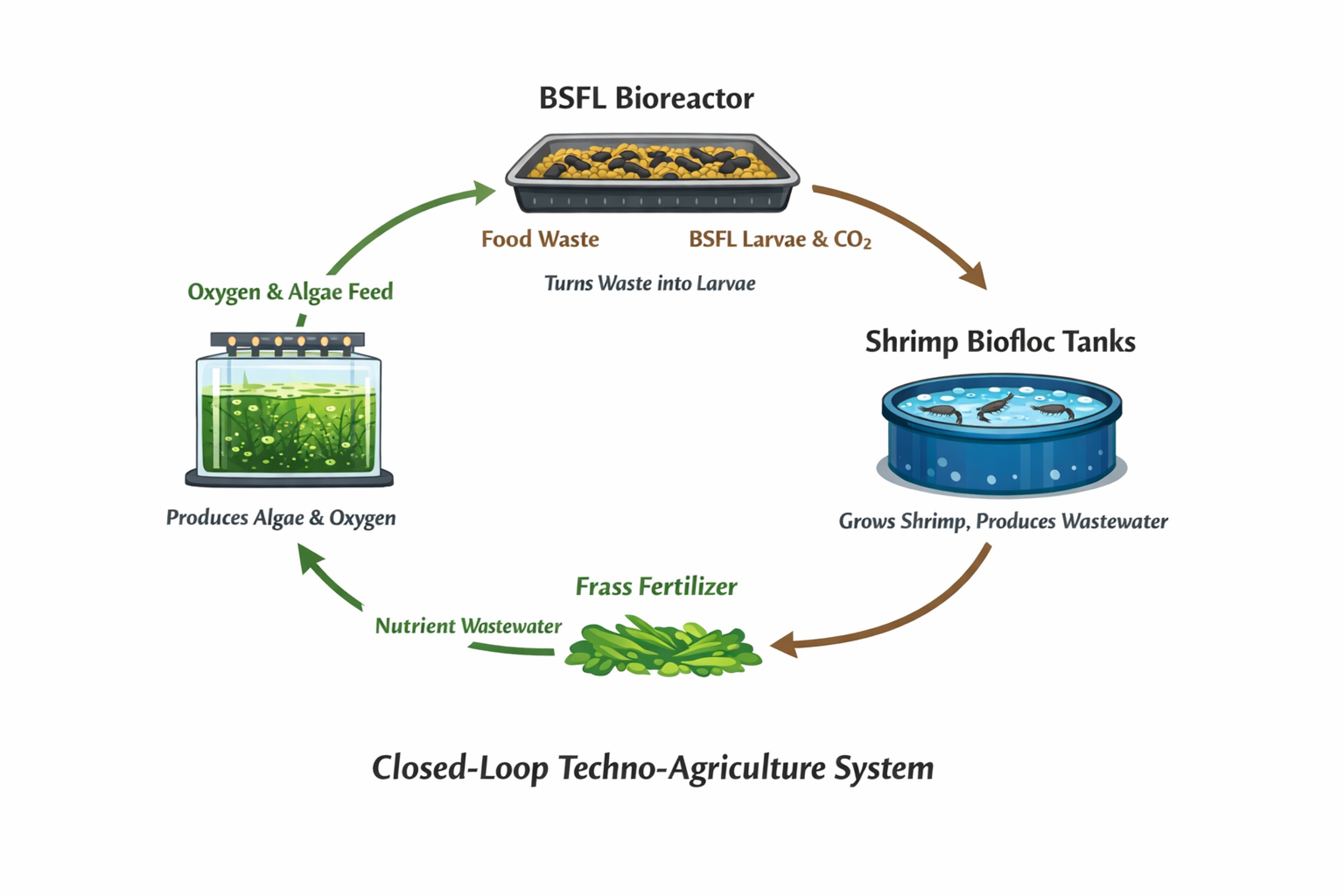
Algae converts light, CO₂, and minerals into biomass. Shrimp convert feed into protein while producing nitrogen-rich effluent. BSFL convert organic waste into high-density protein and lipids. Aquaponics converts dissolved waste into plant growth. Microgreens provide fast-cycle nutrition using minimal inputs. Each output becomes the next input. The system tightens over time.
At the foundation sits algae: specifically, Nannochloropsis oculata and spirulina. Algae is the only subsystem capable of producing protein and lipids from non-organic inputs alone. It functions as the system’s primary feed generator, particularly for shrimp larvae, where omega-3 content (EPA) is critical. In controlled photobioreactors, algae productivity is often cited at 1.5–3.0 g/L/day, but peer-reviewed data suggests more conservative ranges; typically, 0.2–1.2 g/L/day, with higher outputs only under optimized conditions. Even at these lower rates, algae remain viable as a continuous feed source when scaled appropriately.
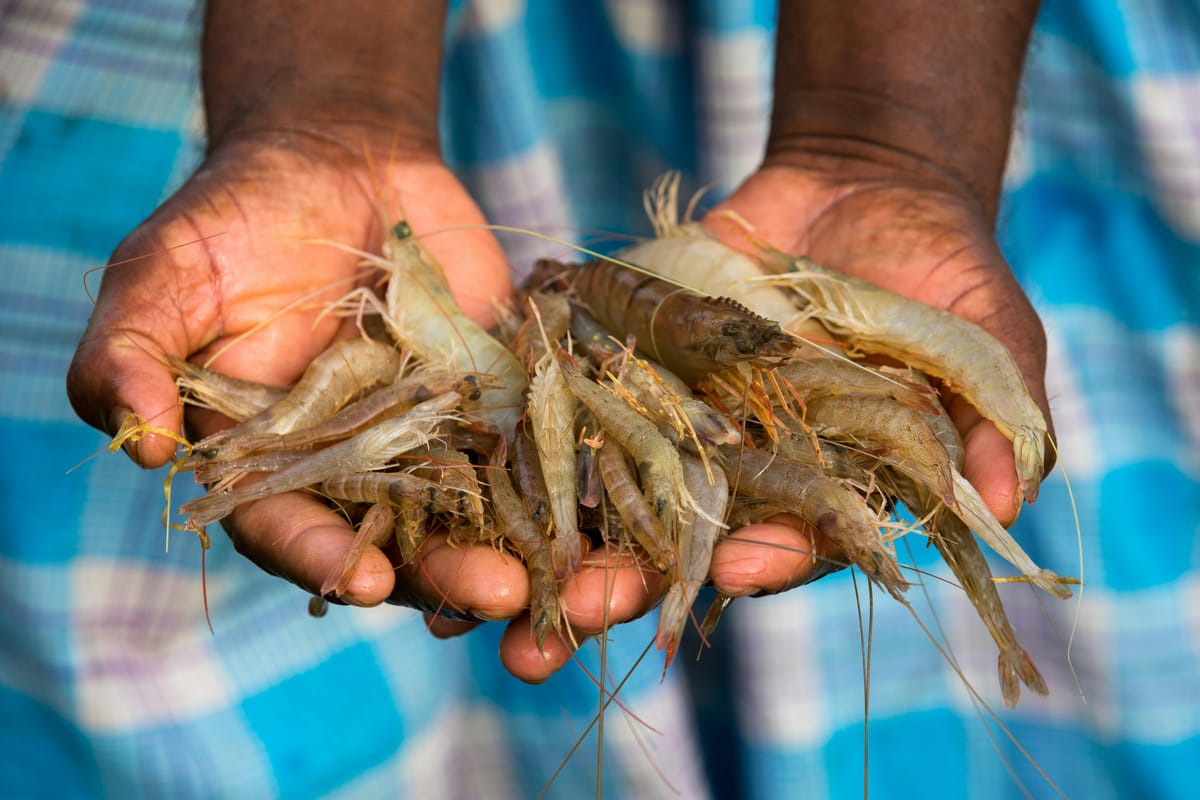
Shrimp production builds on this. Pacific white shrimp (Litopenaeus vannamei) are raised using biofloc technology (BFT), where microbial communities convert ammonia waste into consumable biomass. This creates an internal nitrogen recycling loop, reducing the need for external filtration and feed. Stocking densities of 150–300 shrimp per cubic meter are well supported in aquaculture literature, with higher densities possible under tightly controlled conditions. Shrimp consume both algae and BSFL-derived feed, further reducing reliance on commercial inputs.
The BSFL bioreactor acts as the system’s waste processor. Organic scraps, food waste, plant trimmings, and residual biomass, are converted into larvae at a bioconversion rate of approximately 15–20%, a figure supported by multiple studies. The larvae themselves are nutritionally dense, containing 35–60% protein and up to 40% lipids depending on diet. They can replace a substantial portion of commercial feed.
More importantly, the byproducts matter. BSFL frass provides a nutrient-rich fertilizer, though its exact NPK composition varies depending on feedstock. Nitrogen levels are typically around 1.7–3%, while phosphorus content is less consistent. This variability reinforces a broader truth: biological systems are not static. Outputs shift based on inputs, requiring monitoring and adjustment.
Aquaponics closes the loop on water and nutrient cycling. Shrimp effluent; rich in ammonia, is routed through grow beds where nitrifying bacteria convert it into plant-available nitrate. Crops like lettuce, basil, and water spinach absorb these nutrients, simultaneously producing food and purifying water. The result is a dual-function system: waste treatment and secondary yield.
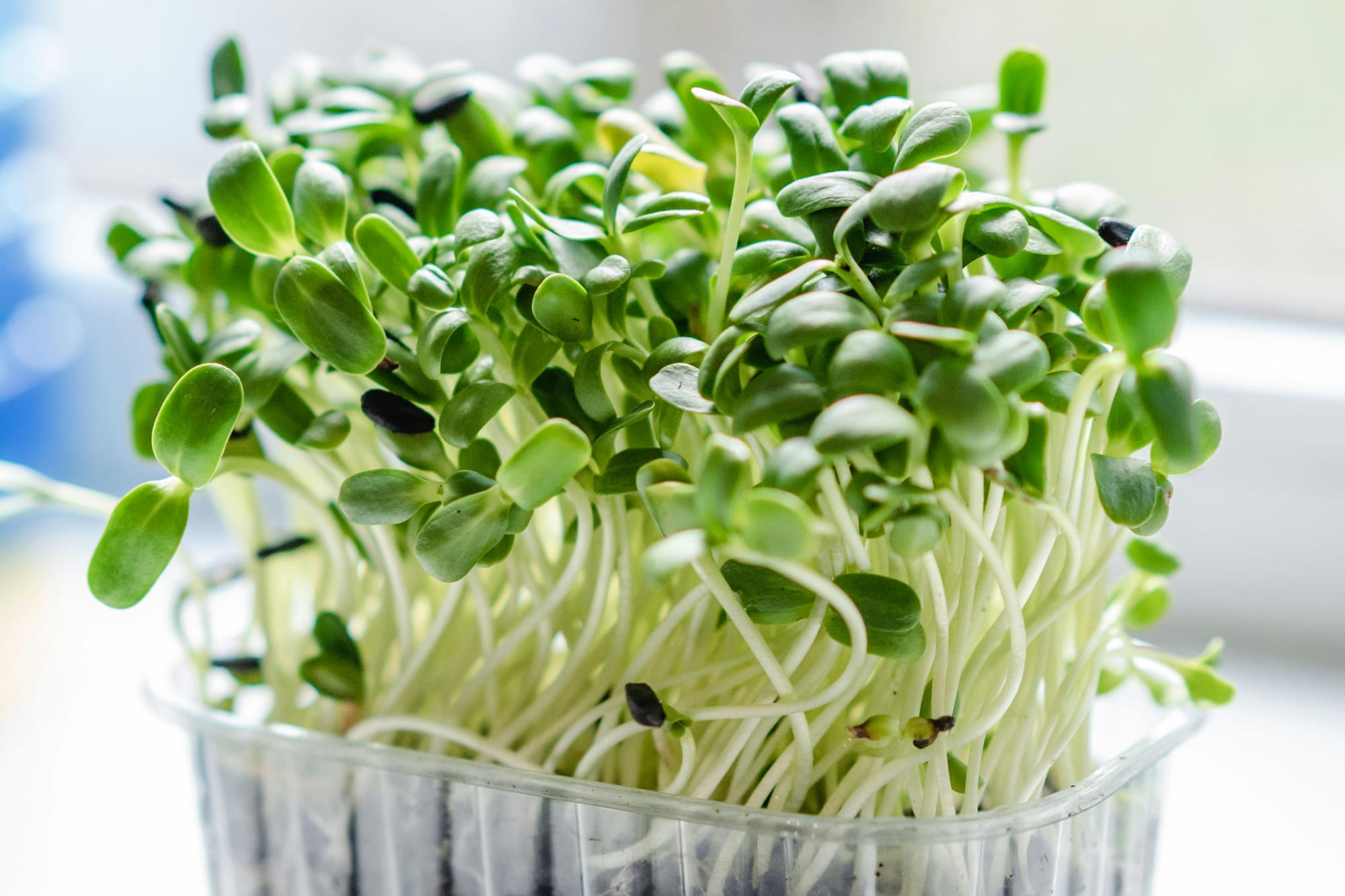
Microgreens operate on a different timescale. With harvest cycles of 7–14 days, they provide rapid, high-density nutrition using minimal inputs. In this system, irrigation comes from filtered aquaponic water, while nutrients can be supplemented using diluted BSFL frass. The result is a low-cost, high-efficiency crop layer that stabilizes overall output.
What emerges is not a collection of subsystems, but a network. Algae feeds shrimp. Shrimp waste feeds plants. Plant waste feeds larvae. Larvae feed shrimp. CO₂ from decomposition feeds algae. The system becomes increasingly self-reinforcing over time.
That said, claims of full “closed loop” independence should be treated carefully. While integration reduces external inputs, it does not eliminate them. Electricity, water replacement, seed stock, and baseline nutrients remain necessary. Additionally, there is limited published data on fully integrated systems operating at this scale. Most research validates individual subsystems, not the complete architecture.
Still, the direction is clear.
A modest 300–400 sq ft system can produce meaningful outputs: shrimp, greens, insect protein, and algae-derived nutrients. Not total caloric independence; but a substantial reduction in dependency, particularly for protein and micronutrients. Over time, input costs decline as internal cycling improves.
The significance isn’t just food production. It’s independence.
Traditional agriculture scales with land. This model scales with design. It shifts the constraint from geography to systems thinking. The limiting factor is no longer acreage; it’s the operator’s ability to manage feedback loops, optimize flows, and maintain stability across biological processes.
This is not farming in the traditional sense. It is infrastructure. A biological machine that, once tuned, begins to feed itself.
 John Franse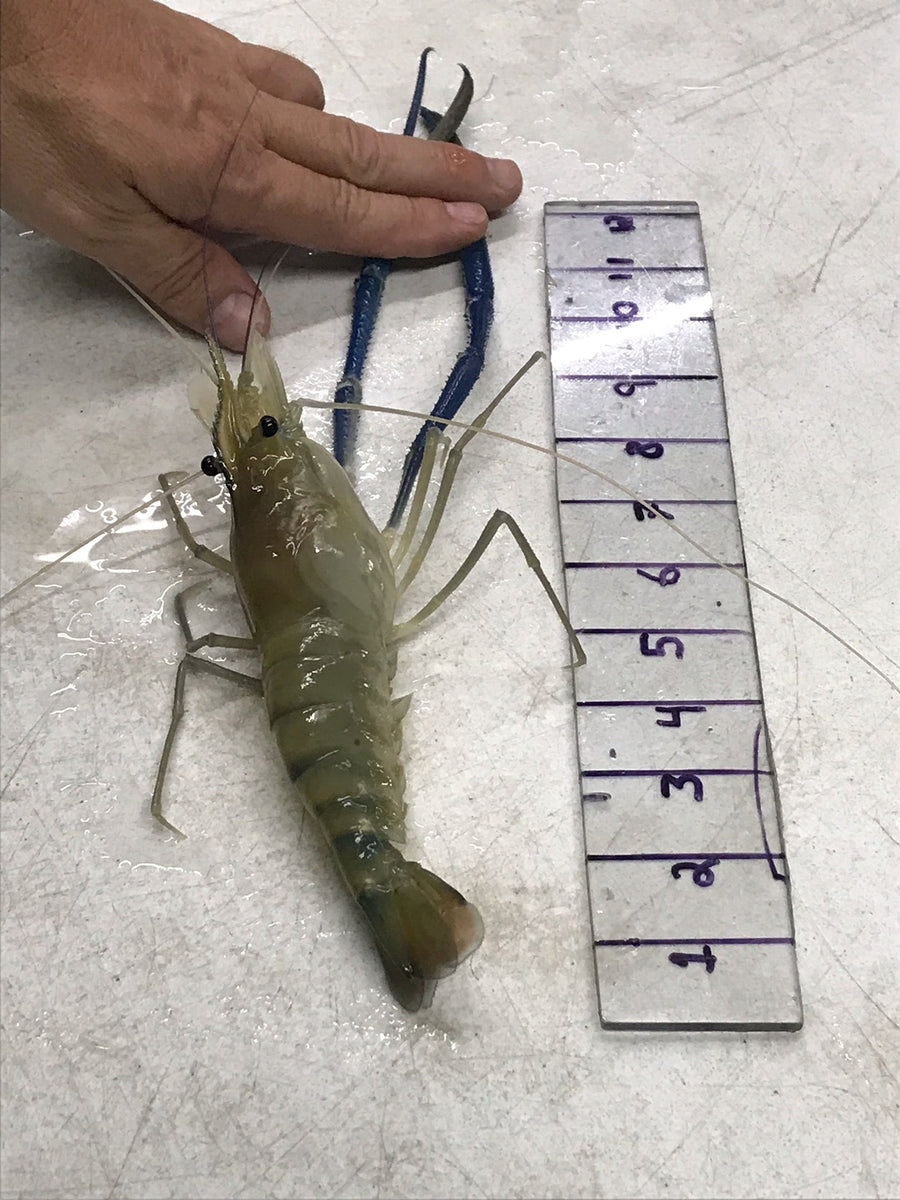
 Ed Spencer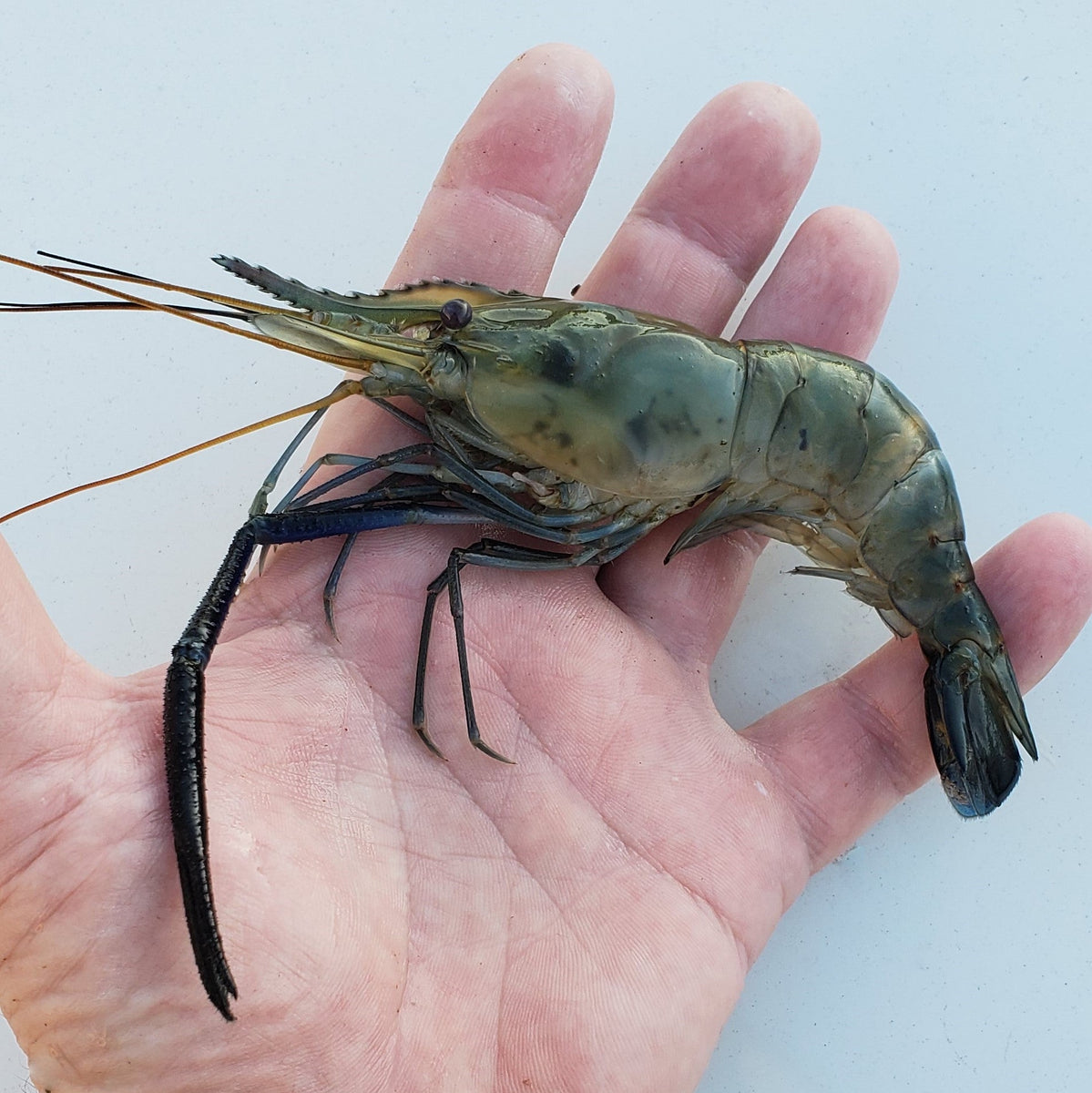
Note: Reported yields and system efficiencies vary significantly based on environmental conditions, feedstock composition, and system design. Values presented represent ranges observed in controlled or optimized conditions.
Algae Productivity & Photobioreactors
- Kumar, K., et al. (2014). A quantitative study of eicosapentaenoic acid (EPA) production by Nannochloropsis gaditana. Applied Microbiology & Biotechnology.
- Zou, N., et al. (2015). Comparison of four outdoor pilot-scale photobioreactors for Nannochloropsis cultivation. Biotechnology for Biofuels.
- Kumar, K., et al. (2012). Nannochloropsis production metrics in a scalable outdoor photobioreactor. Journal of Applied Phycology.
Shrimp Biofloc Systems & Stocking Density
- Ray, A. J., et al. (2022). Production of Pacific white shrimp under different stocking densities in a zero-water exchange biofloc system. Aquacultural Engineering.
- da Silveira, L., et al. (2020). Hyperintensive stocking densities for Litopenaeus vannamei grow-out in biofloc technology. Journal of the World Aquaculture Society.
- Krummenauer, D., et al. (2014). Superintensive culture of white shrimp in biofloc technology in southern Brazil. Aquaculture.
Black Soldier Fly Larvae (BSFL) Systems
- Beesigamukama, D., et al. (2023). Black soldier fly larvae frass and sheddings as a compost ingredient. Frontiers in Sustainable Food Systems.
- Klammsteiner, T., et al. (2021). Compilation of black soldier fly frass analyses. Journal of Soil Science and Plant Nutrition.
- Makkar, H. P. S., et al. (2014). Growth rates of black soldier fly larvae fed on organic substrates. PubMed-indexed review.
- MDPI Agriculture (2022). Diet composition influences growth performance and bioconversion efficiency of BSFL.
- Springer Review (2024). Enhancing the bioconversion rate and end products of black soldier fly larvae systems.
BSFL Nutritional Composition
- Multiple studies (2019–2024). Black soldier fly larvae nutrient composition (protein and lipid variability across feedstocks and harvest timing).
One of the chapters from my web fiction serial, Detroit Megacity, mentions this concept:
 John D