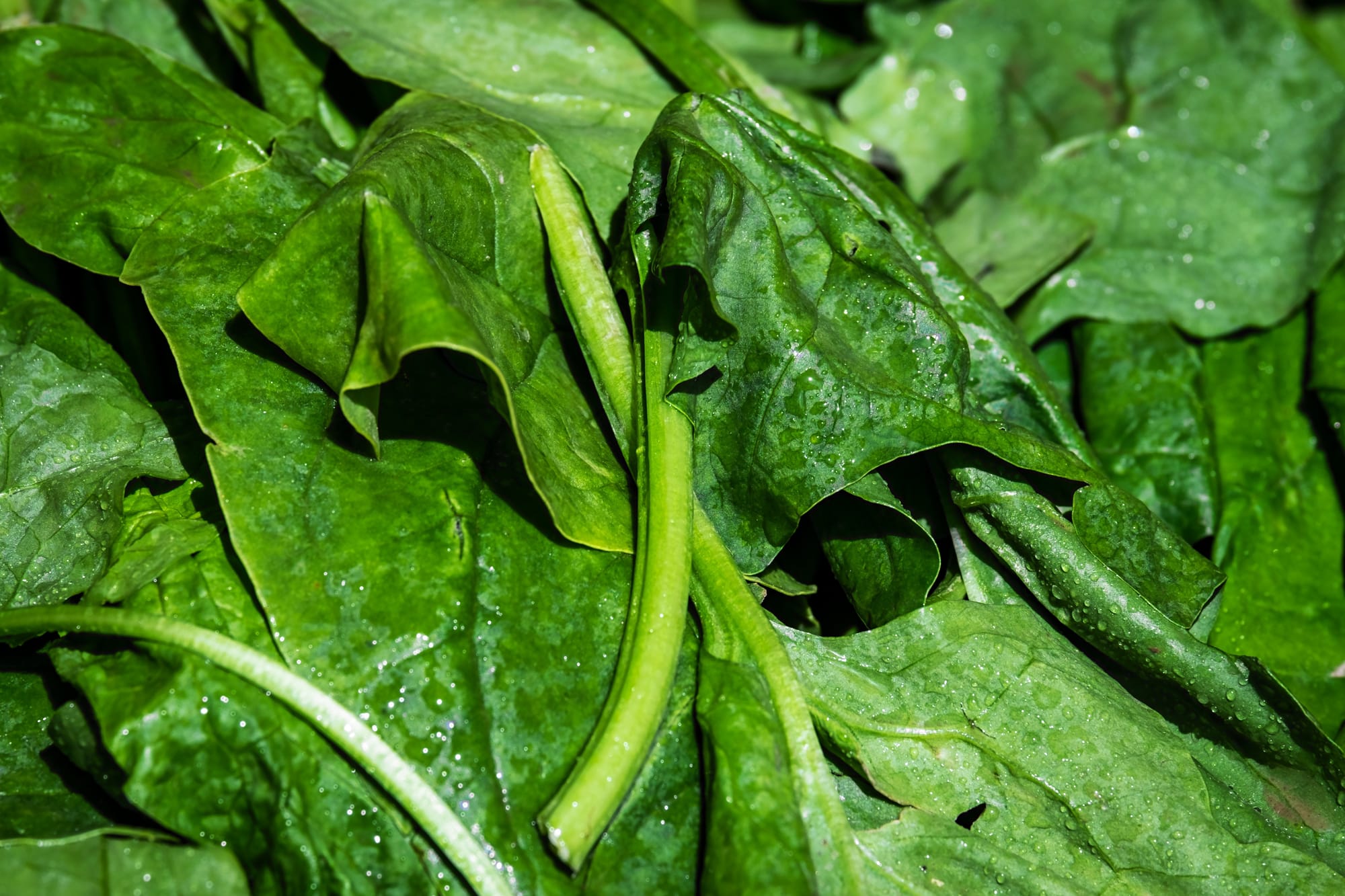
DIY Hydroponic System for Chard: Simple Indoor Setup for Perpetual Spinach
Learn how to build a simple DIY hydroponic system to grow chard indoors with minimal cost and maintenance.

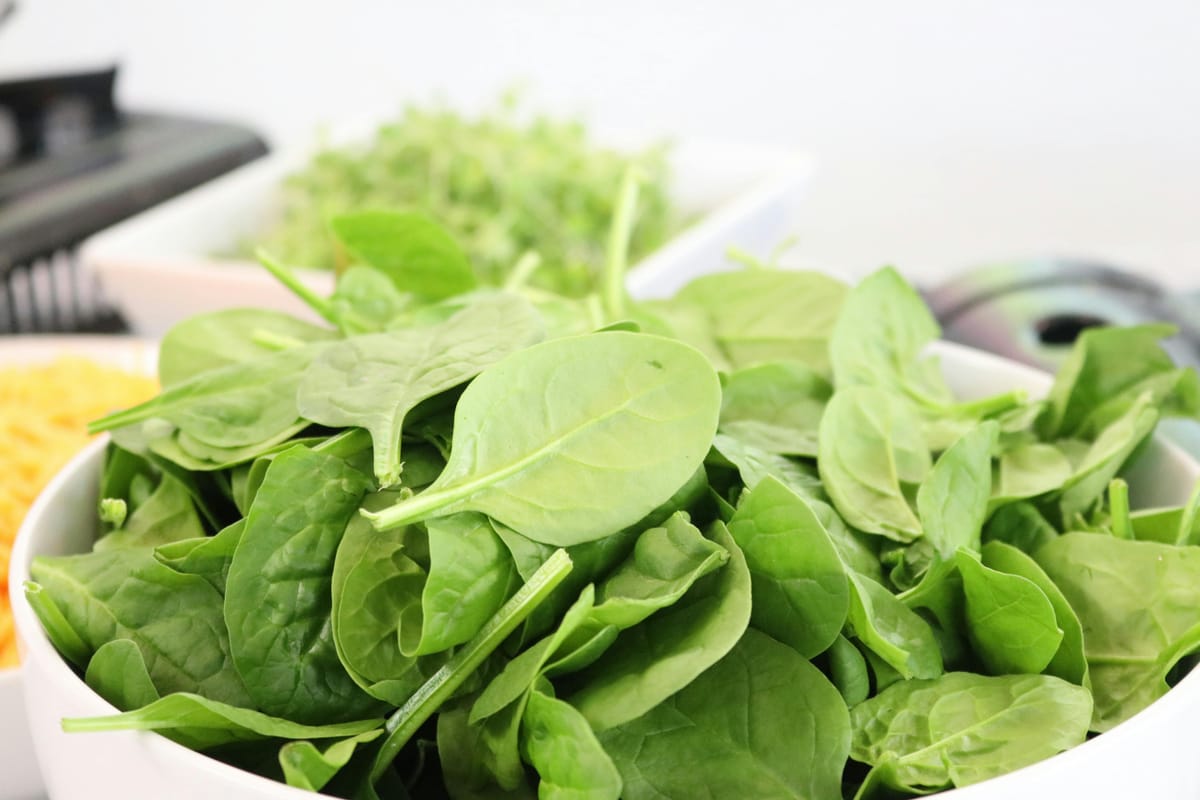
Simple DIY Hydroponics System for Growing Chard (Perpetual Spinach)
If you’re looking for a low-maintenance way to grow chard indoors, a simple basin-style hydroponics setup is one of the most effective methods. It’s inexpensive, scalable, and requires minimal upkeep once established.
This setup focuses on stability and simplicity, using a large water reservoir, basic aeration, and passive root access to nutrients.
Why This System Works
At its core, this method relies on a few key principles:
- A large water volume helps stabilize nutrients and pH
- Aeration prevents stagnation and supports root health
- Simple circulation keeps the system from becoming stagnant
- Direct root access reduces the need for complex feeding systems
Once the plants are established, the system largely runs itself.
What You’ll Need
For each hydroponic tank:
- Large Rubbermaid tote (serves as the reservoir)
- 6 grow baskets or lipped net pots
- Air stone
- Aquarium air pump
- Small water pump (for circulation)
- Tubing for air and water
Optional:
- Growing medium (puffed rock, clay pellets, or coconut husk)
- Drip emitters (not necessary once roots are established)
Step-by-Step Setup
1. Prepare the Reservoir
Start with a large Rubbermaid tote. This will act as your nutrient basin.
Cut evenly spaced holes in the lid so your grow baskets can sit inside securely without falling through. These baskets will hold your plants above the water.
2. Install Aeration
Drill a small hole in the side of the container for the air hose. Feed it through and attach it to the air stone, placing the stone at the bottom of the reservoir.
The air stone continuously oxygenates the water, which is critical for healthy root development.
3. Add Water Circulation
On the opposite side, cut a hole for the water pump line and power cord. Run the tubing so water is pulled from the reservoir and returned above the surface, allowing it to circulate.
This prevents stagnation and keeps nutrients evenly distributed.
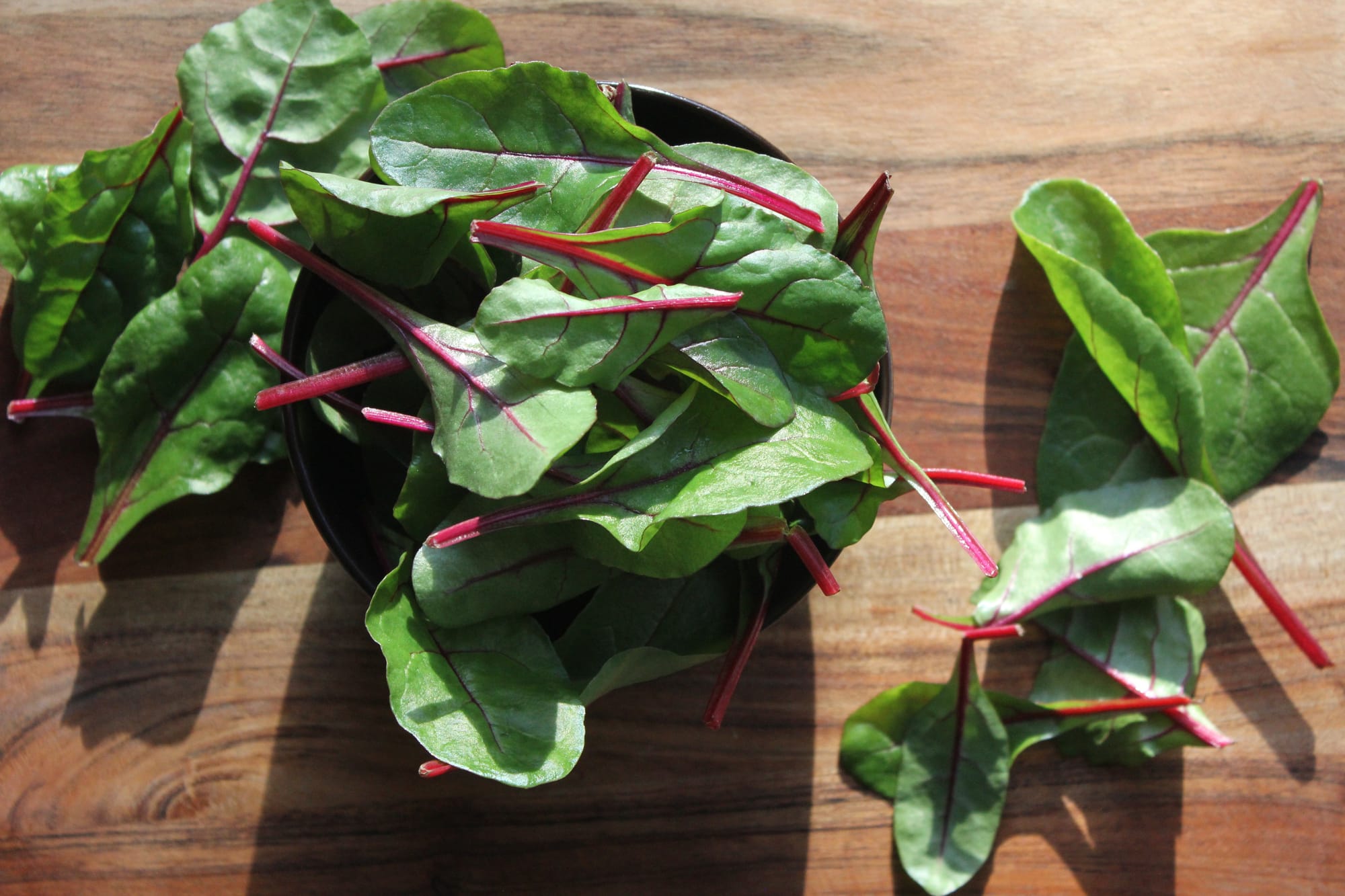
4. Insert Grow Baskets
Place your grow baskets into the lid openings. You can use a growing medium like clay pellets or coconut husk to support seedlings early on.
However, once the roots extend into the water, the medium becomes largely unnecessary.
How It Functions
This system is essentially a hybrid between deep water culture and a basic recirculating system.
- The large water reservoir buffers against nutrient swings
- The air stone keeps roots oxygenated
- The water pump maintains circulation
- The plants eventually feed directly from the water
Once roots reach the reservoir, the system becomes highly efficient with minimal intervention required.
Scaling the System
If you want to expand:
- Use a larger air pump with multiple hoses to supply several tanks
- Run separate water pumps per tank to reduce failure points
- Keep systems modular to prevent cross-contamination or nutrient issues
While it’s possible to link multiple tanks together, running independent systems tends to be more reliable and easier to manage.
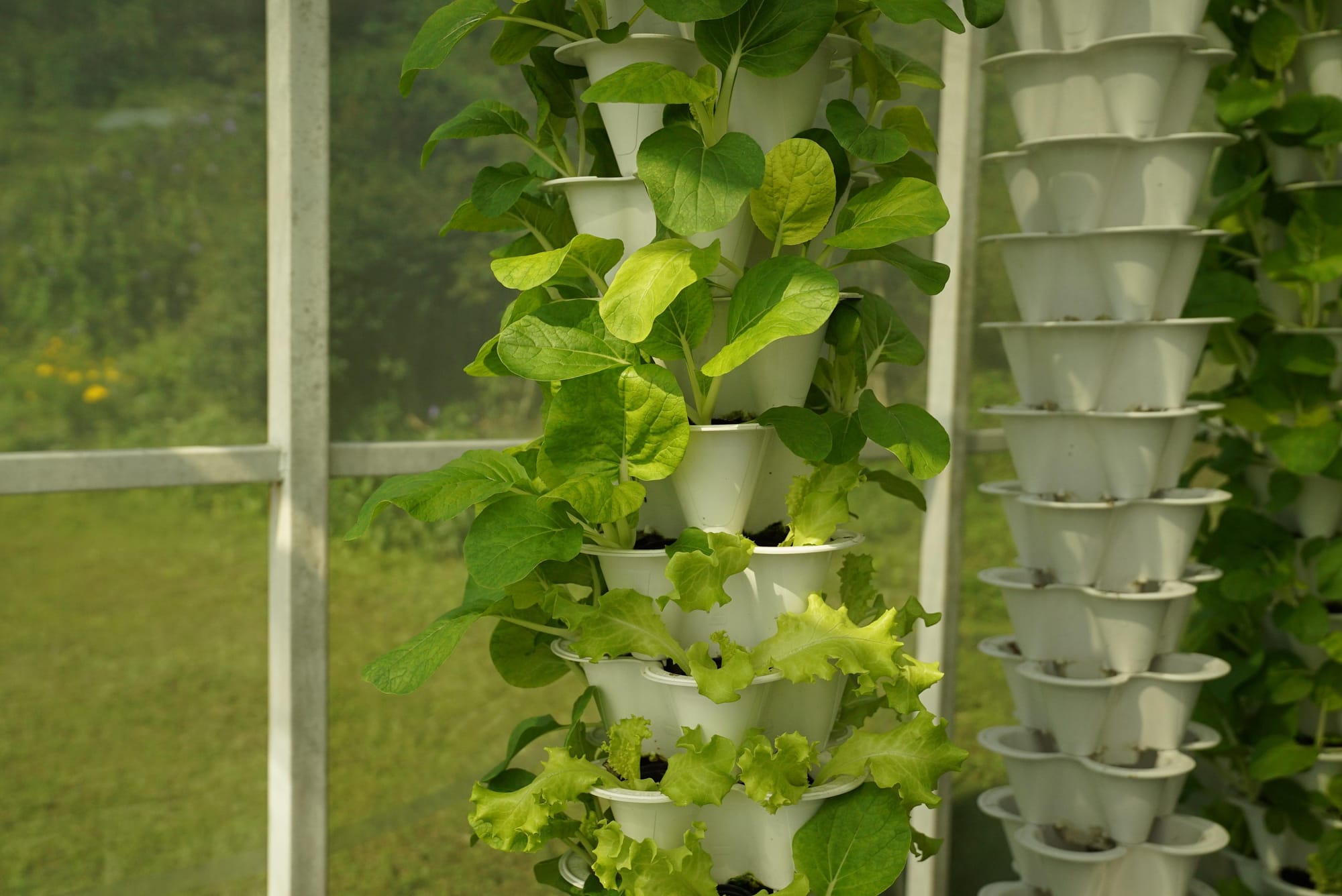
Maintenance and Tips
- Check water levels regularly
- Monitor nutrient concentration and pH
- Clean pumps and air stones periodically
- Watch for root health (white, not slimy or discolored)
Once dialed in, this system requires very little daily attention.
Final Thoughts
This basin-style hydroponic setup is one of the simplest ways to grow chard indoors. It avoids unnecessary complexity while still delivering consistent results.
You don’t need advanced equipment or a large investment. All you need is a stable reservoir, basic aeration, and a simple circulation loop.
Once established, the system becomes largely self-sustaining, making it ideal for anyone looking to grow fresh greens with minimal effort.