Temporary Shelter Safety: Practical Considerations for Urban Abandonment Scenarios

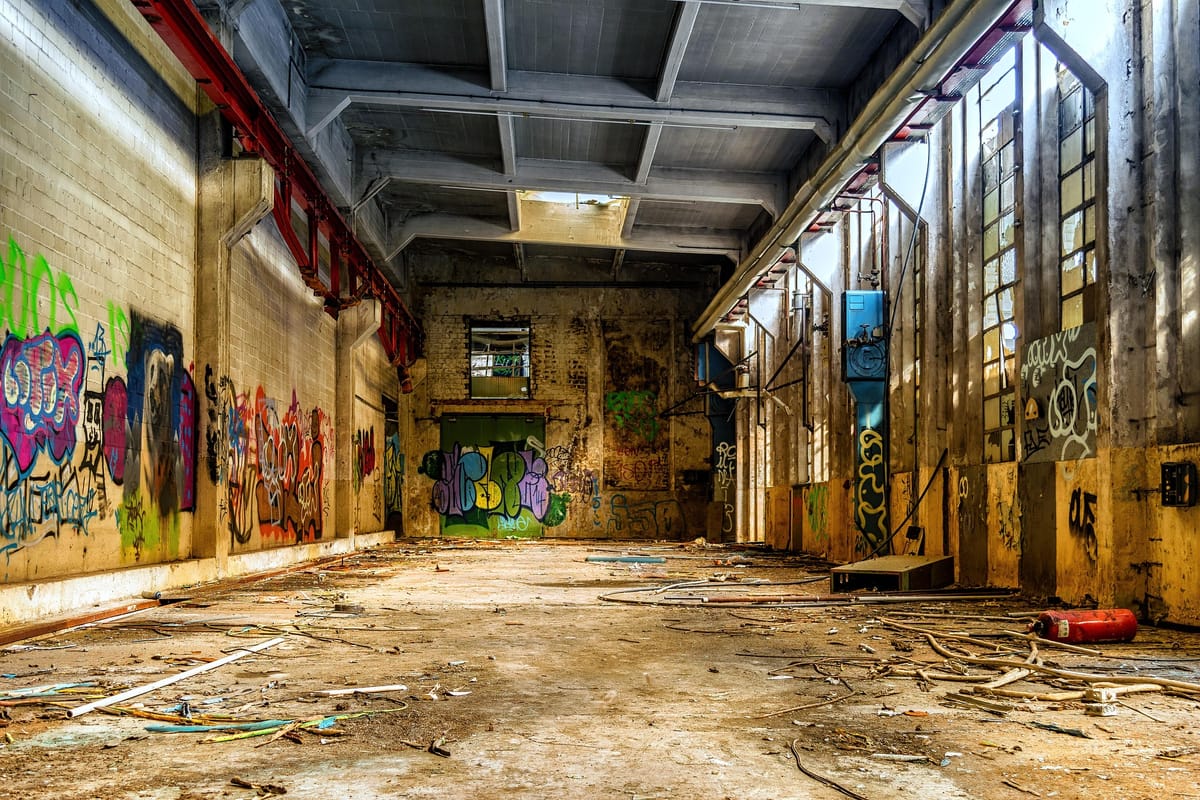
In rare situations, such as disasters, displacement and homelessness, or infrastructure failure, people may find themselves seeking short-term shelter in unused or abandoned structures. This is not an ideal solution, nor a long-term strategy, but understanding how to assess risk, maintain safety, and preserve health can make a meaningful difference in outcomes.
This guide focuses on temporary survival, not permanent residence.
Step 1: Reconnaissance and Assessment
Before entering any abandoned structure, observation matters more than speed.
Daylight entry is strongly preferred. Natural light allows you to assess structural damage, hazards, and signs of occupation. Roof collapse, weakened floors, and unstable stairwells are common dangers in neglected buildings. Use a stick or tool to test flooring before committing weight.
Look for signs of recent human activity:
- moved debris
- footprints
- candles or burn marks
- discarded food containers
If a structure shows signs of active use, avoid confrontation. The goal is shelter, not conflict.
Always identify at least one secondary exit before entering. Knowing how to leave quickly matters more than how you get in.
Step 2: Controlling Access and Visibility
“Abandoned” does not mean secure. Your priority is reducing unexpected access and limiting visibility.
From the inside:
- Block windows using available furniture or scrap materials
- Reinforce doors with wedges, bars, or weight
- Avoid exterior modifications that draw attention
Simple noise-based alerts can provide early warning:
- loose metal objects
- hanging bottle caps
- debris near entry points
These systems don’t prevent entry, but they do alert you to it.
Step 3: Making the Space Safer, Not Comfortable
This is about endurance, not convenience.
Clear your sleeping area of glass, sharp debris, and moisture. Cuts and infections are serious risks when medical care is limited.
Insulation matters:
- cardboard, plastic sheeting, or fabric reduce heat loss
- sleeping elevated off cold floors preserves body warmth
- sealing drafts from the inside prevents wind damage
Lighting should be minimal and controlled. Battery-powered lights are safer and more efficient than open flame. Conserve power and protect batteries from moisture.
Fire indoors is extremely dangerous. If heat or cooking is required, do so outdoors whenever possible. Carbon monoxide exposure is silent and deadly.
Step 4: Water: The Immediate Priority
Water access determines survival timelines more than food.
Potential sources include:
- rainwater collected from tarps or downspouts
- dew gathered using absorbent cloth
All water must be treated.
Boiling for at least five minutes is effective. Chemical disinfection using unscented bleach (¼ teaspoon per gallon, wait 30 minutes) is an alternative when boiling isn’t possible.
Never assume abandoned plumbing is safe. Old pipes may leach metals, rust, or chemicals even if water appears clear. A water testing kit may be essential for questionable water.
Step 5: Food: Low Risk, High Reliability
Scavenging requires discretion and realism.
High-traffic locations increase exposure risk. Lower-visibility areas sometimes yield better results with less attention.
Shelf-stable foods are safest:
- canned goods without bulging or leakage
- peanut butter and dry grains
- packaged foods stored away from moisture
Avoid risky foraging unless you are trained. Misidentification increases likelihood of harm more than sustenance.
Store food off the ground and away from walls to reduce pests.
Hygiene Is a Survival Skill
Poor hygiene accelerates illness.
Priorities include:
- clean hands
- treated wounds
- dry feet
- regular clothing changes, especially socks and undergarments
Even limited hygiene reduces infection risk and preserves physical function.
Temporary shelter scenarios demand restraint, awareness, and caution. The objective is to remain safe and mobile, not to settle or accumulate.
Survival favors those who move deliberately, reduce risk, and preserve health, even under imperfect conditions.
A small but often overlooked tool is a sillcock key. Many buildings use handle-less exterior water spigots that require a square utility key to operate. During outages or displacement scenarios, these spigots may still provide pressurized water even when power is down. A sillcock key weighs almost nothing, costs very little, and allows access to existing water infrastructure without damage. For urban preparedness, it’s one of the simplest ways to increase water options without carrying extra supplies.
Sillcock Key | Urban Water Procurement | Example Tutorial