The 2026 Helium Shortage: How a Supply Shock Is Disrupting Semiconductors and Tech
A global helium shortage is disrupting semiconductors, storage, and tech supply chains, revealing critical vulnerabilities.

The Helium Shock: Analyzing Cascading Impacts on Global Technology Supply Chain
TLDR: The global technology sector is confronting an unprecedented supply chain disruption as the helium market experiences severe constraints following geopolitical developments in the Persian Gulf. The March 2026 declaration of force majeure by QatarEnergy, which has effectively halted production at the world's largest helium extraction facility, represents a structural shock to an already fragile supply ecosystem. This analysis examines the cascading effects of this disruption across semiconductor manufacturing, data storage technologies, and broader photonics applications, with particular attention to strategic implications for technology firms and investment considerations.
Our findings indicate that the confluence of Qatar's production halt (representing 30-38% of global supply), the completed privatization of the U.S. Federal Helium Reserve, and persistent logistical constraints in the Strait of Hormuz has created a perfect storm in the helium market. With limited production flexibility and few viable substitutes for helium in critical manufacturing processes, the technology sector faces significant operational challenges that will likely persist through at least Q3 2026, with potential for longer-term structural changes to supply chain strategies.
The Helium Supply Chain: Structure and Vulnerabilities
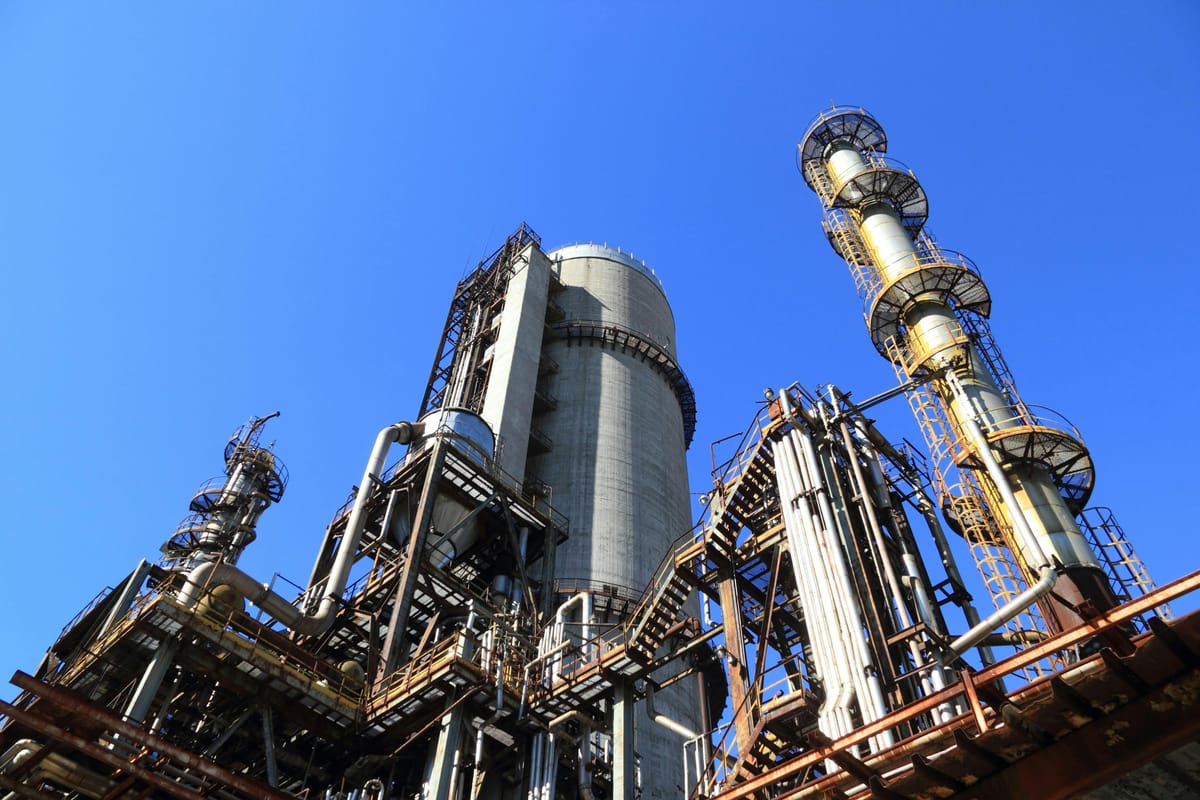
The global helium supply chain operates in a two-tiered structure consisting of upstream extractors and downstream distributors. Upstream producers recover crude helium from natural gas processing and sell to refiners or directly to large-volume end-users under long term contracts. Downstream industrial gas majors then refine, liquefy, store, and distribute helium to end-use customers, controlling the critical logistics infrastructure of cryogenic tankers, ISO containers, and tube trailers.
Historically, the global helium supply has been concentrated among several key producers:- The United States, which previously operated the Federal Helium Reserve providing approximately 30% of global supply until its privatization was completed in early 2026- Qatar, home to Ras Laffan Industrial City, the world's largest helium production complex- Russia, which holds approximately 28% of global reserves, with production capacity at the Amur facility that has faced technical setbacks and export constraints- Algeria, which primarily serves European industrial markets with limited capacity for rapid redirection to other regions.
This concentration of production in geopolitically sensitive regions has created inherent vulnerabilities in the supply chain, which have now materialized following recent developments in the Persian Gulf.
Helium in Technology Manufacturing: Critical Applications
Helium plays several irreplaceable roles in technology manufacturing:
In semiconductor fabrication, helium is essential for cooling, leak detection, and precision manufacturing processes. It is particularly crucial for advanced semiconductor nodes where contamination control is paramount. The gas's unique thermal properties make it ideal for heat transfer in extreme ultraviolet (EUV) lithography equipment, which is central to producing chips at 7nm and below process nodes.
 John D
In fiber optics production, helium is used in the manufacturing of optical fibers, where it helps create the precise glass compositions needed for light transmission. The gas's inert properties prevent unwanted chemical reactions during the high-temperature drawing process. For high-capacity storage devices, every hard disk drive (HDD) at 10TB and above uses helium as a sealed internal gas. Helium is seven times less dense than air, reducing drag on spinning platters and enabling higher storage density. There is no substitute for this application, making the storage industry particularly vulnerable to supply constraints.
 John D
The 2026 Supply Shock: Market Dynamics and Price Impacts
The current helium crisis stems from multiple compounding factors: On March 2, 2026, Qatar Energy declared force majeure, halting LNG processing and consequently helium extraction at Ras Laffan. This alone removed approximately 30-38% of global helium output from the market. The closure of the Strait of Hormuz has created severe logistical bottlenecks, affecting helium distribution throughout the Middle East and beyond. Meanwhile, the completion of the US Federal Helium Reserve privatization in early 2026 removed a critical supply buffer that had stabilized the market for decades.
The market response has been immediate and significant: Global helium prices have already doubled compared with levels before the closure of the Strait of Hormuz. Spot prices have increased by 40-100% since the disruption began. The upward pricing movement registered between December and March 2026 was 19.7%, driven by considerably tighter supply conditions and limited access to imports via major international sourcing channels.
Sectoral Impact Analysis: Semiconductor Manufacturing
The semiconductor industry faces particularly acute challenges due to its specialized helium requirements.
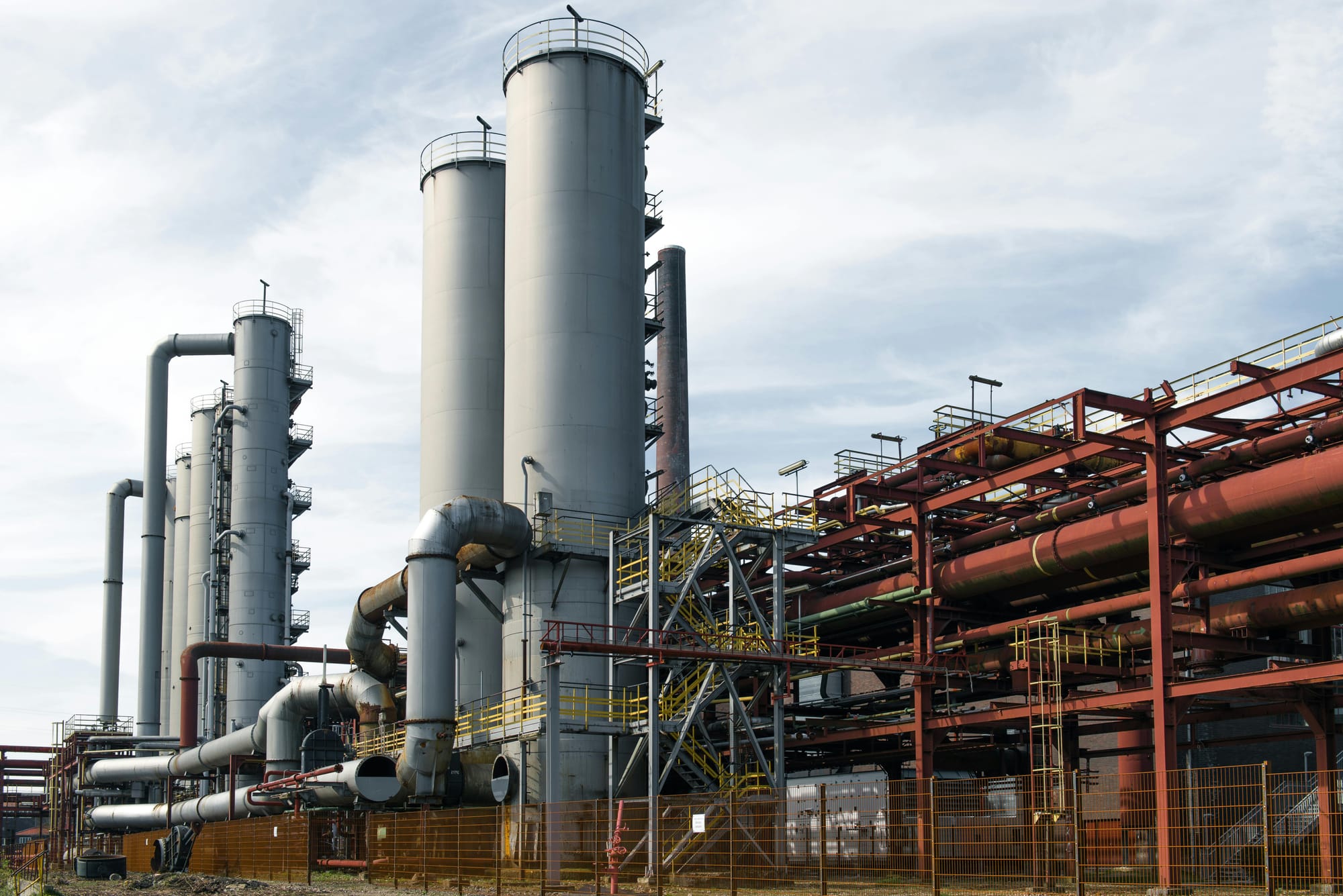
Fabs require 6N grade helium (99.9999% purity), which only a handful of production sites can consistently produce. Asian fabs are expected to exhaust existing shipments by early April 2026, after which production constraints will become immediate. South Korea, which makes two-thirds of the world's memory chips, sourced nearly 65% of its helium from Qatar. This dependence has contributed to recent stock market declines, particularly affecting Samsung Electronics and SK Hynix due to concerns about wafer production disruptions.
The impact on semiconductor companies varies based on their supply chain strategies:
Samsung Electronics and SK Hynix, which comprise over 40% of Korea's stock market weight, have seen stock declines due to concerns about wafer production disruptions. South Korean chipmakers are particularly vulnerable as the country relies on Qatar for over 70% of its helium supply.
China is less exposed in the short term because it has domestic suppliers and inventory reserves. The immediate impact on Chinese semiconductor manufacturing is expected to be limited over the next three months.
TSMC stated that it doesn't currently anticipate a notable impact following Ras Laffan going offline but is monitoring the situation. Major semiconductor fabricators with regional inventories estimated at roughly six months have more time to adjust their supply chains.
Sectoral Impact Analysis: Data Storage Technologies
The data storage industry faces immediate challenges due to helium's critical role in high-capacity HDDs:
Leading manufacturers like Seagate and Western Digital have reported full 2026 production allocations with price increases of 20-30% arriving in March 2026. These price increases are expected to continue through 2026 as supply constraints persist.
The impact on storage pricing will have cascading effects throughout the data center ecosystem, potentially increasing operational costs for cloud providers and enterprise customers. This may accelerate the shift toward solid-state storage in certain applications, though HDDs will remain essential for high-capacity, cost-sensitive storage needs.
Strategic Implications and Investment Considerations
The helium crisis presents several strategic implications for technology companies and investors:
For technology manufacturers, the current disruption underscores the vulnerability of specialized supply chains and the need for greater diversification. Companies with strategic reserves and diversified supplier relationships are better positioned to weather this disruption. The crisis may accelerate efforts toward supply chain resilience, including increased investment in inventory management and alternative sourcing strategies.
For investors, the impact on technology stocks varies by company and region:
Companies with domestic helium supply capabilities or diversified sourcing strategies may gain competitive advantage. Some companies listed as having "mixed exposure - also listed as beneficiary" in the helium crisis may outperform peers. However, the impact on stock prices is part of a broader semiconductor sell-off, making it difficult to isolate the specific effect of helium shortages.
The crisis may create opportunities for helium producers and logistics companies with capacity to address supply constraints. However, new production projects require significant lead time and capital investment, with meaningful volume relief still 12-24 months away.

Conclusion and Future Outlook
Even under optimistic scenarios where Qatari production resumes, supply chain logistics may take two to four months or more to fully normalize due to the complexity of repositioning cryogenic equipment and reestablishing shipping routes. The current helium crisis underscores the fragility of global supply chains dependent on geographically concentrated resources and highlights the need for greater diversification and strategic reserves to mitigate future geopolitical shocks.
Looking forward, we anticipate several developments:
Technology companies will likely increase inventory levels of critical materials, including helium, despite the carrying costs. Supply chain diversification will become a strategic priority, with companies seeking to reduce dependence on single sources or regions. Investment in helium conservation and recycling technologies will accelerate as companies seek to reduce consumption. New helium production projects will receive increased attention and investment, though meaningful capacity additions remain 12-24 months away.
The helium shock of 2026 represents both a significant challenge and an opportunity for the technology sector. Companies that respond strategically to this disruption may emerge with more resilient supply chains and competitive advantages in an increasingly complex global landscape.