Why the Helium Shortage Is Worse Than It Looks: Evaporation, Supply Loss, and Rising Prices
Even if shipping resumes, helium is already being lost, evaporation is turning delays into lasting supply shortages.

The Hidden Constraint: Helium Cannot Wait
Even if the Strait of Hormuz were to reopen today, a significant portion of global helium supply is already lost.
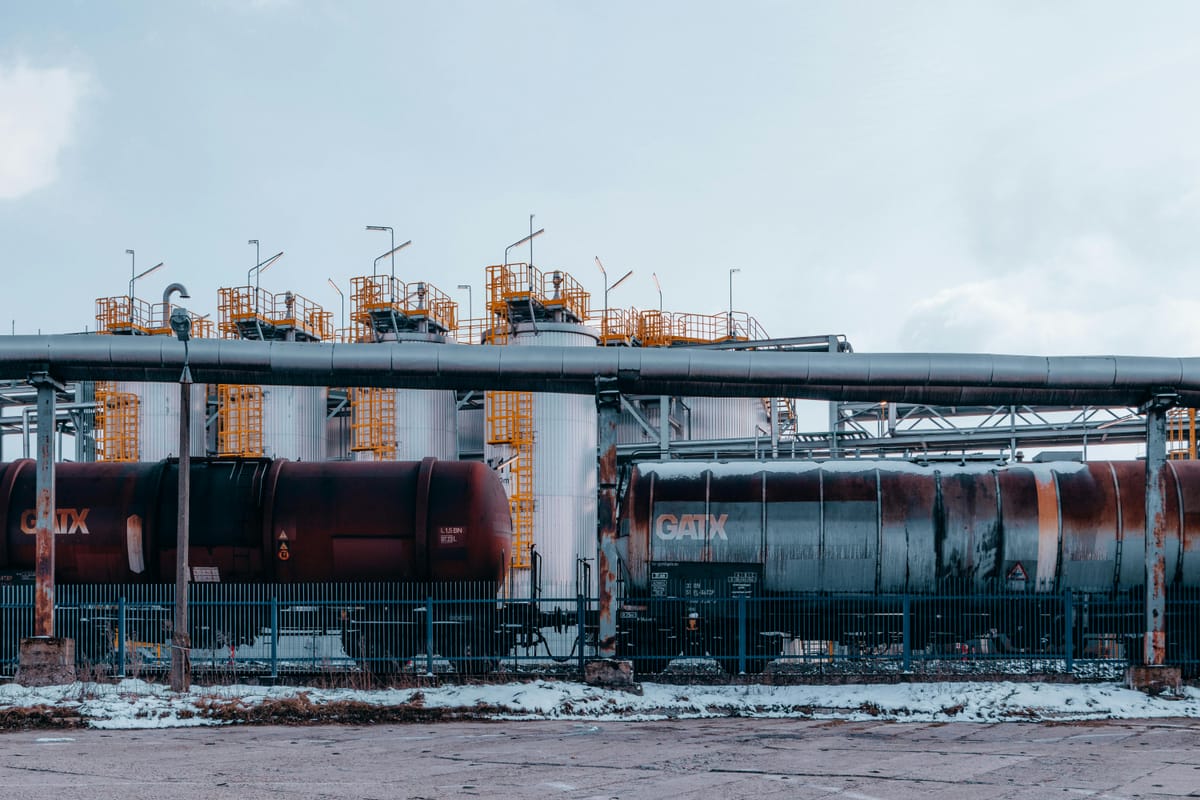
Unlike most industrial commodities, liquid helium is not indefinitely storable in transit. Cryogenic containers are designed to minimize loss, not eliminate it. Over time, typically within a six-week window, boil-off becomes unavoidable, and the product begins to evaporate. For shipments currently stranded or delayed in the Persian Gulf, this creates a hard physical constraint: time itself is destroying supply.
This transforms the current disruption from a logistical bottleneck into something more severe. It is not simply a matter of delayed delivery; it is a process of ongoing supply erosion. Every additional week of disruption reduces the amount of usable helium that will ultimately reach global markets, even if shipping resumes.
The implications are significant. Supply loss does not end when the geopolitical situation resolves. Instead, it introduces a lag effect into the system. Even after routes reopen and shipments resume, the market must first absorb the deficit created by weeks of evaporation. In practical terms, this means shortages may persist for months beyond any formal resolution of the conflict.
In this way, the helium crisis is governed not only by geopolitics, but by physics. And physics does not negotiate.
Price Impacts for Semiconductors and Storage Devices
The evidence suggests we will indeed see significant price increases for semiconductors and digital storage devices: Helium spot prices have already increased by 40-100% since the disruption began. This cost pressure will inevitably be passed down the supply chain.
For semiconductors specifically, while helium represents a relatively small portion of overall manufacturing costs, its critical role in the production process means fabs cannot simply substitute alternatives.
For digital storage devices, the impact is even more direct. Every hard disk drive (HDD) at 10TB and above uses helium as a sealed internal gas, with no substitute available. Leading manufacturers like Seagate and Western Digital have already reported full 2026 production allocations with price increases of 20-30% arriving in March 2026.
Demand Elasticity and Market Response
The semiconductor industry operates with highly specialized inputs and processes that cannot be easily substituted or delayed. The market response is likely to follow a pattern of price absorption rather than demand reduction:
In the short term, we may see some stock volatility as investors react to supply concerns. Indeed, South Korea and Taiwan, the biggest consumers of helium from Qatar, are feeling the shortage most acutely. Their semiconductor industries are particularly vulnerable.
However, long-term fundamentals suggest fabs will sell more chips at higher prices rather than fewer chips. The underlying demand for semiconductors remains robust, driven by AI, data centers, and consumer electronics. TSMC's CoWoS packaging capacity, required for AI accelerators, was already fully sold out through mid-2026 before this crisis began.
This situation creates a classic inelastic demand scenario where customers absorb higher costs rather than reduce purchases. The critical nature of semiconductors in virtually all technology products means manufacturers have significant pricing power during supply disruptions.
Strategic Implications for the Industry
The helium crisis is accelerating several important trends in the semiconductor industry: Supply chain diversification is becoming a strategic priority, with companies seeking to reduce dependence on single sources or regions. The crisis highlights the fragility of supply chains dependent on geographically concentrated resources. There is renewed investment in helium exploration and onshoring of semiconductor production under policies like the CHIPS Act.
While no perfect substitutes exist for helium's cryogenic and thermal properties, research into alternative cooling methods may gain urgency. The crisis is also forcing companies to reconsider inventory strategies. The just-in-time model that has dominated supply chain management for decades is being reevaluated in light of these disruptions.
In conclusion, the helium supply crisis represents a fundamental challenge to the semiconductor industry that will likely persist for many months to come. The combination of geopolitical instability, physical constraints on helium transport, and the specialized nature of semiconductor manufacturing creates a perfect storm that will drive prices higher across the technology sector. Companies with diversified supply chains and strategic reserves will be best positioned to weather this storm, while others may face significant production challenges and cost pressures
 John D