Field Processing a Deer: Practical Basics


For hunters, homesteaders, preppers and anyone interested in self-reliance, field processing is a vital skill, it provides food, maximizes meat quality, safety, and respect for the harvest.
When an animal is taken, time immediately becomes a factor. Heat retention, bacterial growth, and contamination risks begin long before you reach home. Proper field processing preserves both the usability and longevity of the meat.
Initial Steps: Stabilization & Drainage
Many hunters begin by suspending the animal using the rear legs. This positioning provides stability, access, and allows natural drainage. While methods vary by region and personal preference, the goal is consistent:
✔ Cool the carcass
✔ Reduce contamination
✔ Prepare for clean breakdown
Cleanliness is far more important than speed. A careful, deliberate approach protects the meat far better than rushing through the process.
Skinning: Controlled Removal
Skinning is largely mechanical but benefits from patience. Light cuts combined with steady hand separation typically produce cleaner results than aggressive cutting.
Working gradually down the limbs and torso:
✔ Preserve hide if desired
✔ Avoid cutting into muscle unnecessarily
✔ Keep hair and debris off exposed meat
This stage is easier when the carcass is elevated and stable.
Removing the Innards
Internal organs retain heat and are the primary source of spoilage risk. Removing them early aids cooling and reduces bacterial exposure.
A clean incision along the body cavity allows removal with minimal disturbance to surrounding muscle tissue.
Remember:
✔ Avoid puncturing digestive contents
✔ Keep exposed surfaces clean
✔ Separate waste materials immediately
Cooling efficiency improves dramatically once this step is complete.
Understanding Meat Yield
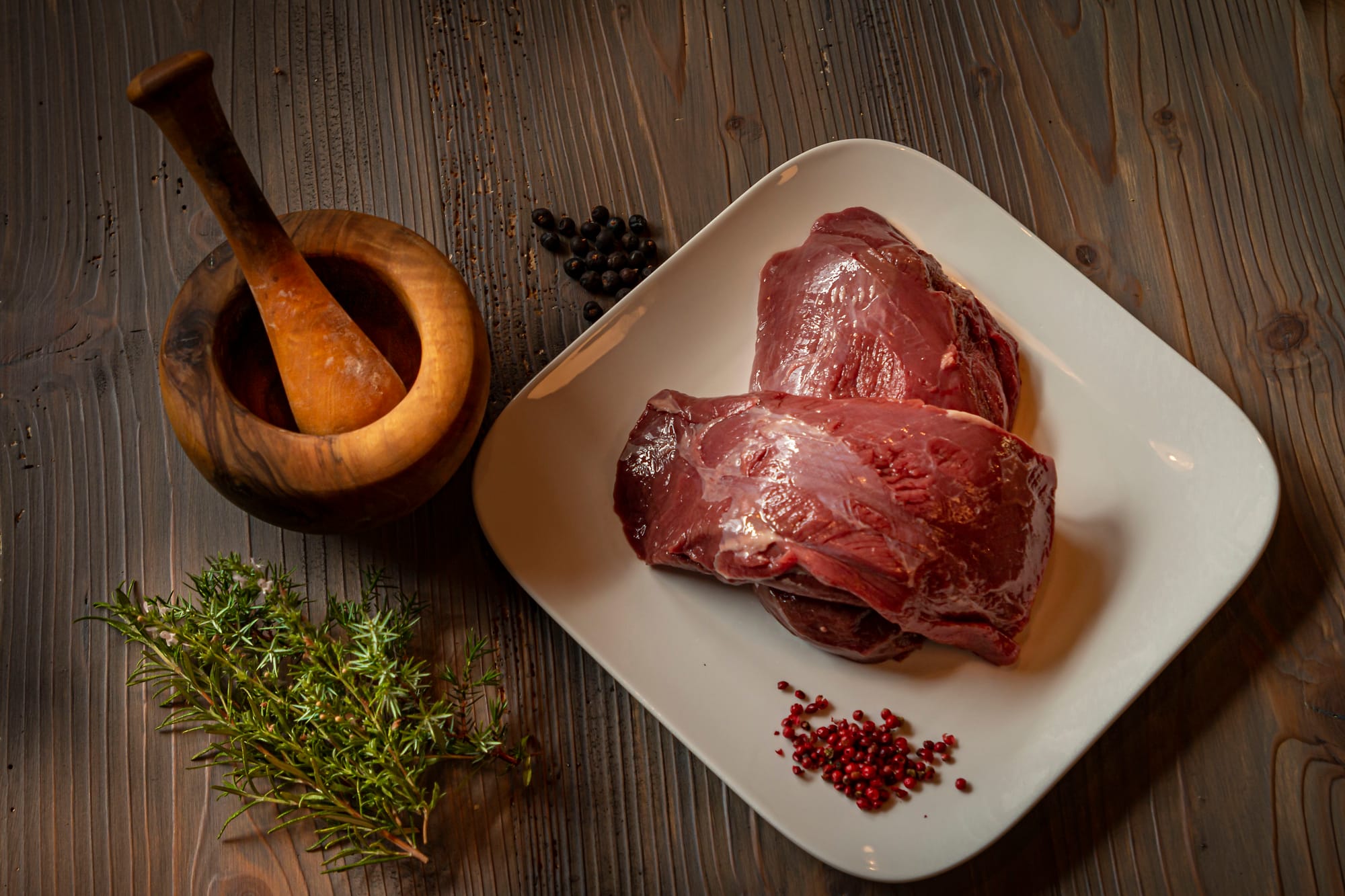
Within deer, most usable meat can be found in:
✔ Backstrap (prime cuts)
✔ Hindquarters
✔ Shoulder
✔ Neck (optional depending on preference)
Selective harvesting of cuts is common depending on transport constraints, intended use, and time.
Why Field Processing Matters
Processing in the field offers several advantages:
✔ Faster cooling → Better meat quality
✔ Reduced transport weight
✔ Reduced contamination growth
✔ Increased independence from facilities
In survival, off-grid, or austere scenarios, this skill is a necessity.
Basic Meat Preservation: Salting & Curing
If refrigeration is unavailable, salting becomes one of the oldest and most reliable preservation methods.
Simple Dry Salting Method
✔ Cut meat into manageable strips
✔ Apply coarse salt generously to all surfaces
✔ Store in a breathable, insect-protected environment
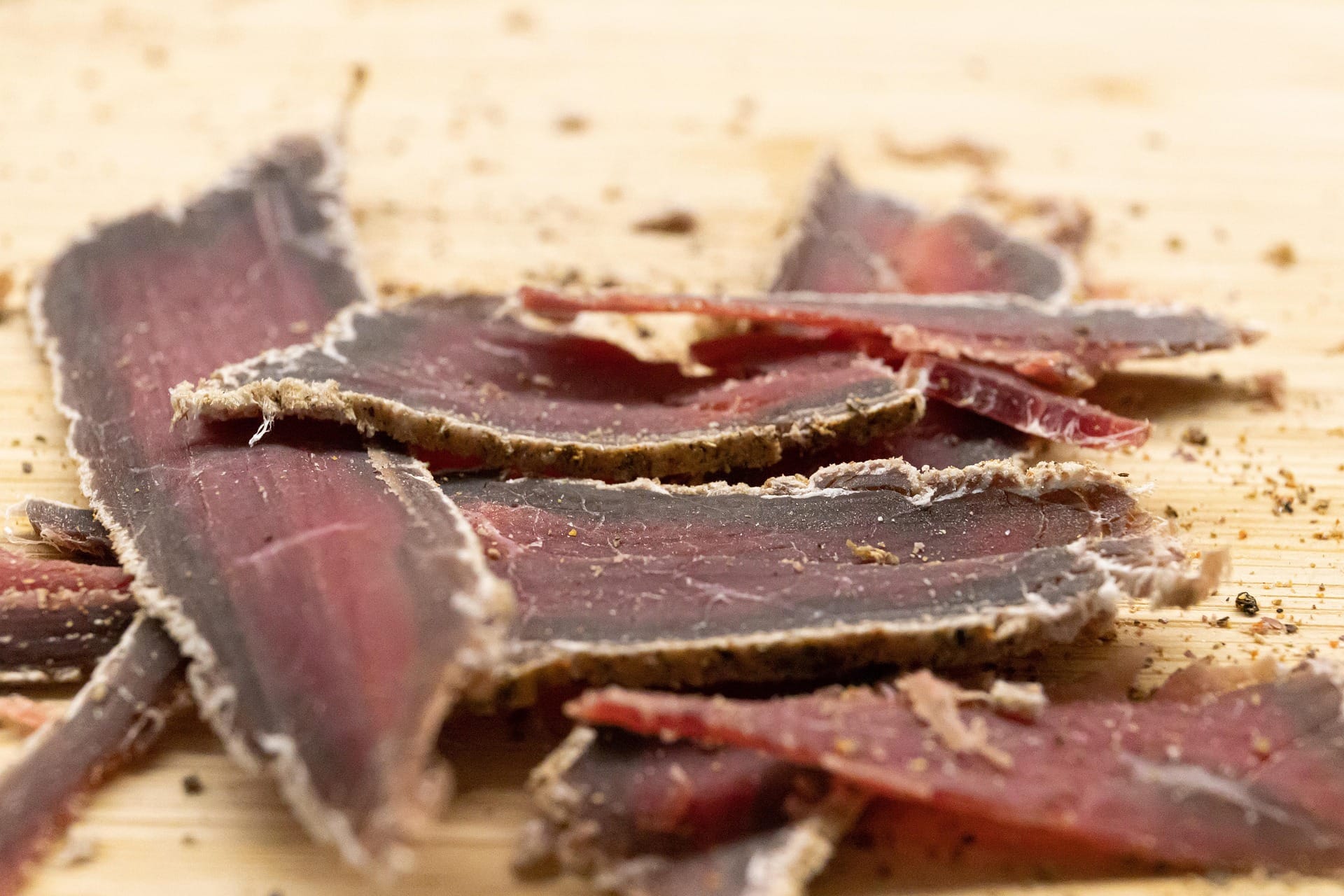
Salt draws moisture from tissue, inhibiting bacterial growth. Proper airflow and dryness are essential.
Moisture reduction stabilizes the meat, the salt can add flavor, and the shelf life increases significantly.
While not a substitute for modern food safety systems, salting remains a powerful fallback technique in low-resource conditions.
Field processing is ultimately about stewardship, protecting the harvest, minimizing waste, and maintaining control over your food supply.
Like many preparedness skills, it is quiet, practical, and invaluable when conditions demand it.
Check out some of my other articles about food storage and preservation.
 John D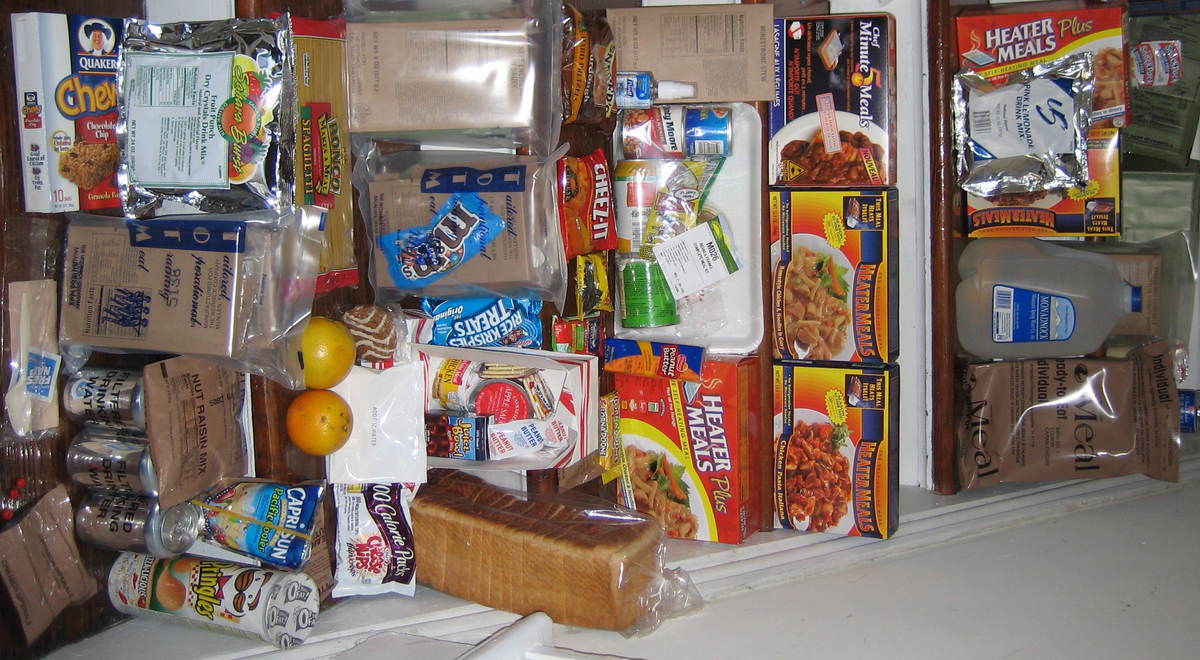
 John D
 John D