Evacuated Tube Solar Water Heaters: A Quiet Way to Cut Energy Use

Evacuated Tube Solar Water Heaters Excel in Cold Climates
When people think about solar energy, they usually think of rooftop panels feeding electricity into batteries. What’s less commonly discussed is solar thermal energy, a simpler, older, and often overlooked way to reduce energy consumption, especially for hot water.
For those thinking long-term about energy costs and reduced dependence on the grid, evacuated tube solar water heaters are worth understanding.
Why hot water matters more than people realize
Water heating is not a minor energy expense. In the United States:
- Buildings consume about 37% of national energy
- Roughly 12% of a building’s energy goes toward heating water
- That adds up to nearly 4–5% of total national energy use just to heat water
Most of this energy still comes from natural gas and coal. Any system that can reduce water-heating demand without relying on complex electronics deserves attention.
What is an evacuated tube solar water heater?
An evacuated tube solar water heater uses solar heat directly, not electricity.
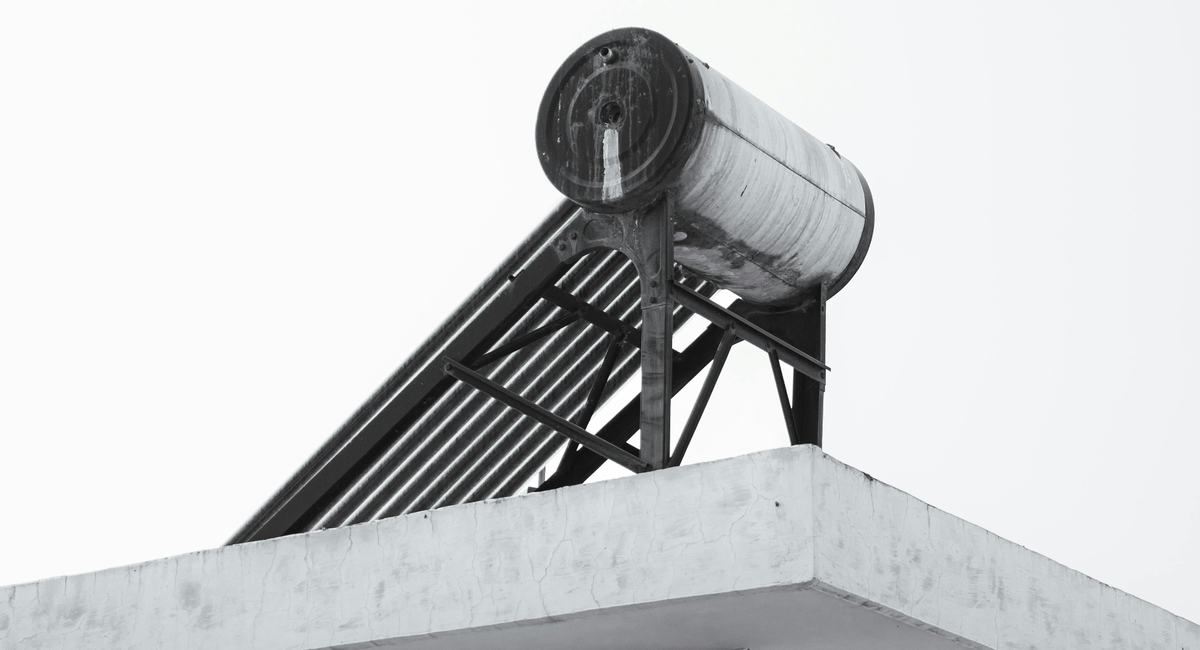
Instead of flat photovoltaic panels, the system consists of:
- A series of glass tubes
- Each tube contains a vacuum layer for insulation
- Inside is a smaller tube filled with a water and glycol mixture
The glycol prevents freezing during cold weather, making the system viable even in northern climates like Michigan.
As sunlight hits the tubes, heat is absorbed and retained by the vacuum insulation. That heat is transferred to a storage tank, which pre-heats water before it enters your existing water heater.
The system doesn’t replace your water heater, rather it reduces the energy your heater needs to do its job.
The goal of a solar water heater is not to replace existing water-heating systems, but to quietly reduce the energy required to heat water by capturing and storing solar thermal energy, lowering long-term costs, fossil-fuel dependence, and carbon emissions without relying on complex electronics or battery storage.
--John, author of Athena Tactical Survival.
Why evacuated tubes work in cold climates
One common concern is winter performance. Evacuated tube systems are actually well-suited to cold regions because:
- Vacuum insulation dramatically reduces heat loss
- Glycol prevents freezing
- Steeper mounting angles shed snow naturally
While the ideal solar angle for pure efficiency is around 15 degrees, colder climates benefit from tilt angles closer to 45 degrees, sacrificing minimal efficiency to prevent snow and ice buildup.
Orientation matters as well. In Michigan, a south-facing azimuth (roughly 150°–210°) captures the most usable sunlight across the day (Mamouri et al., 2018, Solar Energy)
Cost, lifespan, and energy impact
A typical evacuated tube system:
- Has a lifespan of around 20 years
- Pays for itself in roughly 8 years
- Produces about 2,500 kWh worth of thermal energy per year
- Saves roughly $500 annually at current energy prices
Over its lifetime, that can mean:
- $6,000+ in net energy savings
- Approximately 32,000 kilograms of CO₂ emissions avoided
Unlike solar panels, this system:
- Requires no batteries
- Uses no rare-earth semiconductors
- Stores energy naturally as heat
The heated fluid itself acts as thermal energy storage, which is simpler and more durable than electrical batteries.
Why this matters for preparedness
Preparedness isn’t just about backup power during outages; it’s also about reducing baseline dependence on fragile systems.
Solar water heating:
- Lowers ongoing energy demand
- Reduces fuel consumption
- Functions quietly and passively
- Continues working during grid instability
It’s not about going fully off grid. It’s about reducing exposure to energy price volatility and supply disruptions.
Evacuated tube solar water heaters aren’t new technology; however they are under-discussed. They offer a practical way to cut energy use, lower costs, and reduce carbon emissions without relying on complex electronics or scarce materials.
For those thinking ahead about energy independence and sustainability, this is one of those quiet technologies that deserves more attention.
Sometimes preparedness is as simple as making everyday systems more efficient.
Citations:
Jahangiri Mamouri, S., & Bénard, A. (2018). New design approach and implementation of solar water heaters: A case study in Michigan. Solar Energy, 162, 165–177. https://doi.org/10.1016/j.solener.2018.01.028
U.S. Energy Information Administration. (n.d.). How much electricity does an American home use? U.S. Department of Energy.
U.S. Department of Energy. (n.d.). Solar photovoltaic cell basics. Office of Energy Efficiency & Renewable Energy. https://www.energy.gov/eere/solar/solar-photovoltaic-cell-basic