Essential Survival Gear List: What You Need for Emergency Preparedness
A practical survival gear list covering water, food, shelter, and tools to help you stay prepared for any emergency.

In an unpredictable world marked by natural disasters, civil unrest, and unforeseen emergencies, the importance of being prepared cannot be overstated. Survival gear is a collection of tools and equipment designed to help individuals navigate and endure challenging situations, ensuring safety and increasing the chances of survival. This essay explores the significance of survival gear, its essential components, and the rationale behind being equipped for emergencies.
Understanding Survival Gear
Survival gear encompasses a wide array of tools and equipment meant to assist individuals in difficult scenarios, ranging from outdoor adventures to urban emergencies. The primary purpose of this gear is to provide the necessities for shelter, warmth, sustenance, and first aid. The types of survival gear can vary based on the environment and potential risks. For instance, gear tailored for wilderness survival may differ significantly from what is needed in an urban setting. However, the fundamental principles of survival remain consistent:
One must be prepared to address immediate needs to increase the chances of survival.
Essential Components of Survival Gear
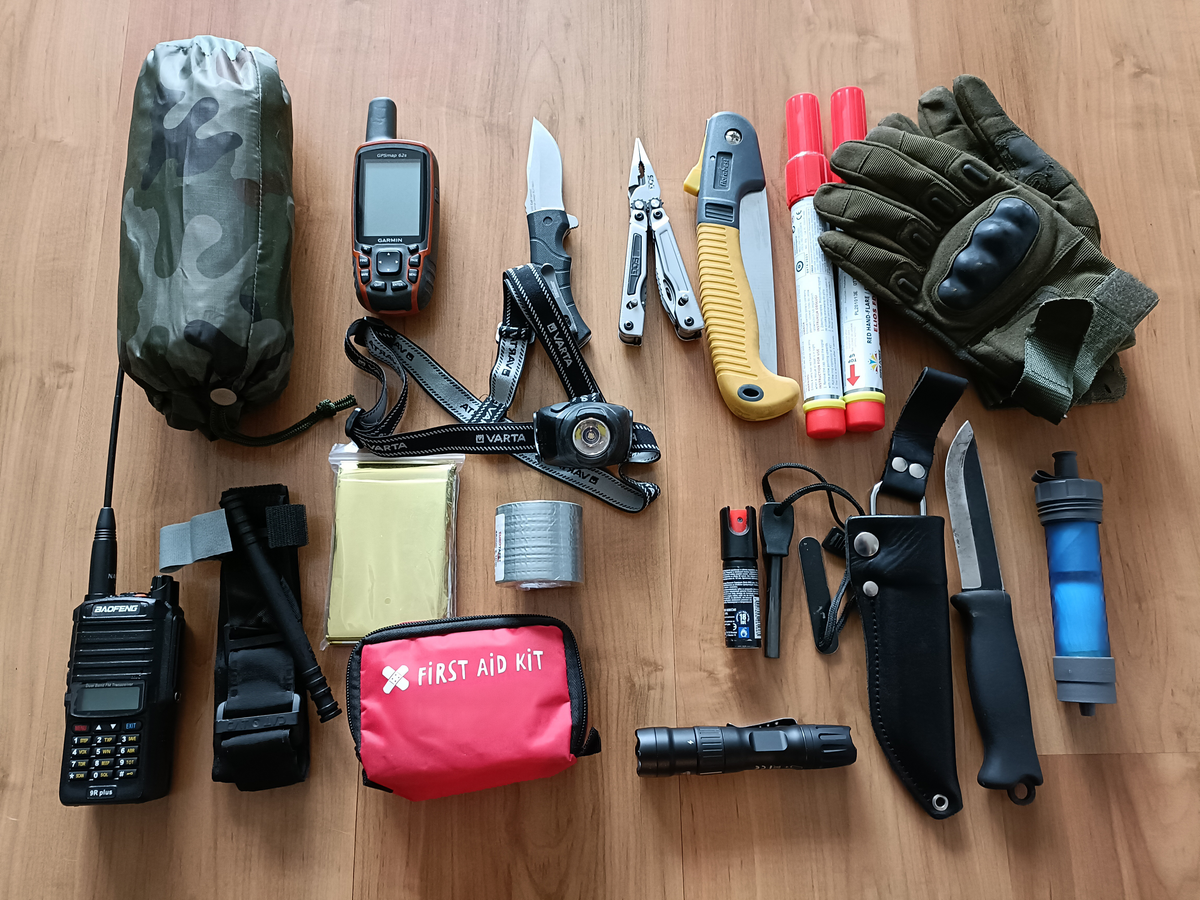
While the specific items may vary, certain components are universally recognized as essential for any survival kit:
Water Filtration and Storage: Water is vital for survival, and having a reliable source of clean drinking water is paramount. Water purification tablets, filters, or portable water purifiers can help ensure access to safe drinking water. Additionally, collapsible water containers or canteens should be included to store water efficiently.
Food Supplies: Non-perishable food items such as energy bars, freeze-dried meals, and high-calorie snacks are critical in a survival kit. These items should be lightweight, compact, and easy to prepare, providing the necessary energy to sustain individuals during emergencies.
 John D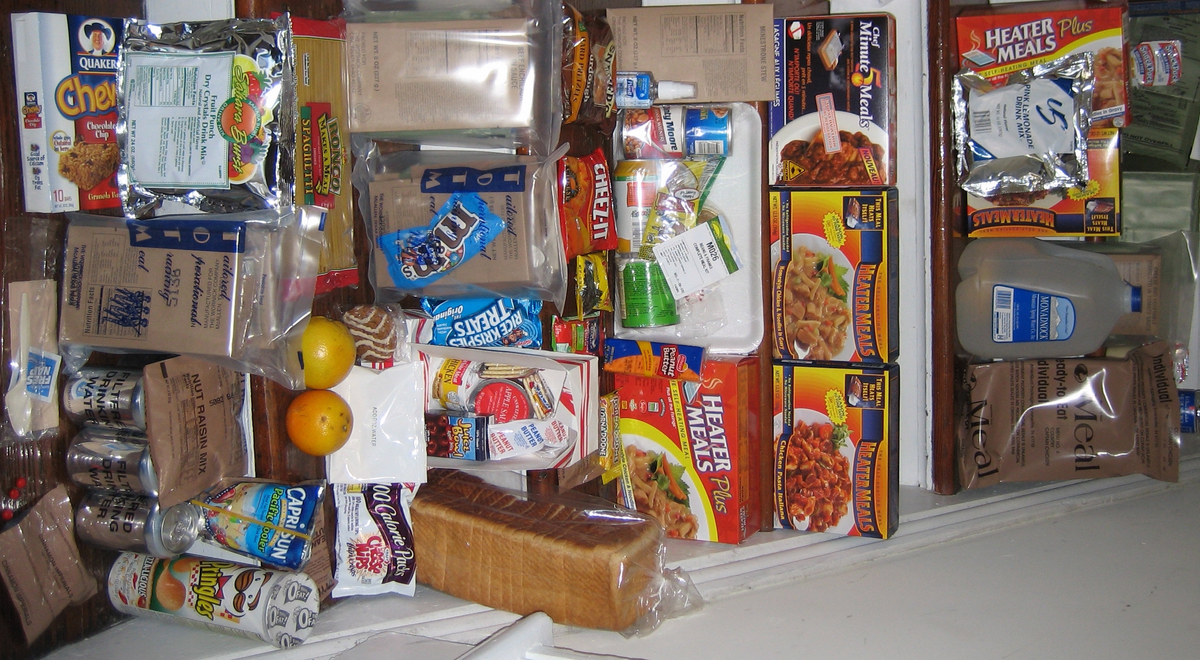
 John D
Shelter and Warmth: A durable emergency blanket, tarp, or lightweight tent can provide essential protection against the elements. Additionally, items like fire starters, waterproof matches, or a portable stove are crucial for warmth and cooking food. Hypothermia can pose a significant threat in survival situations, making warmth a top priority.
First Aid Kit: An adequately stocked first aid kit is a must-have for any survival gear. This kit should include bandages, antiseptics, pain relievers, and any personal medications. Knowledge of basic first aid principles is equally important, as it can enable individuals to address injuries effectively until professional help arrives.
Multi-tool or Survival Knife: A multi-tool or survival knife is one of the most versatile pieces of gear one can carry. These tools can assist in various tasks, such as food preparation, building a shelter, or defense against potential threats.
Navigation Tools: In emergency situations, being lost can exacerbate the challenges faced. A map and compass, or a GPS device, can help individuals find their way to safety. Familiarity with these tools is essential since electronic devices can fail or run out of battery.
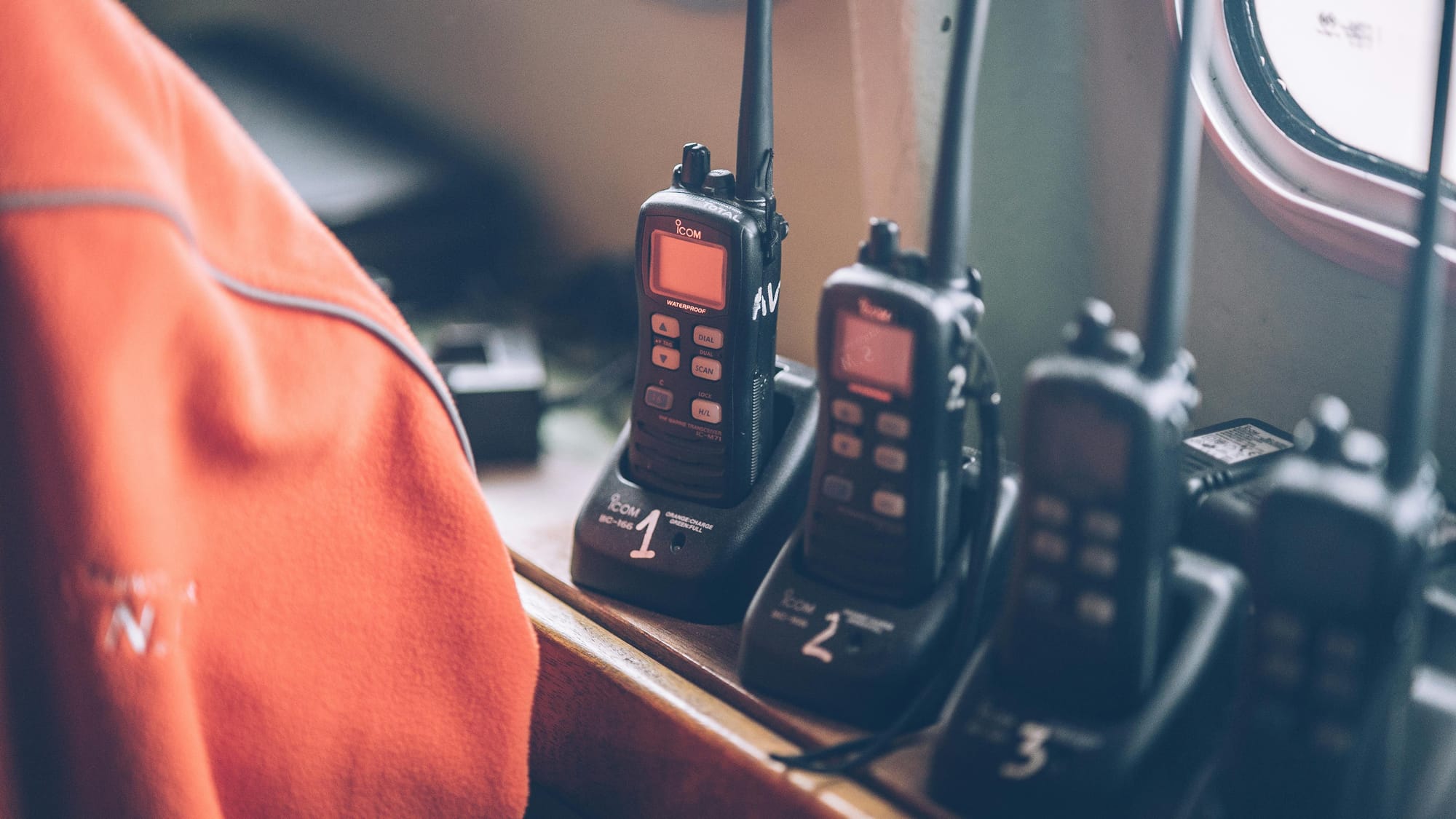
Communication Devices: While modern smartphones are typically relied upon for communication, having a backup method is wise. A whistle, signal mirror, or even a pocket-sized emergency radio can serve as critical tools for signaling for help.
The Rationale for Preparedness
The rationale behind investing in survival gear extends beyond mere practicality; it encompasses a mindset of preparedness, resilience, and self-sufficiency. Emergencies can strike at any time, and being equipped can mean the difference between life and death. Moreover, possessing survival gear fosters a sense of confidence and security, empowering individuals to face adversity with a proactive approach.
In conclusion, survival gear plays an indispensable role in emergency preparedness. It equips individuals with the necessary tools to navigate challenging circumstances, ensuring their safety and well-being. By understanding the essential components of survival gear and embracing a mindset of preparedness, we can enhance our resilience and ability to face whatever challenges life may throw our way. Ultimately, survival gear is not just a collection of items; it is a testament to our commitment to safeguarding ourselves and our loved ones in times of crisis.