Emergency Supply Caches: A Backup Plan When You Can’t Get Home

Most preparedness plans rely on one thing: that you can reach your main supplies when you need them. In reality, disruptions can dramatically alter plans. Work, transit delays, weather events, or sudden infrastructure failures can leave you far from home with limited options.
This is where small emergency supply caches come into play. These are not a primary survival strategy, but as a quiet layer of redundancy when your main kit is out of reach.
What an emergency cache is
An emergency cache is a temporary support measure, not a long-term solution. It’s designed to help you regain mobility, hydration, and clarity long enough to reach safety or reconnect with your primary plans.
It is not:
- a permanent stockpile
- a substitute for a home kit
- a solution for extended shelter
Its value lies in being simple, modest, and accessible.
Why caches make sense
Daily life spreads people across wide areas. You might be many miles from home when conditions change suddenly. In those moments, the problem isn’t surviving indefinitely, it’s bridging the gap.
A well-placed cache provides options when:
- roads are blocked
- public transit shuts down
- returning home isn’t immediately safe or possible
Preparedness improves when plans account for uncertainty, not just ideal conditions.
Containers and durability
Caches should be built to last quietly.
Durable plastic containers with locking lids work well because they:
- resist moisture
- don’t corrode
- blend into everyday environments
- protect contents for years if sealed properly
Placement and accessibility
Location matters more than quantity.
Good cache locations share a few traits:
- low routine foot traffic
- minimal disturbance from weather or maintenance
- accessible without tools
- legal and ethical to reach
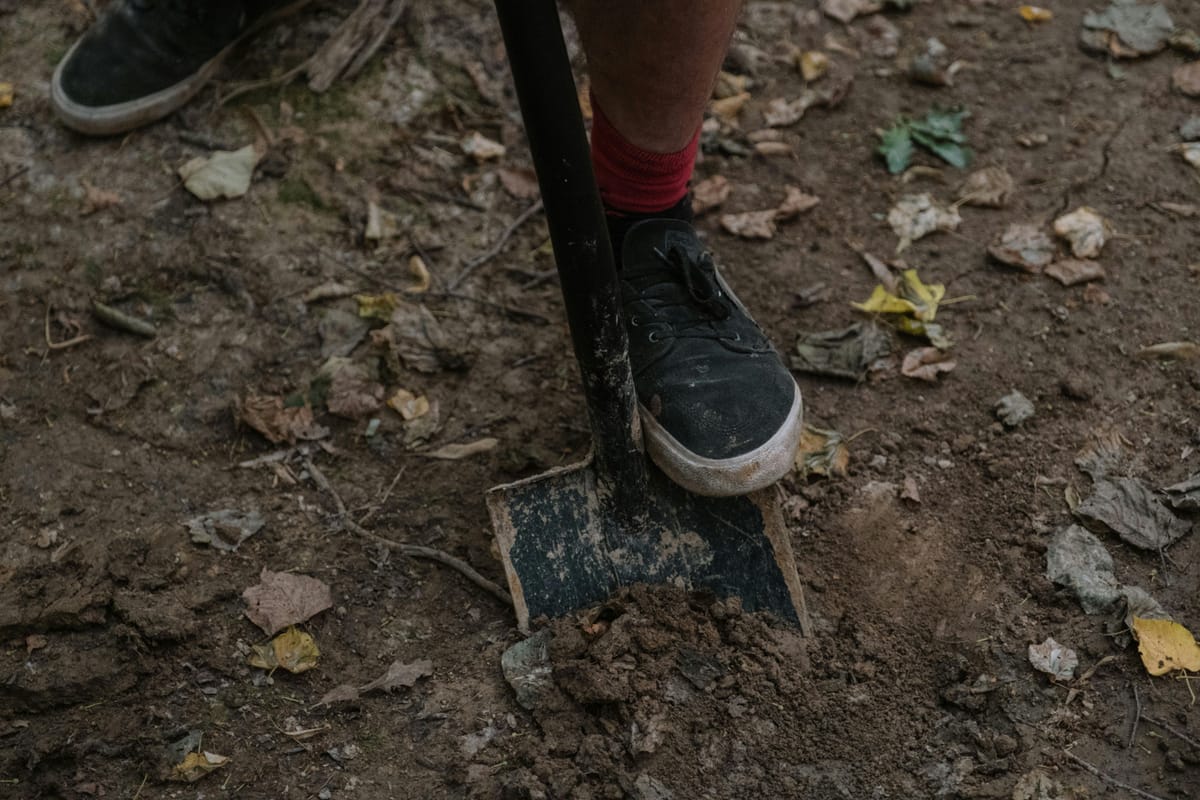
Caches should be shallow enough to retrieve by hand, without digging equipment, but concealed well enough to avoid accidental discovery. Recovery should be simple.
What belongs in a small cache
Keep contents limited to essentials that restore capability.
Useful categories include:
- Water, or a compact way to make water safe
- Calories, using shelf-stable, compact foods
- Fire-starting, simple and reliable
- Basic medical supplies, focused on minor injuries
- Light, preferably low-power
- Simple tools, multipurpose and familiar
Some people also choose to include universally desired small consumable goods appropriate to their local customs and culture, though this is optional and highly situational.
Maintenance and longevity
Caches aren’t always “bury and forget.”
Once or twice a year:
- check seals
- replace batteries
- rotate consumables
- confirm access hasn’t changed
Quiet upkeep preserves reliability without turning the system into a burden.
Emergency supply caches aren’t about fear or extreme scenarios. They’re about acknowledging uncertainty. Infrastructure such as bridges and roads might not be accessible.