Decentralized Food and Warband Supply Chains in Detroit Megacity
Shrimp tanks and algae vats promise independence until C-Doc runs the numbers. Survival depends on what can be salvaged.

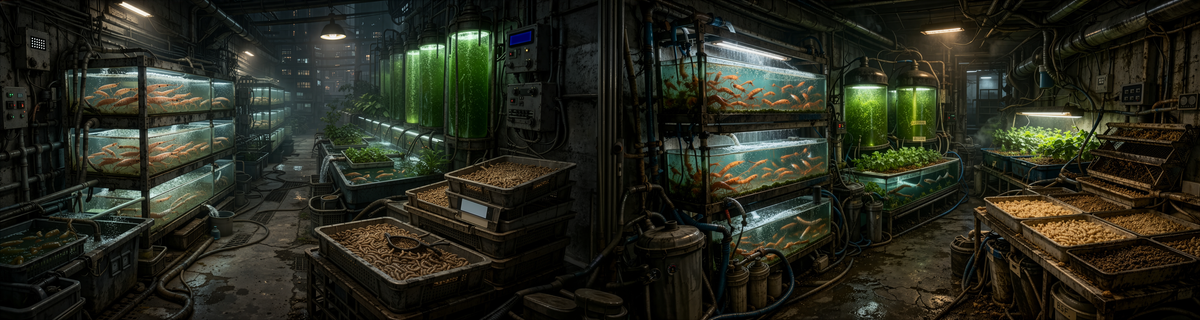
2047, Zephyrion Enclave. Technologist Institute, Subterranean Complex 70
C-Doc typed at his keyboard.
“If only I had a mind-link. This would be so much faster”
Errors spilled across his terminal.
“Darn thing, why are you so dumb?”
he muttered, knowing he wasn’t much of a machine whisperer as others within the technologist institute.
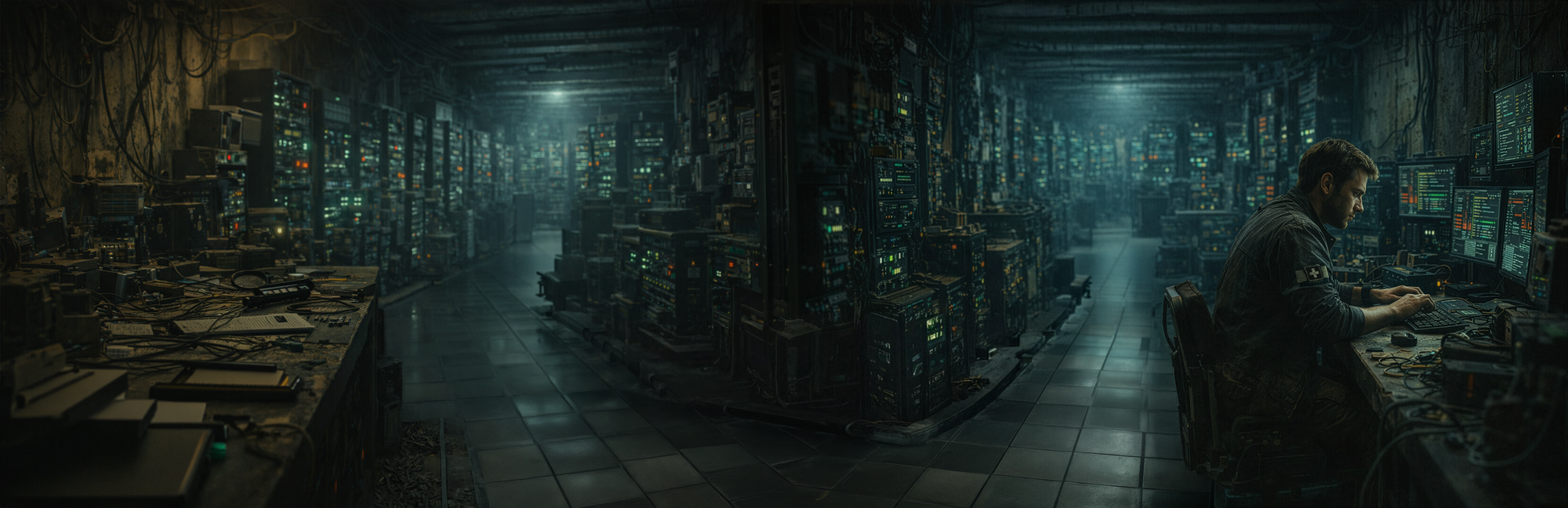
C-Doc was primarily a medical officer, but he had a heyday as a martial artist in his youth. A former champion grappler, though he rarely mentioned it. Most people had no idea. C-Doc had made his own breakthroughs in computing techniques and was a valued member of the Zephyrion Enclave logistics team. When he wasn’t working in the trauma unit within the contested regions, he was researching strategy alongside Virtu.
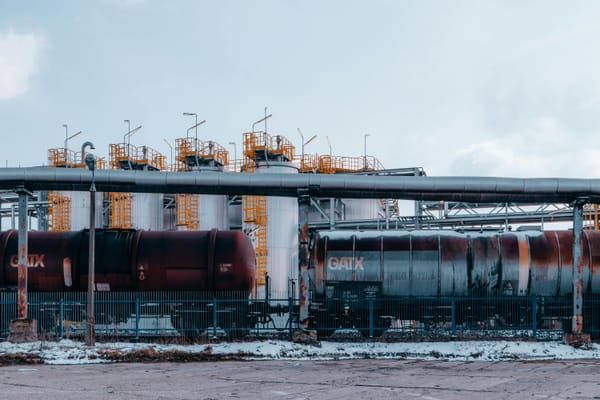
“Indoor shrimp farming” he typed into the machine with a sly smile. He knew how ridiculous this sounded; but it had already been a proven business model within other Free Cities and various enclaves. Corpos gave up on the concept years ago; the large-scale operations weren’t profitable, and so they were shut down. Other ventures faced similar bottlenecks.
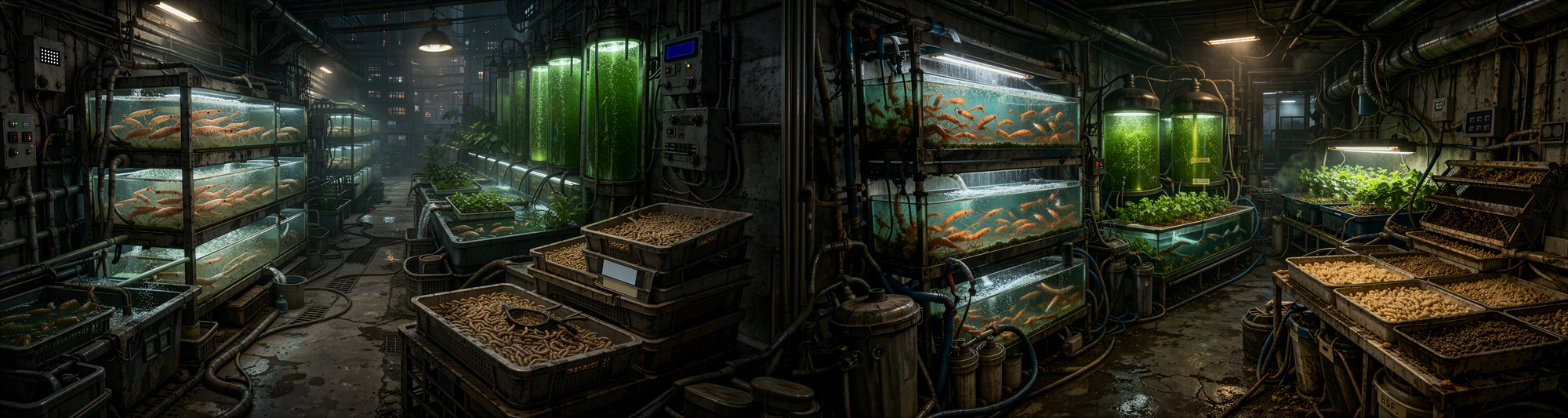
Residential Algae Vats, artisanal black soldier fly farms, larvae and mealworm cultivation; souped up GMO aquaponics and kelp farming. A cottage industry had formed around decentralized, unconventional food production. Even if unprofitable, resistance think-tanks knew food security was crucial for the autonomy of any emerging collective within Detroit Megacity.
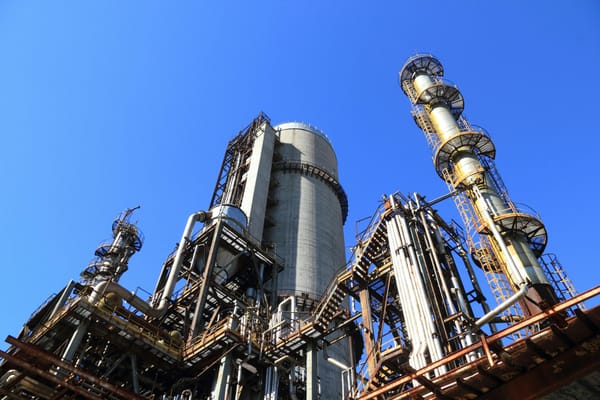
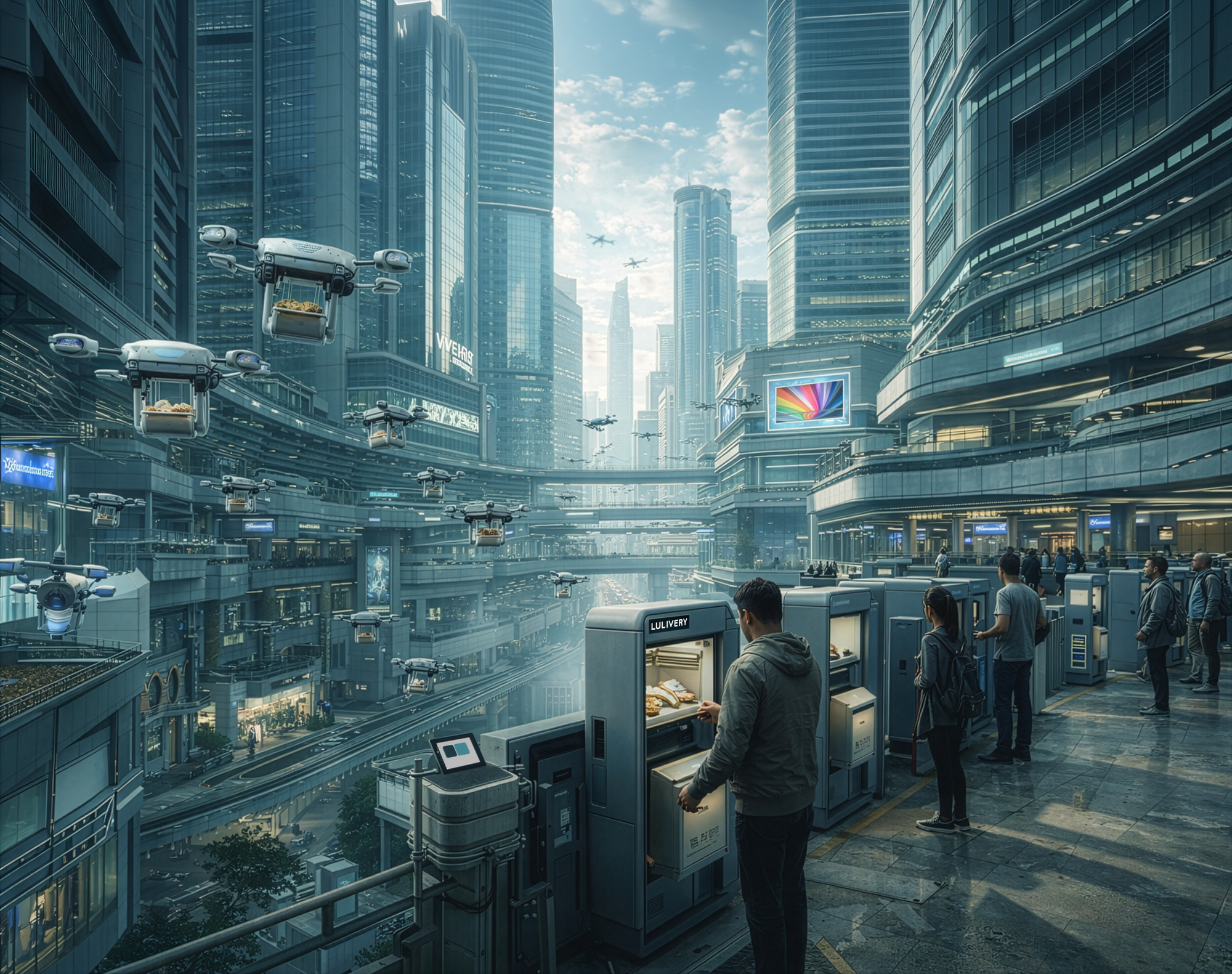
Corporations provided cheap, subsidized, large-scale doorstep delivery of luxury food products. This was a strategic move to keep the citizens dependent on corporate nutritional supply lines. Most of the population lived and worked for the eight megacorporations, and the monetary system was built around corporate credits. Every aspect of civic infrastructure was deeply embedded within corporate systems of control.
C-Doc frowned. The numbers didn’t work. Operational expenses were too high. Start-up costs were too great. The resistance simply lacked the resources to secure sovereign food production at the moment. Even if they had that much liquidity; the money would be better used reinvesting into existing revenue engines. The money left over was always consumed by the warband and their heavy logistics drain. After infrastructure costs, around a quarter of the remaining cash flow, probably more depending on metrics, was funneled directly into warband equipment. Many argued that it wasn't enough. The equipment added up, was consumed as quickly as it was replenished; and was never enough. Fighters had to ration their supplies, nobody got every piece of gear they wanted, and most people had to supply their own high value items.
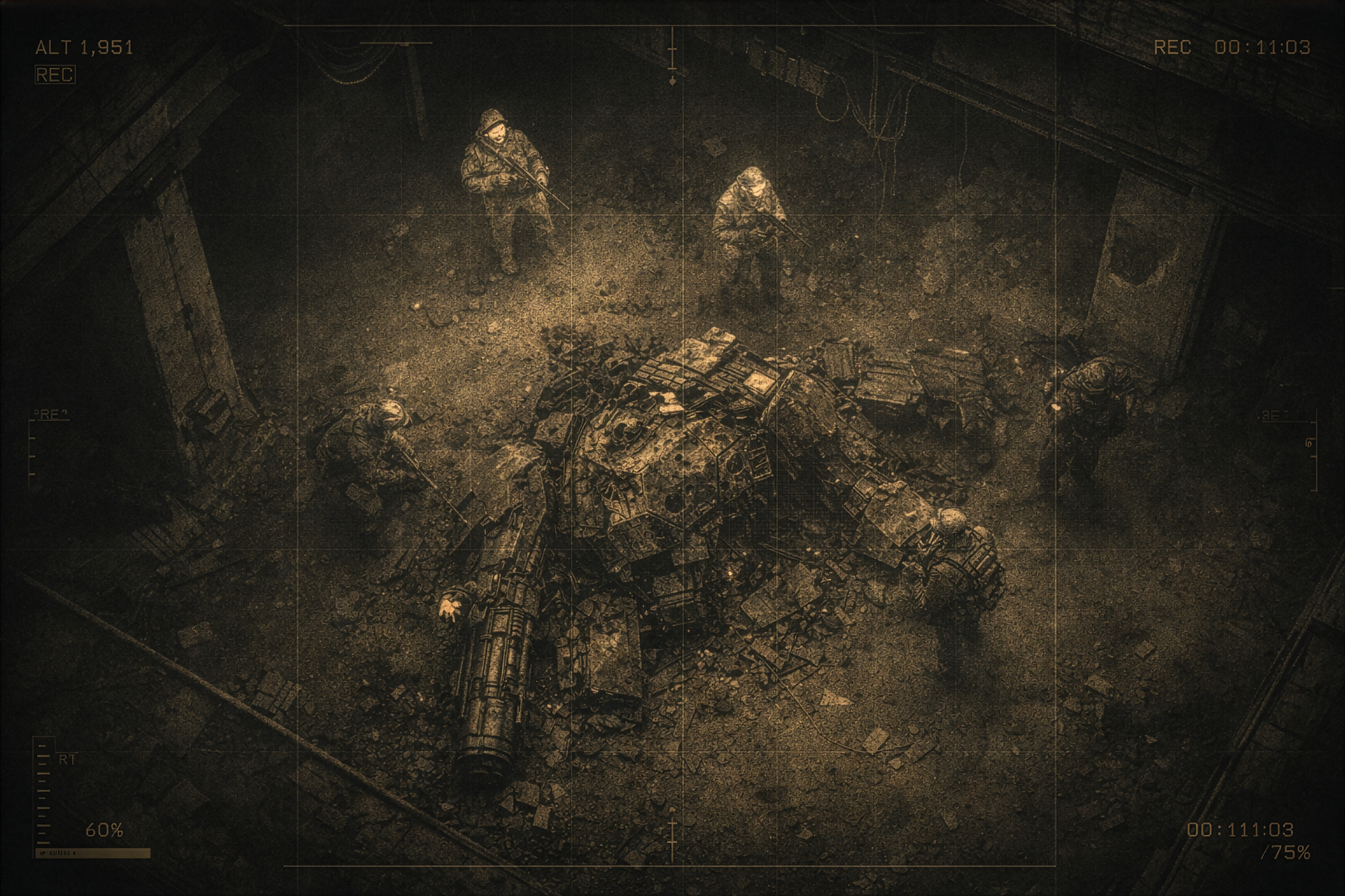
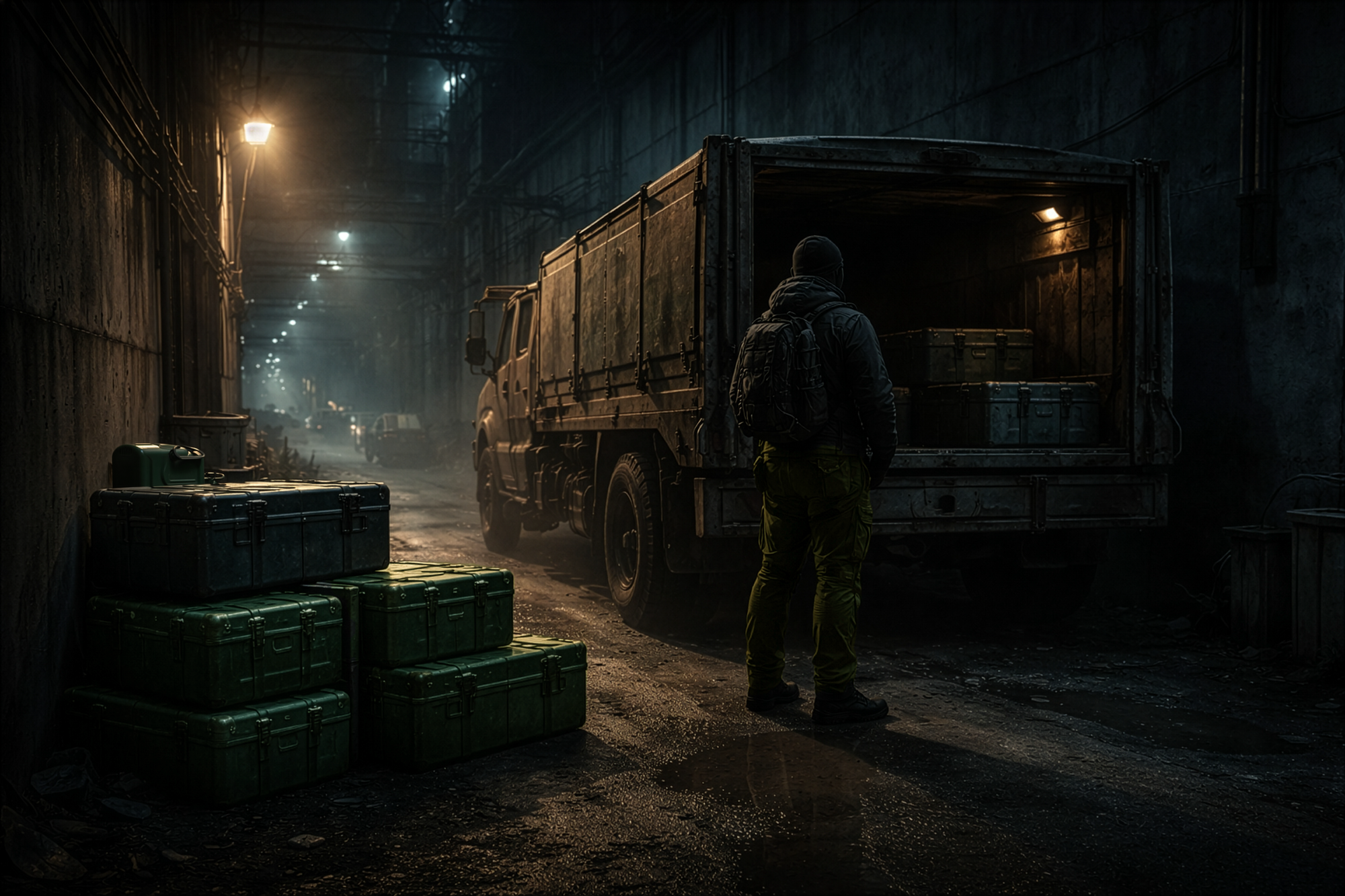
Alongside rising import fees and supply chain issues due to the Lake Erie Megaport blockade, there had been a deeper trade alliance between the warband and the scavengers. The scavengers were thrifty and able to produce, or otherwise requisition, functional equipment for the warband at a reduced cost. It wasn't ideal, and it was makeshift, but it worked. Devices that might’ve cost a week’s salary could be obtained for a small fraction of the cost.
Enter the Megacity
a serialized web-fiction