Cold Weather Survival: The Fundamentals That Actually Matter

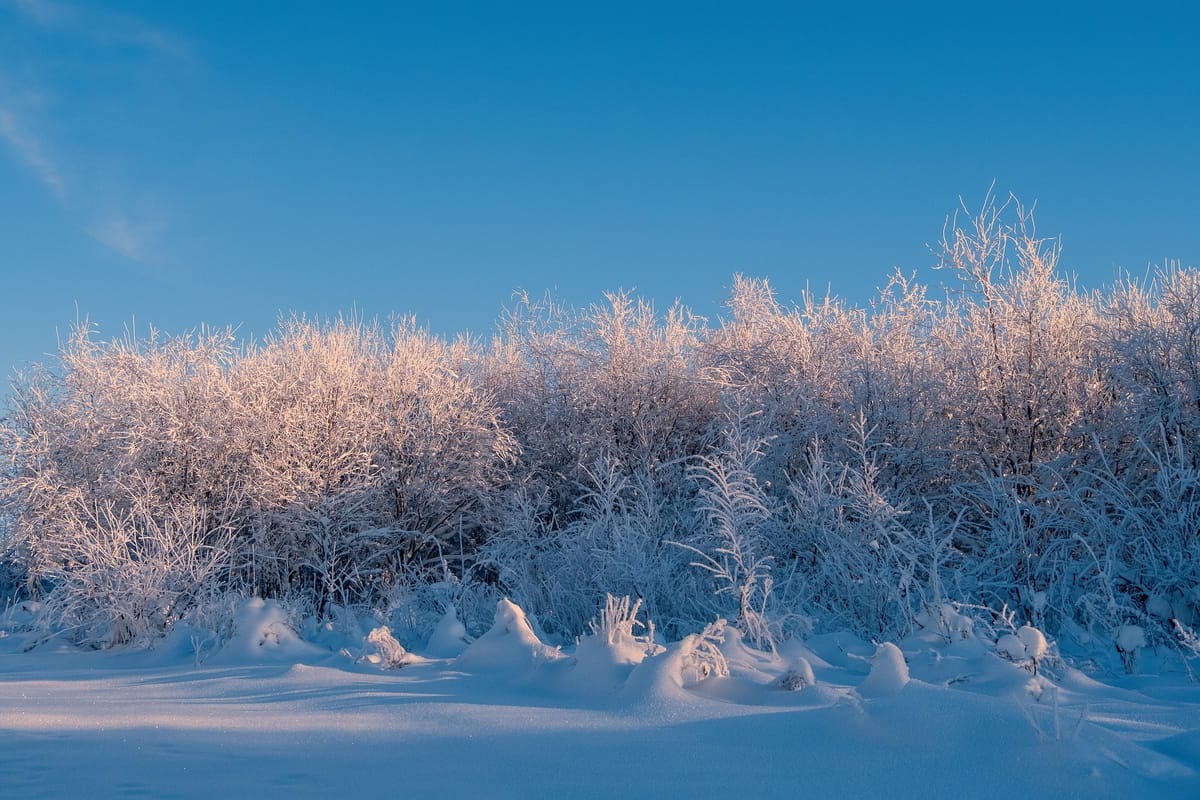
Cold environments introduce a very different survival equation. Many of the priorities remain familiar; shelter, water, food... but winter amplifies small mistakes into serious risks. Comfort becomes secondary to thermoregulation, and efficiency becomes inseparable from discipline.
Calories
Energy expenditure rises sharply in cold weather. Movement through snow, continuous muscular tension from shivering, and the added labor of basic tasks all accelerate caloric burn. Even routine activities require more effort. Staying warm is not passive; it is metabolically expensive.
Remaining active is essential, but activity is never free. Every decision to move, work, or generate heat must be understood as an energy transaction. Without sufficient caloric intake, physical capability and thermal stability decline together.
Moisture
Moisture management becomes one of the most critical survival skills in winter conditions. Sweat, snowmelt, condensation... all of this contributes to rapid heat loss. Being wet compromises insulation, reduces mobility, and increases the onset of hypothermia.
Layering is not simply about warmth; it is about regulation. Overheating leads to perspiration, and perspiration leads to danger. The correct strategy is anticipatory adjustment, shedding layers before sweat accumulates, adding insulation before shivering becomes pronounced.
Cold tolerance often requires accepting mild discomfort. Feeling slightly cool is frequently safer than feeling warm enough to perspire.
Hydration
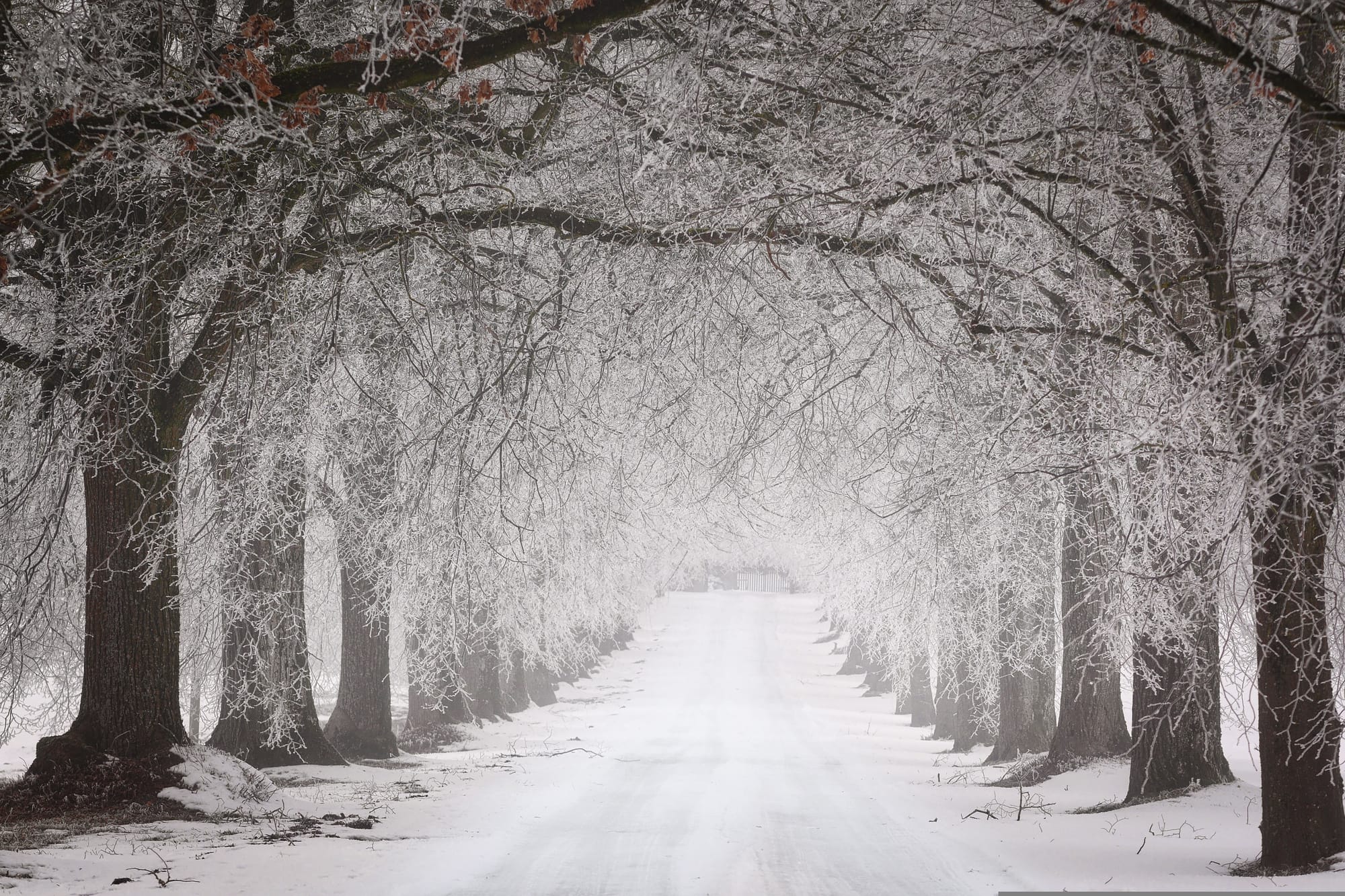
Snow and ice create a misleading sense of water abundance. Frozen water still requires processing, and that processing carries both time and energy costs. Melted snow should be heated and filtered sufficiently to ensure biological safety. Visual purity is not a reliable indicator of cleanliness.
Even after boiling, snow-derived water may retain suspended particulates. Additional filtration improves clarity and palatability. The taste of snowmelt often differs from familiar sources; this is normal and rarely cause for concern.
Maintaining hydration remains vital despite reduced thirst cues in cold environments. Dehydration compounds fatigue, impairs circulation, and undermines heat production.
Sleep and Thermal Stability
Sleep introduces vulnerability. Reduced movement decreases metabolic heat generation, allowing cold exposure to accumulate unnoticed. Attempting rest while wet, inadequately insulated, or already chilled significantly increases risk.
Before sleep, priorities should focus on dryness, insulation, and controlled heat retention. Separation from the ground is especially important, as conductive heat loss rapidly drains body warmth. Natural insulating materials, including coniferous branches, provide effective barriers when used generously.
Thermal mass, typically heated stone or earth, or a metal hot water bottle, can offer temporary warmth buffers. These materials radiate stored heat but require active rotation, as their temperature declines steadily.
Clothing Considerations
Clothing systems are highly customizable. Material selection often reflects tradeoffs between moisture behavior, durability, and interaction with heat sources. Some fabrics prioritize moisture transport, while others emphasize stability and resistance to thermal damage.
No single material performs optimally across all winter scenarios. What matters most is understanding how garments behave when wet, when exposed to heat, and when subjected to prolonged cold stress.
Outer layers should emphasize environmental protection. Waterproofing, wind resistance, and fire safety considerations all influence long-term survivability more than abstract performance claims.
It's wise to keep extra socks and dry clothes, so that you can change out of your wet gear if needed.
 John D